Queenborough
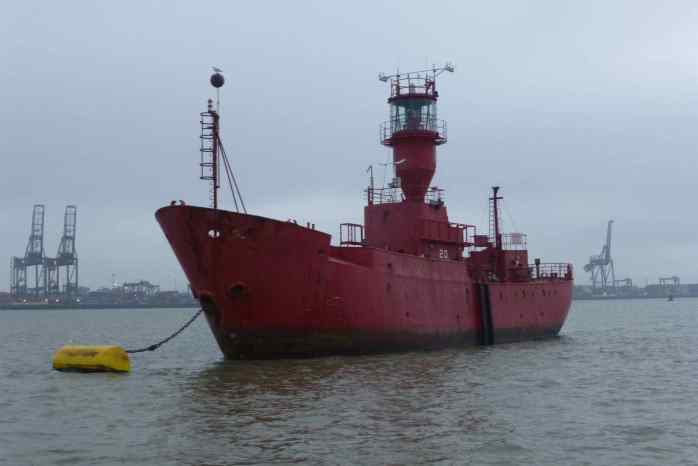
A full day on the water brought us into Queenborough right on dark (the days are definitely getting shorter). This is the best spot to stop around the mouth of the Themes. All set to go up to London tomorrow. Didn’t go to shore just secured to a concrete light ship in the river for the night, will be up and gone by 5am in the morning.
Shotley
Making good time and our booking confirmed in London in two days time the 9th of November (with our Aussie visitor arriving on the 11th November).
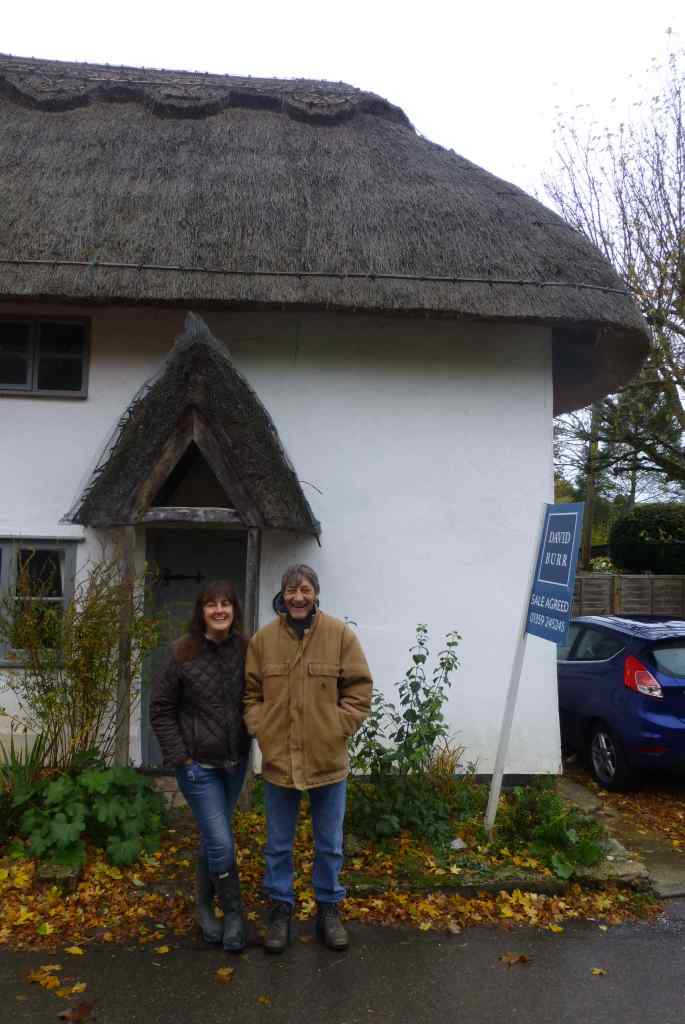
We stopped for the weekend at Shotley as it was the closest place (without going miles up the river Orwell) to visit Phil’s family in Suffolk as well as great sailing buddies Tony and Jenny (from Freja) whom we had met in Ireland earlier in the year. Was great to spend the weekend ashore with Tony and Jenny in their new home as well as sharing a meal with the Shannon family (Phils Auntie, his Dad’s sister and her family).
Blythe, Whitby & Lowestoft
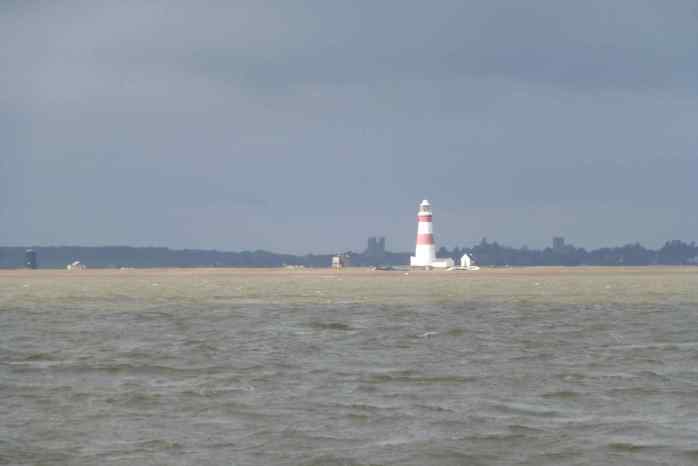
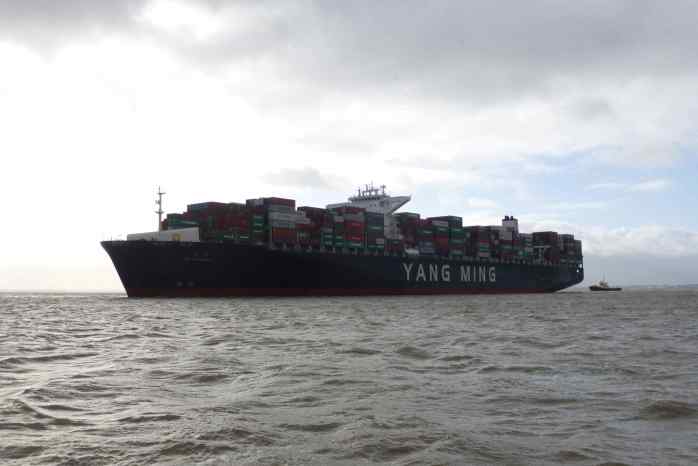
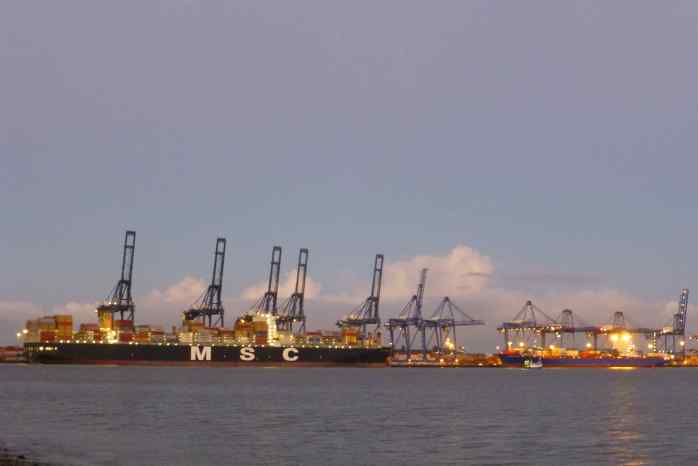
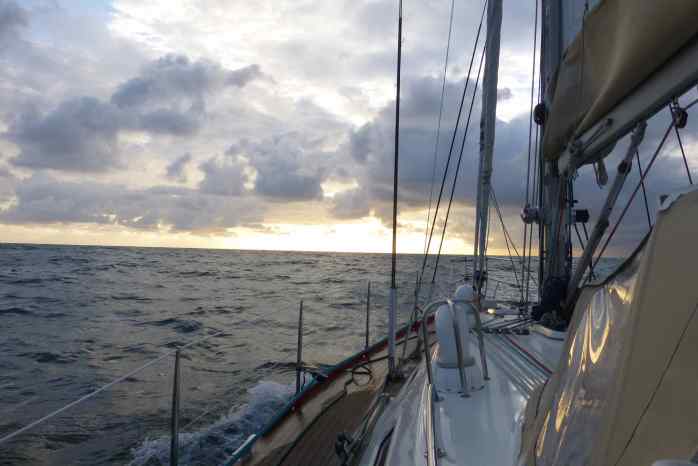
Time to make tracks again leaving Scotland and heading south for the big smoke London! We have 9 days before our visitor (Maree’s Mum) arrives from Australia and we plan on being berthed in the River Themes at least the day before she arrives…hopefully! A real bonus would be to arrive two days before her allowing for us to do some washing, that includes us, the boat, our clothes and the cabin bedding sheets etc – but lets not get ahead of ourselves. Thankfully there isn’t a lot to entice us into stopping on the way down the east coast from Scotland to London (the coast being very exposed and the inshore waters being full of wind generators), and furthermore the North Sea is again throwing up a very shallow uncomfortable chop – delightful not, so we moved pretty quickly.
Blythe . . . We arrived at Blythe and the Royal Northumberland Yacht Club on dark and left at sunrise the next morning. It was halloween weekend and we were invited to join in their celebrations at their clubhouse which was actually an old floating lightship the HY Tyne III, previously Light Vessel No. 50, and is now the oldest floating timber light vessel remaining in Great Britain and only one of three still identifiable as a light vessel. In 1908 there were 54 light vessels on station mainly around the East Coast, the Thames Approaches and along the South coast. These days being used as a club house and bar the only physical identification mark on her is LV 50 engraved into one of the deck beams in what is now the bar area. She is 100 ft (30.48 metres) in length; her beam is 21ft (6.4 metres) with a draft of 9 ft (2.74 metres). She weighs a little over 230 tons deadweight and was never fitted with an engine always being towed to station. Living conditions on lightships were hard, cramped and noisy. ‘Her crew consisted of 11 men, lamplighters, fog signal drivers, able seamen, Master and a Mate; with a compliment of 7 working on the ship at a time. The Master and Mate rotated 4 weeks on board whereas the ratings served 8 weeks afloat then 4 weeks ashore. Totally self-sufficient they had to remain on station in the wildest of weather to ensure the safety of vessels passing by the hazard as she was never fitted with electric light for signalling and after 73 years of hard service, repairs and refits the old lady was finally decommissioned.
Whitby . . . Next stop was Whitby where we actually stayed two nights having a walk around the old abbey during the day as well as topping us with Gas, as our next leg was going to be a day, night, day sail down to Lowestoft a distance of about 150 nautical miles estimated to take about 28 hours. Halloween still in full throws and we were actually egged overnight with some young horns throwing eggs from the shore down onto the pontoons, one landing on the cabin deck – not impressed! The morning we left we had to fight the tide and waves to get out of the river entrance, much nicer once in the open as it was quite a washing machine at the river entrance.
Lowestoft . . . We arrived earlier than expected at Lowestoft and docked at the Royal Norfolk and Suffolk Yacht Club (picture us with our noses up the air here). It was the first yacht club that we had visited that had a dress code/standard, lucky for us it didn’t seem to be enforced as nothing was said to us and we were both wearing jeans with holes in the bum and knees. I will share the extract of the arrival brochure with you for your enjoyment:

I just love the example of smart casual, specifying the shoes etc and that it may be word with a jumper in cooler weather – how very gracious of them! It’s fair to say we stayed away from the dining room and bars 🙂 It was actually a good place to stop, easy to get in and out of in the boat being right on the coast and the staff were friendly and helpful (we were the only visiting yacht in the harbour and being mid week less chance of us upsetting the club toffs). Caught up on the nights sleep we missed whilst sailing and also made a start on the washing ready for London. Lowestoft itself is somewhere that you shouldn’t worry if you miss (that old saying if you can’t say anything nice about a place don’t say anything at all springs to mind). As lovely as the yacht club was the town really wasn’t. The high street was at least 50% empty and what was there were mainly cheap shops and charity 2nd hand store and OMG I have never ever seen so many mobility scooters in one town. Every second person was on one and every shop had them parked up outside (as well as more inside frustratingly taking up the isles so you couldn’t move around them), so many in fact that it seemed to be a bit of a competition as to whom could dress theirs up the most or customise it! Did make us wonder what old people did before these scooters became available and common, and the only answer we could come up with was that they were house bound and stayed home – maybe a good thing for places like this.


Eyemouth
A medium sized fishing village and our last stop in Scotland (the England Scotland border being just south of here). A very sad history for the town remembered by a moving bronze statue along the foreshore which depicts the tragedy in the town when they lost many fishing boats and a total of 189 men/boys in a wild storm just off shore within sight of the harbour back in 1881. It left behind 78 widows and 182 fatherless children in the town.
Edinburgh
Increase in other vessels as we entered the Forth River, mainly large commercial vessels, one of them even noticed our small Aussie flag flying and commented to us over the radio that we were a long way from Sydney Harbour! There are not a lot of options for yachts to stay near Edinburgh city centre so had to travel further up the river to around the impressive Forth Bridge railway before the marina’s start. After ringing around them all we found most were busy with lifting boats out for winter and didn’t have room. The last one we tried at Port Edgar had space and allocated us a berth, to which we entered on dusk yelling and cursing each other as even tho we were given a allocated spot we couldn’t read the numbers on the pontoons to figure out which one was ours, the numbers were visible from shore not the boat – very strange? Lucky our yelling and cursing roused a fellow from a boat who was able to tell us from shore which one was ours, thanks Mate.
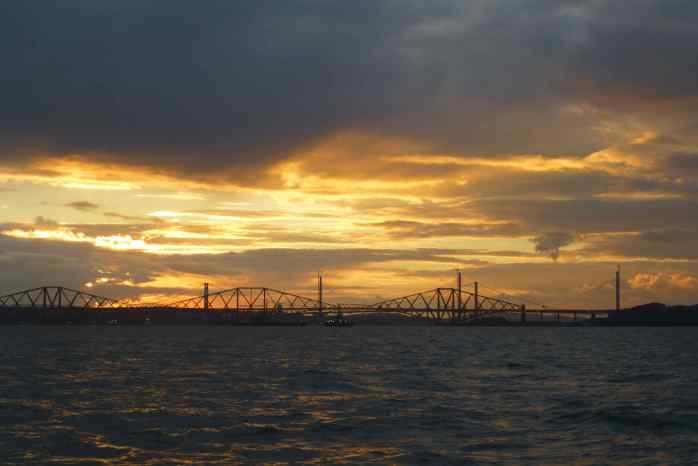
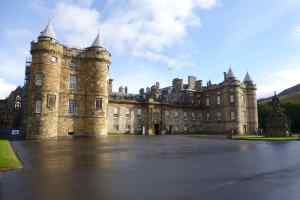
We spent a week here with a list of various things we wanted to see and happy to say we got to them all. To start with once the boat duties were done (this is Maree washing the boat and doing the clothes washing while Phil had a sleep in) we caught a bus into the city and explored, we walked up to Calton Hill which has views of Arthurs Seat the hills overlooking Holyrood Park which adjoins the Palace of Holyroodhouse – which is of course the Queens Scottish Residence.
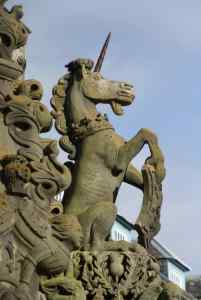
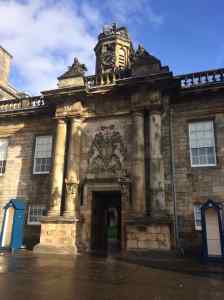
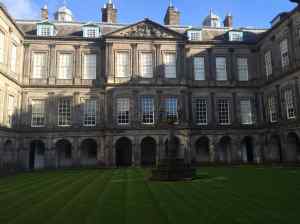
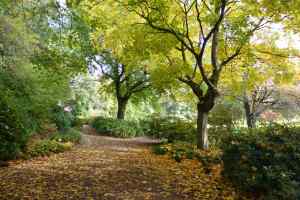
We were surprised to be able to enter the Palace of Holyroodhouse (of course paying a fee) do see the palace and tour the grounds. No pictures were allowed inside the palace, so you will have to use your imagination but trust me when I say it was very old, the colours faded from most carpets and paintings, richly historic, sparser than i was expecting but truely very, very beautiful. (I am sure the suites that are actually used by the royals when in residence are much newer and modern). Pictures below.

Keeping on the royal theme and more importantly the sailing theme we also visited the HMY Britannia, the royal yacht in service from 1954 until 1997. Talk about impressed, in more ways than one, it is of course as you would imagine HUGE (125 meters long x 17 meters wide), it is also very tasteful and not over the top at all. Even considering it’s age and that it has been preserved from when it was decommissioned 19 years ago, I was impressed with it’s fairly modest furnishings, and just loved the fact that the Queen used many of her wedding gifts to fit out the yacht such as the bed sheets, linen and crockery that hadn’t been used sine moving into Buckingham palace rather than commissioning new items. We were slightly appalled by the fact that the officers bar had Fosters on tap (us Australian’s don’t drink that rubbish!). We took a million picture and are pleased to show many of them here to bore you!
We also lashed out and hired a car for 48 hours to get a bit further afield and visit the Falkirk Wheel & the Kelpies Statues. When I say car I mean toy-car, it was a teeny weeny little hot red fiat – super cool and zipped us around easily to where we wanted to go. First stop the Falkirk wheel to see this engineering masterpiece, and boy is it impressive. For those of you who are not familiar with it the Falkirk Wheel is a rotating boat lift connecting the Forth & Clyde Canal with the Union Canal (basically linking Edinburgh to Glasgow). These canals used to connect up until the 1930’s then with infrastructure falling into disrepair were no reconnected until the wheel opened in 2002.
The wheel raises boats by 24 metres (79 ft), replacing the previous 11 locks required to do this which used to take the best part of a day to pass through and now takes 15 minutes via the wheel, then onwards via the impressive aqueduct before rejoining the canals. Obviously it’s not suitable for yachts with masts up, but used regally by river and canal boats (and yachts with their masts down). It can take vessels measuring 21 meters in length by 6 meters wide, with a height of 2.7 meters and draft of 1.3). The Falkirk Wheel is the only rotating boat lift of its kind in the world.
Next stop was the Kelpies built in 2013 and standing a massive 30 meters high weighing 300 tonnes each, these incredible sculptures each contain 1200 tonnes of steel-reinforced concrete foundation built to hold the 928 stainless steel skin plates. These plates and other components were sculpted off site over a number of years and was the final product was constructed on site in just 90 days.
The sculptures form a gateway at the eastern entrance to the Forth and Clyde canal, and the new canal extension built as part of The Helix land transformation project, which leads to/from the Falkirk Wheel.
The Kelpies are a monument to horse powered heritage across Scotland.
The Kelpies name reflects the mythological transforming beasts possessing the strength and endurance of 10 horses; a quality that is analogous with the transformational change and endurance of Scotland’s inland waterways. The Kelpies represent the lineage of the heavy horse of Scottish industry and economy, pulling the wagons, ploughs, barges and coalships that shaped the geographical layout of the Falkirk area.
The other highlight of our visit to Scotlands capital was the chance to catch up with George and Caroline who are Phil’s cousin. They drove down to meet us from St Andrews and we spent a wonderful evening with them, hopefully will get to see them again whilst in UK and Europe, and certainly got us excited about continuing south to Suffolk to see the remainder of the family.
Buckie, Peterhead & Arbroath
Welcome to the North Sea – uuuggghhhhh!
After the sheltered lochs of Scotland then the sheltered Caledonian Canal the north sea is reminding us how good we had it. Very shallow (6-8 meters a few miles out off the coast) and the smallest wind (which we need to sail) creates a short sharp chop on the water equalling an uncomfortable passage!
Anyway the wind is good for sailing, so miles we shall sail – next milestone will be Edinburgh, the capital of Scotland. We have heard many great things about this city and looking forward to visiting.
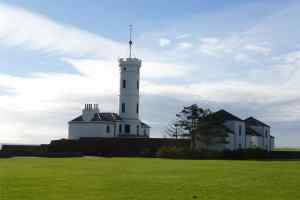
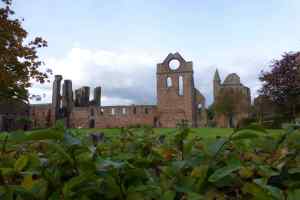
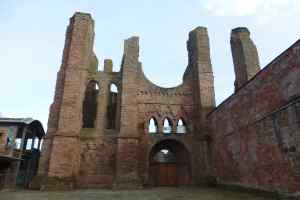
Anyway we zoomed down the coast with three big legs over three days, spending all day on the water leaving an hour before dark for a quick walk around the towns we overnighted at, those being Buckie, Peterhead and Arbroath (2 nights).
Buckie – small fishing village.

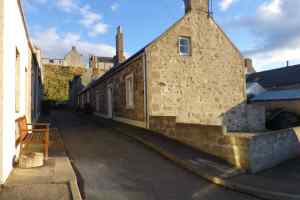

Peterhead – larger port and big shipping operations.
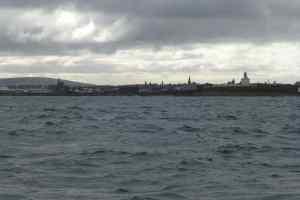

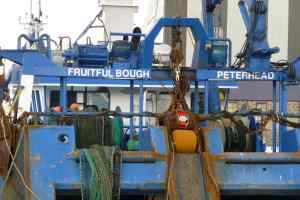
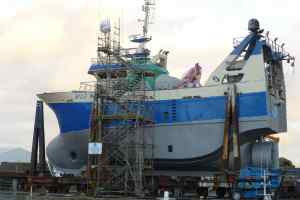
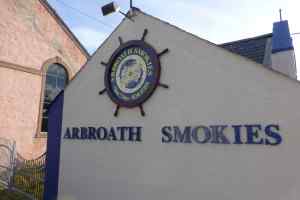
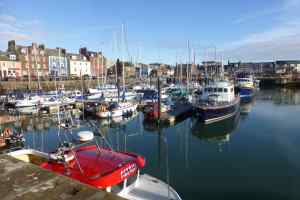
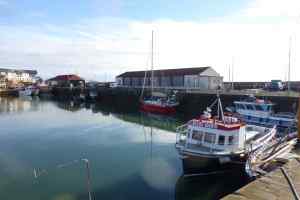
Arbroath – a shipping village famous for it’s smokies (smoked fish).
The Caledonian Canal
Feels like a bit of a milestone to reach here, out UK & Ireland travels are almost complete! As is the 2016 sailing season. Pretty pumped to do Loch Ness over the next few days also – being such a well know place, also a niggle of apprehension mixed in with the excitement about getting through all these locks – the down side of a red hull is that it is so easily marked and if marked very very visible.
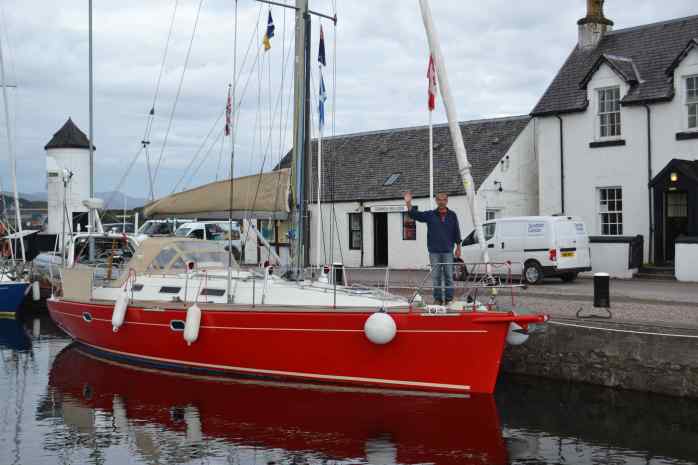
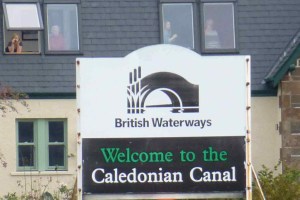
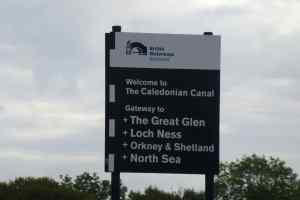
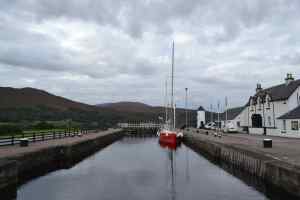
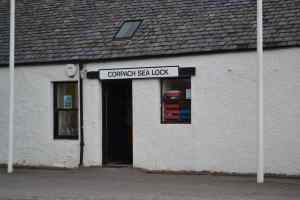
Anyway only one way to do this and that is to get on with the adventure, lets start with some facts about the Caledonian Canal …
- 19 years to build and a cost of 1 million pounds (actually good for the day and age, especially as the Fort Augustus locks were repaired from 1995-1997 at a cost of 3 million pounds)
- Maiden voyage was 23-24th October 1822 (travelling East to West)
- 96 kilometres long (60 miles) Inverness to Fort William
- 61 kilometres of natural lochs/lakes (38 miles)
- 35 kilometres of man man canal cutting (22 miles)
- 29 locks
- 8 swing road bridges
- 2 swing rail bridges
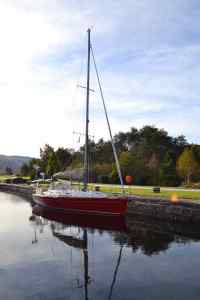
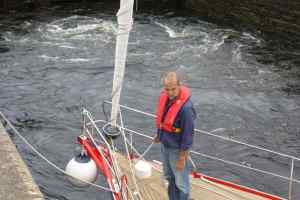
Day 1.
11 locks & 2 swing bridges
Berthed at Banavie Top Basin.
Entered Corpach Sealock and registered for canal, brought an 8 day transit licence. Completed sea lock and next two locks at Corpach before pulling up below rail and car swing bridge just before Neptune’s staircase (8 locks) for a couple of hours to await our call to enter at out prearranged time of 13:00. It took 2 hours to complete the 8 locks (climbing up).
Day 2.
4 locks & 2 swing bridges
Berthed at Laggan (top)
Canal motoring to Moy Swing Bridge then Gairlochy consisted of lock, swing bridge then lock before opening into Loch Lochy (8.6 nautical miles) this is buoyed at each end due to depths. Finally two more locks at Laggan Locks to take us out of Loch Lochy before we berthed for the night Laggan opposite the Eagle Barge pub and restaurant. Locks prior to this were climbing up – now at the highest point in the canal and locks here after are descending.
Day 3 & 4.
2 locks & 2 swinging bridges
Berthed at Fort Augustus (top basin before locks)
Very easy day with only two bridges and two locks and a transit through Loch Oich (3.5 nautical miles) buoyed all the way due to depth. Stopped at Cullochy lock for a couple of hours (during the keepers lunch break) and walked back to the Historical Bridge of Oich, which was quite a visual treat. Transited the last two locks at Cullochy and Kytra before stopping for the night at the top of the Fort Augustas staircase. We stayed 2 nights here (night 3 and 4). Enjoyed a couple of longer hikes around Loch Ness on our full day here, one walk to the top of the Northern hill through pine (fur) plantations, and a second walk along Loch Ness – both enjoyable. Fort Augustus is a bigger town with pubs and a few gift shops being the major centre for Loch Ness.
Day 5.
5 locks & 1 Swing Bridge
Berthed at Loch Dochgarroch Top Pontoon
Down the 5 locks at Fort Augustus following the large Lord of the Glens cruise ship which we had previously seen at Canna a few months ago. They berthed for the night with us at the top of Fort Augustus. They filled the entire lock and hardly needed to put lines out each time as they really didn’t have room to drift around. We followed them down (they double locked us) with one other smaller yacht behind us and three bump boats on the other side so 5 of us in the lock together, despite my initial nerves about the bump boats bumping us it worked well no issues. Phil was onboard and I was walking the lines/boat along the top of the locks.
Then we were in the Loch Ness WOW!! 20 nautical miles, sailed ½ of it but was having to tack and jibe from one side to the other due to the wind angle, but nice to say we sailed it. I must say the actual views were not anywhere near as nice as other parts of the canal as it is surrounded by pine plantations.
Day 6
1 lock & 1 Swing Bridge
Berthed at Muirtown Top of Locks
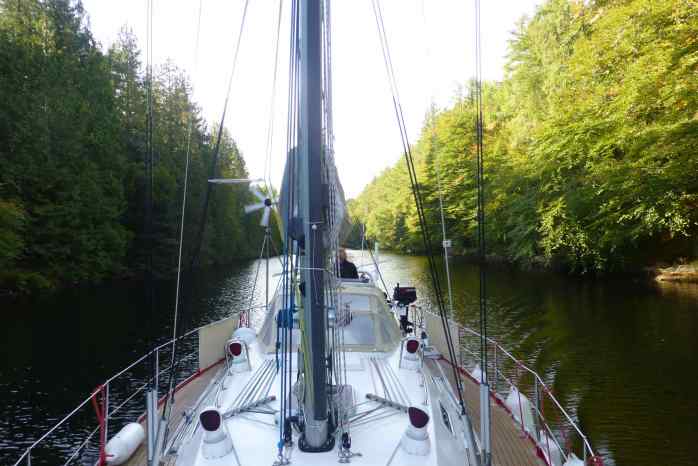
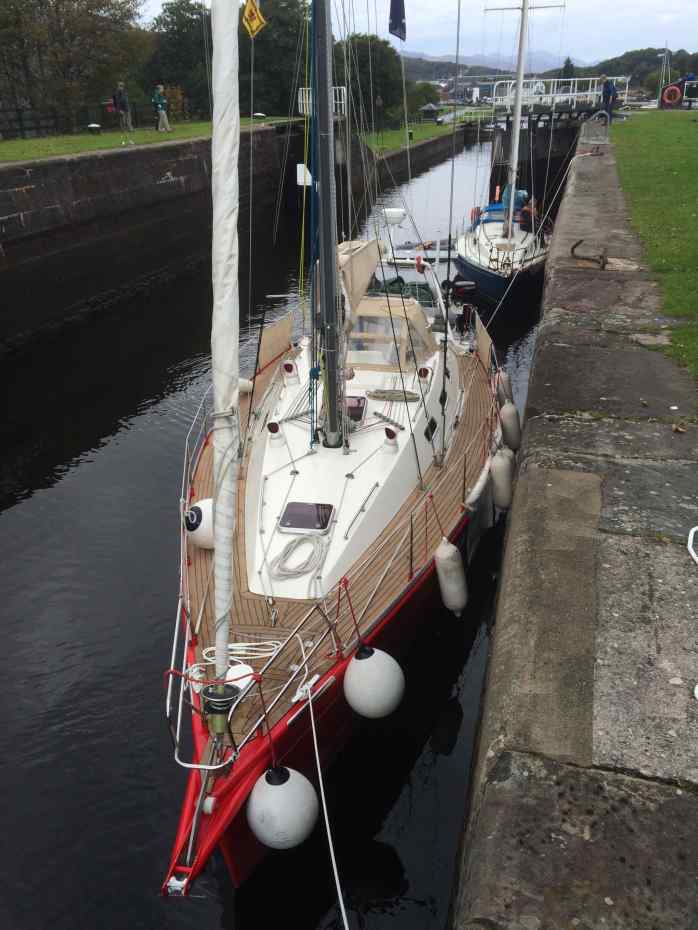
Short transit through the Dochgarroch lock and then Tomnahurich swing bridge before arriving at Muirtown, which is the start of the end locks out into Inverness. Having paid for an 8 day licence and still having 2 nights left we stopped at the top of Muirtown (didn’t enter the locks) and berthed for the night on the wall (I don’t think this is normally allowed as there is the sea port marina (pontoons) on the other side of the locks but being very quiet they let us.
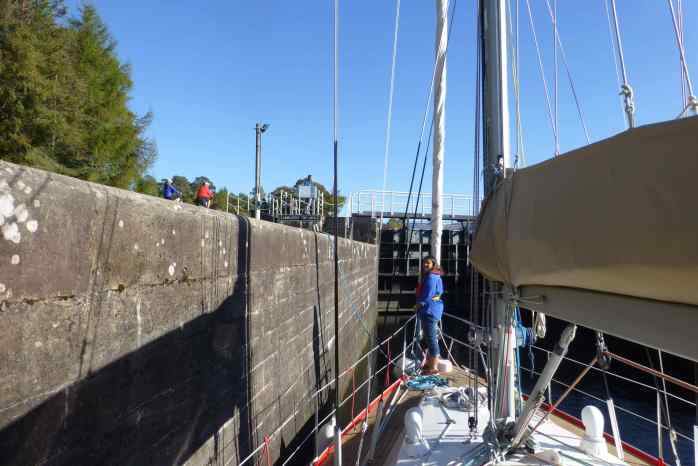
Day 7 & 8
4 locks & 1 Swing Bridge
Berthed at Seaport Inverness Marina (2 nights)
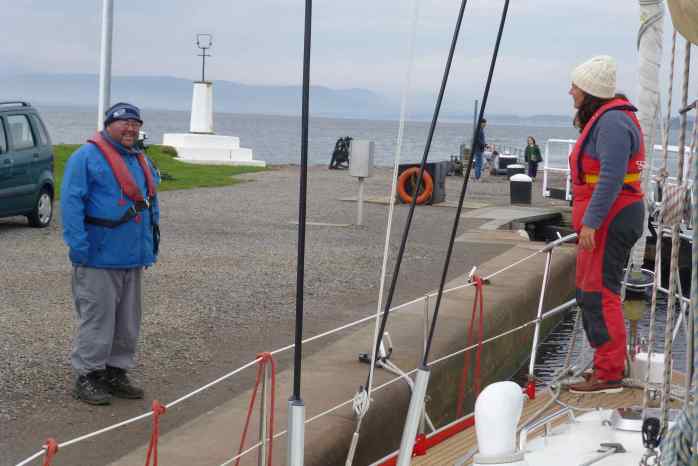
Used our last night as part of our transit licence in Seaport Marina (1 night here included in the licence). A normal functioning marina with toilets, showers and laundry, loads of pontoons, power, water etc and we also purchased fuel. Walking distance into Inverness with it’s lovely parks and gardens around the river. We actually stayed a second night due to weather conditions and tides not enabling us to exit into Inverness Bay with the correct tide and wind etc (as it was the weekend the office was closed so the extra night was free).
Fort William
Arrived around lunch time and really could have entered the lock to the CC but figured we should wait until tomorrow and get our money’s worth of our licence by going in first thing in the morning and getting a full day (as it isn’t cheap) and we were going to buy a 6 day licence. Therefore Fort William became our last stop before entering the CC and we also wanted to fill up with gas for the stove and some fresh meat as we don’t expect much in the way of supplies until we get through to Inverness at the other end. A gentleman from the local yacht club was kind enough to drive us to the service station to get gas as it was quite some distance from town, and on his way home, then he even returned us to the dingy which was nice as we were preparing to walk back.
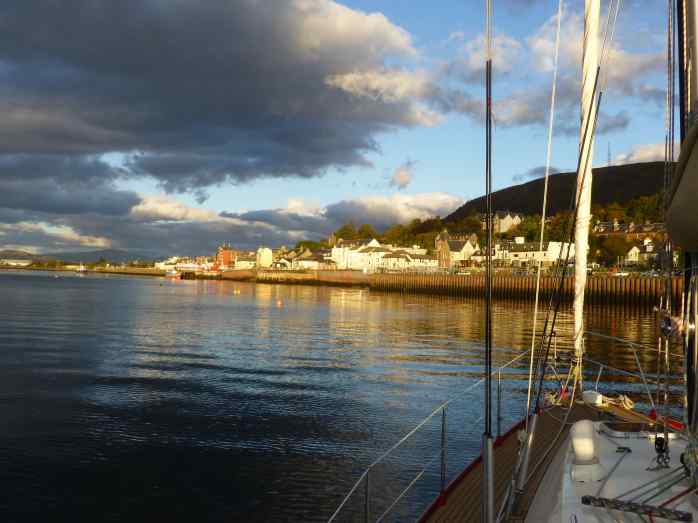
Nothing spectacular about the town itself but it is situated at the bottom of the very impressive Mount Ben Nevis and if the views looking up are anything to go by the view from the top must be mind blowing! Ben Nevis is the highest mountain in the United Kingdom standing at 1,345 meters above sea level (4,411 feet). There is a cliff face of some 700 meters tall and is very popular with rock climbers. The summit of the mountain is a collapsed dome of an ancient volcano and houses a disused observatory which was staffed from 1883-1904 collecting meteorological data. Each September Fort William hosts the annual Ben Nevis Race limited to 500 competitors (all of whom needed to have qualified via other mountain races), runners must carry waterproofs, hat, gloves and a whistle and then off they go racing to the top and back (14 kilometres). The current record is 1:25:34! Phew!! Sorry but I didn’t get a good picture of it.
Port Appin
Our overnight stop en-route north to the CC whilst travelling north up Loch Linnhe.

Again zero wind so a slow motor (pleasant enough), treated ourselves to dinner at the pub as it was a choice of pay for the mooring buoy for the evening or it’s free if you eat at the pub! I am sure the meal cost us more than the morning but we certainly enjoyed it and we don’t do it often intact hardly ever.

Oban
Well to be precise the Isle of Kerrera, this is where the marina is and a ferry runs you over to the mainland and the town of Oban. The marina has seen better days but will serve its purpose for us well. The other boat owners tell us it is for sale as the owner is very old and therefore maintenance has lapsed over the last 5 years (this is quite obvious) so once eventually sold it could come good (or of course go the other way).

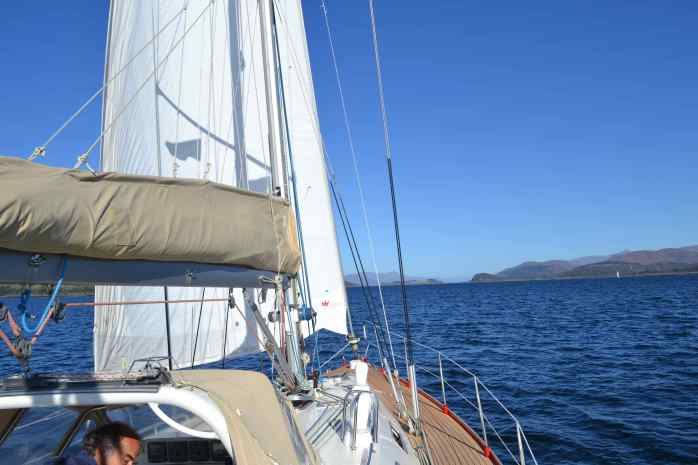
Lovely scenes coming from the sound of mull into Oban and the gales seem to be a thing of the past as frustratingly the wind is gone and we had to motor sail (either too much wind or not enough), anyway we certainly soaked up the glorious sunshine, even taking a couple of lovely pictures (which have since been turned into postcards). Did a provisioning shop for the majority of stores (food) to get us through the Caledonian Canal transit, now only days away (exciting – both looking forward to it).



 Red Roo
RECENT COMMENTS