More of Malta
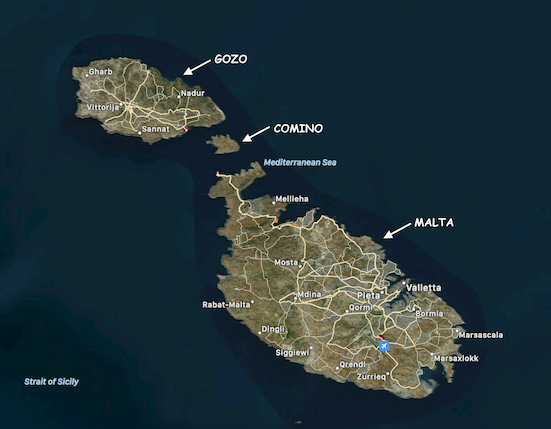
Just south of Comino (from our last blog) is the largest island of Malta. Although it is the largest, it is still rather small – the island is 27 km long and 14.5 km wide with a population of 460,000 on this the main island.

The 3 Islands that make up the Country of Malta
We anchored in the north east Mellieha Bay and set about looking around, actually first on the agenda was a trip to the local supermarket to satisfy Phil’s craving for bacon after spending 5 months in Muslim Tunisia where pork products are not found.
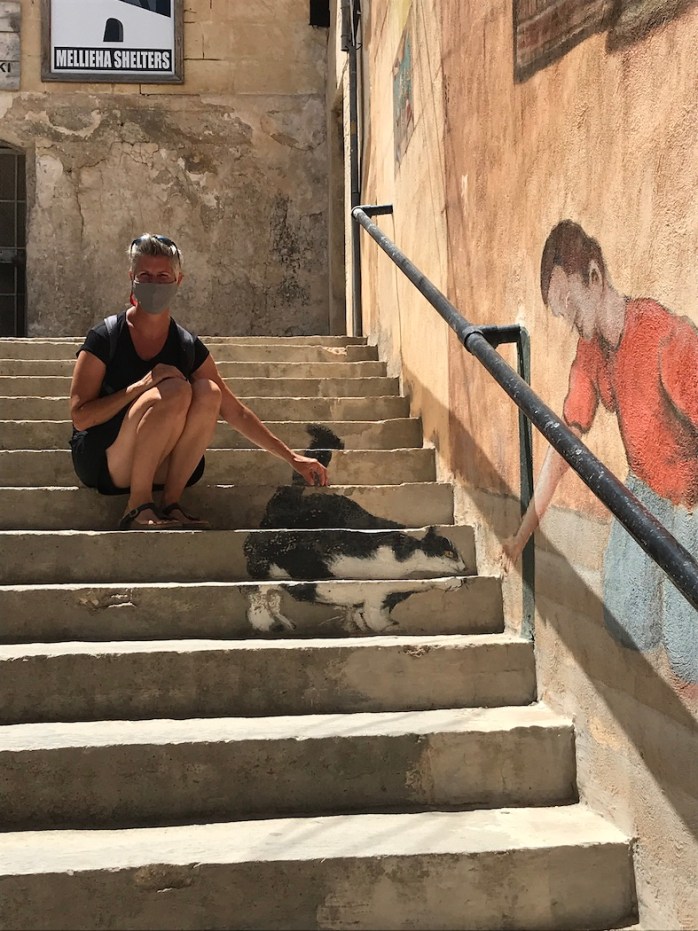
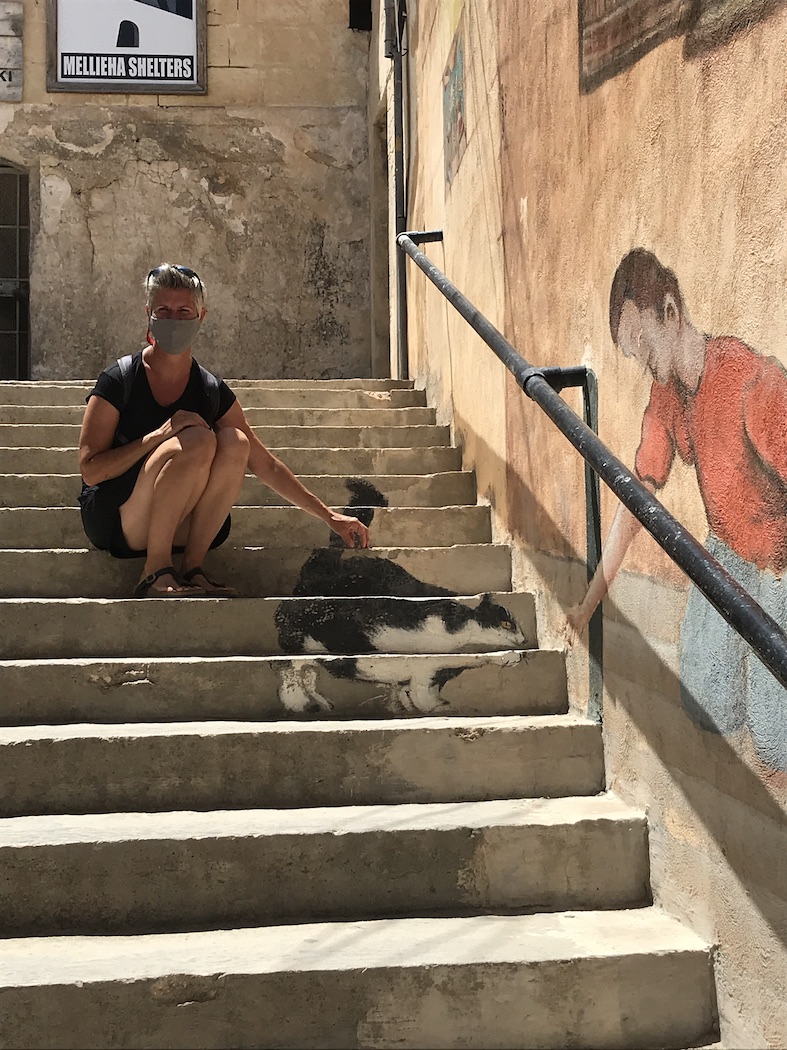
Yolene with some funky street art in Mellieha Bay 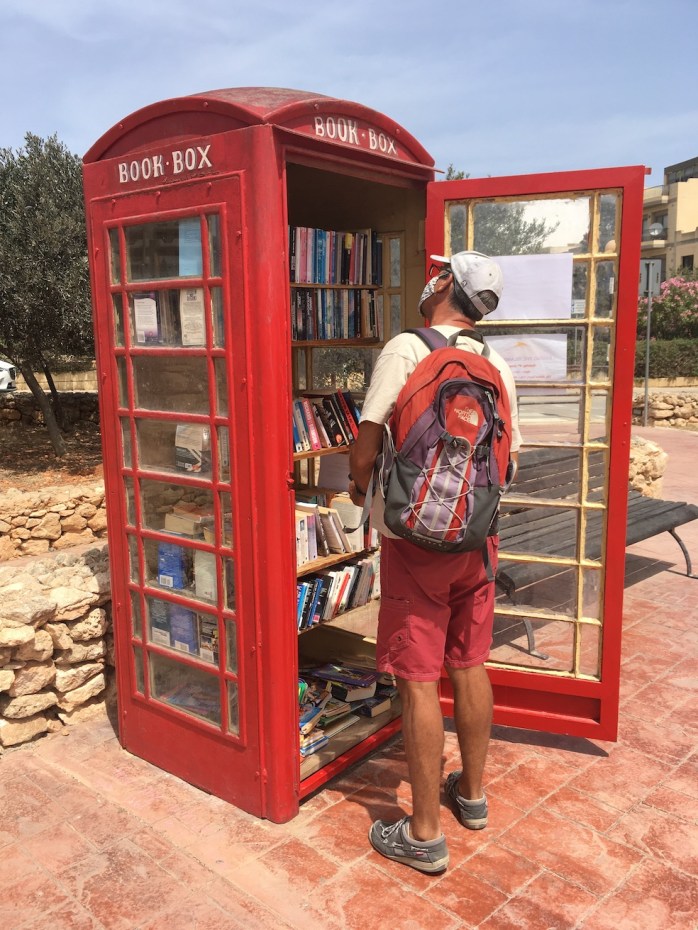
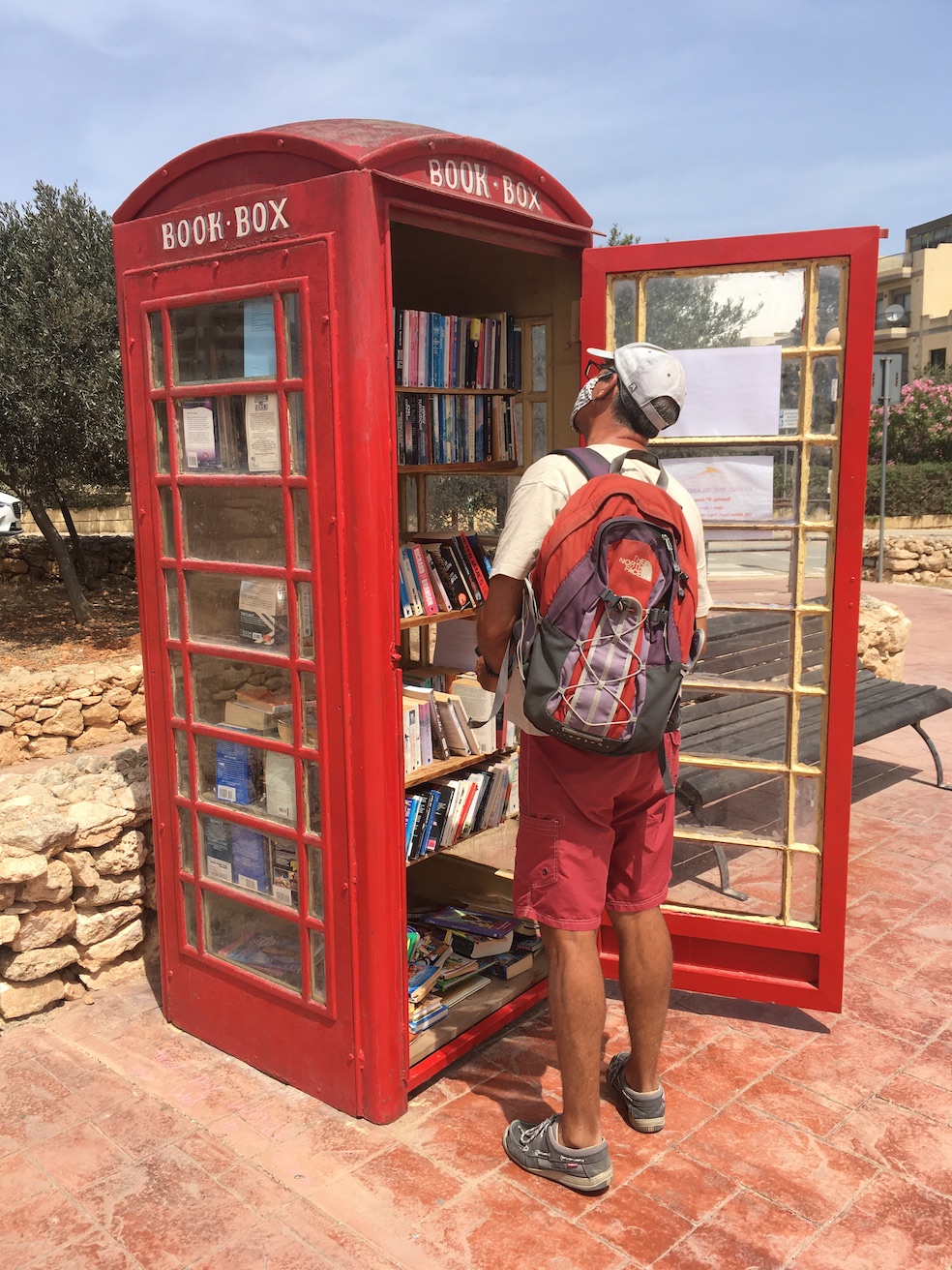
The Mellieha Bay Book Box – we are frequent visitors 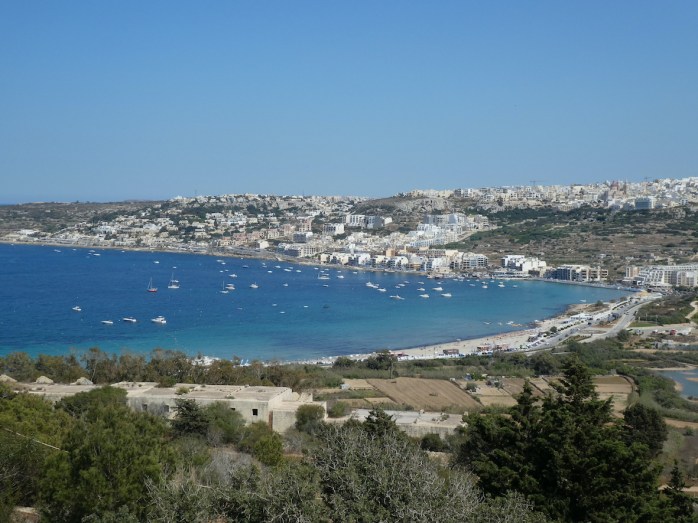
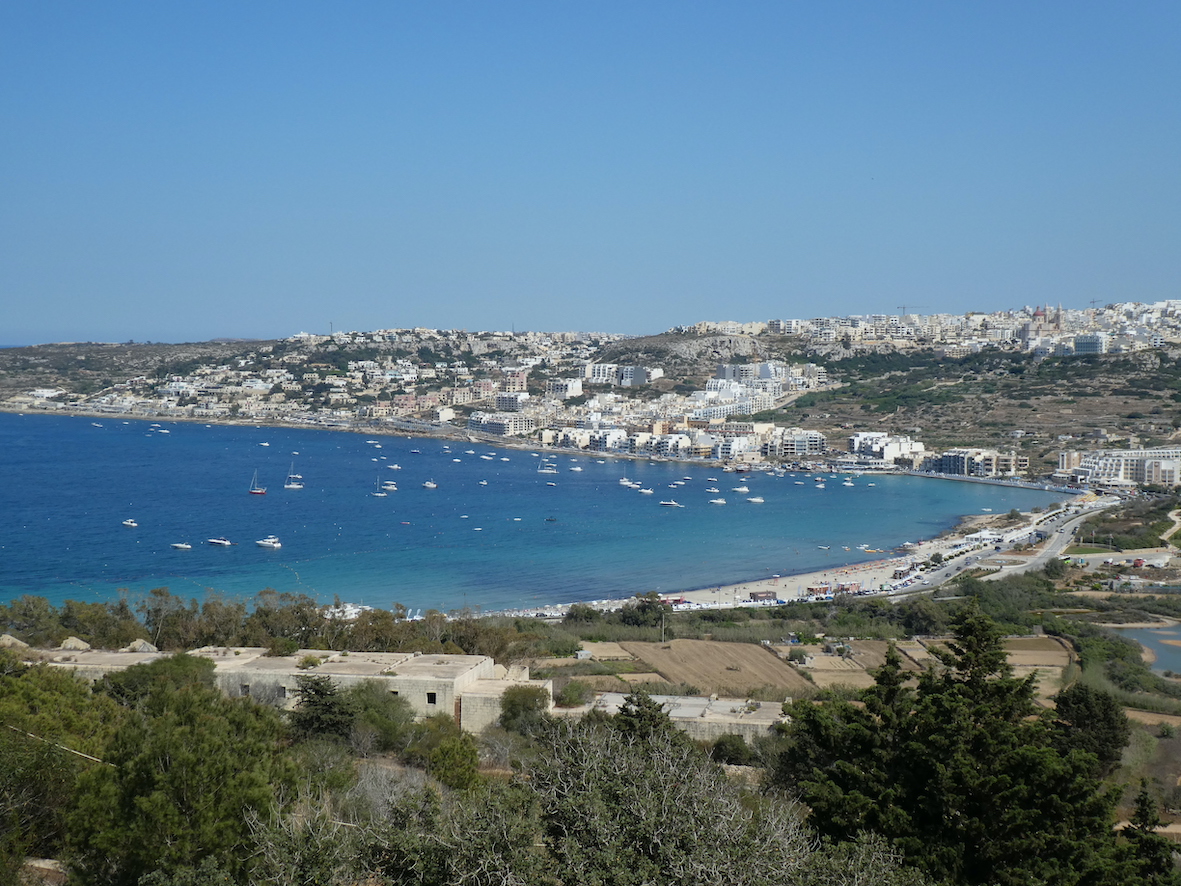
Mellieha Bay looking down from the Red Tower
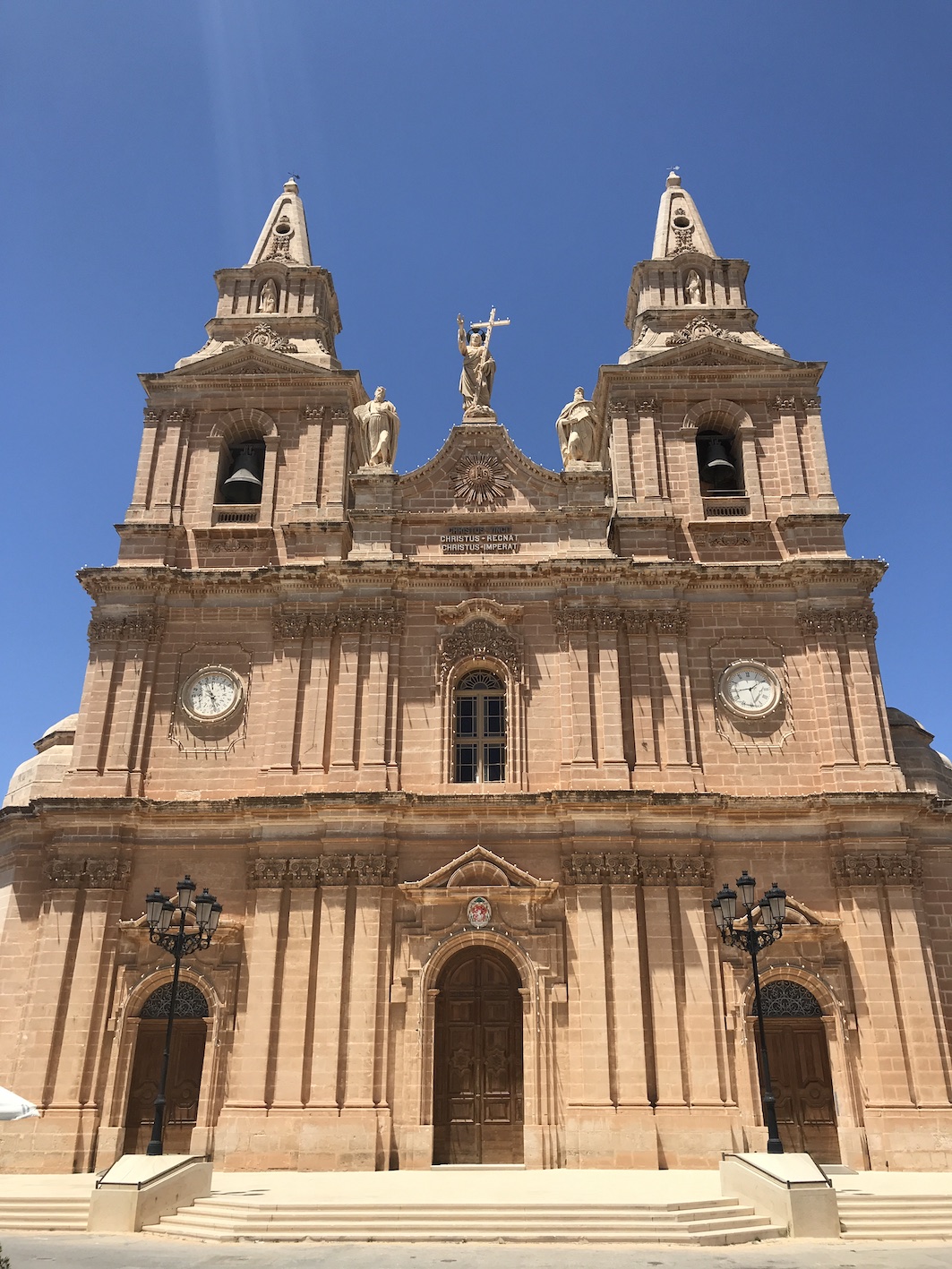
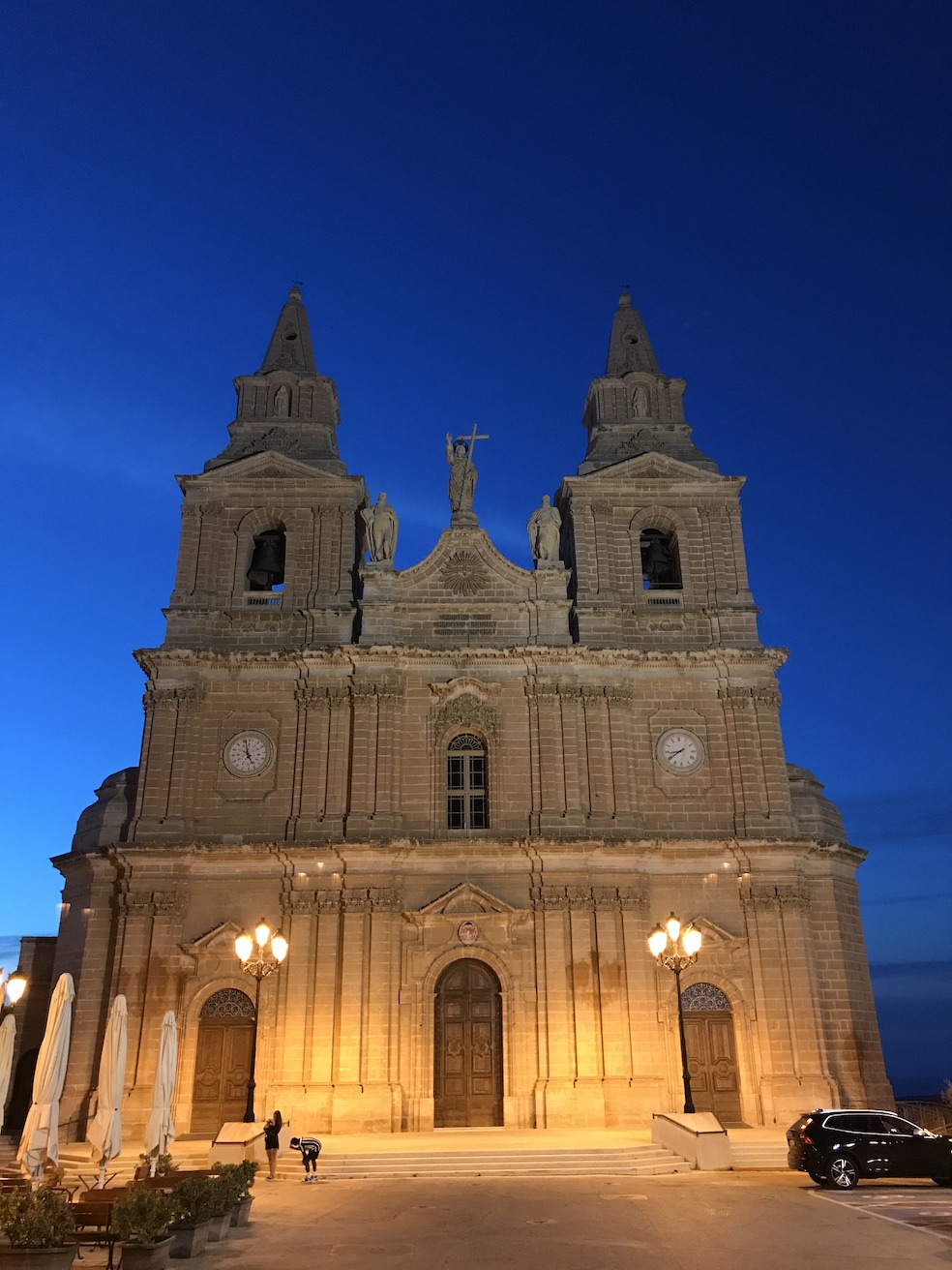
On the walk to the supermarket we passed the magnificent Church of Our Lady of Victory. During our short time in Malta we have to come understand that religion forms a great part of the islands history with many many grand churches and many Saints and shrines and religious inspired names, even religious statues on the beaches. The church here which is believed to have been blessed by St Paul himself was adorned with thousands of light bulbs which inspired us to take a walk back a few nights later to see it lit up, but after waiting for nightfall we were told by a local walking past that they only turn the lights on during fiesta.
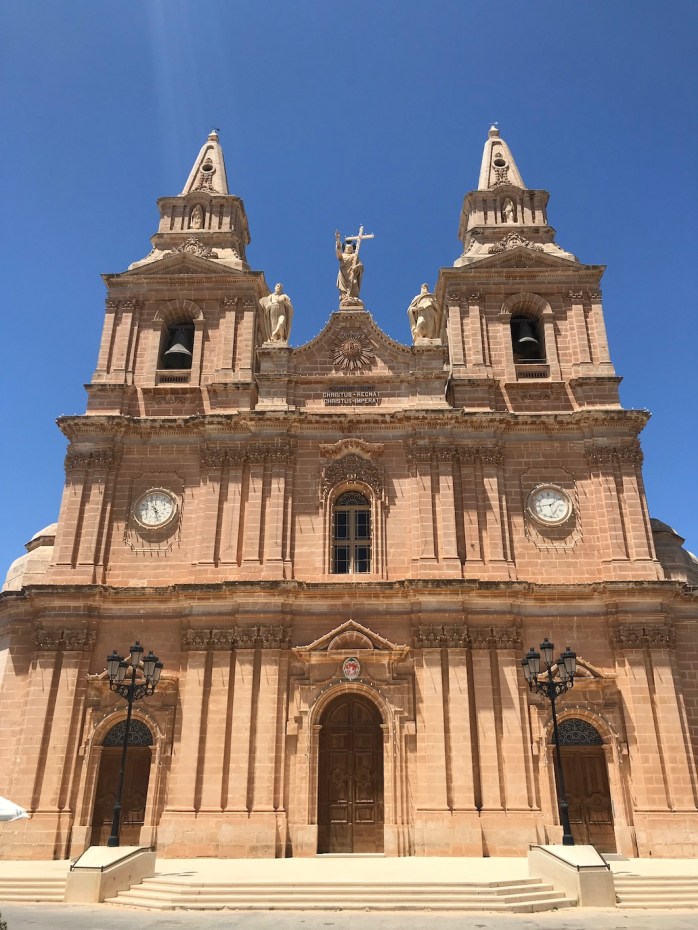
Day 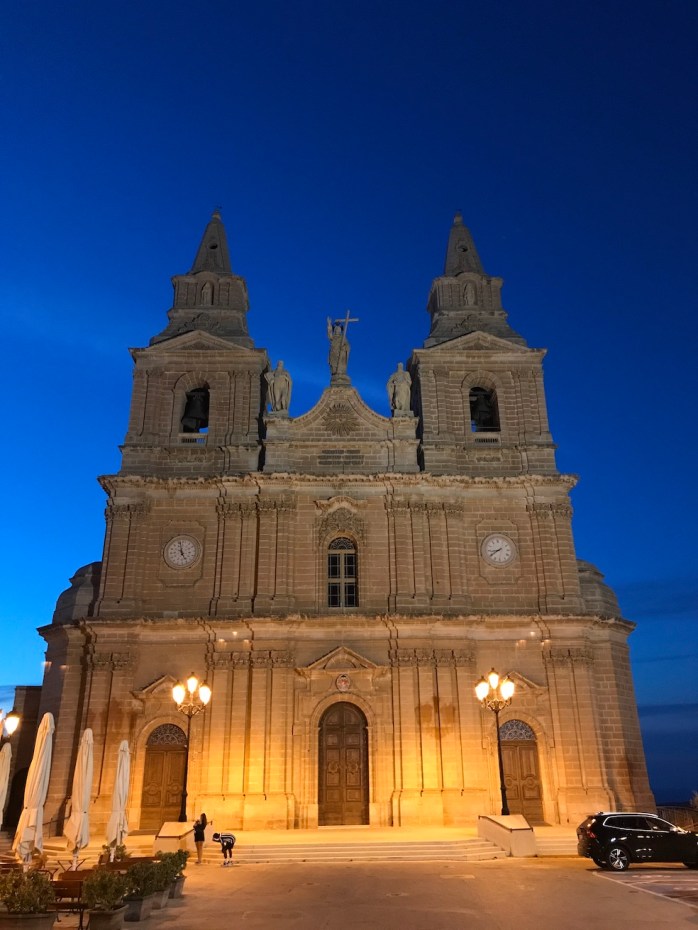
Night 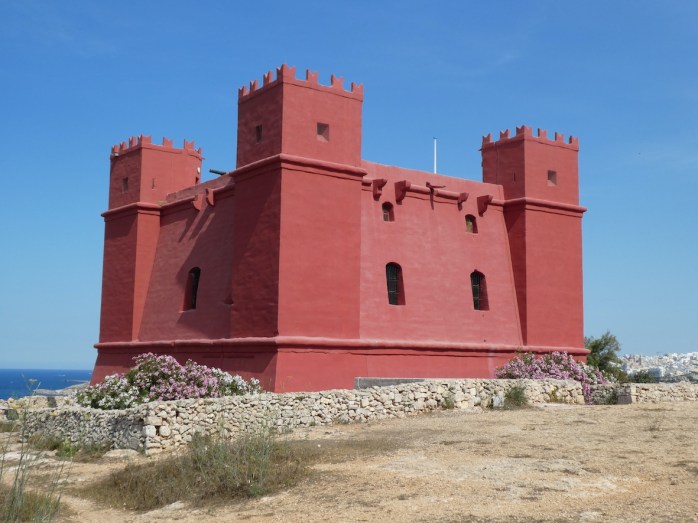
Red Tower with 4.5 meter thick walls that used to house 49 men
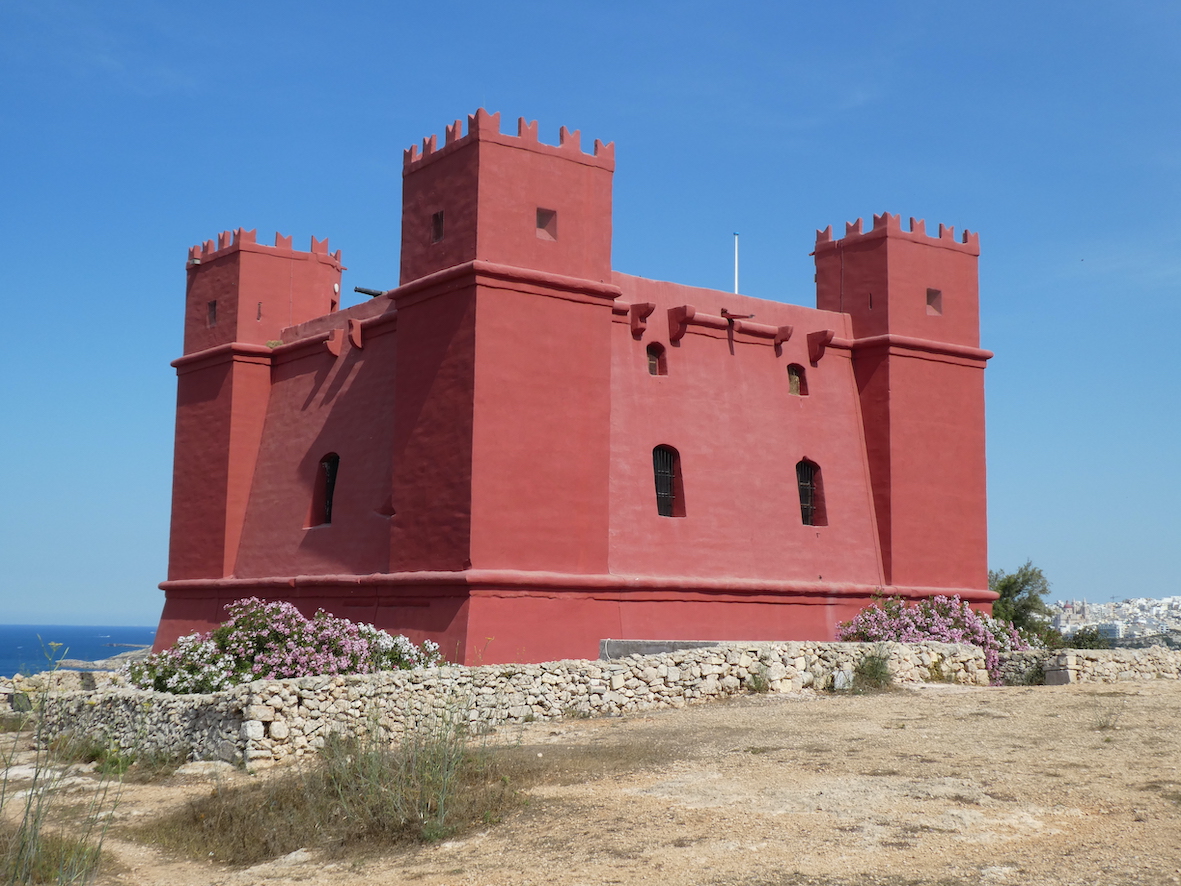
We also visited the Red Tower, which is one of the 13 towers which run from north to south across the entire country (three islands) which formed part of the country’s defence strategy. The Red Tower is impressive with walls nearly 4.5 meters thick sitting high on the north end of the island in direct sight to the tower on Comino island which we had previously visited.
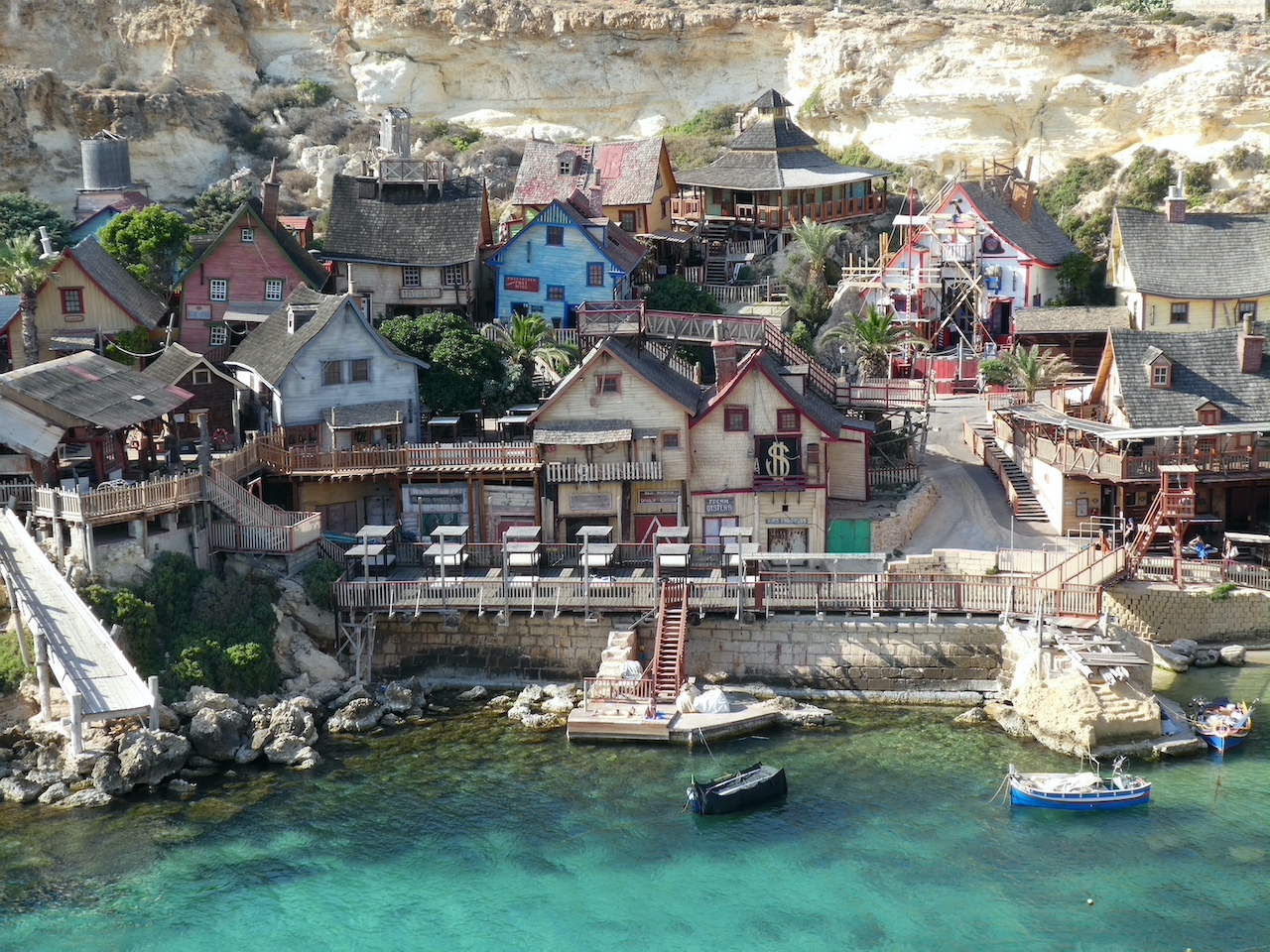
A short 30 minute walk from the east anchorage takes you across to the western bay of Anchor Bay where Popeye the Sailor Mans Village is located. It is a purpose built film set for the 1980 Popeye Movie (based on the earlier cartoons) staring Robin Williams. It took 165 workers 7 months to build the village consisting of 19 wooden buildings and the filming of the movie took just 4 months! It is now converted into a small attraction fun park. (Being cheap we didn’t go in but enjoyed the view from the road and even got a picture of Popeye himself!)
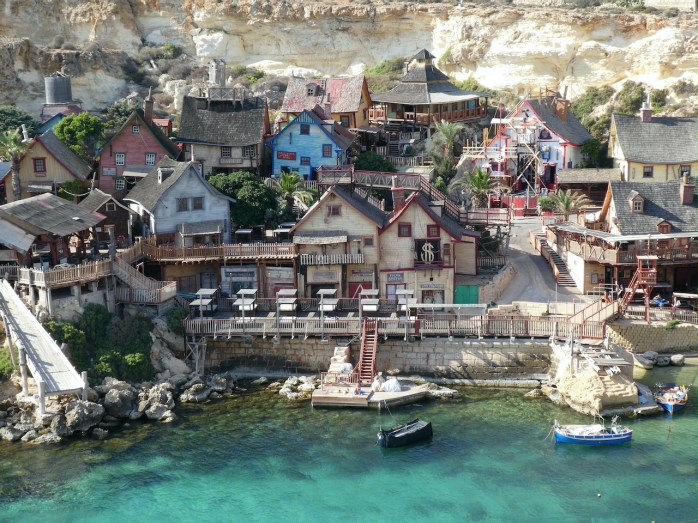
Popeye Village of Sweethaven
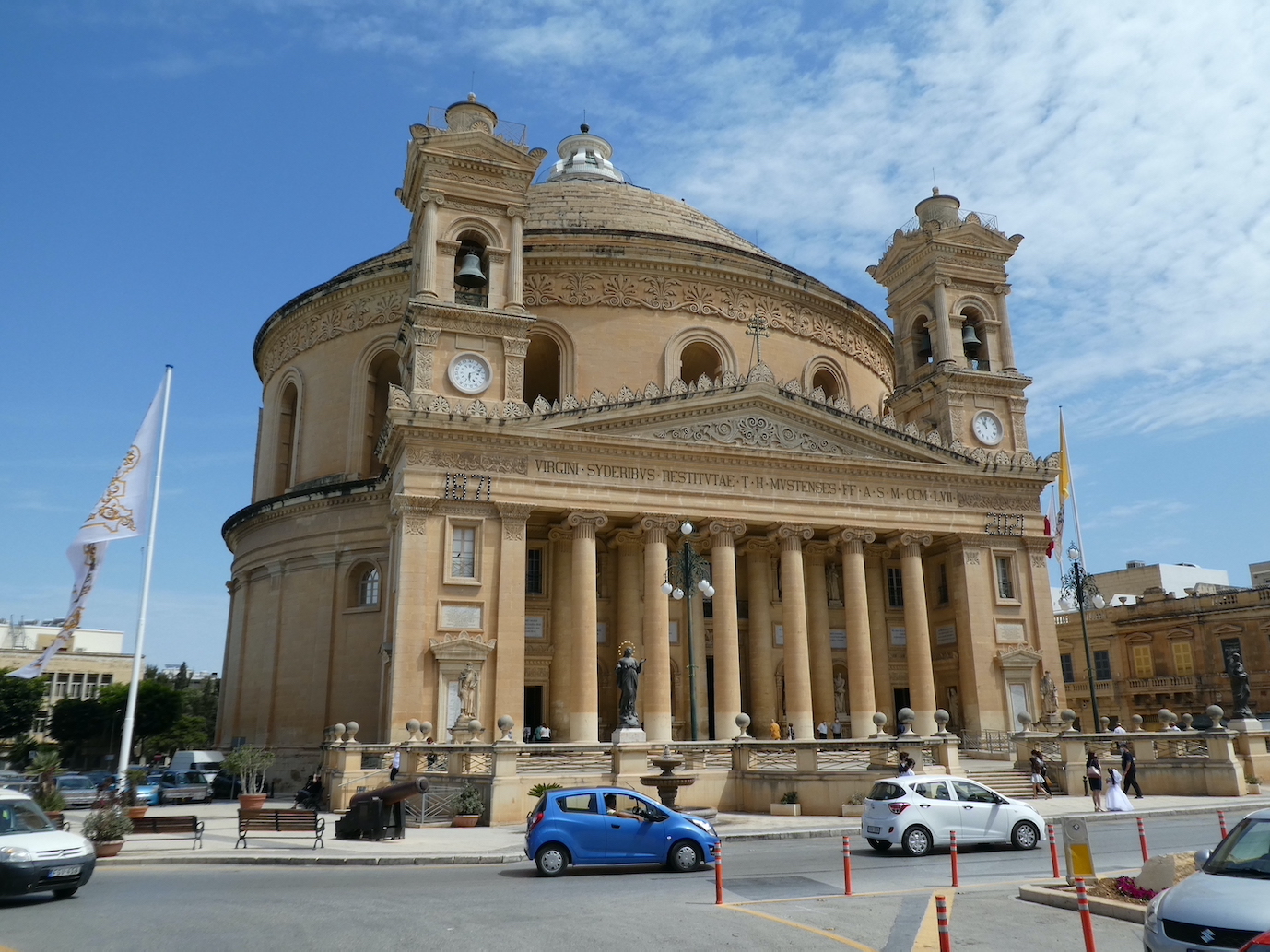
We scored a bonus on a day outing to Rabat, we had to change buses mid journey at Mosta which was a great surprise as the bus stop is right outside the Mosta Dome (The Parish Church of Santa Maria). This magnificent building was constructed between 1833 and 1860 using funds raised locally. The church is also famous as being the miracle of Mosta, as on the 9th June 1942 during World War II, while 300 parishioners were inside three enemy bombs struck Mosta Dome. Two bounced off and landed in the square without exploding. The third pierced the dome, smashed off a wall and rolled across the floor of the church. Miraculously, no one was hurt and the bomb failed to detonate. A replica of the bomb remains in the church sacristy next to the alter.

Mosta Dome – The Place of the Miracle of Mosta 
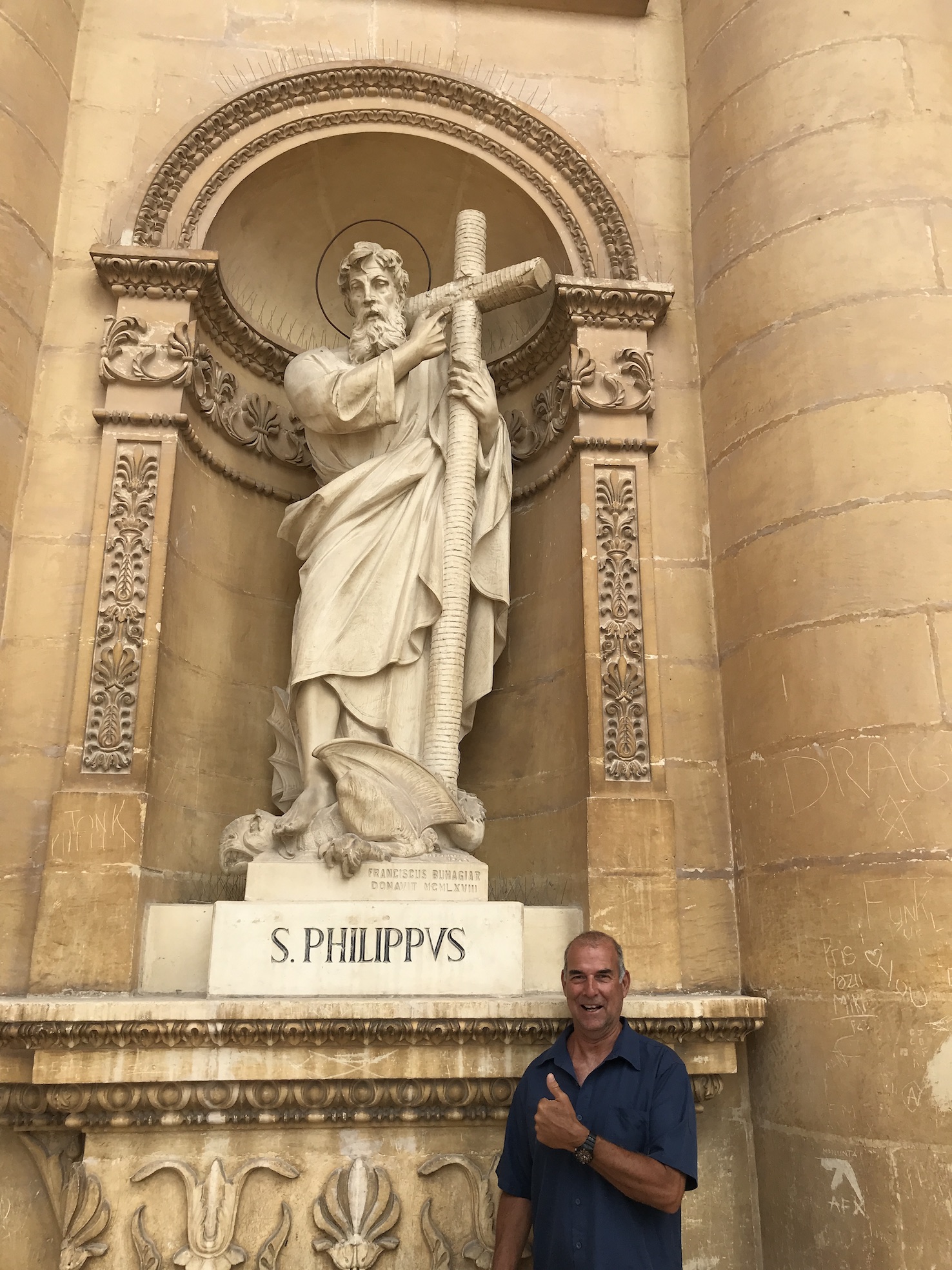
Outside Mosta Dome. I am often reminded (by himself) that he is a Saint, a Diciple and had a seat at the Big Table!
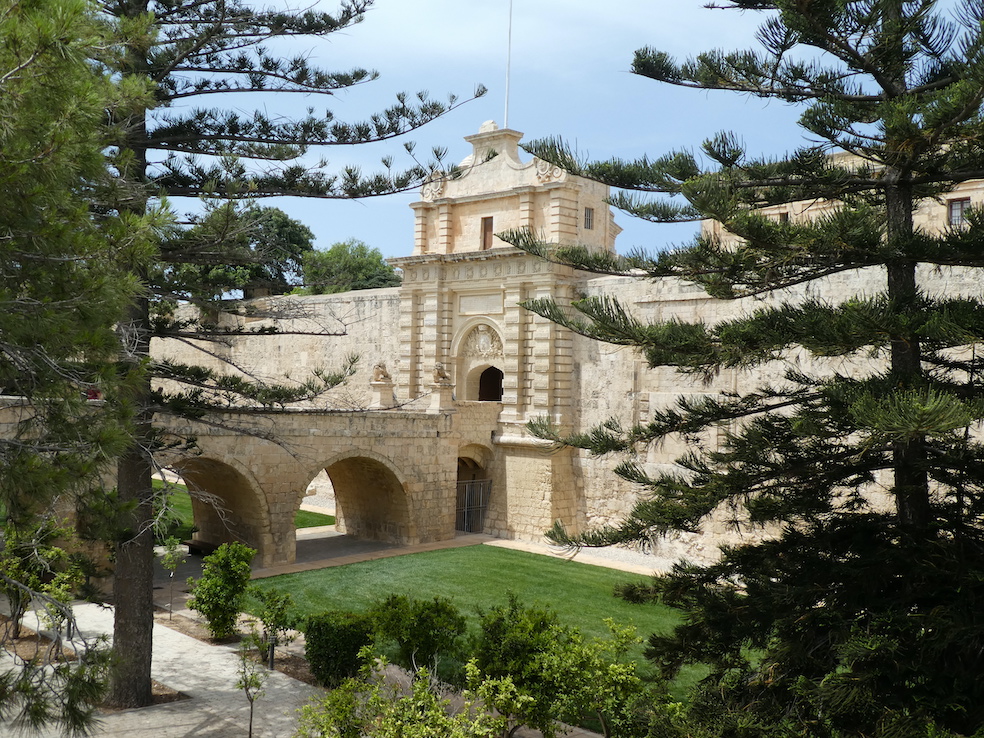
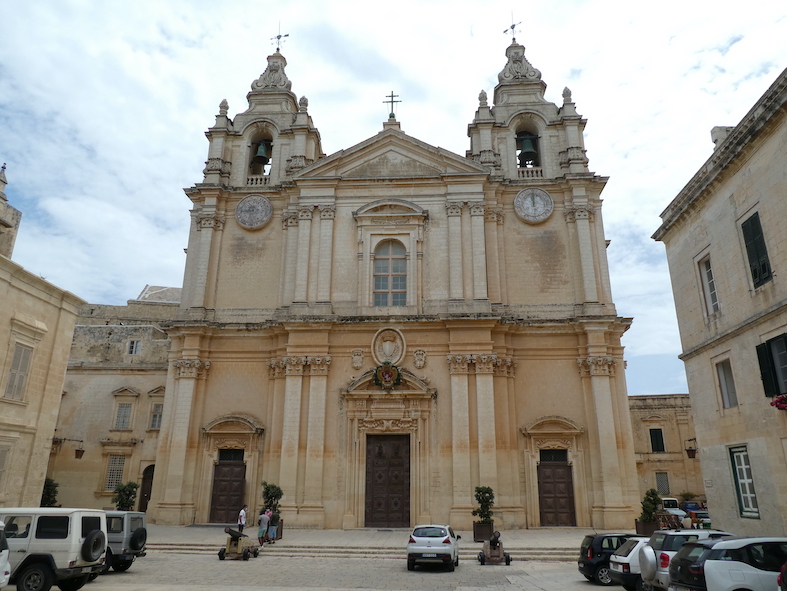
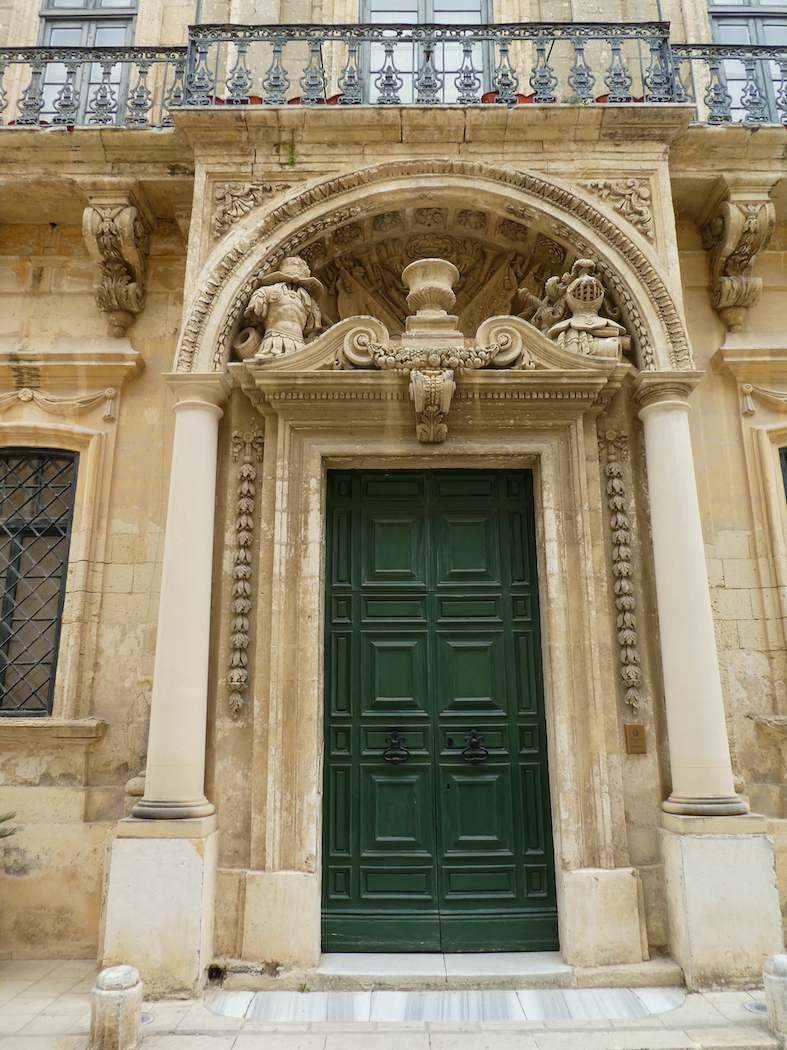
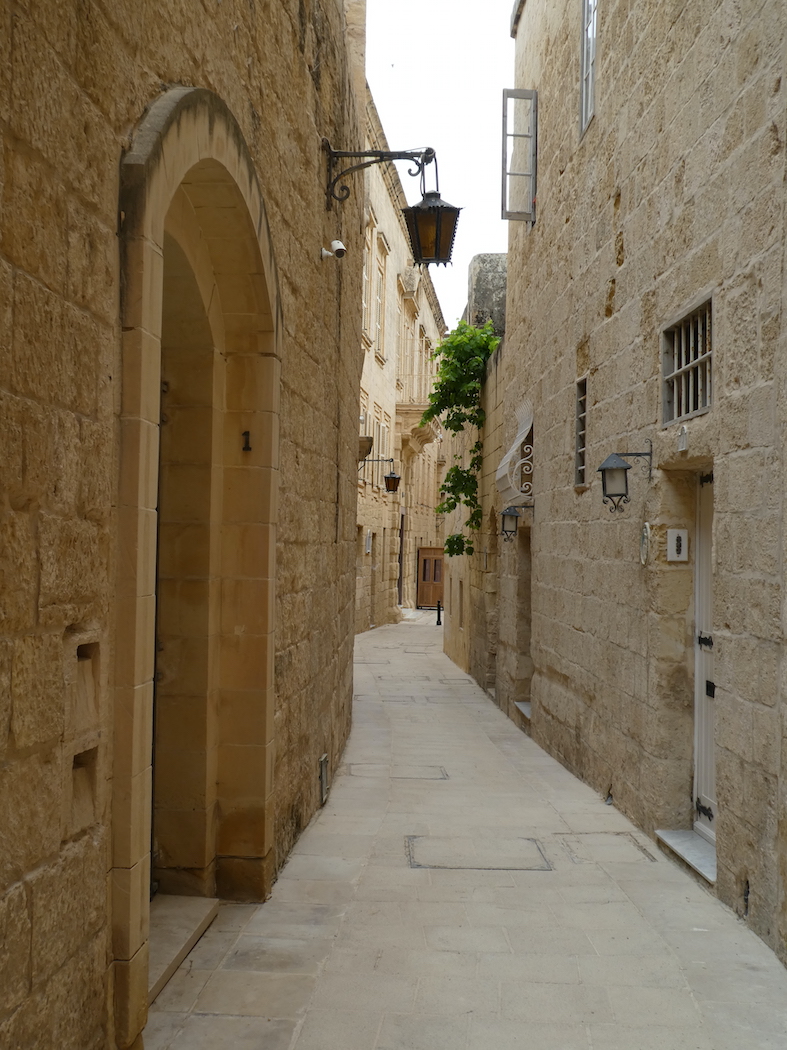
We continued on to visit the golden stone walled city of Mdina also known as the silent city. The citadel of Mdina was fortified from as long ago as 1000 BC. We thoroughly enjoyed this beautiful place and again felt very lucky that we only had to share it with a handful of other people (the upside of Covid). We spent the day wandering the beautiful streets, admiring the wonderful architecture and peacefulness. We also found a lovely mulberry tree to snack on!
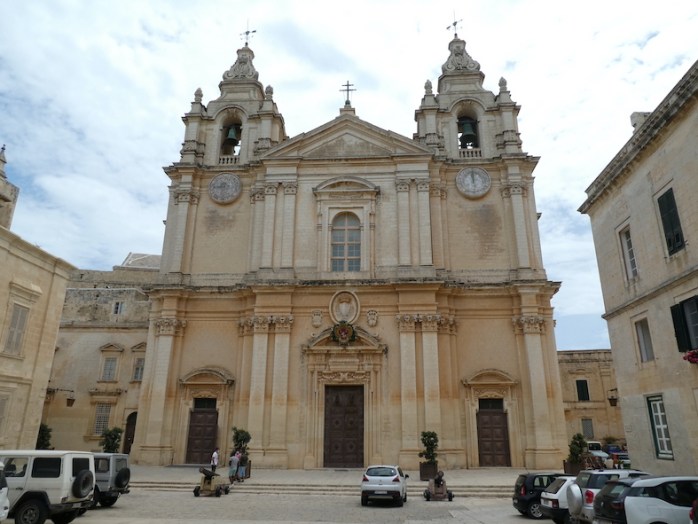
Mdina 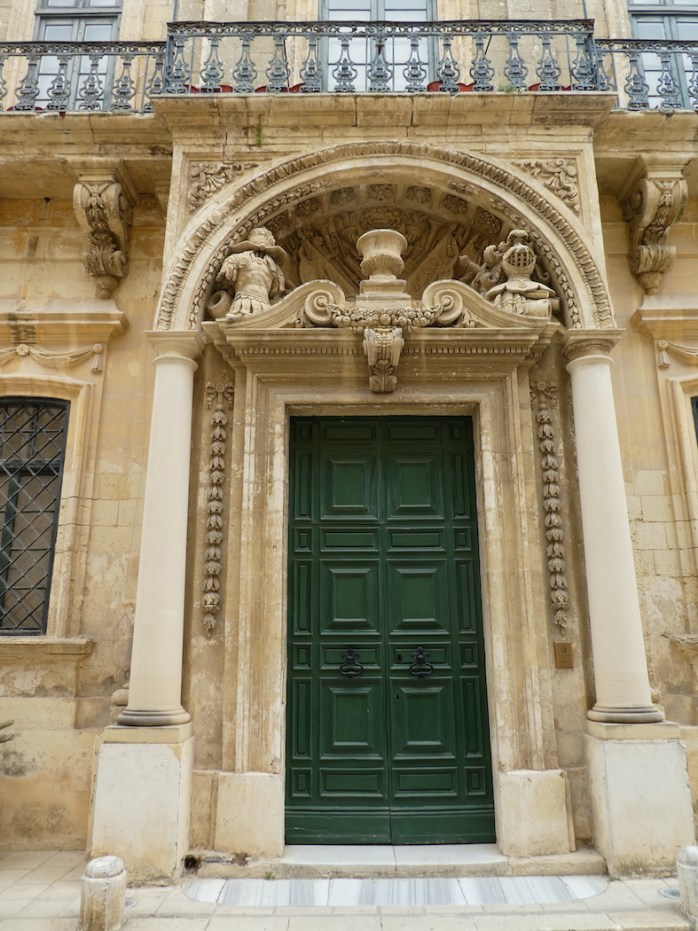
Mdina Doors 
Picking Mulberries 
Mdina Streets 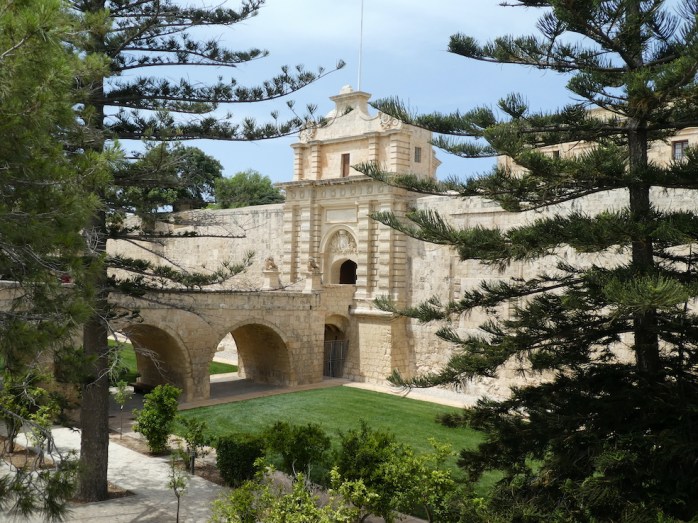
Entrance Gate and Moat into the Walled City of Mdina

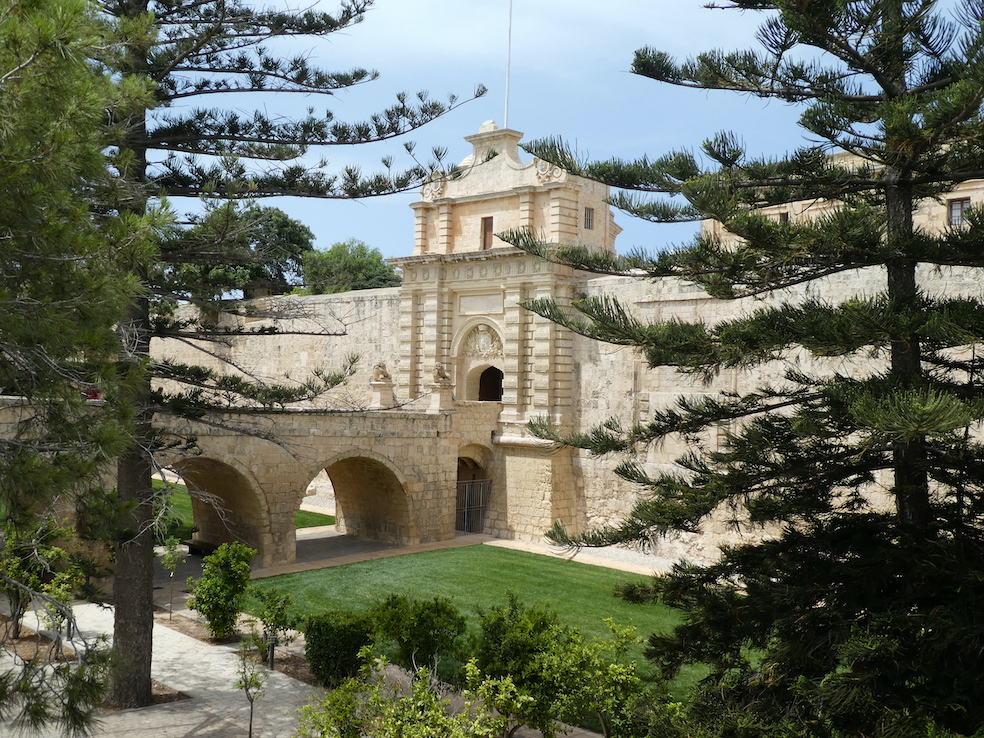
Afterwards we also visited the Rabat Catacombs dating from the third century and used for burials for around 500 years.
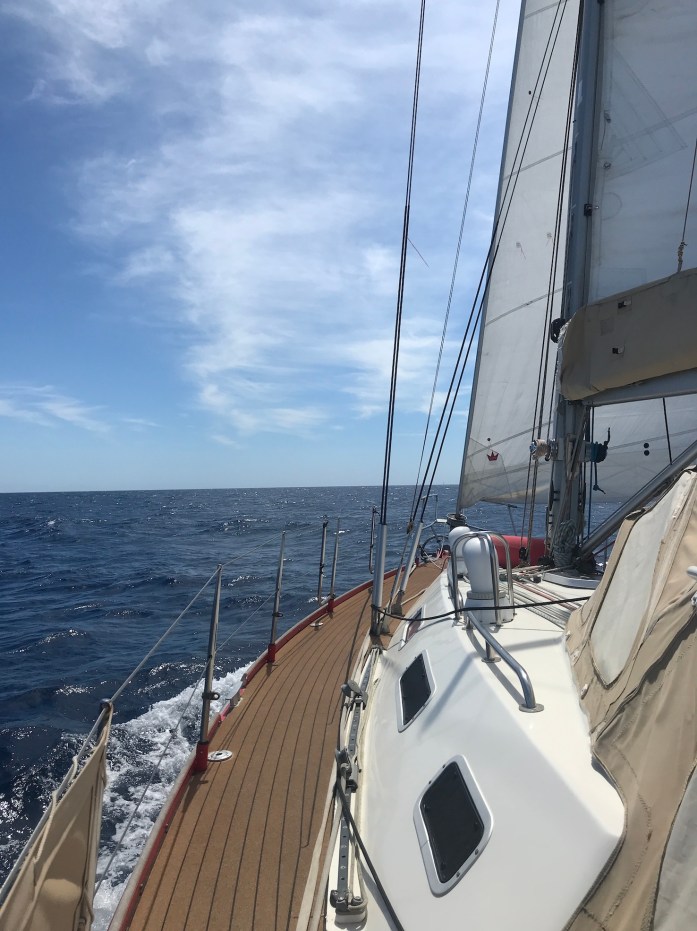
Sailing South 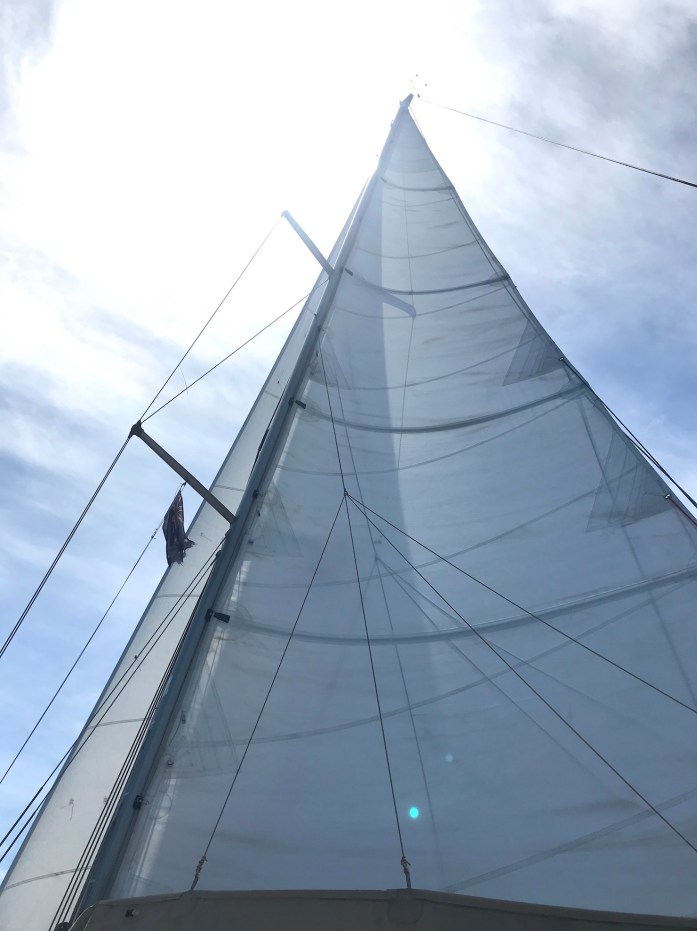
Main Sail in Action
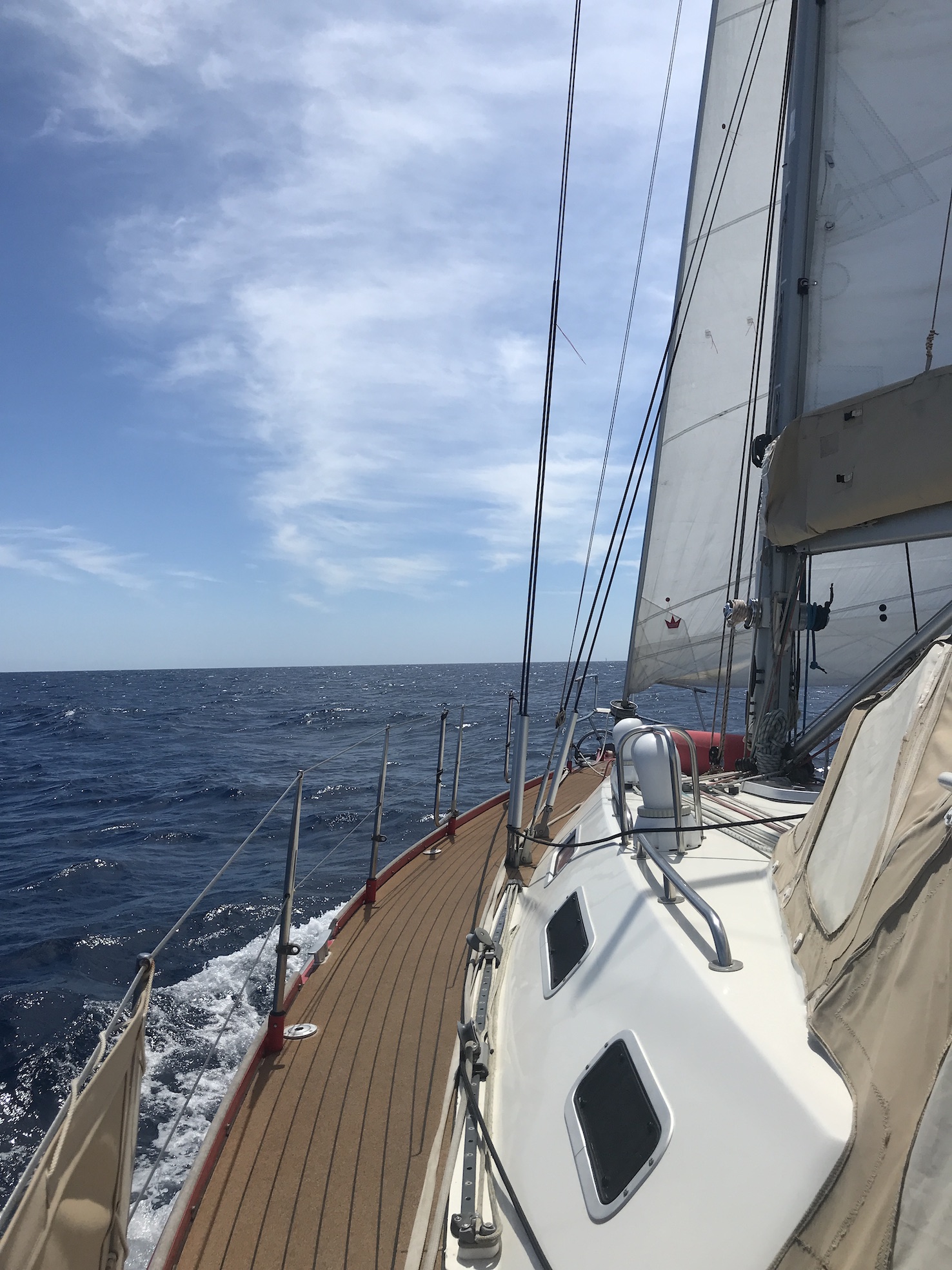
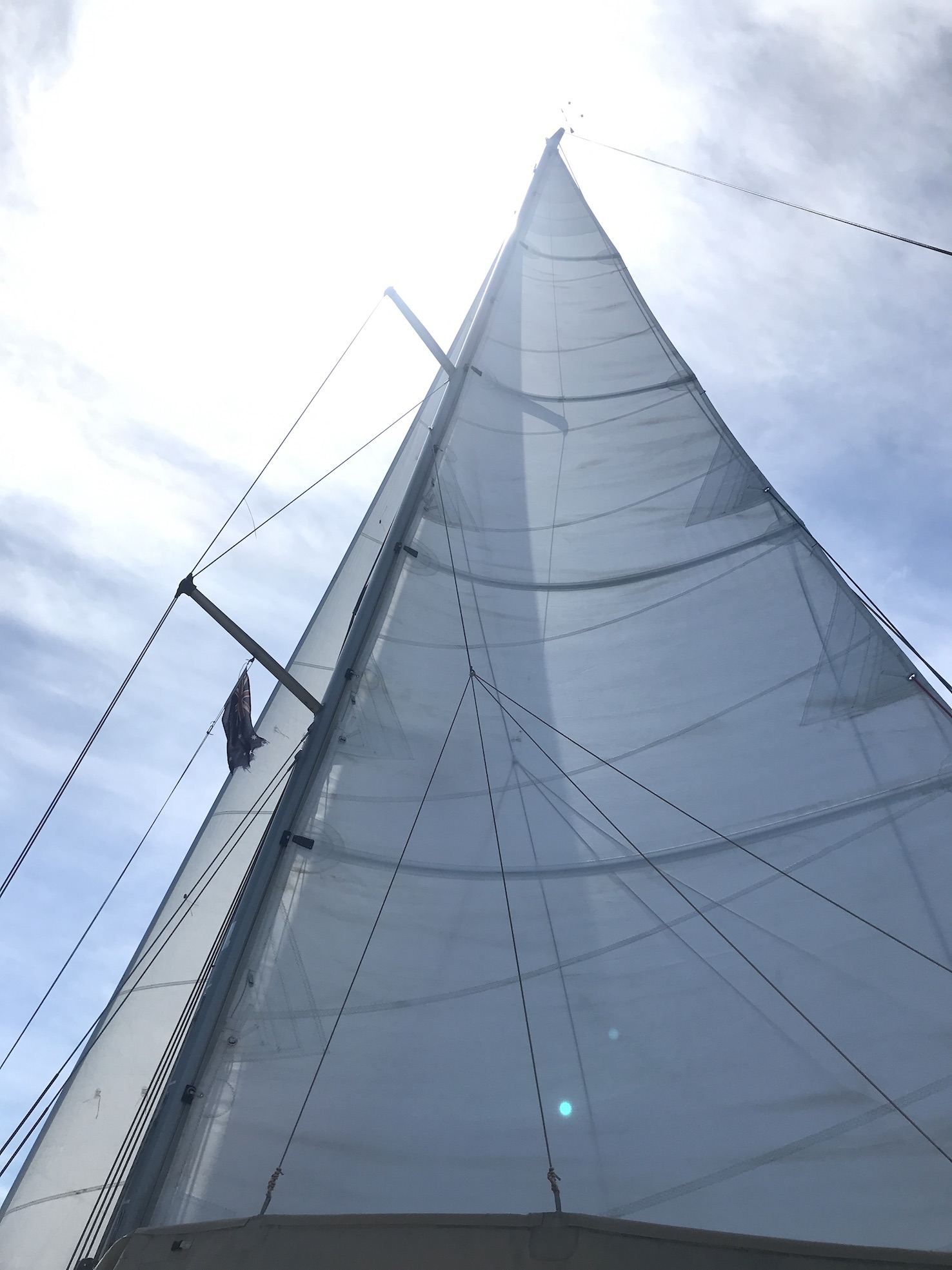
Our next stop involved a change of anchorages and we spent a lovely few hours on the water sailing 20 nautical miles from the northern end of the island to the southern end anchoring in Hofra Zghira just next to St Peters Pool. Perfect wind and glorious sunshine to sail down under main sail with the wind at our backs and travelling with the residual swell so calm waters.
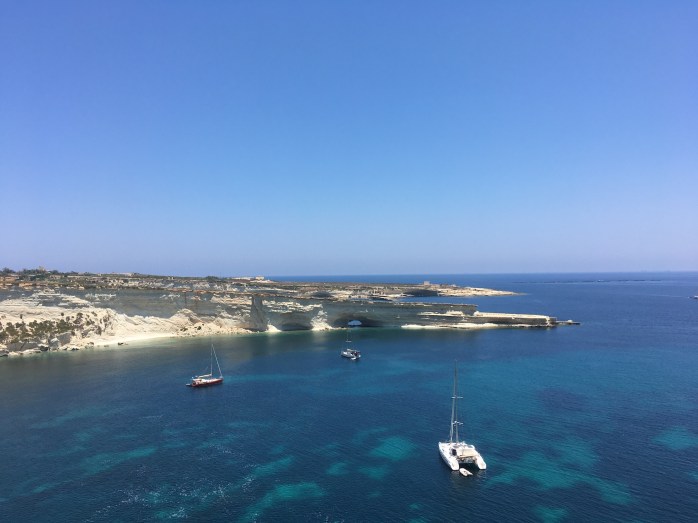
Red Roo, Caffe Latte & Sweetie all anchored in Hofra Zghira Bay next to St Peters Pool
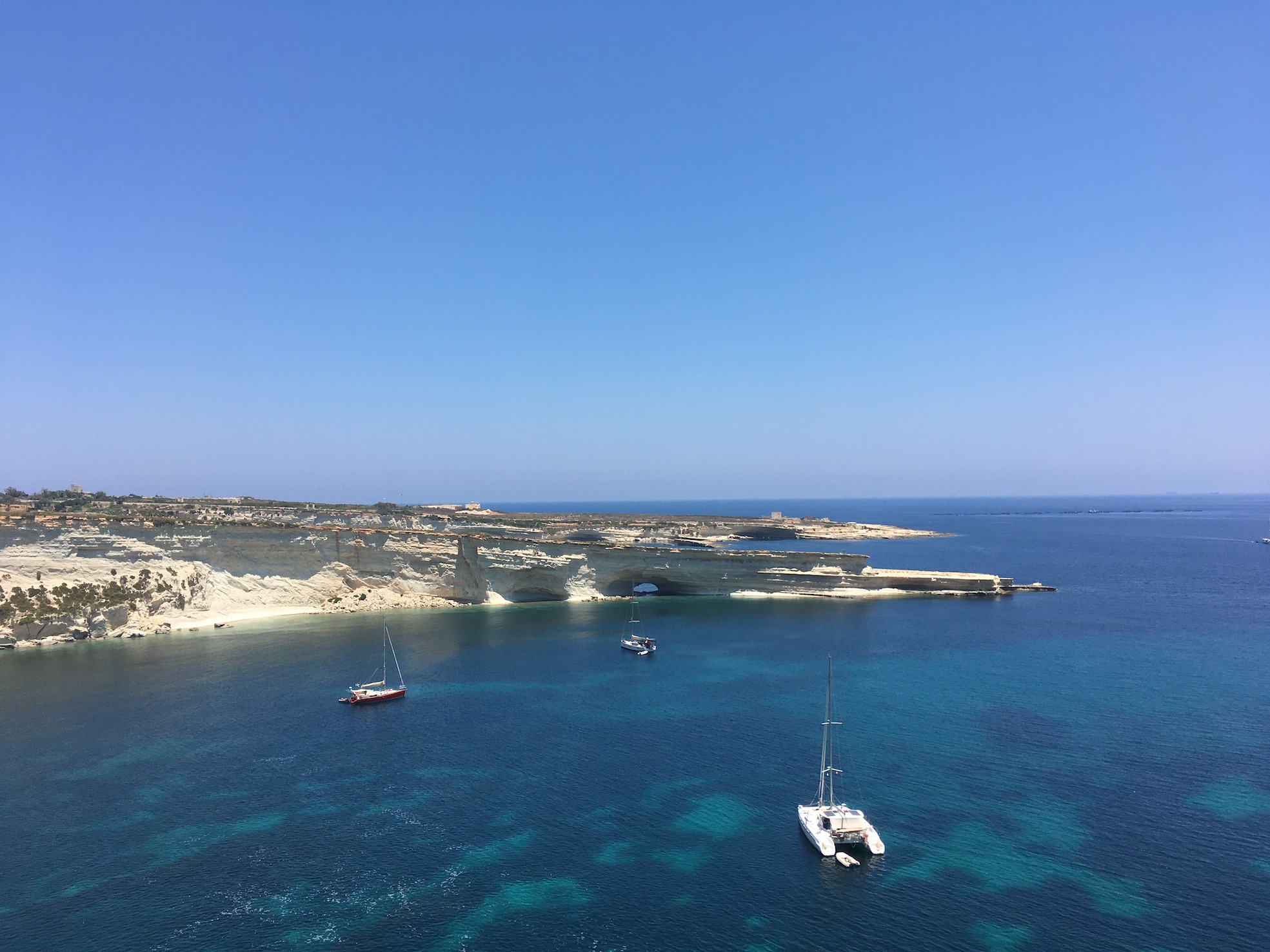
Arriving at the anchorage was breathtaking, high sandstone cliffs surrounding a gorgeous pool of aqua blue water, it took about 3 minutes for us to get in the water after we had anchored and packed up the boat from sailing. We stayed almost a week and you wouldn’t believe the difference between the week days and weekend. During our first three days (weekdays) there were just three yachts anchored in the bay, on the weekend Phil counted 80 boats (big and small) all enjoying the location!! We were relieved when Sunday night rolled around and they all started heading out.

Enjoying the Anchorage Before the Weekend Crowds Arrive 
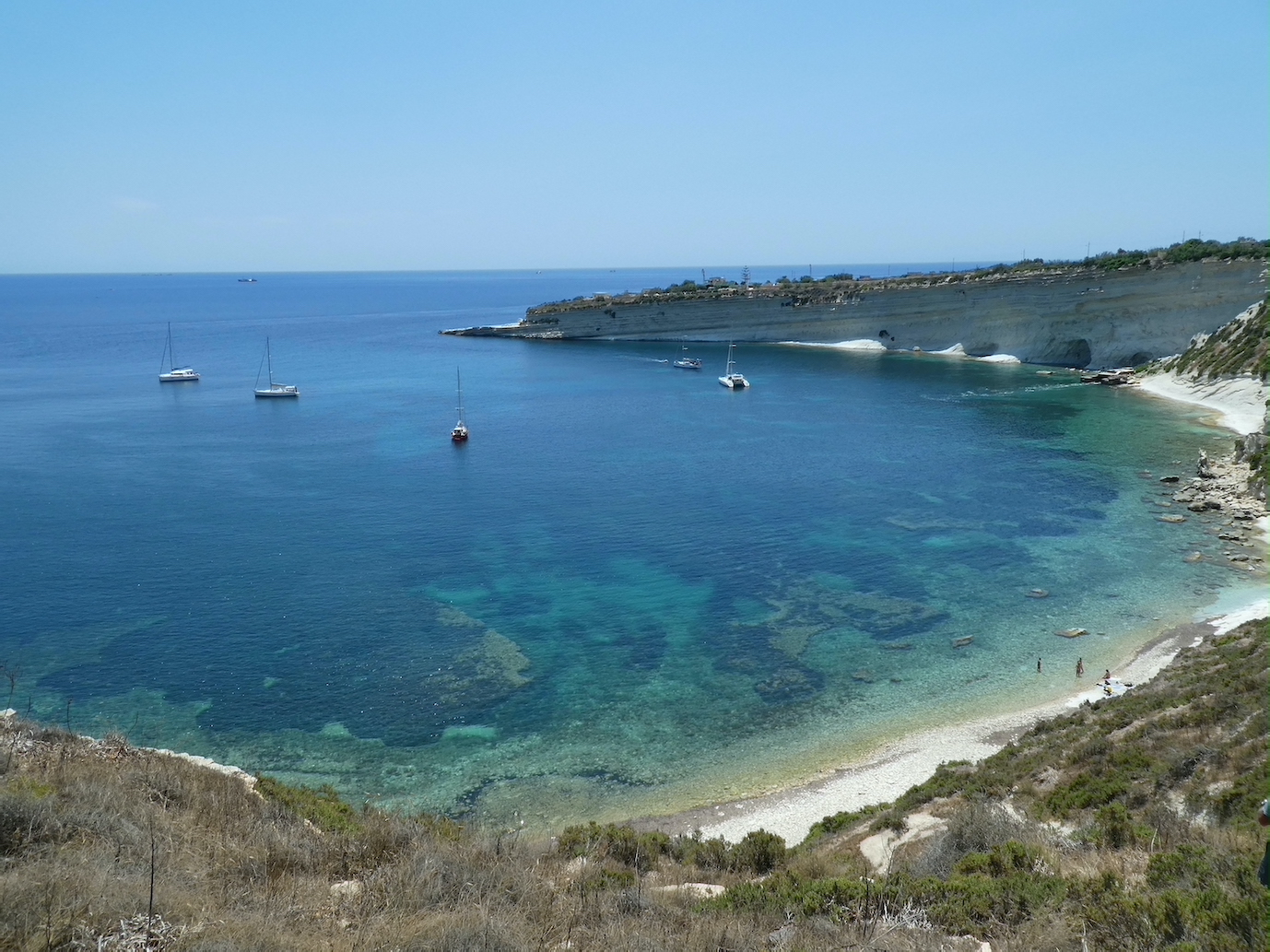
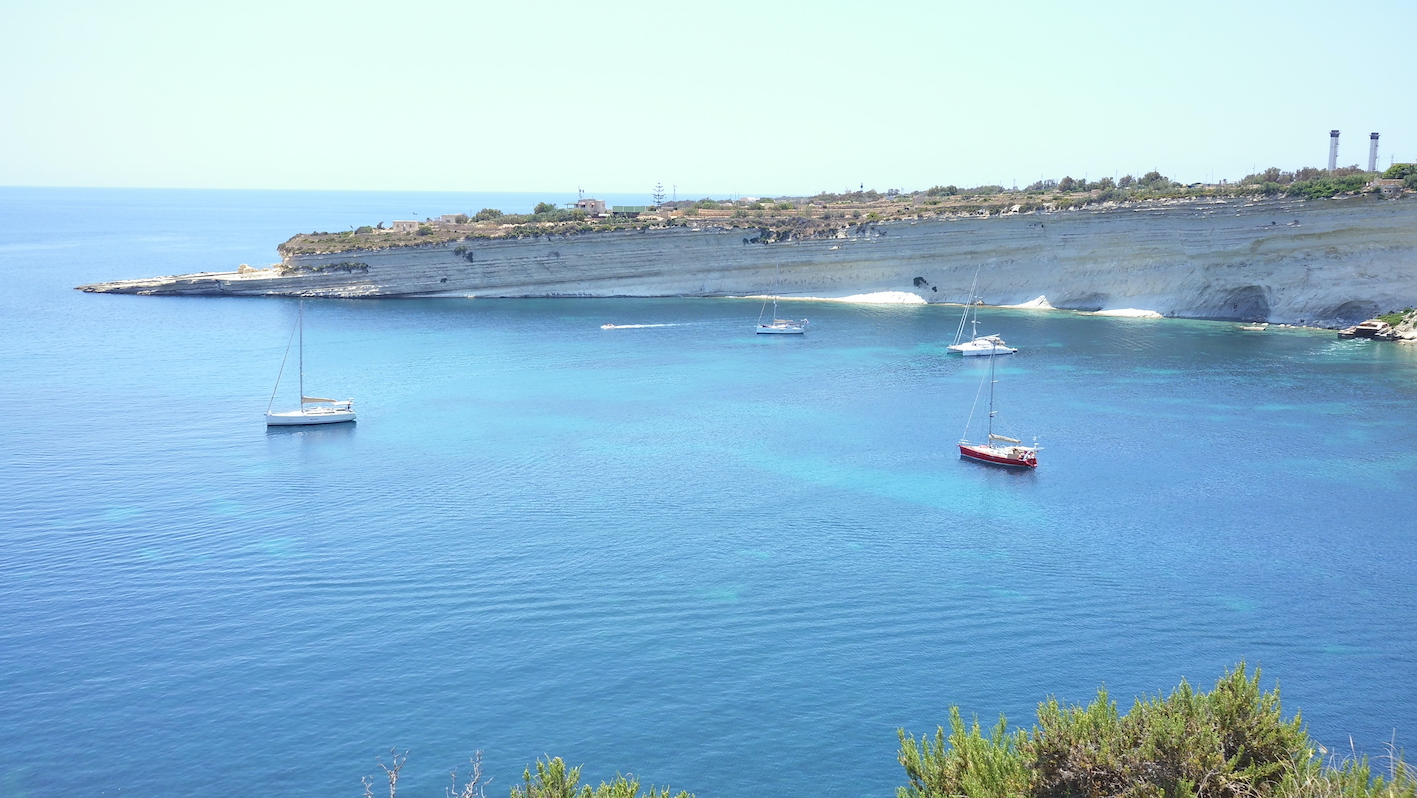
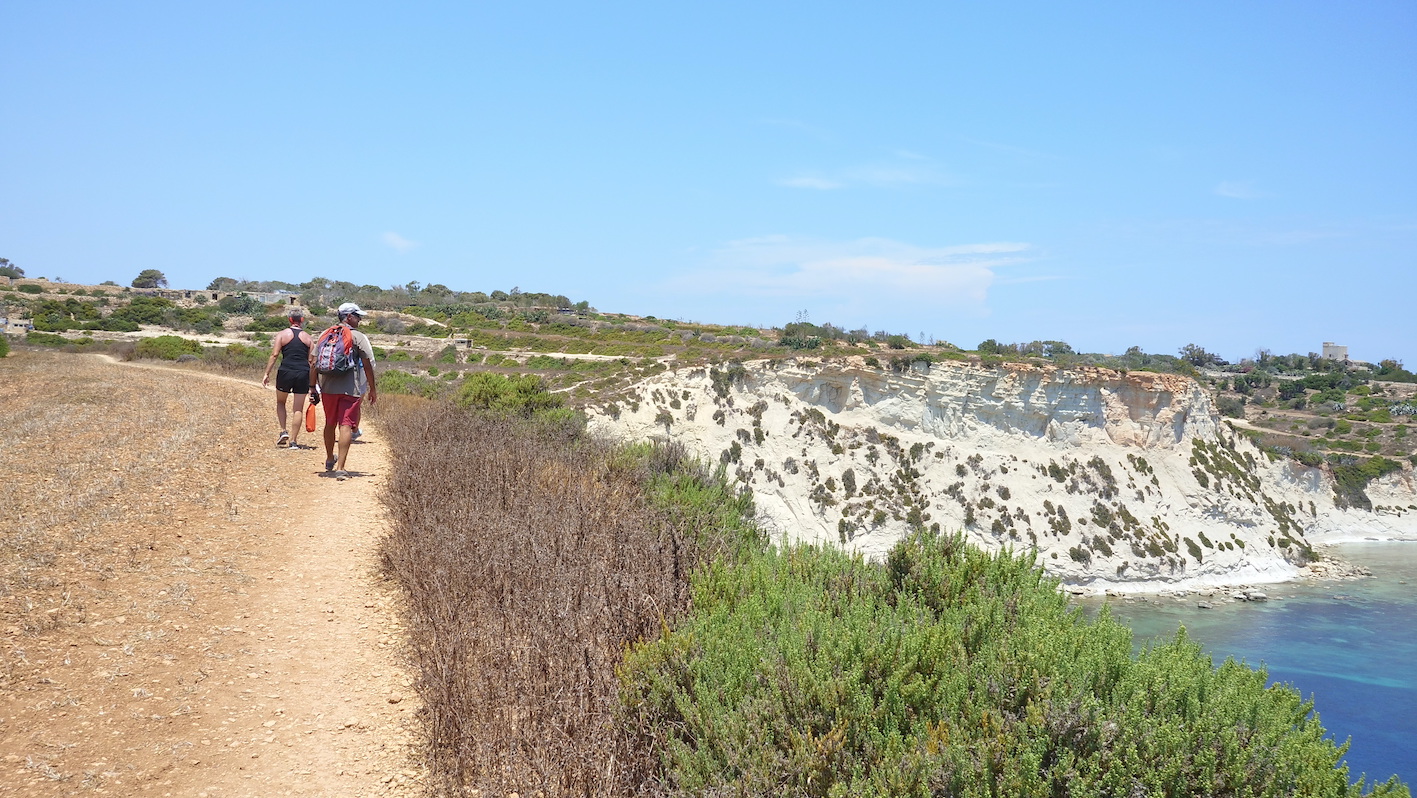
Whilst anchored here we walked the cliffs and around to the next town picking more capers for pickling from along the rock walls by the tracks.
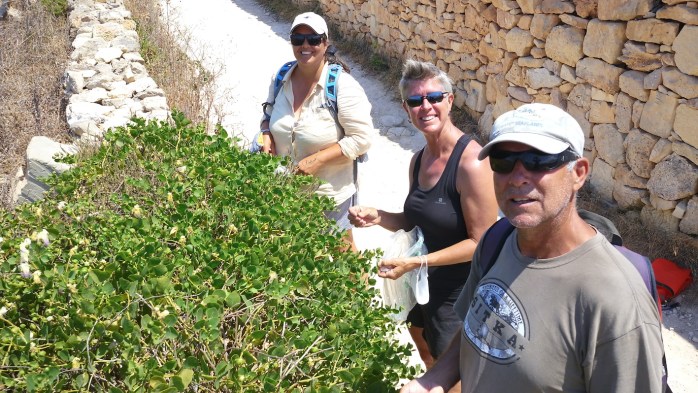
Picking Capers 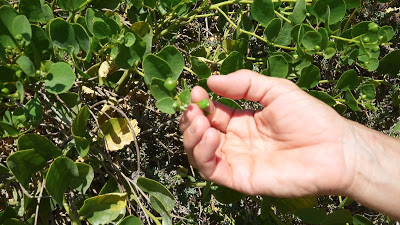
We take the small tasty ones 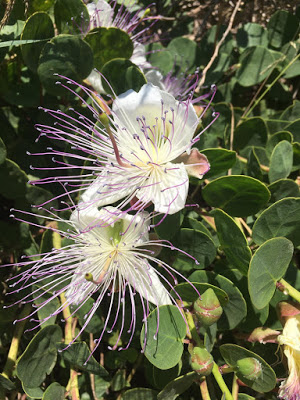
The Flower 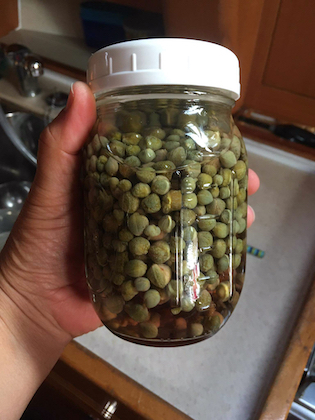
Pickling – Ready in 3 Days 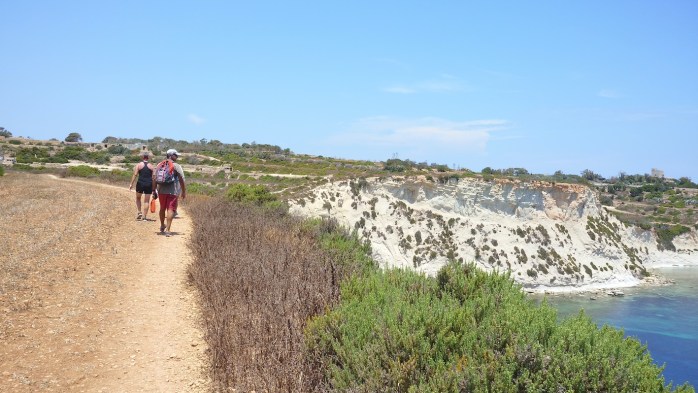
Walking the Cliffs

We also visited the fishing port of Marsaxlokk both on foot and again by dinghy for the Sunday market.

Marsaxlokk 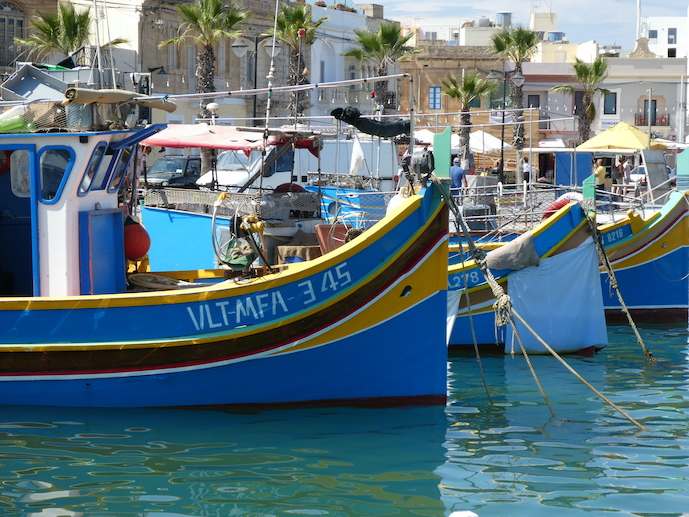
The Colourful Harbour Fishing Boats

Whilst on anchor over the last two weeks we had been continually working on our problems with the wind instrument and excess power issue. It is true what they say about yachts, it’s just fixing boat problems in remote beautiful locations. Phil made 3 trips up the mast at anchor in the last few days, and we had been in contact with specialist technicians from Valetta (Maltas Capital) and it is finally time to bite the bullet and get our money out to go into the marina and get them all dealt with.
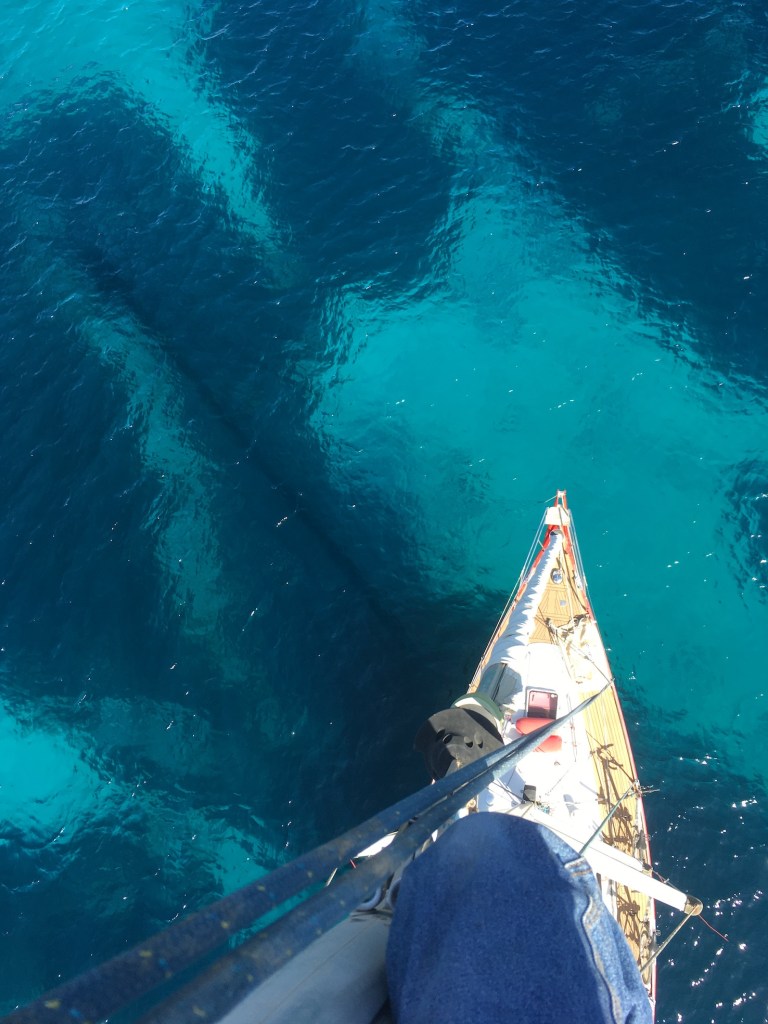
Phil looking down to the water 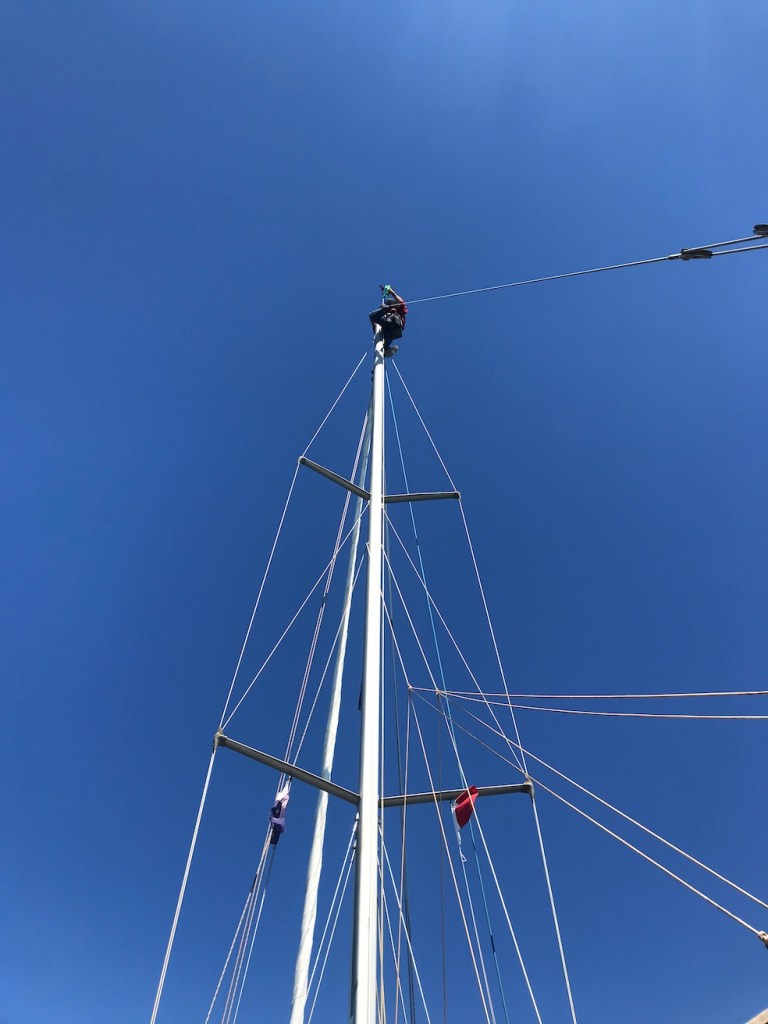
Maree looking up to Phil 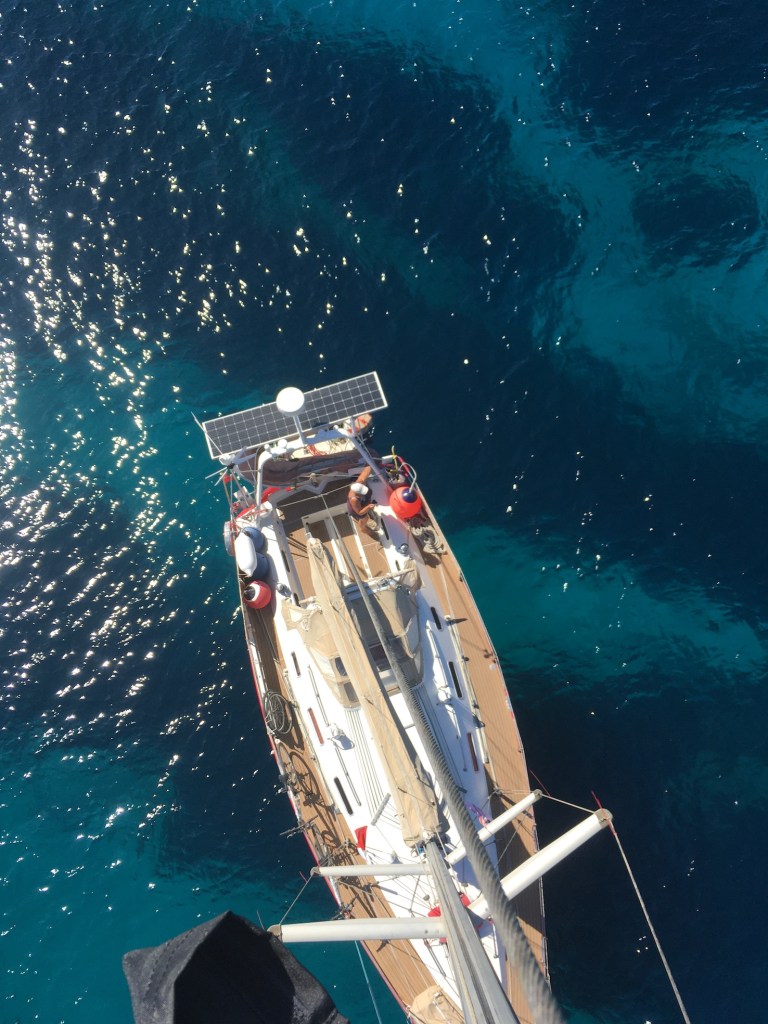
Maree holding Phil up the mast
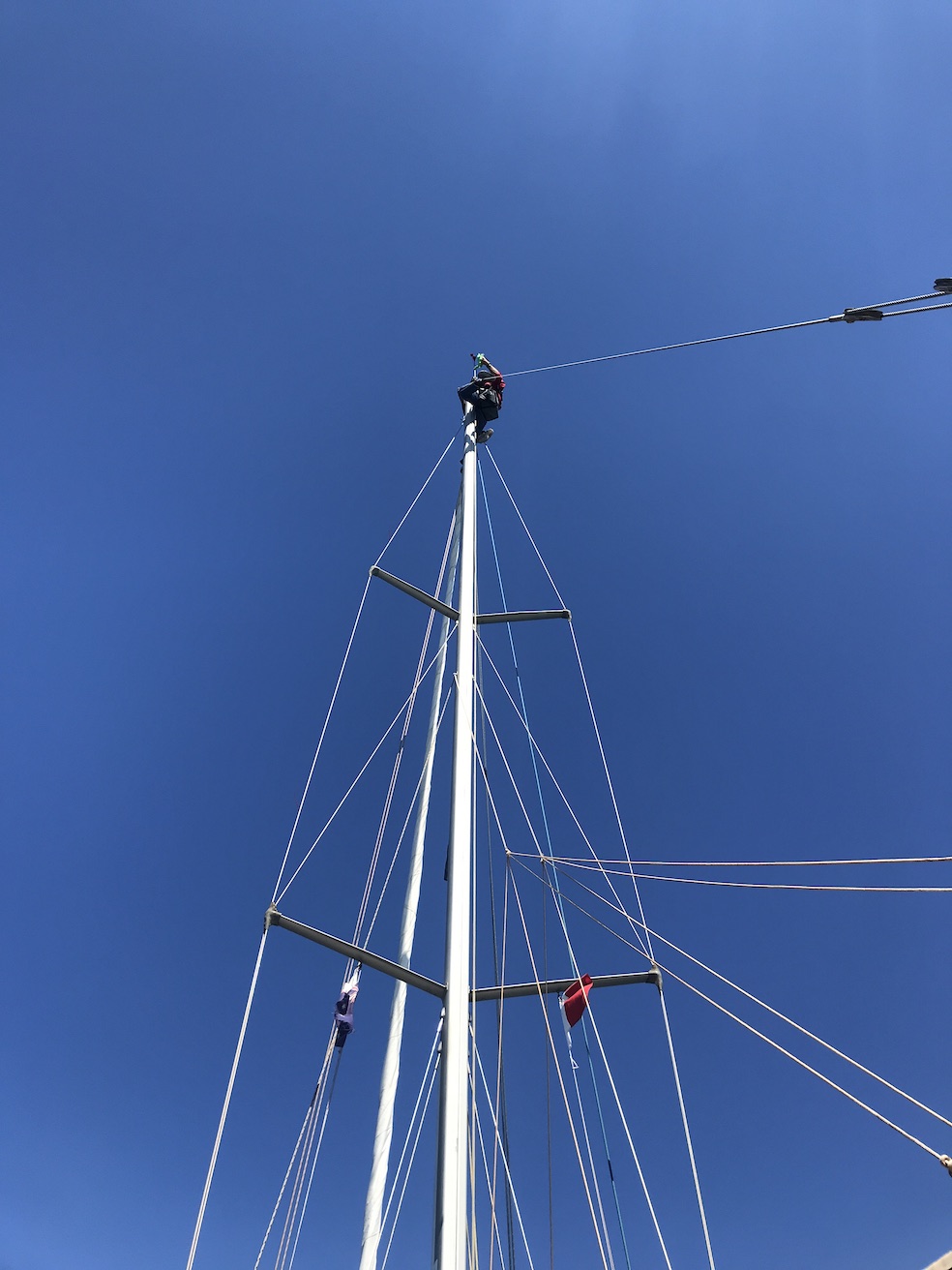
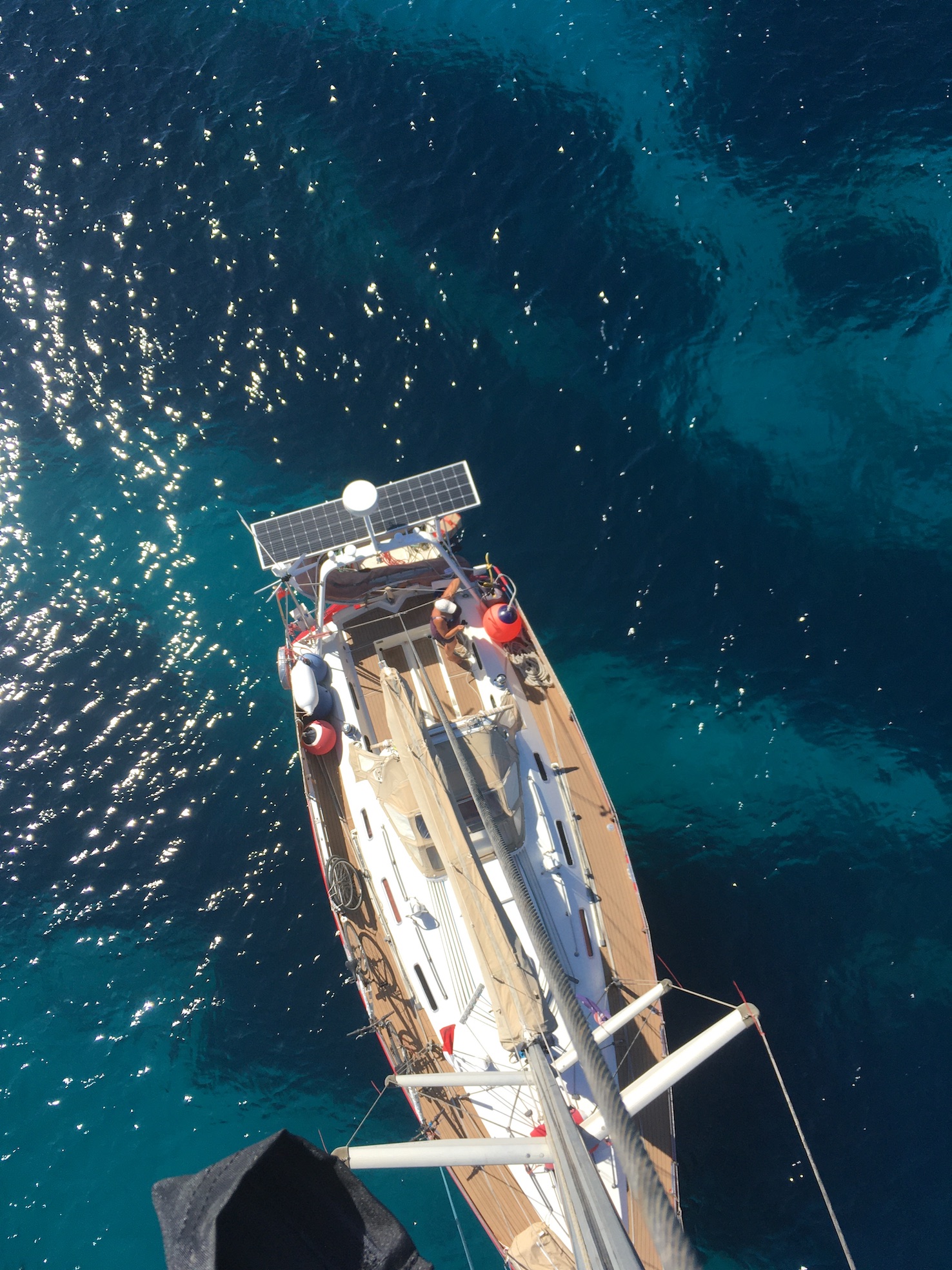
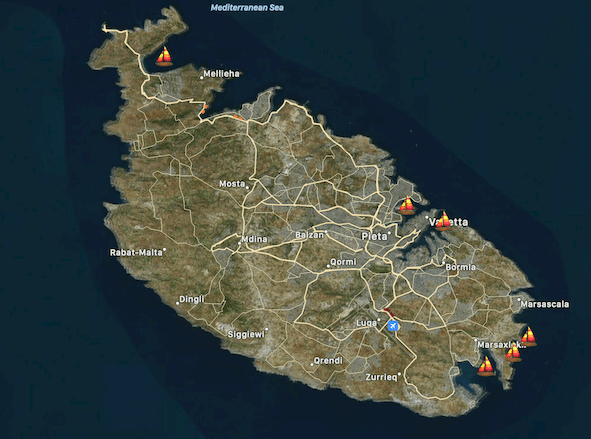
Anchorages we visited on Malta – talked about in this blog
Comino Island (The Little Island) Malta
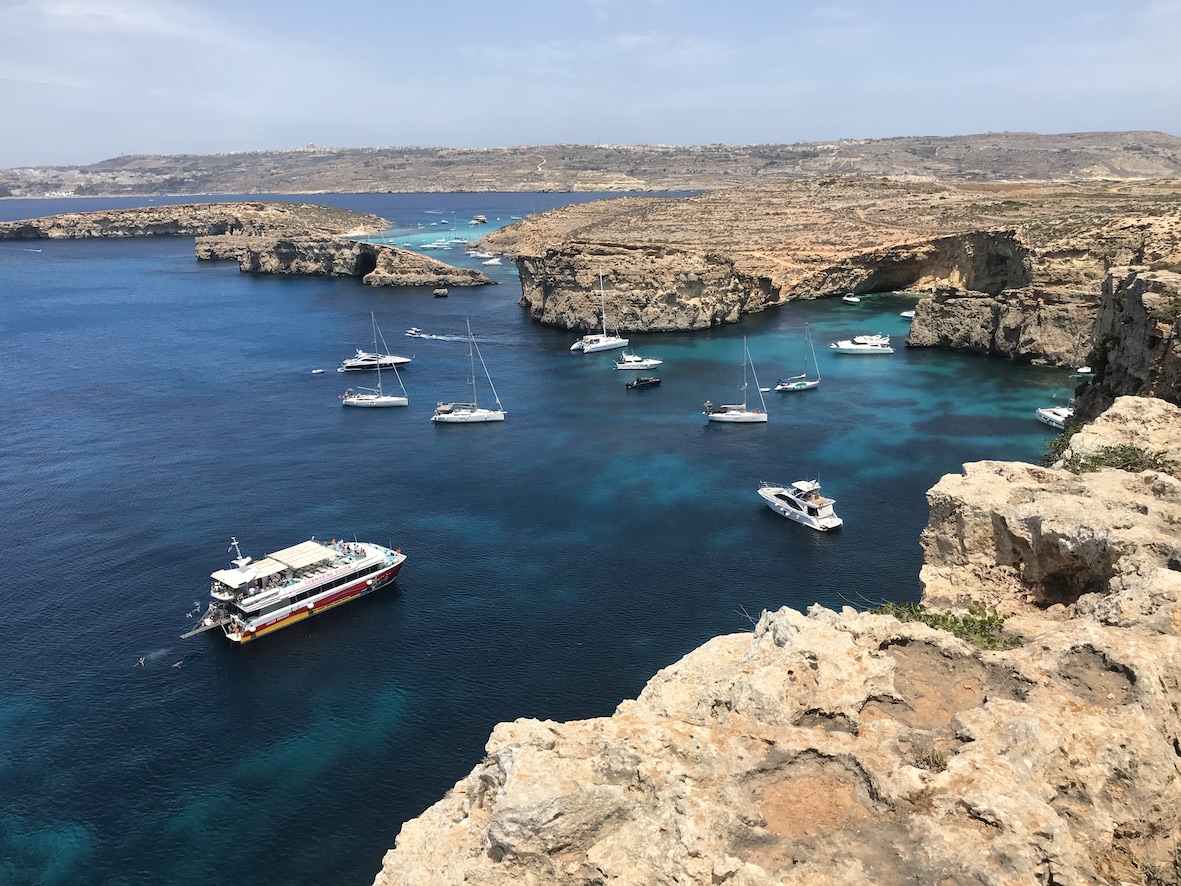
We spent a week anchoring and exploring this wonderful little island.
The country of Malta is made up of three islands, Malta, Gozo & Comino, with Comino being the the smallest in size at only 3.5 square kilometres and located between the two bigger islands. Small in size it may be, however it had a lot to keep us happy during our stay, and we really enjoyed the anchorages and our walks exploring the island.
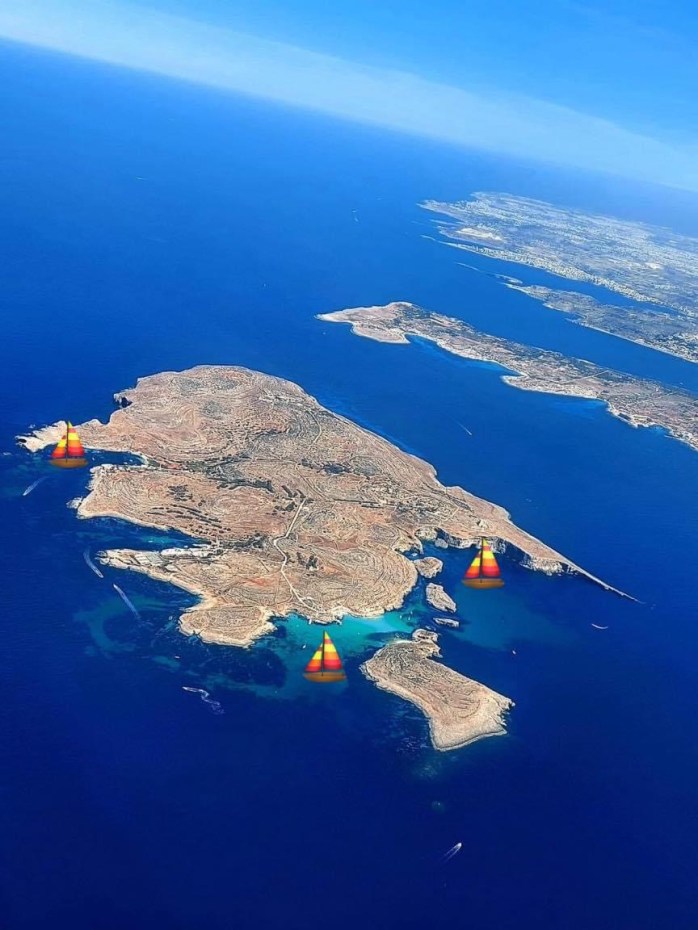
Comino Island and the anchorages we enjoyed
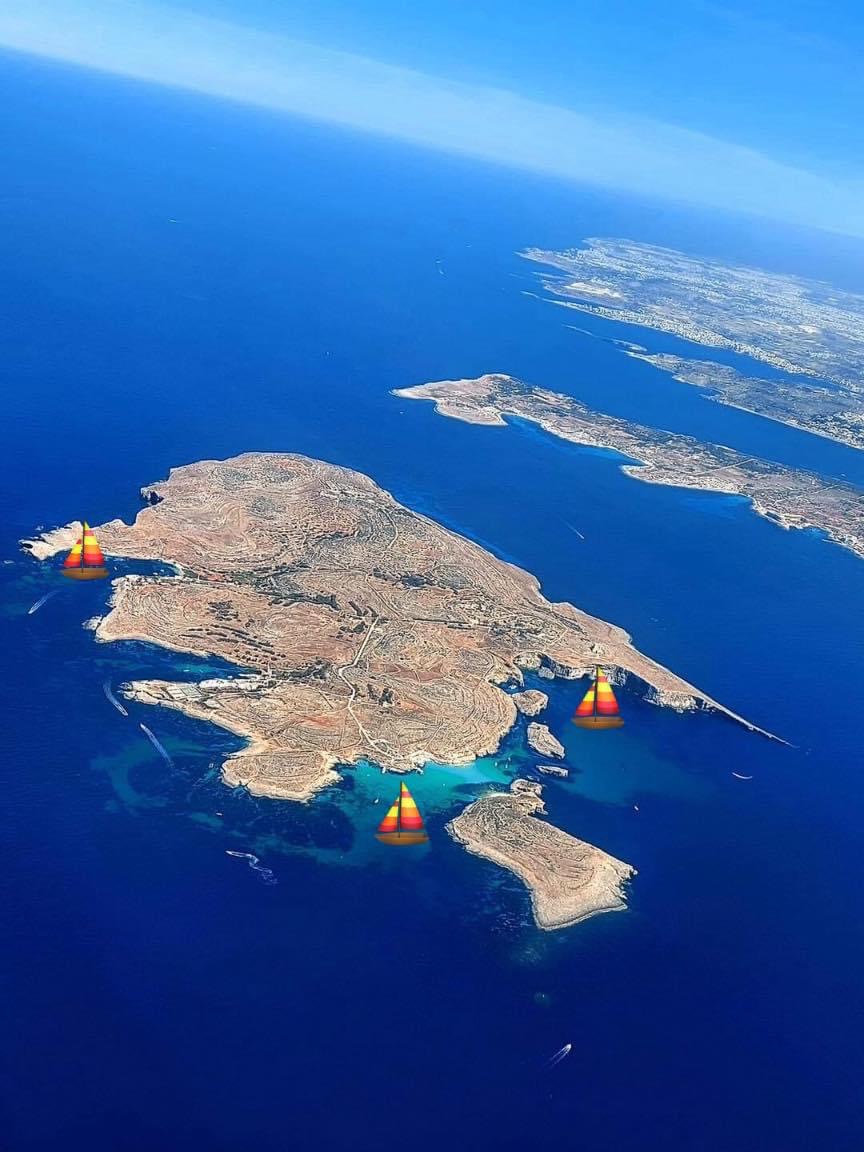
Arriving on a Thursday afternoon we anchored in Santa Maria Bay off the North East of the island, great sand holding for the anchor and a really pretty 360 view around the boat of both Comino and Gozo easily seen across the water. By Friday lunch time there were 5 motor boats rafted together near Red Roo with anchors out and sterns tied to the rocks on shore. By Saturday there were 22 boats. This became a regular weekend occurrence, during the week we mainly had the anchorages to ourselves or with 3 or 4 other boats but come the weekend it seemed like half of Malta would be in a boat on the water. We can’t blame them they were looking for the same enjoyment as us.
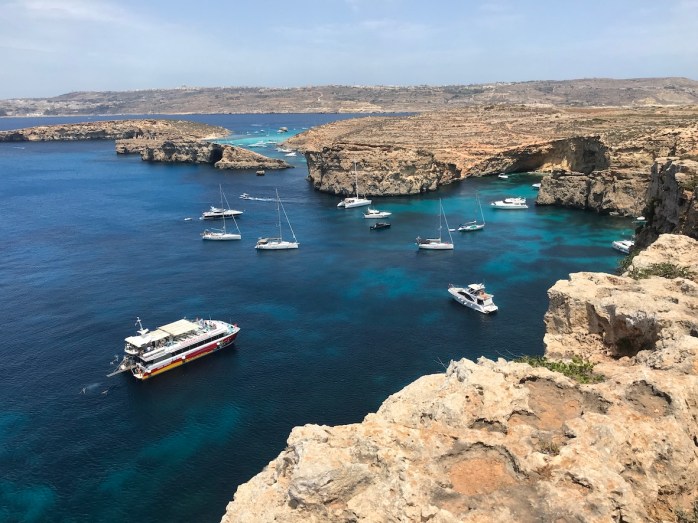
Crystal Cove 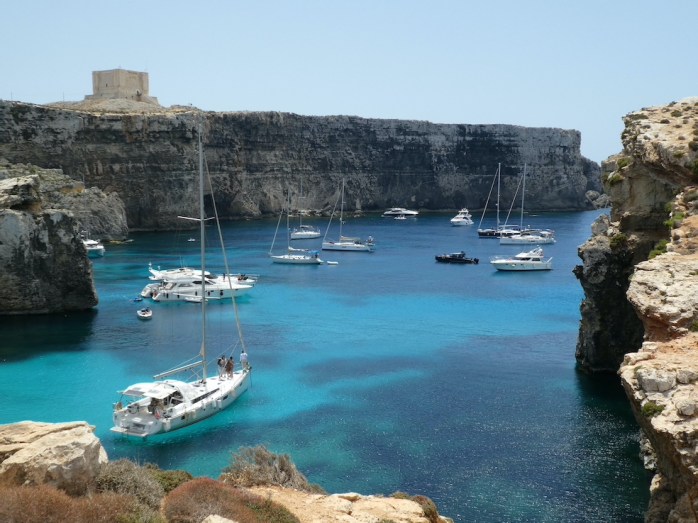
Crystal Cove 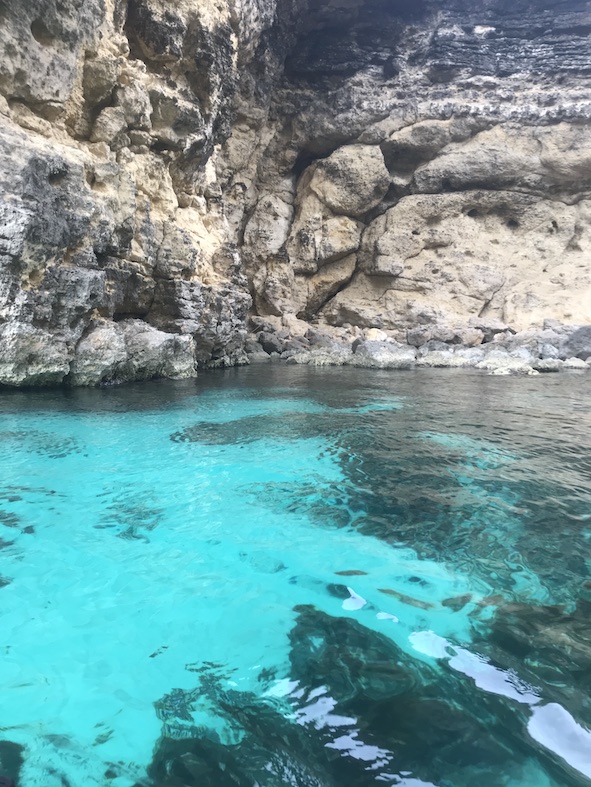
The water and caves are fun to explore 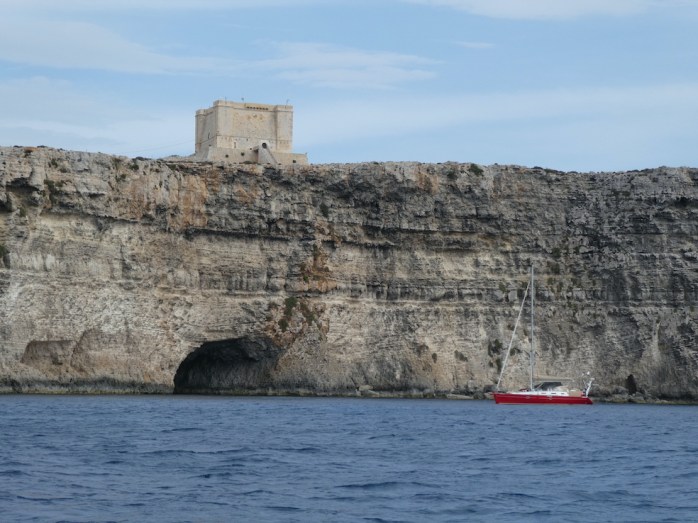
Crystal Cove Anchorage and Red Roo anchored under the Santa Marija Watch Tower
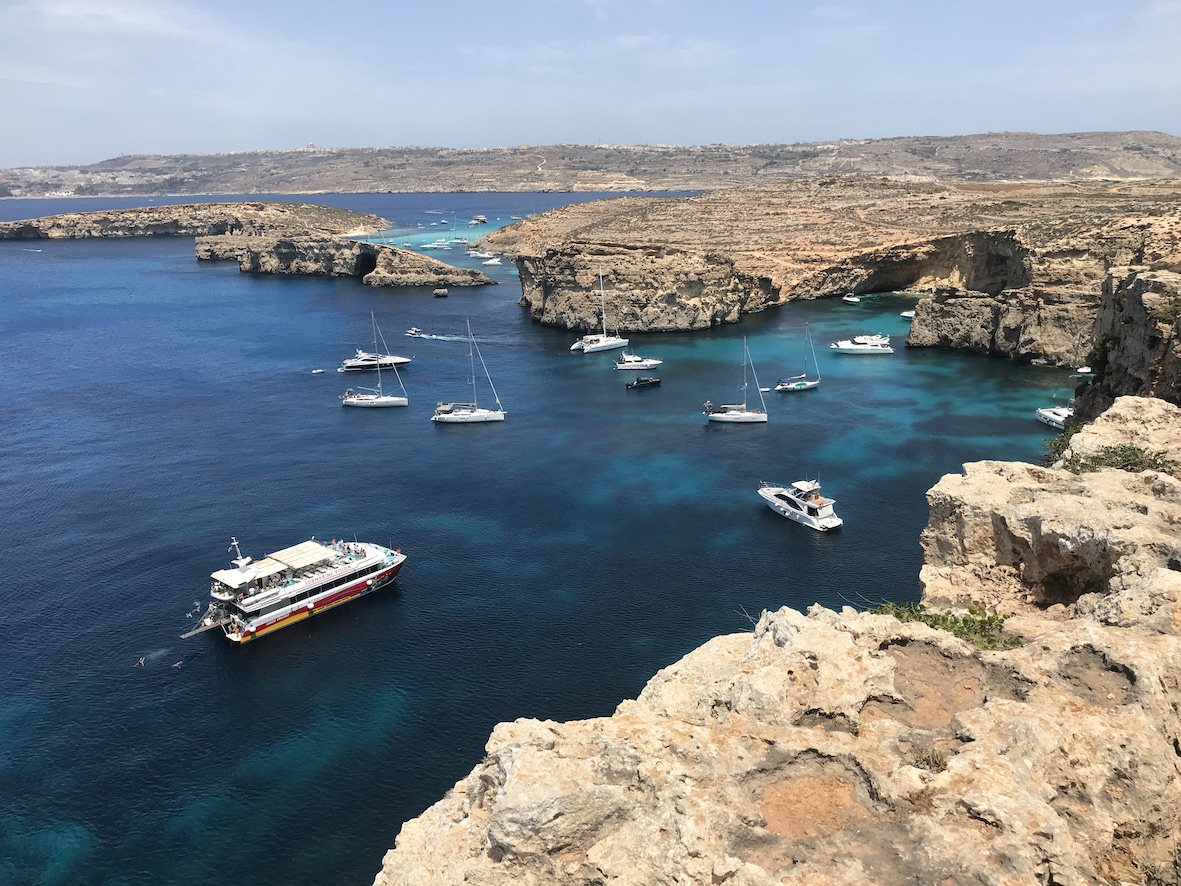
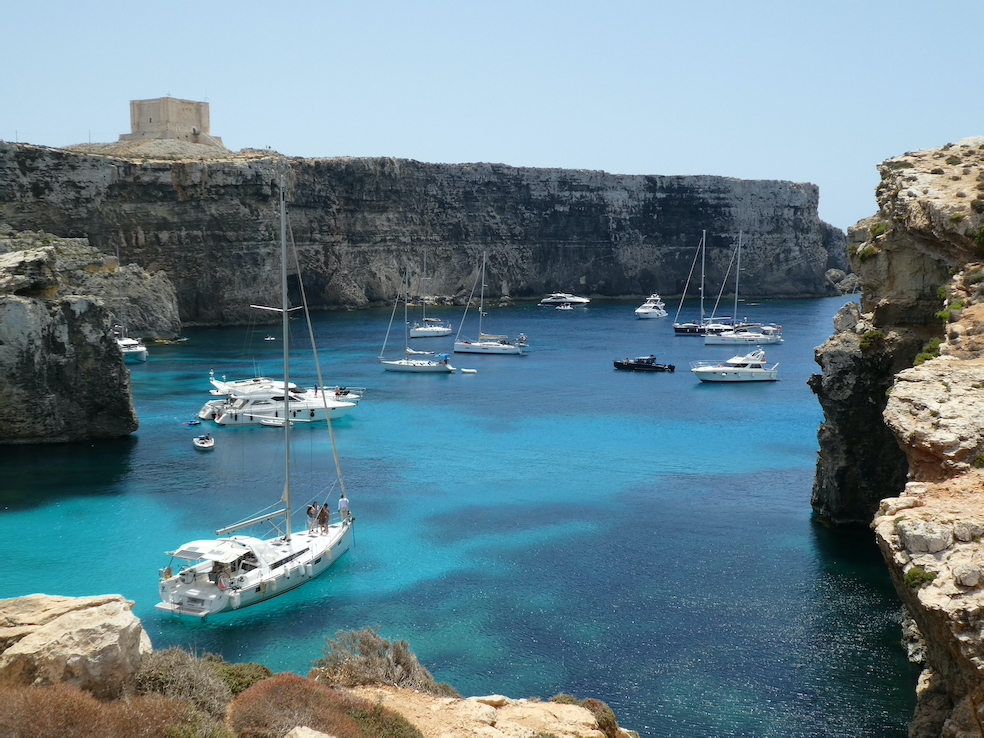
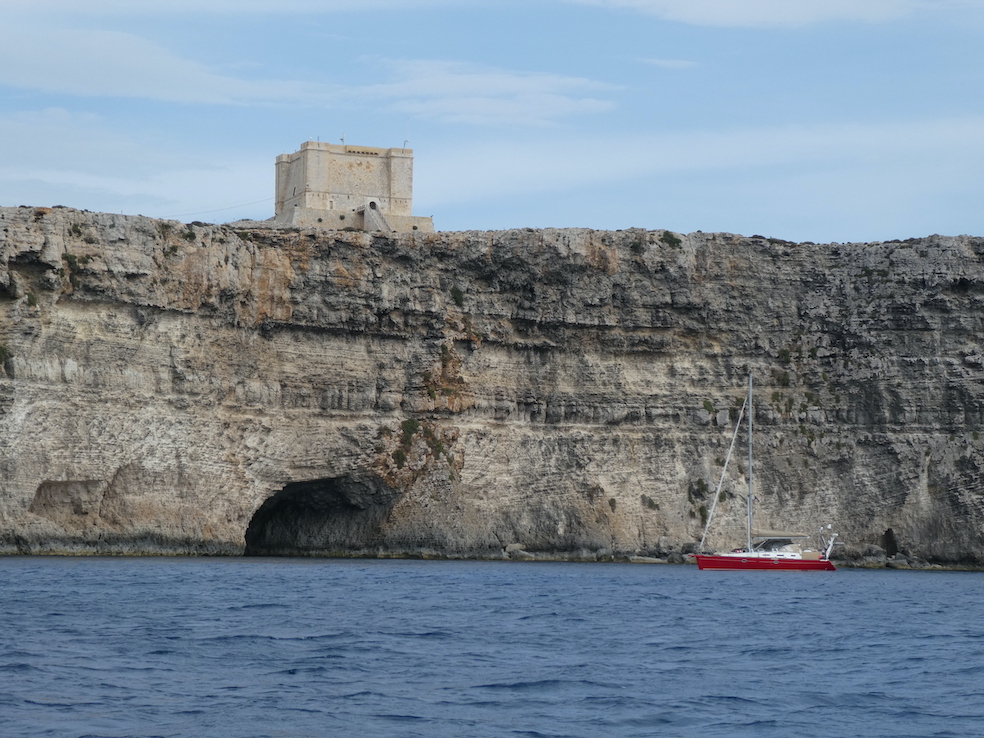
We also spent time anchored in Crystal Cove which is a deep water anchorage under the cliffs and the islands watch tower with aqua water and caves to explore. We also spent two nights anchored in Blue Lagoon, the very popular tourist and swimming area of the island. Each day tourist boats bring hundreds of locals and tourists to the islands to swim and play in this picture perfect place, but come sun down the tranquility returned as they all left.
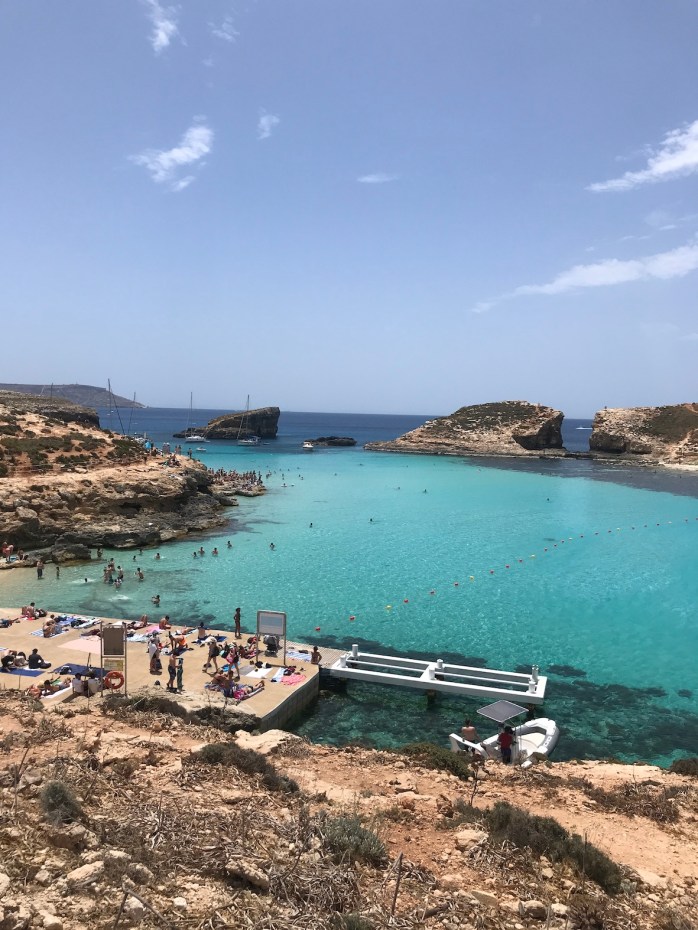
Blue Lagoon Swimming Area 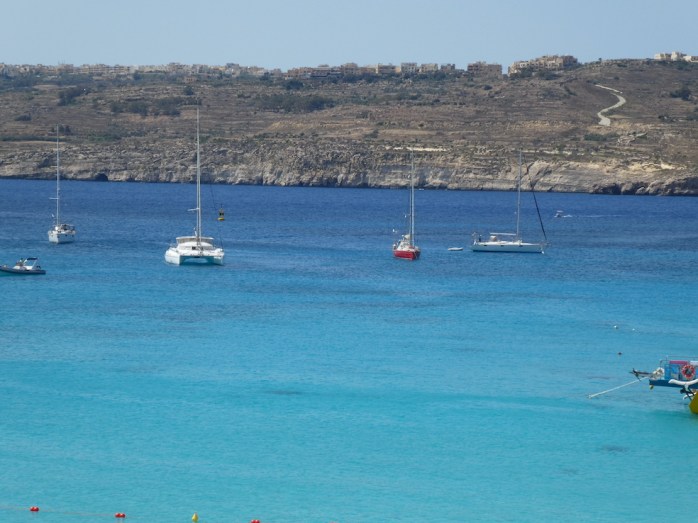
Red Roo Anchored off Blue Lagoon
(with the island of Gozo behind us)
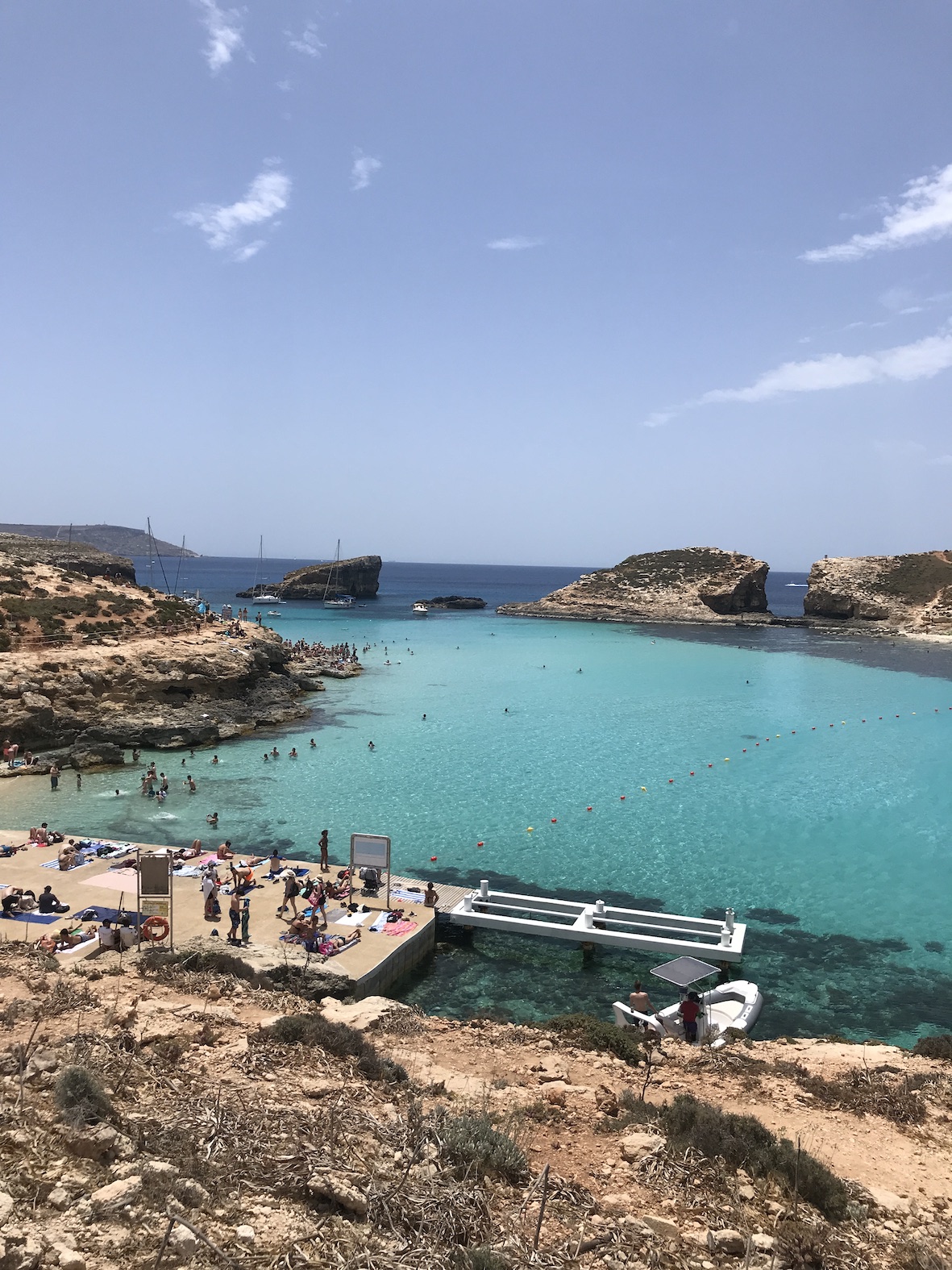
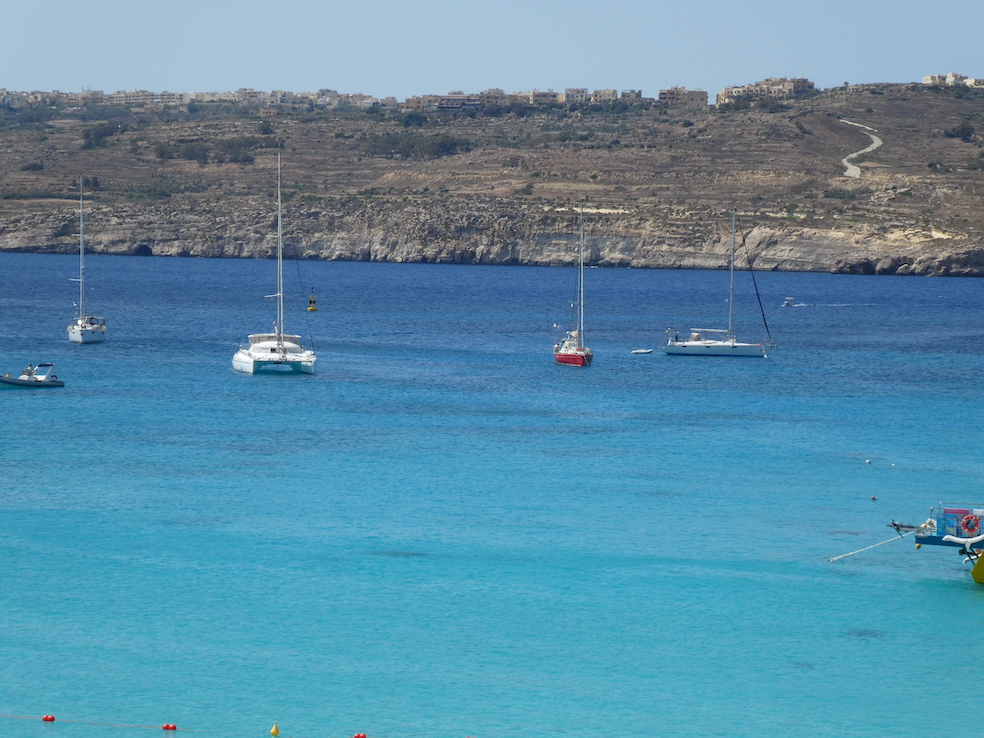
On shore the island is largely abandoned with the exception of a small hotel (which hasn’t yet opened for summer) and a couple of residents. However, the island has evidence of its previous inhabitants with a watch tower, church, hospital and piggery.
The Santa Marija (Saint Mary’s) Watch Tower built in 1618 standing proud which is one in a series of similar towers which reach across the three islands, making communications possible back before things such as telephones.
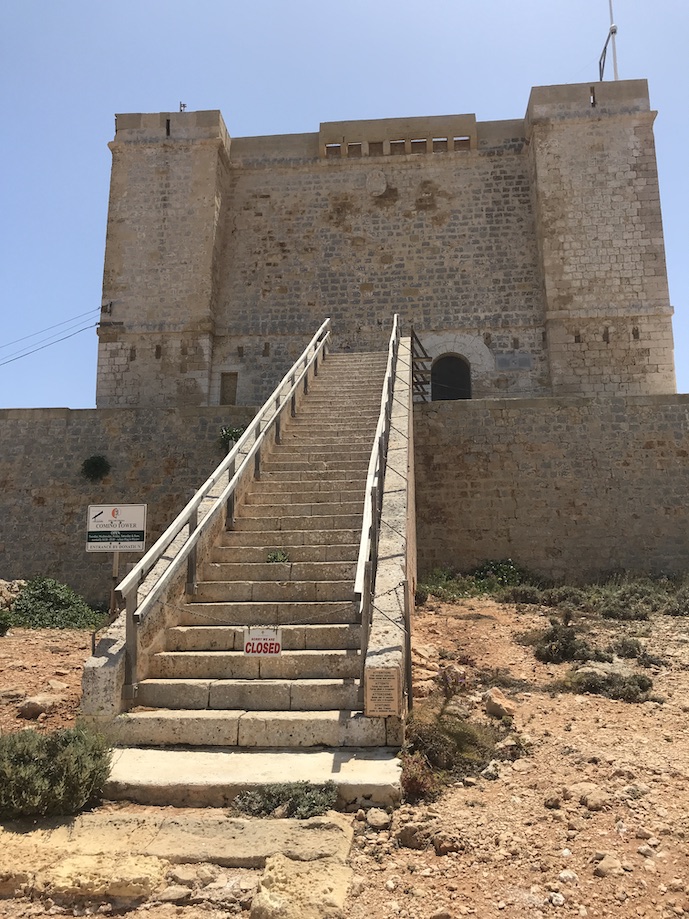
The Watch Tower
There is also (of course) a chapel which despite being a Sunday was closed.
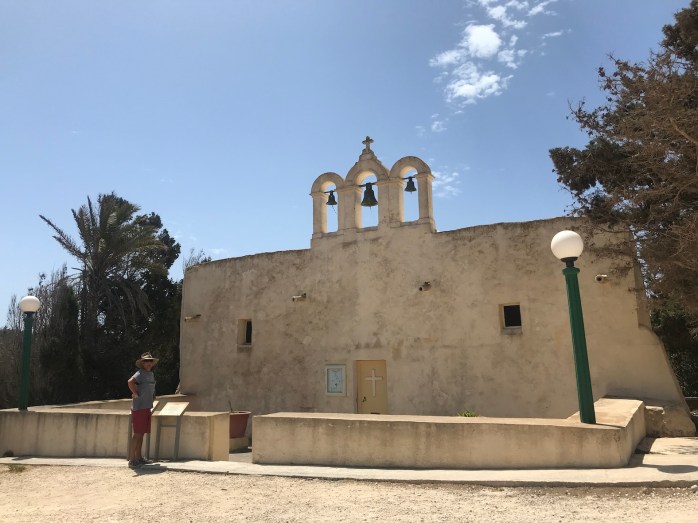
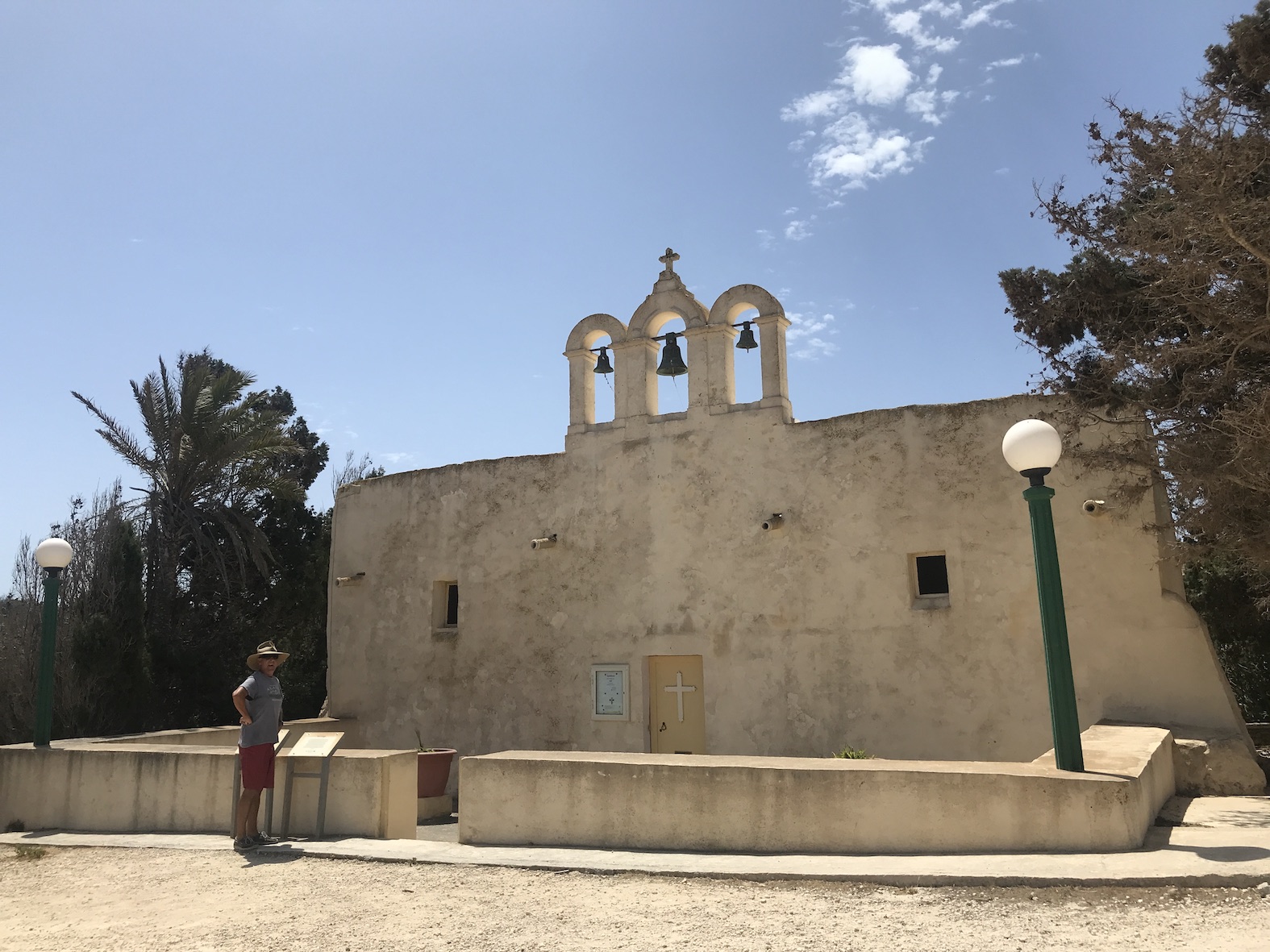
Phil at the Comino Chapel
Towards the middle of the island stands the abandoned Isolation Hospital (19th century) which was built to accomodate soldiers returning from plague ridden areas post war. In later years when the hospital was no longer required and when the island was home to a substantial population the building was also used as a school until there were no school children left on the island.

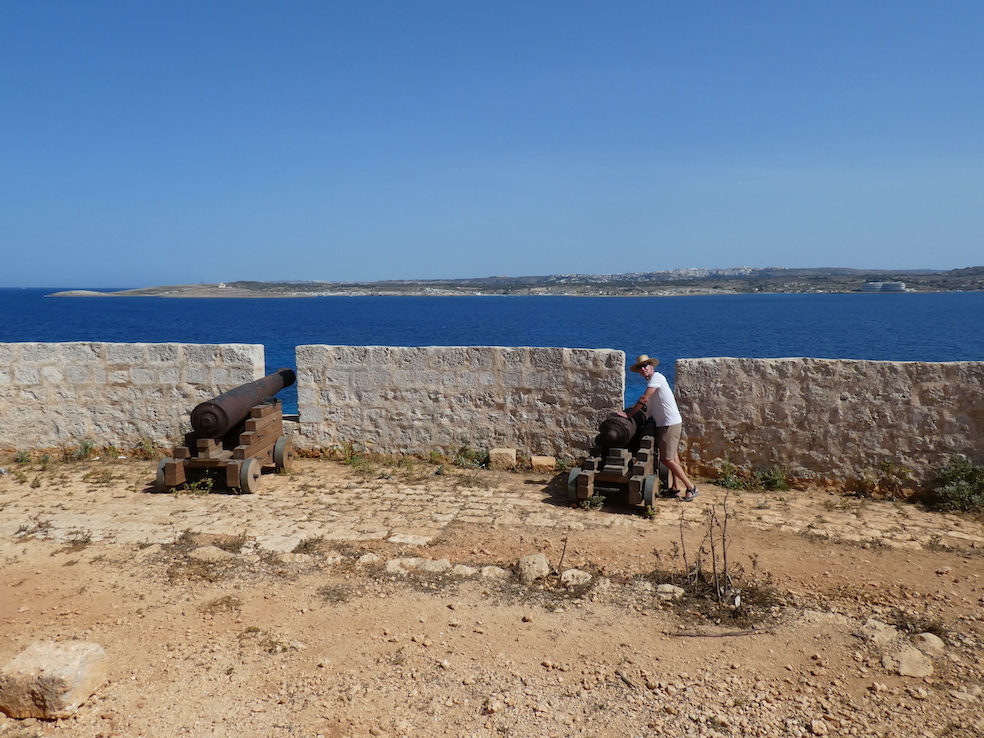
Tony (SV Sweetie) manning the cannons on Comino 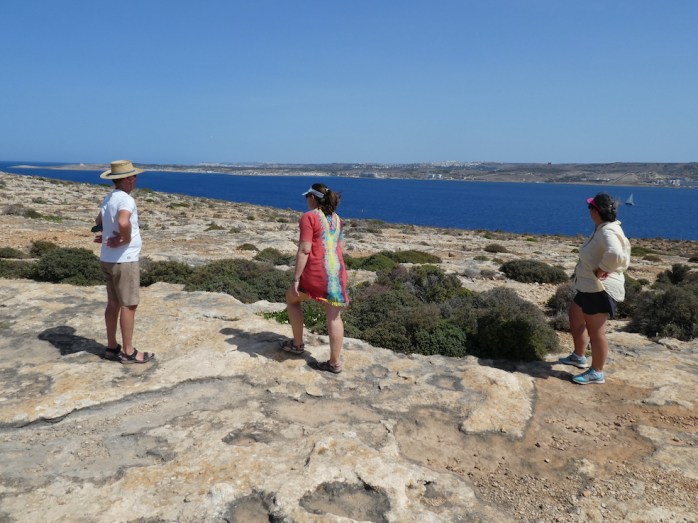
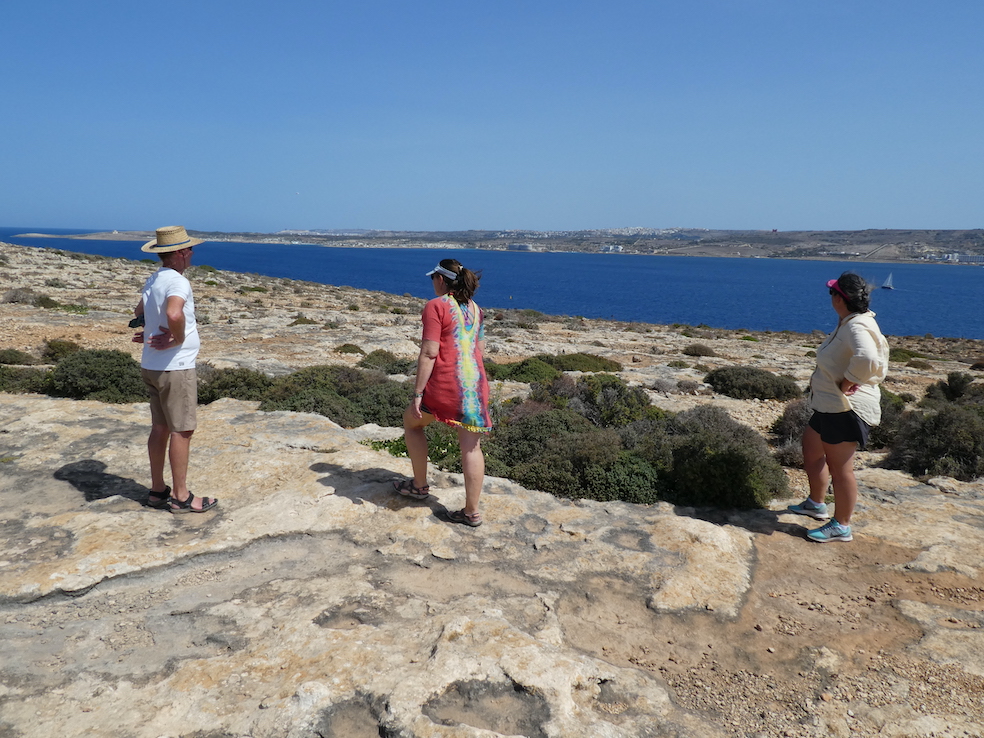
Exploring Comino with Tony & Shannon (SV Sweetie) 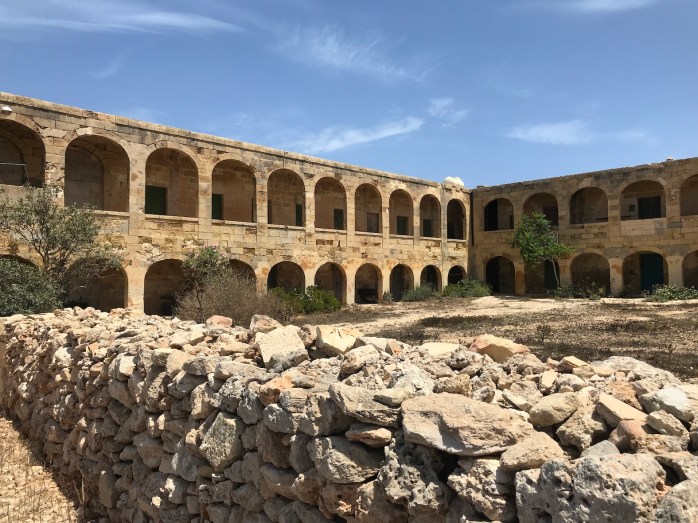
The Isolation Hospital
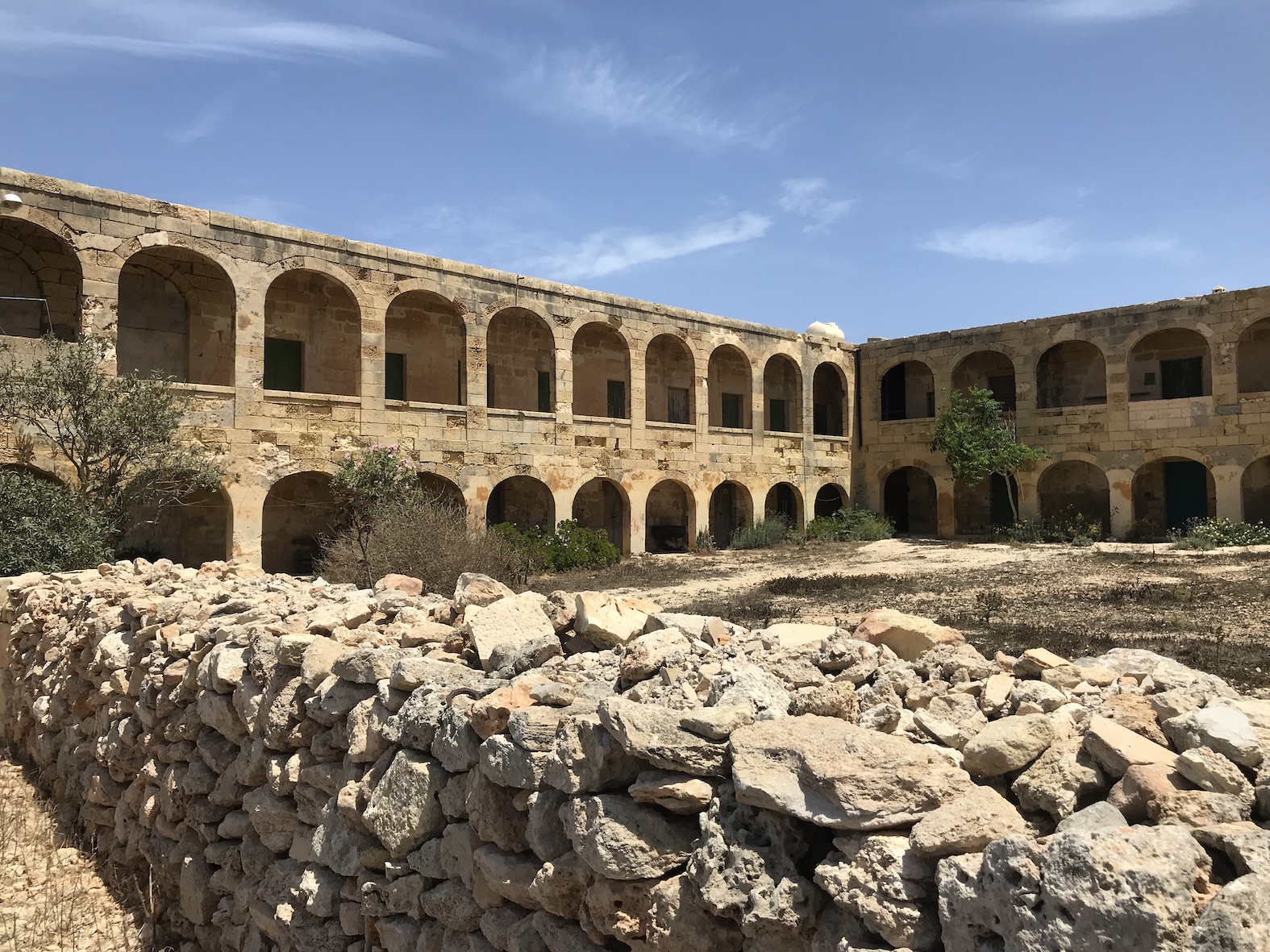
According to history the population of Comino was probably the largest during and immediately after the French occupation in 1798-1800 when the island served as a place of exile and imprisonment for opponents of the regime of the day. Records show that in 1897 when the island became in effect a quarantine station the population was 34 people. Those residents were expropriated from their small holdings on Comino and given compensation to resettle on either Gozo or Malta. When the quarantine station ended the island began to repopulate and by 1948 the official number of residents was 68. But by the late 50’s only three farming families remained. Today the official population is 3.
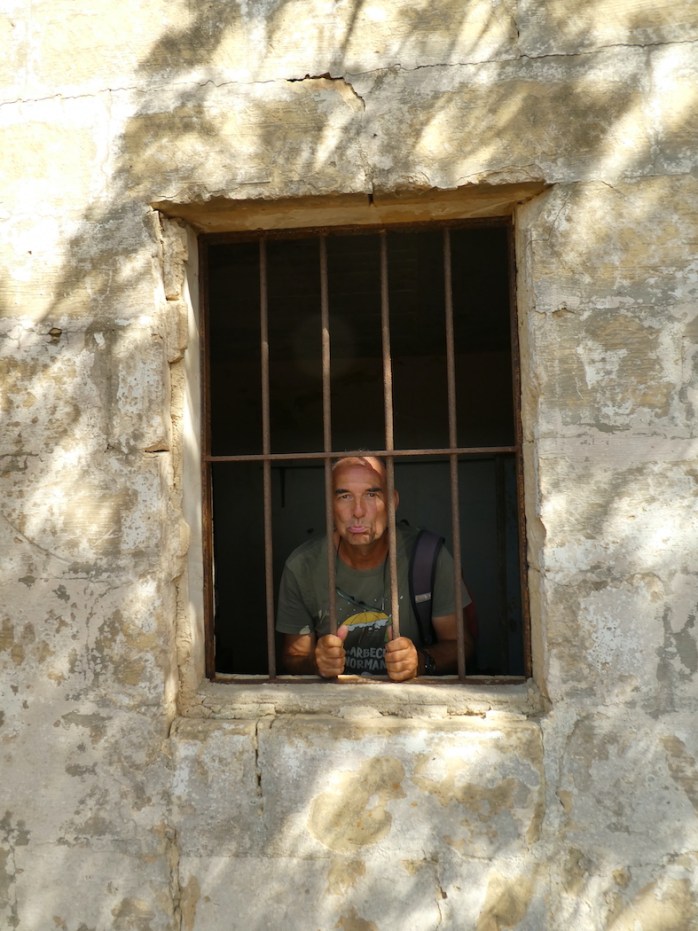
Phil in the Piggery! 
Maree collecting capers 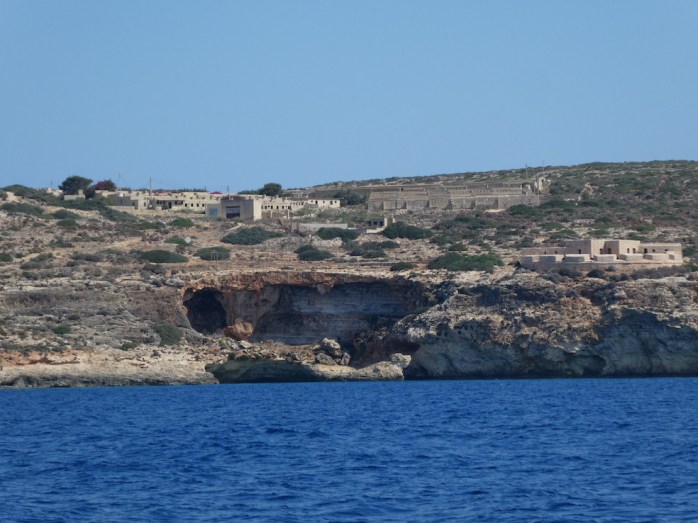
The Piggery and Marija Battery on Cominio, picture taken from the water when sailing past
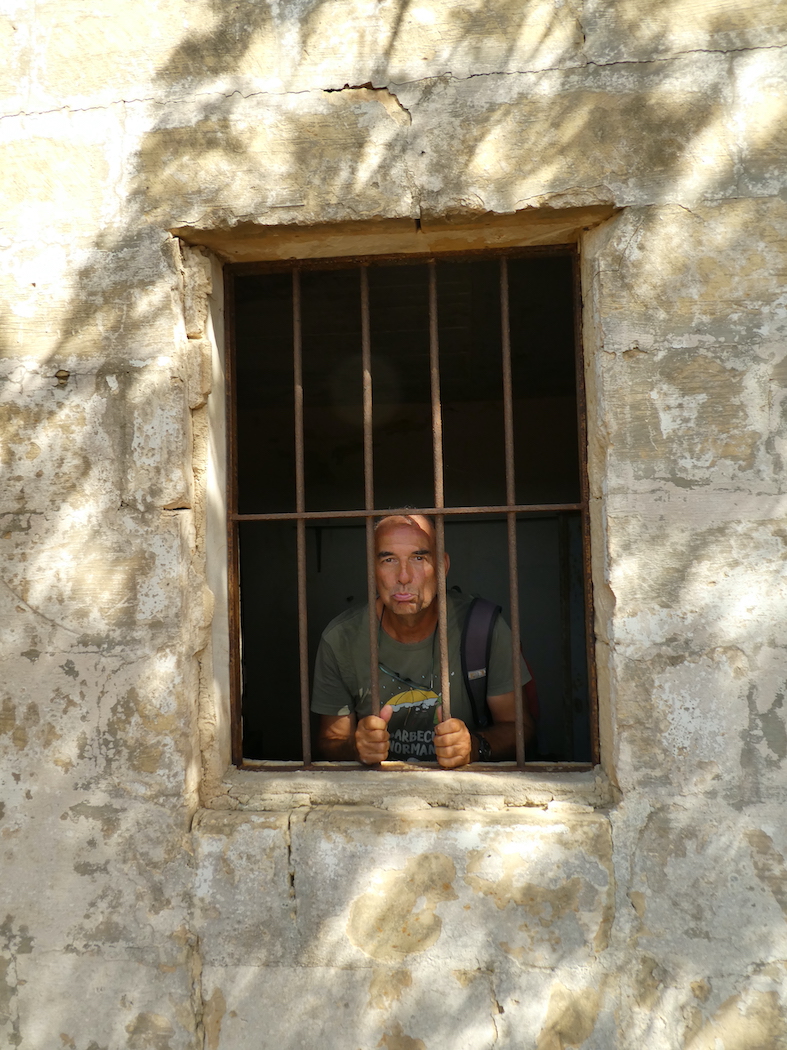
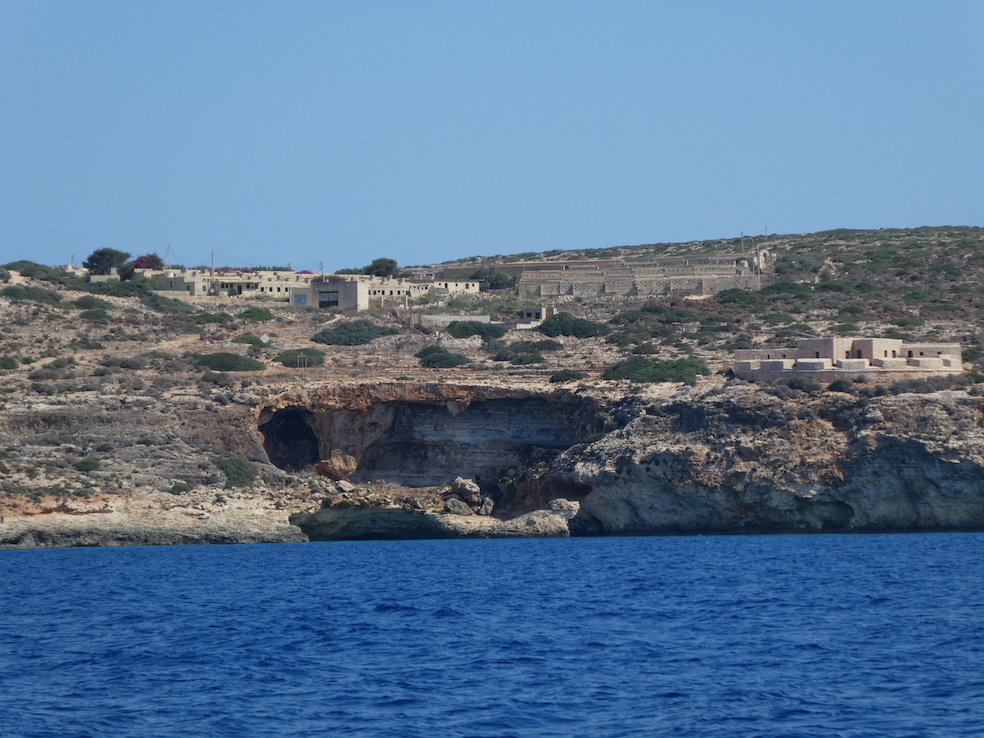
The largest ruins on the island belong to what was a piggery. Constructed during the 1970’s due to the African Swine flu wiping out the country’s pork, the government built a quarantined piggery on the small island to bring back the country’s bacon.
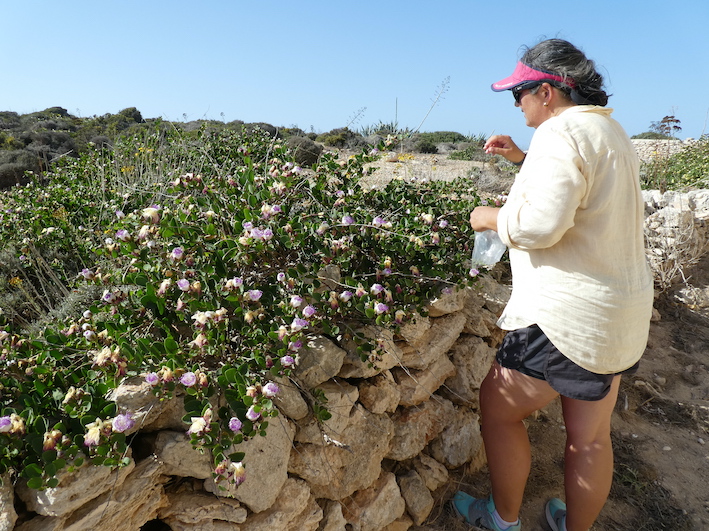
We also did a little natural foraging on the island and reaped a nice harvest of capers. We found many caperberry plants and have since pickled our crop and enjoyed the results.
Making Our Way To Malta
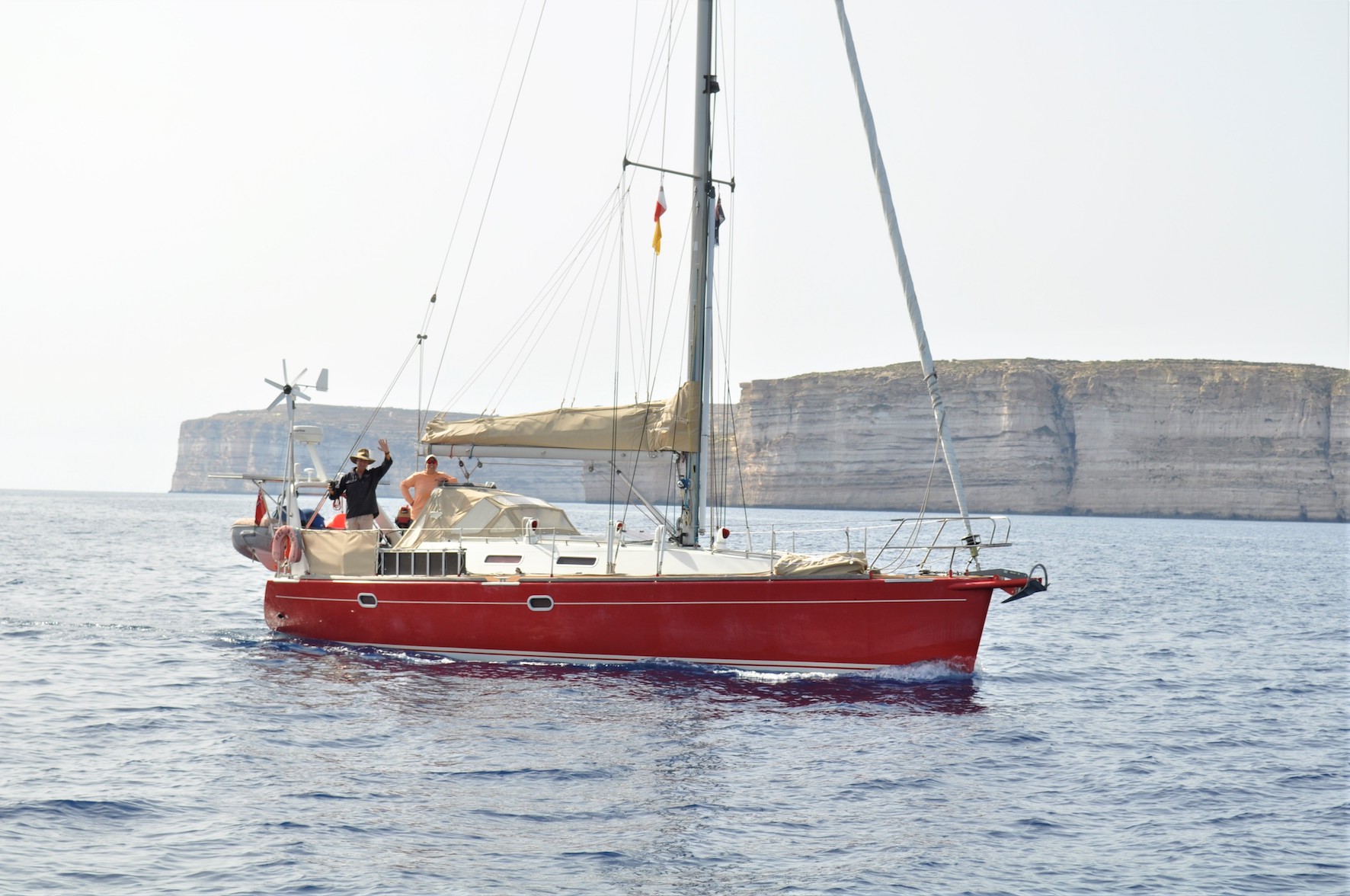
As great as Tunisia is it was definitely time to leave, Phil had received his second covid vaccine and we were ready continue our journey in the blue of the Mediterranean Sea.
We were keen to leave but the conditions were less than ideal. The wind was blowing strong meaning a quick sail however the swell and sea state would have made an uncomfortable trip after 5 months in the marina. After much deliberation and twice daily weather conferences between the Captains of Red Roo and Caffe Latte (also looking to cross) for the three days prior to our departure and even a thought of leaving during the night, we decided to wait 24 hours which was a real compromise. It meant the sea state was magical (flat) but we would run out of wind half way to Malta meaning we may have to motor more than sail.
Before leaving, we had to undergo that all together unpleasant stick up the nose business (covid testing) and complete the exit formalities with the Tunisian Customs and Port Police.
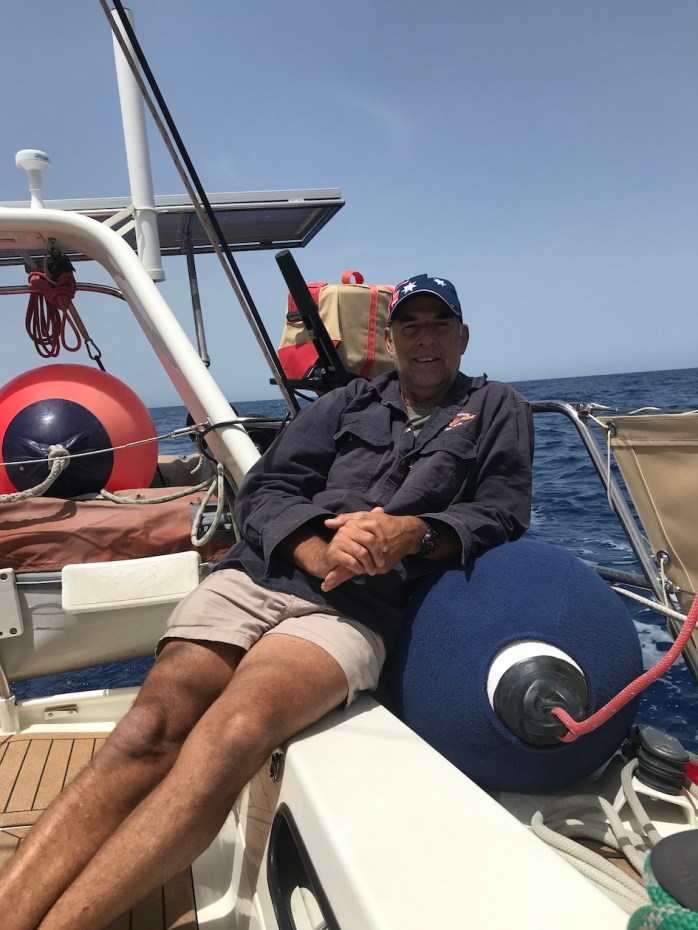
Captain Happy to be Sailing 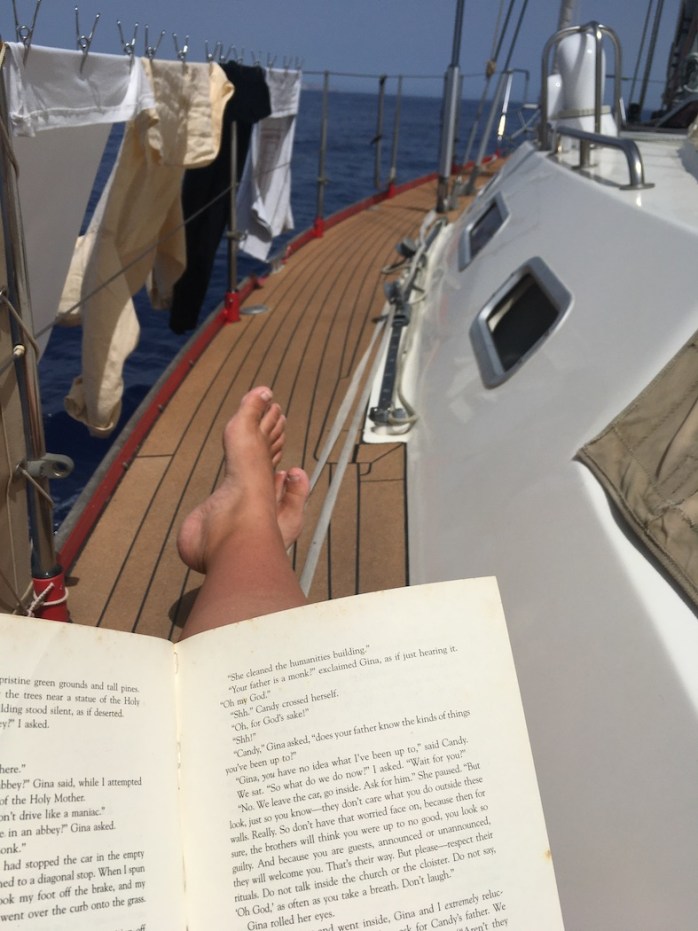
Maree Multitasking – Drying the Washing and Reading
Leaving Monastir Marina at 7am we set off and had a great sail all day with only 2 sail changes as the wind dropped and we tried to maintain speed by using lighter sails. By sunset we had the motor on and continued on under an almost full moon with very little traffic on the water just a couple of fishing boats to keep an eye on during the night watches.
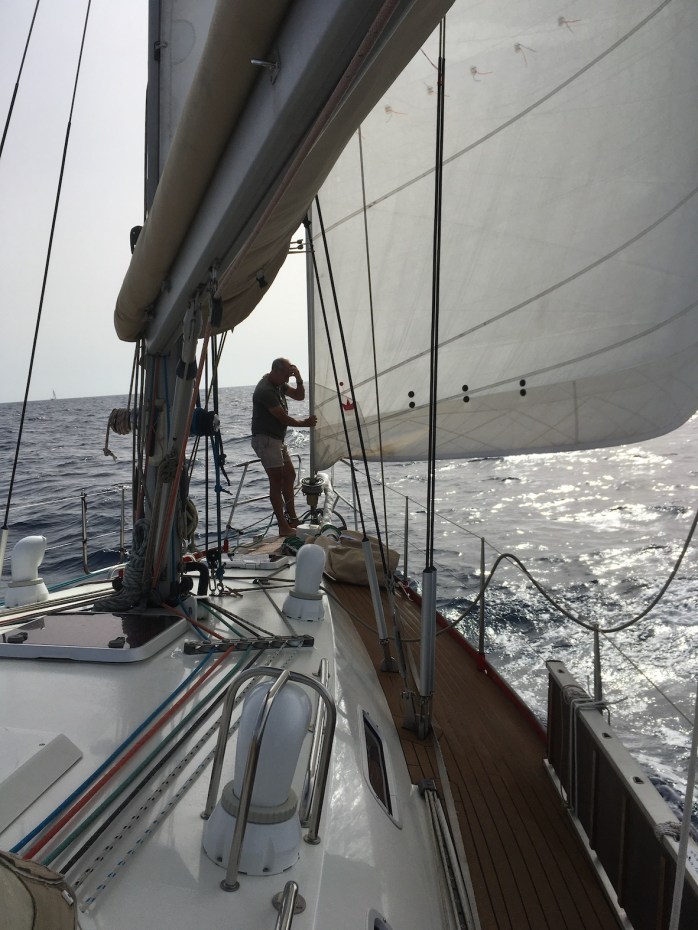
Hmmmm do I remember what to do here? 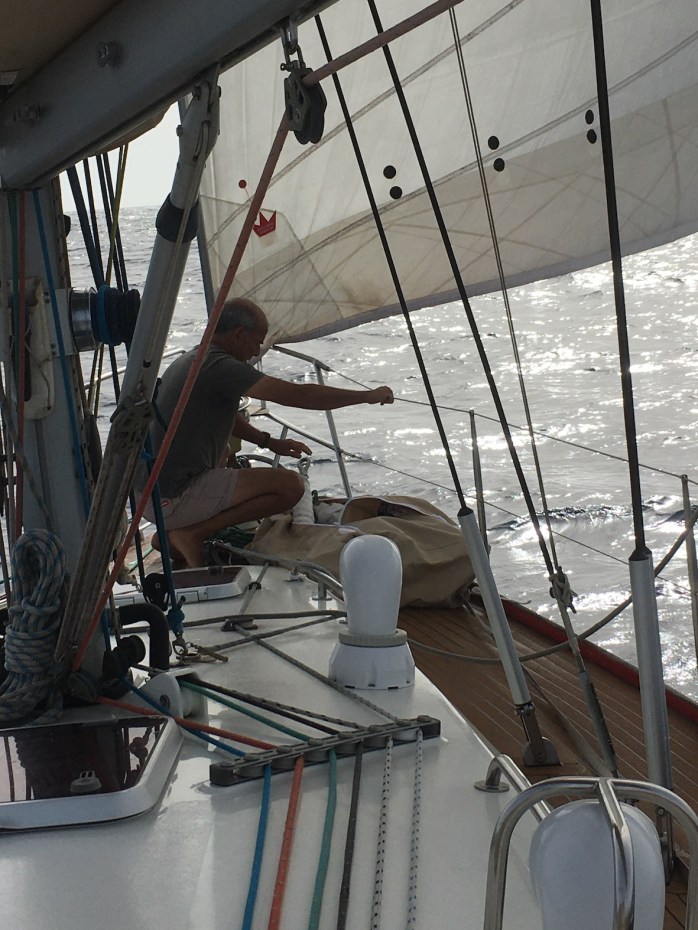
Using our new deck bag for the Gennaker Sail 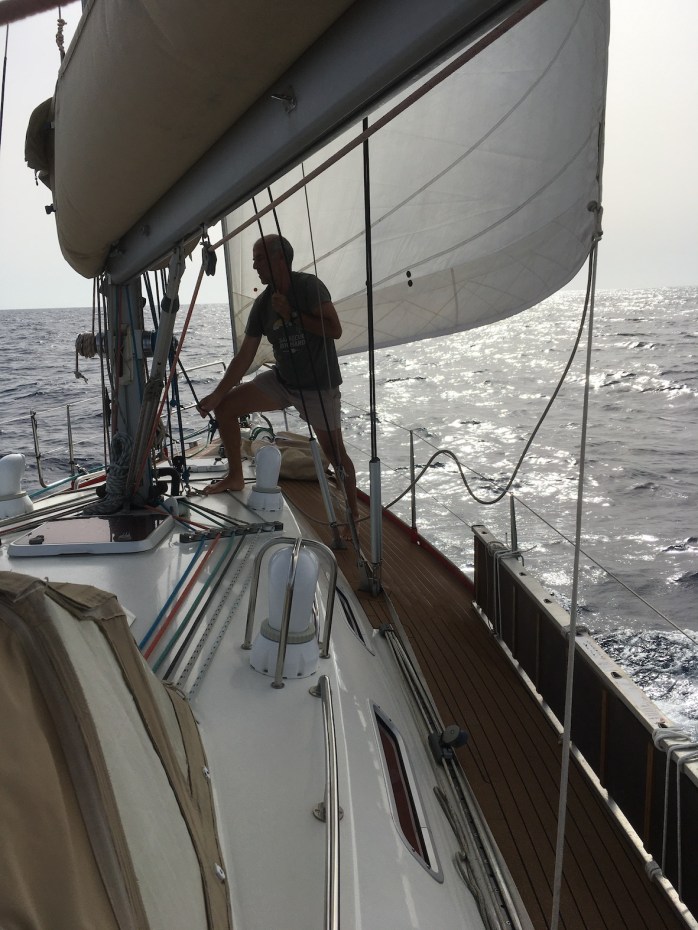
Attaching Halliards 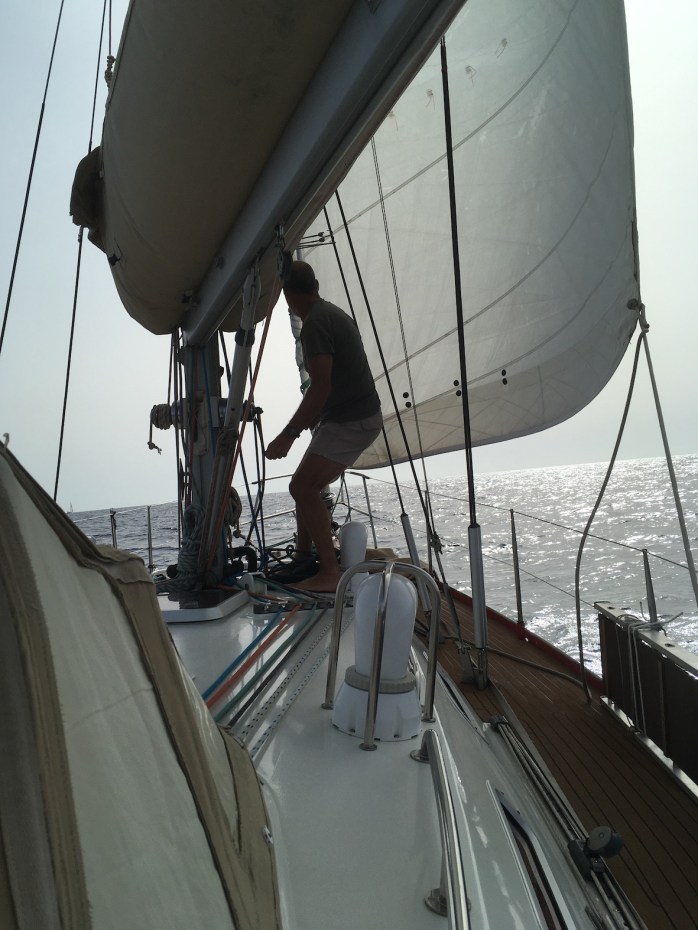
Using the Winch to Raise the Sail
By 4:30am daylight had broken and we began another stunning day on the water – just missing that essential wind to move us. The colour of the water was mesmerising and I lost a few hours just watching it, knowing how lucky I was to be doing that.

The Colour of the Water – So Beautiful
When the wind died it seemed to have taken our wind instrument readings with it! It was hard too fault find due to no wind, but it is something we will need to investigate and fix in the short term. Also we had an electrical charging problem with overheating of the wind generator controller (even though the wind generator was off) which indicated issues between the engine alternator/solar charger and battery charging system. This is a priority to fix.
By lunchtime Malta was on the horizon and we counted down the miles as we got closer. We were checking in at the Port of Mgarr (pronounced Im-Jar) on the northern island of Gozo. We had all our ducks in a row for check in; negative covid tests (less than 72 hours old), paperwork previously emailed and approved, passports, crew lists, boat documents, and despite these challenging times for travel due to the global pandemic it was actually one of the easiest and quickest check in formalities we have experienced. Welcome to Malta.
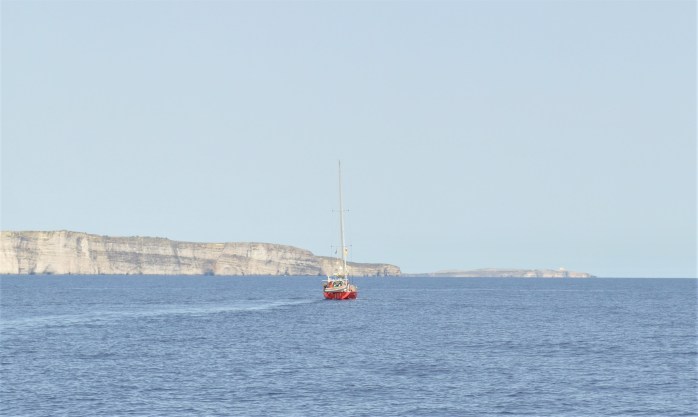
Red Roo Approaching Malta (photo Caffe Latte) 
Raising the Malta Courtesy Flag
Well before sunset we were anchored up in the gorgeous Santa Maria bay off Comino Island, and thanking our lucky stars for the life we are able to live and the view from our home that evening.

The Island of Gozo (Malta) in the background 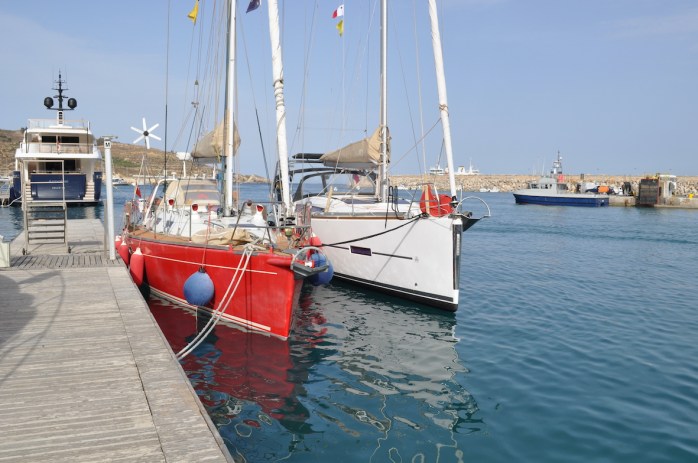
Red Roo & Caffe Latte tied to the dock at check in to Malta
Distance 180 Nautical Miles
34.5 Hours
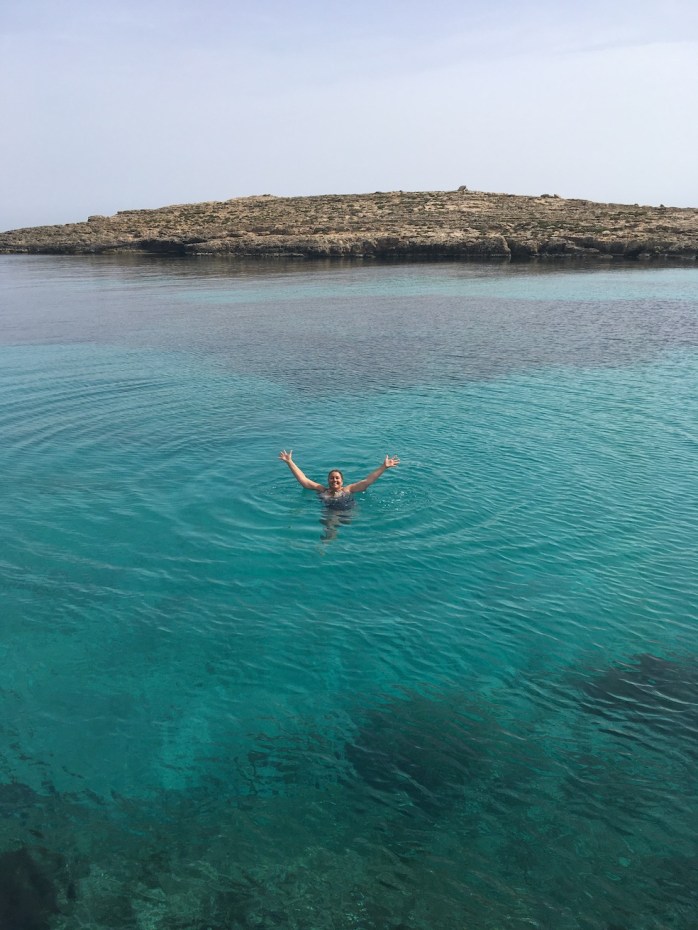
In Our Happy Place On Anchor After Arriving In Malta
Touring Tunisia
Before leaving Tunisia to sail off into the greater Mediterranean Sea we teamed up once again with the crews from yachts ‘Sweetie’ (USA) Tony & Shannon and ‘Caffe Latte’ (Canada) Jean & Yolène to explore the south and west of Tunisia. You may remember our previous shared adventures together in Morocco back in 2019 – so good to be exploring together again, we make quite the team!
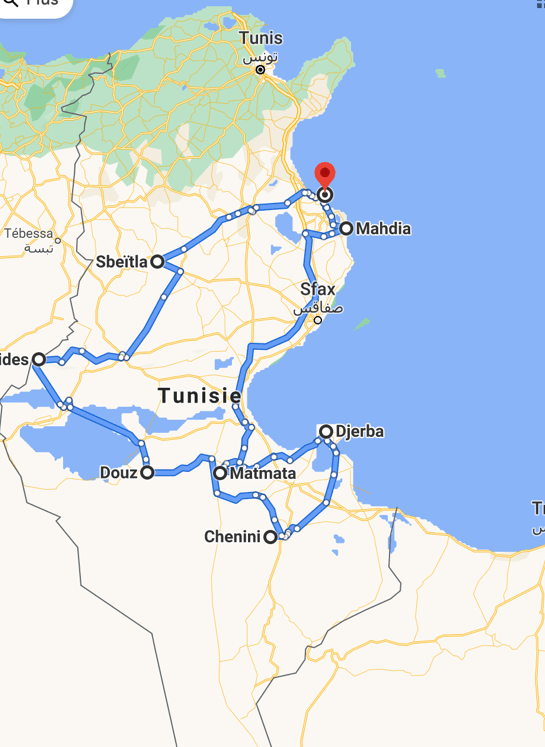
The parameters were set, 6 days and a list of things to see. We travelled 1,600 km – this included some extra kms in towns when we were “looking around” read: not sure where to go!
Being 6 of us it was cheaper to hire two small cars than one large one to fit us all in, therefore the adventure was completed with the team split with the “men” in the black car (with the wobbly wheel) and the “ladies” in the silver car (unfortunately without air-conditioning).
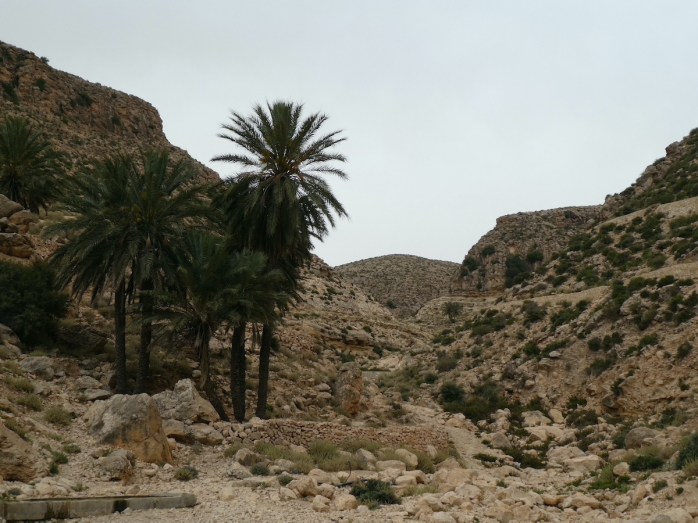
The landscape as we travelled south in Tunisia
Day 1. MONASTIR – MATMATA

Arriving at Matmata
A Berber village of underground troglodyte dwellings. Troglodyte being a person who lives in a cave. We saw many examples of disused, original, restored and modern troglodyte architecture.

A troglodyte dwelling still in use 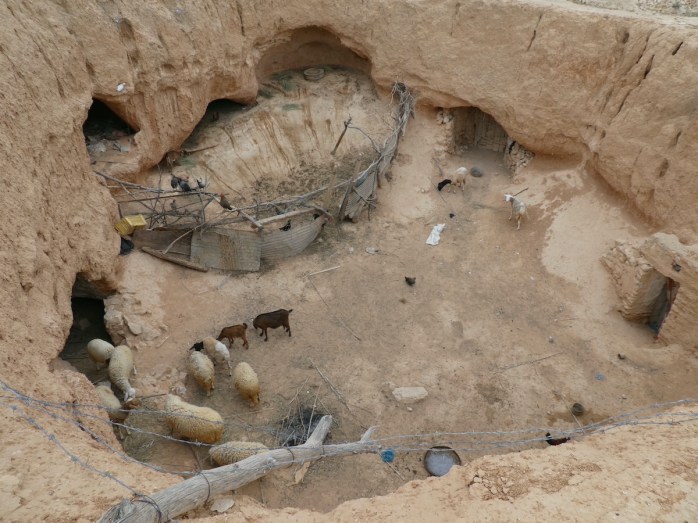
An old dwelling now used for animals
The typical village structures are created by digging a large pit in the ground then around the perimeter of this pit, caves are dug in to be used as rooms, with some homes comprising of multiple pits connected by trench like passageways or tunnels. One must be careful where they walk in Matmata as these holes/craters are deep and unmarked.
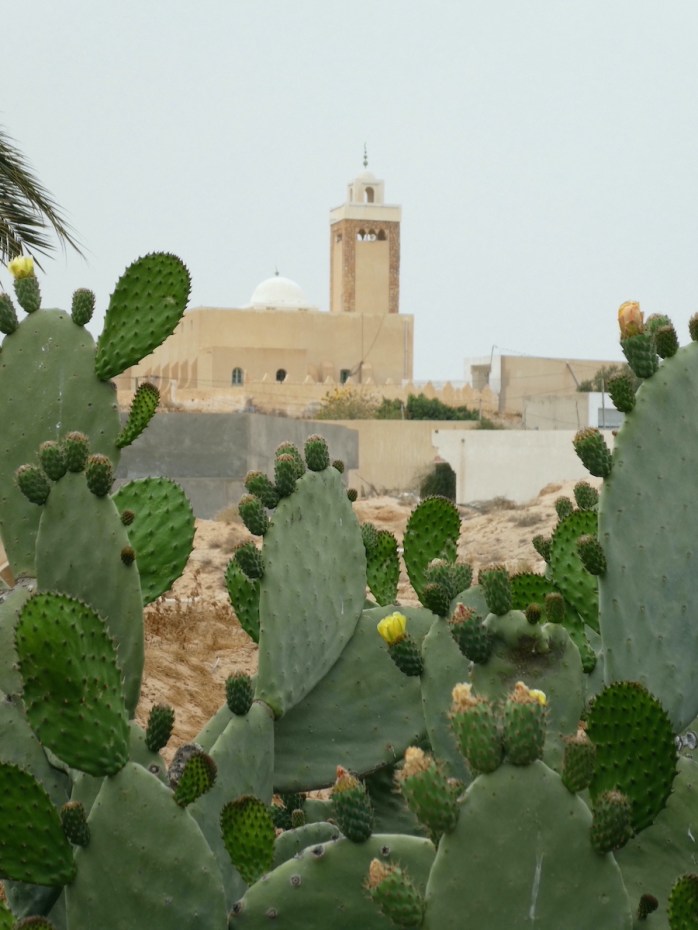
The Matmata Mosque, with ‘Prickly Pear’ cactus in the foreground (Prickly Pear is a noxious weed in Australia)
In the photos of our troglodyte hotel, you can see the depth these buildings go down to, and it makes such a difference, the temperatures were perfect without the need for heating or cooling. Being the only guests we had the whole place to ourselves, however also being Ramadan the bar wasn’t open! They did however bring us some drinks to our own private courtyard (pit). We slept like locals in these underground caves.
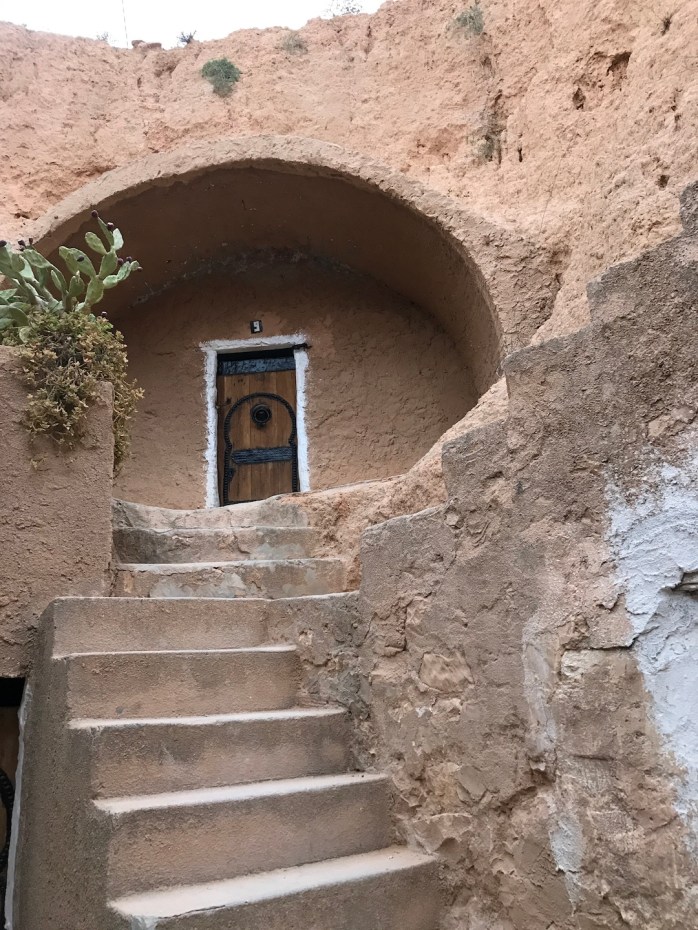
Our Rooms 
Complete with locks on the doors 
Inside – no windows and built up rock for the mattresses to lay on
Matmata is also famous as the setting for filming of Luke Skywalker “Star Wars”, as well as Matmata’s village being one of the maps on the very popular Call of Duty computer games.
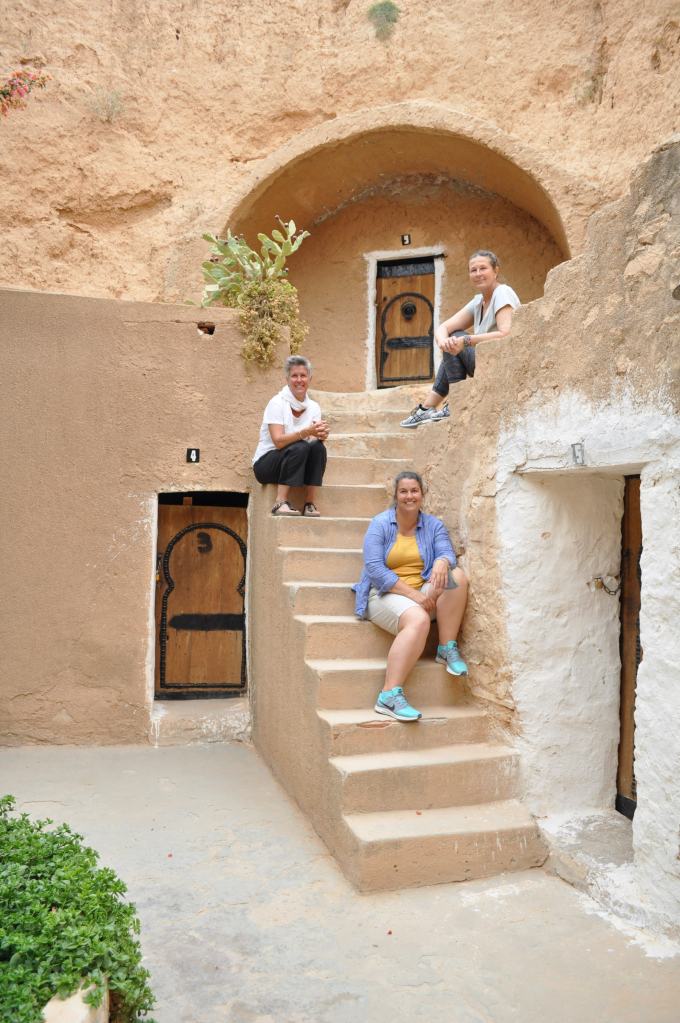
Shannon (top), Yolene (middle) and Maree (lower) at our accomodation
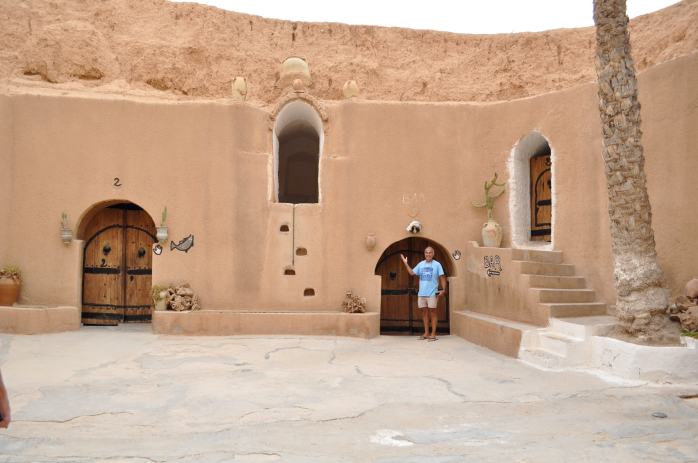
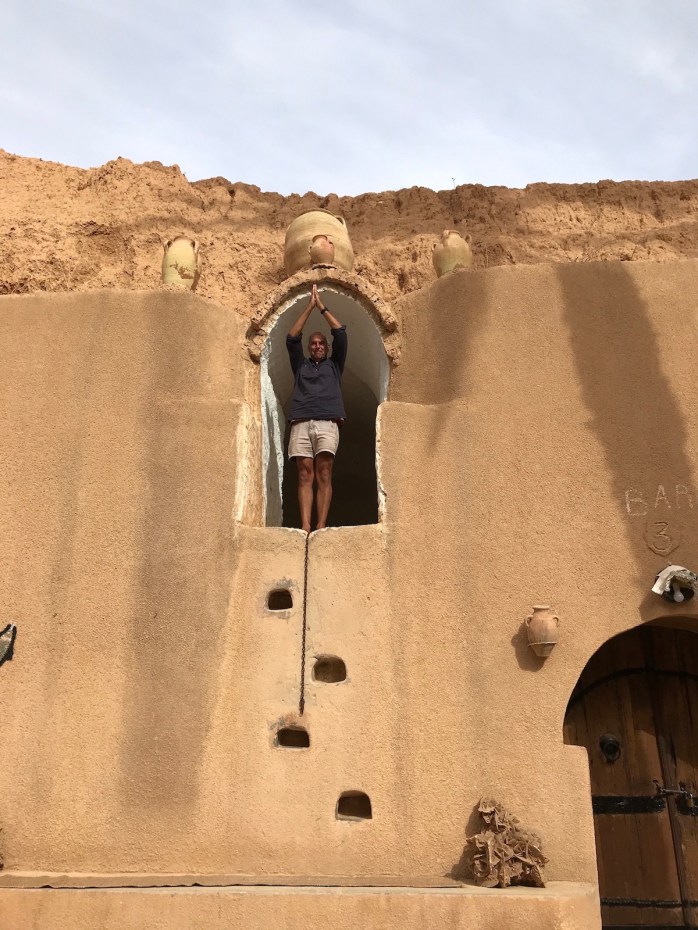
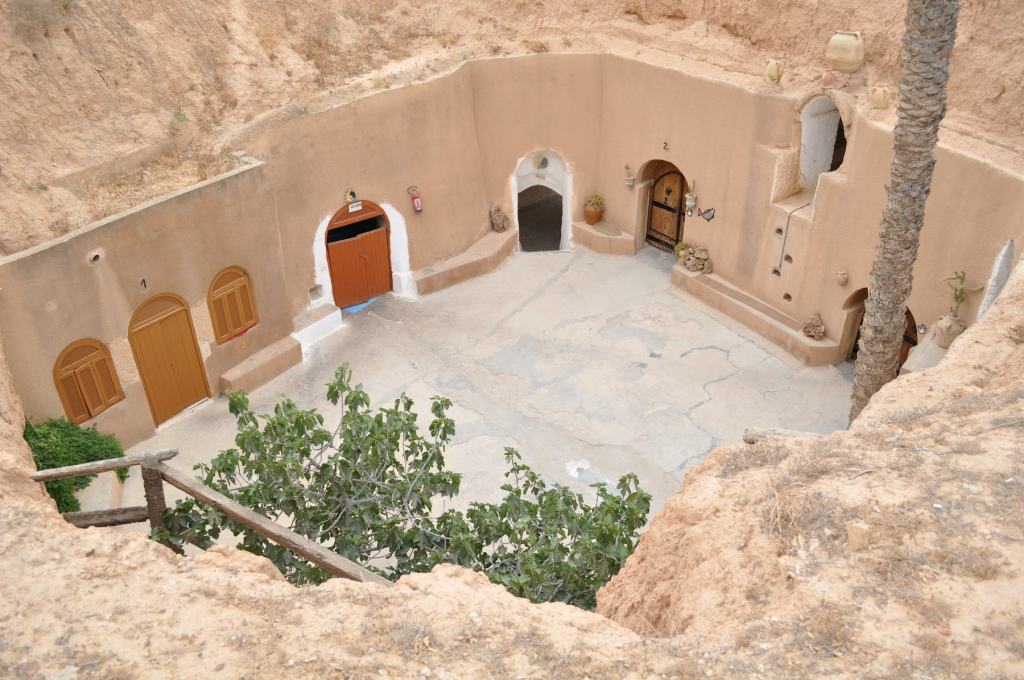
looking down into our hotel from ground level
Day 2. MATMATA – CHENINI via DJERBA
Djerba a small island off the south east of Tunisia, historically a home base for some of the Mediterranean’s most renowned pirates. The whitewashed desert towns are influenced by Berber, Arab, Jewish and African cultures.

Djerba Beaches 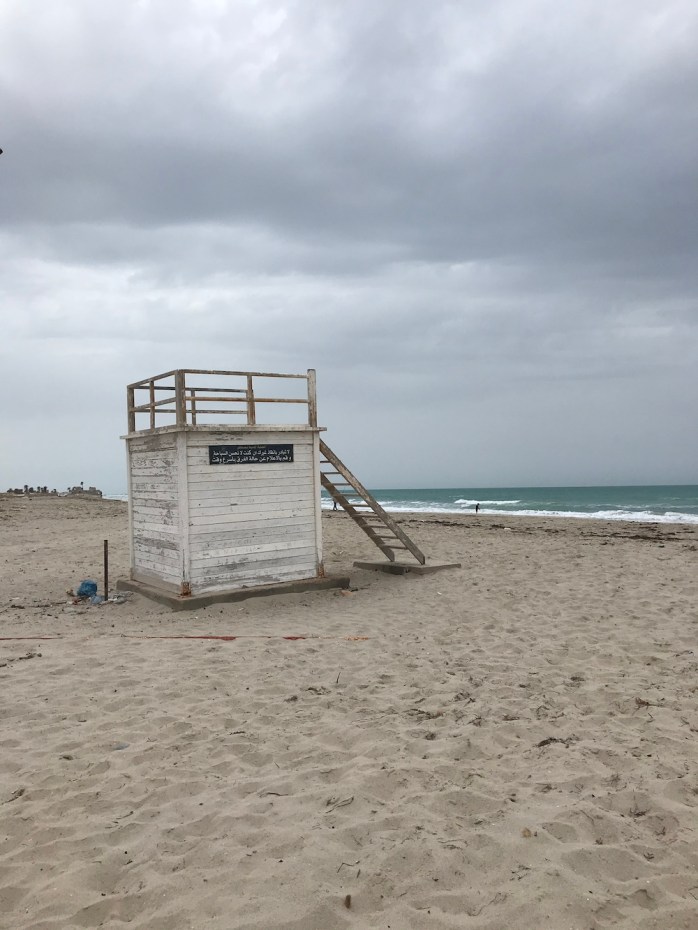
Baywatch Tunisian Style
We caught a car & passenger ferry across to the island and there was a competition on to guess how much it was going to cost each car (car + 3 passengers), guesses came in from $2 – $20 dinar (local currency) with the final result being 600 millines (cents – which is 30c Australian). 600 cents is no typo, the Tunisian currency is measured in $0.000 (there is 1000 millines/cents in the dinar/dollar).
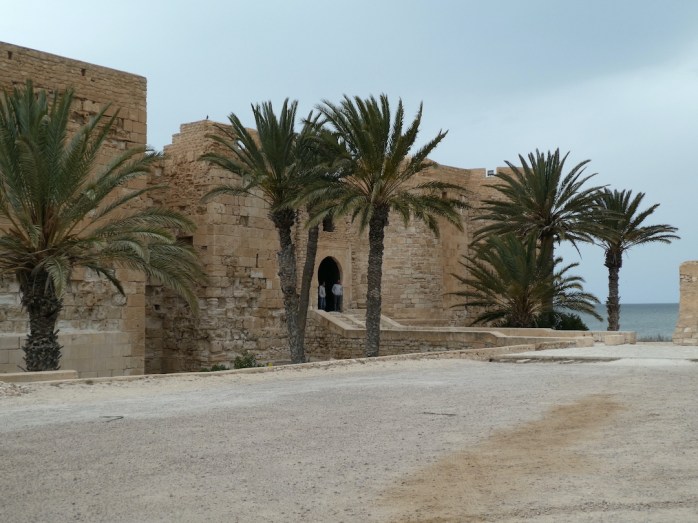
The Ghazi Mustapha Tower on the north of Djerba Island
We attempted to visit the El Ghriba Synaogue (the largest in Africa) but it was closed for cleaning. I have never visited a synagogue – oh well another time. The island has over 200 mosques, and you wouldn’t believe how hard it was to navigate to the one we decided to visit!
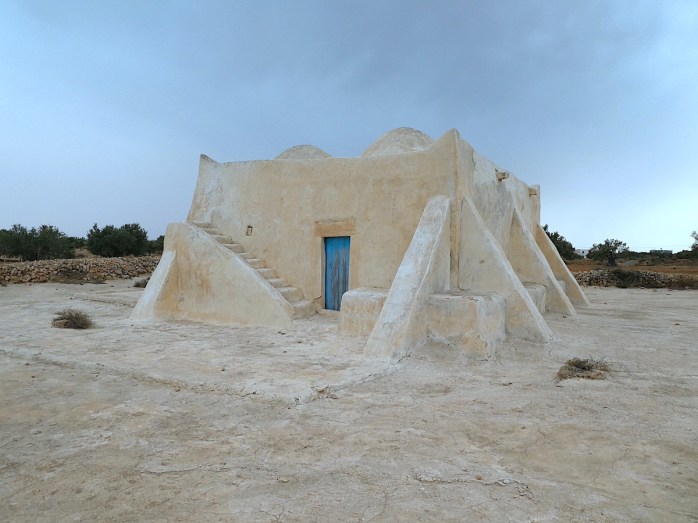
The Underground Mosque
The underground mosque, a navigators nightmare to find, and to be honest we may not have even found it as this wasn’t technically underground, anyway, we relied on google who in its wisdom took on the most direct route via some private driveways/homes and through some olive plantations. It was as advertised closed, but the door was unlocked (Phil checked).

The Camel Riders Club
Tony & Shannon (Sweetie), Jean & Yolène (Caffe Latte), Phil & Maree (Red Roo)
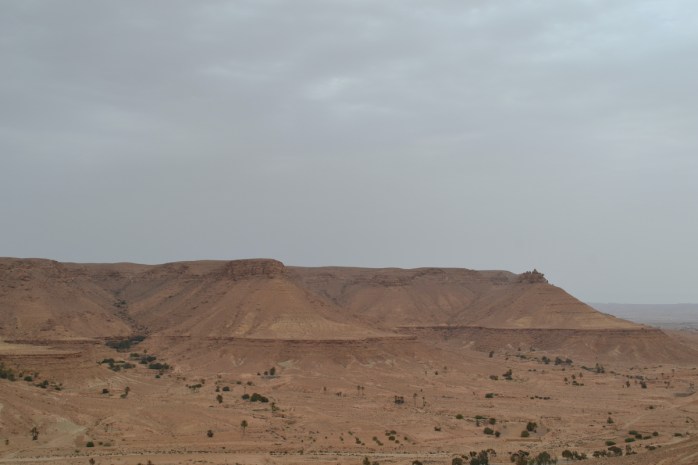
The landscape driving to Chenini
Arriving at Chenini in the late afternoon was another adventure of its own. Looking for our accomodation and again relying on google the lead car (girls) followed the instructions given which led us up the mountain on the wrong side via a donkey track that got incredibly tight with steep drop off’s on the side, after some advice from the locals (some yelling from above and others waving wildly below) we managed to reverse out and get to the correct side of the mountain.
Once we managed to arrive safely we were pinching ourselves – is this place for real??

Chenini
WOW & AMAZING go some way towards describing our first impressions along with “am I dreaming”. I am not often lost for words but this place has to be seen to be believed. The colours, the blending of life and nature, the people who live here – how tough must they be now and even more so before power, water and modern conveniences were the norm.
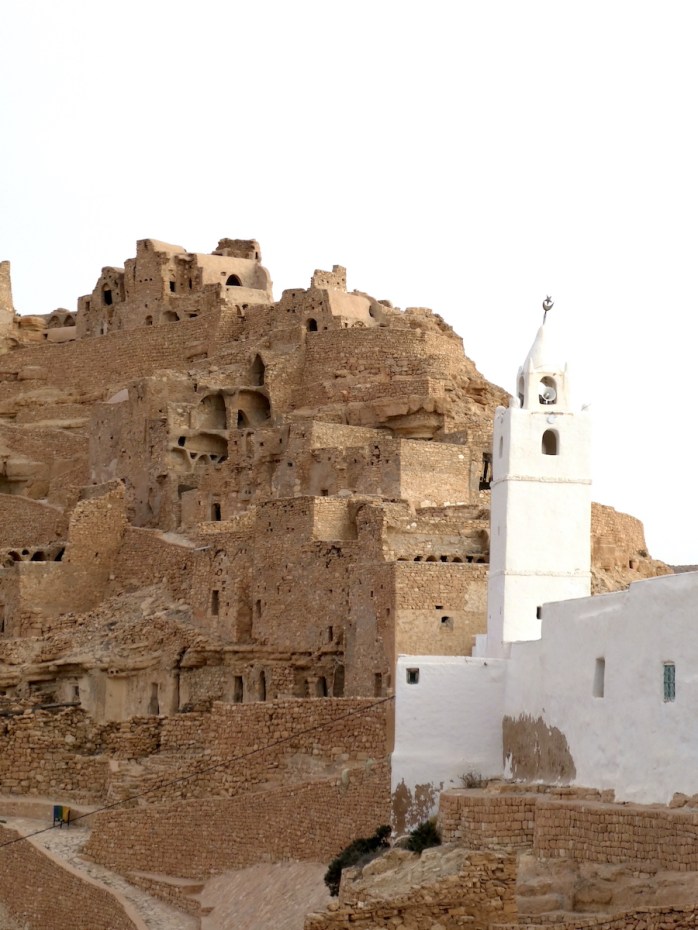
The Chenini Mosque and Hillside 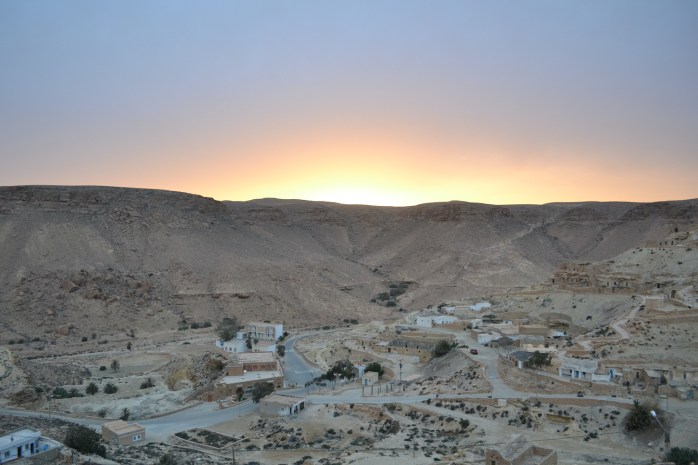
Sunset over Chenini Valley
We couldn’t wait to explore but that would have to wait until morning, first there was a hill to climb to our rooms, then a drink to be had as well as a delicious 3 course traditional Tunisian dinner – the food in a word – delicious! Indeed we asked the chef for the recipes much to his surprise and he was a little shy in sharing. Shannon (from Sweetie) and Phil (Red Roo) have both attempted to remake one of the dishes served with limited success – keep trying both of you!!

Gates in the hillside 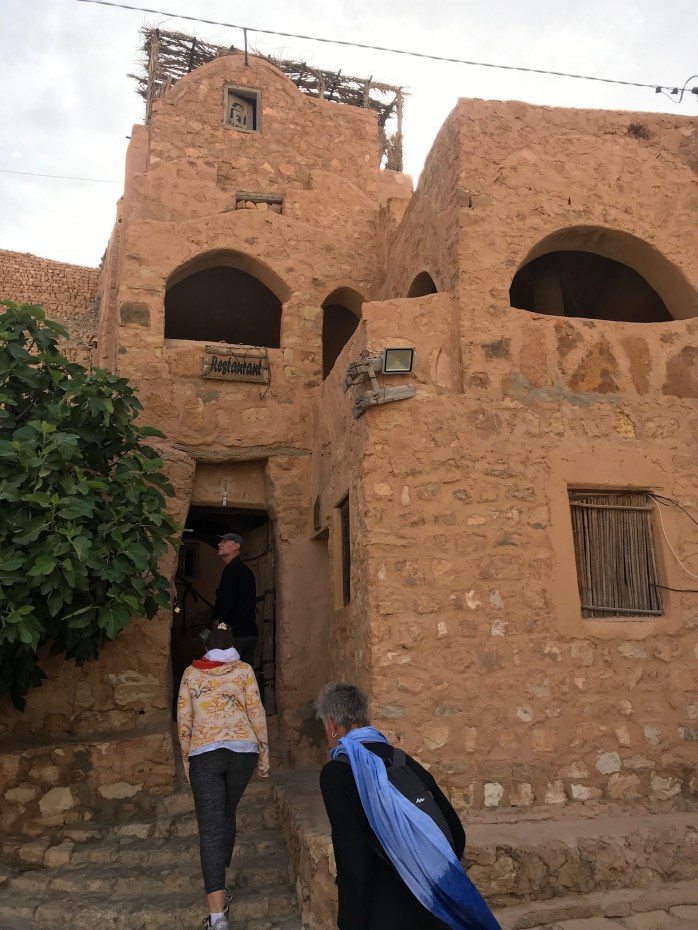
The Hotel 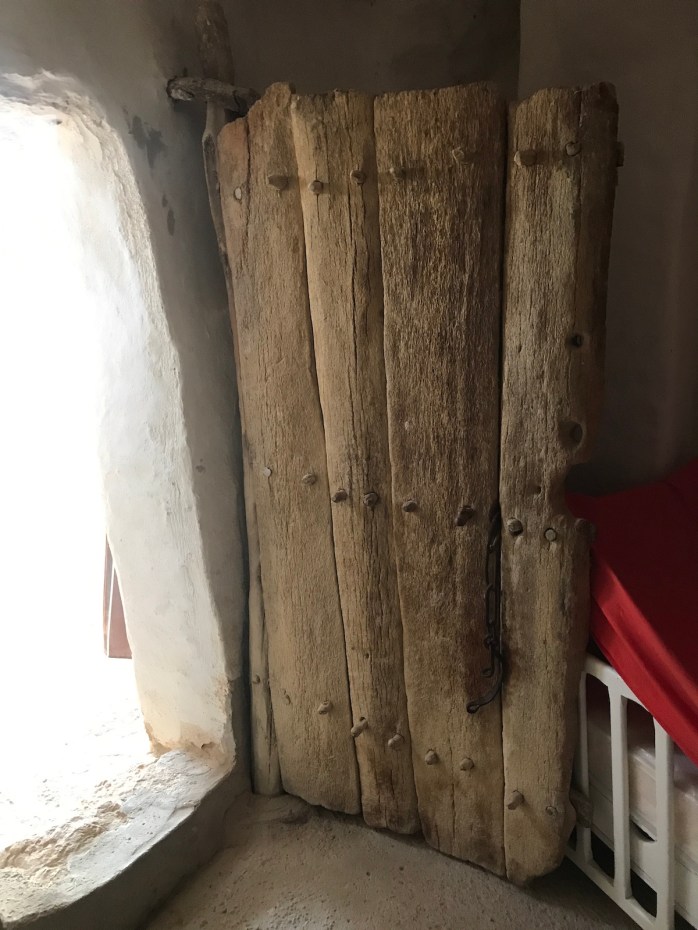
Palm tree’s use for doors 
Enjoying a meal at Chenini
Day 3. CHENINI, TATAOUINE & The Surrounding KSAR’S

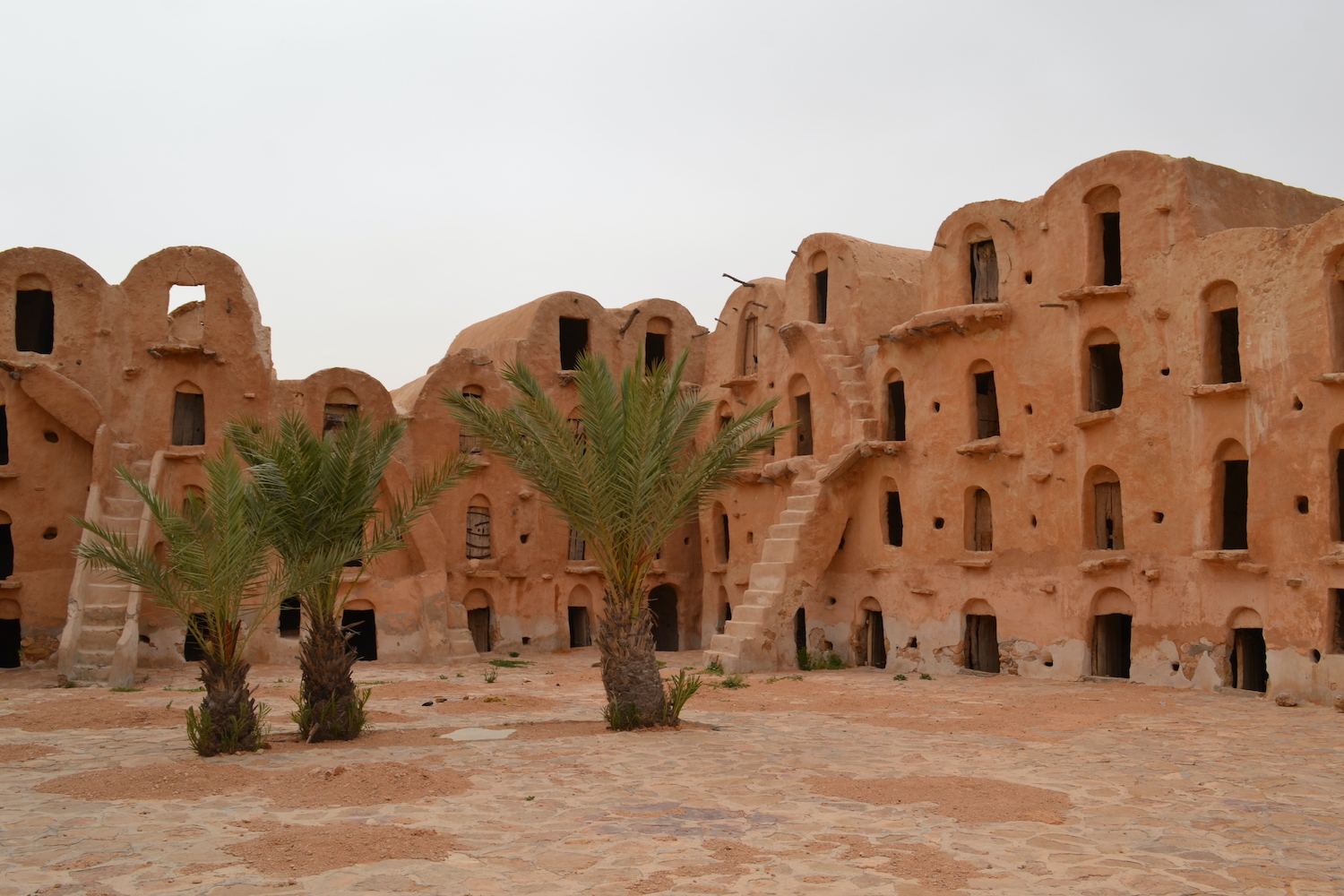
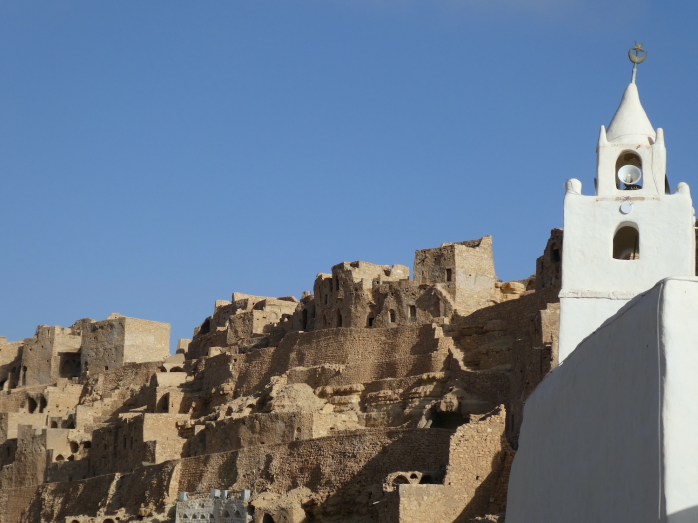
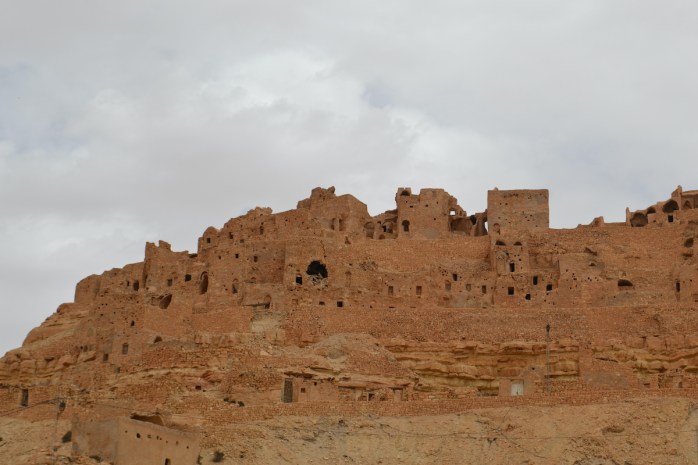
We hired Bou Bou the Berber guide to show us around Chenini. The picturesque ruins of this 12th century ksar (grain storage) sits proud at the top of a ridge with the settlement running down and out from this point cut into the rock along a series of small terraces that lead around the steep hillside.

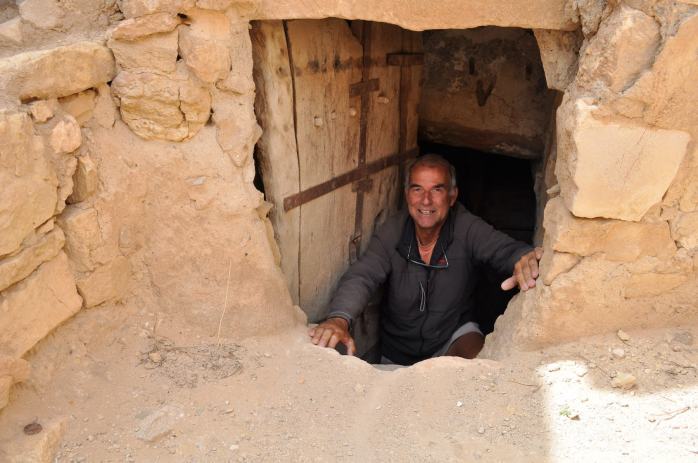


Visiting Chenini and spending the morning roaming the hillside and ksars was an absolute delight and a definite highlight of our trip. We learnt so much, and Bou Bou earns his money with possibly more questions being asked to him than he has ever had before!
One of the things we learnt was to do with the burial of Berbers, graves are marked with either 2 stones or 3 stones. Females have 3 with one on the head, womb (belly) and feet and the Males just the two one on the head and feet.
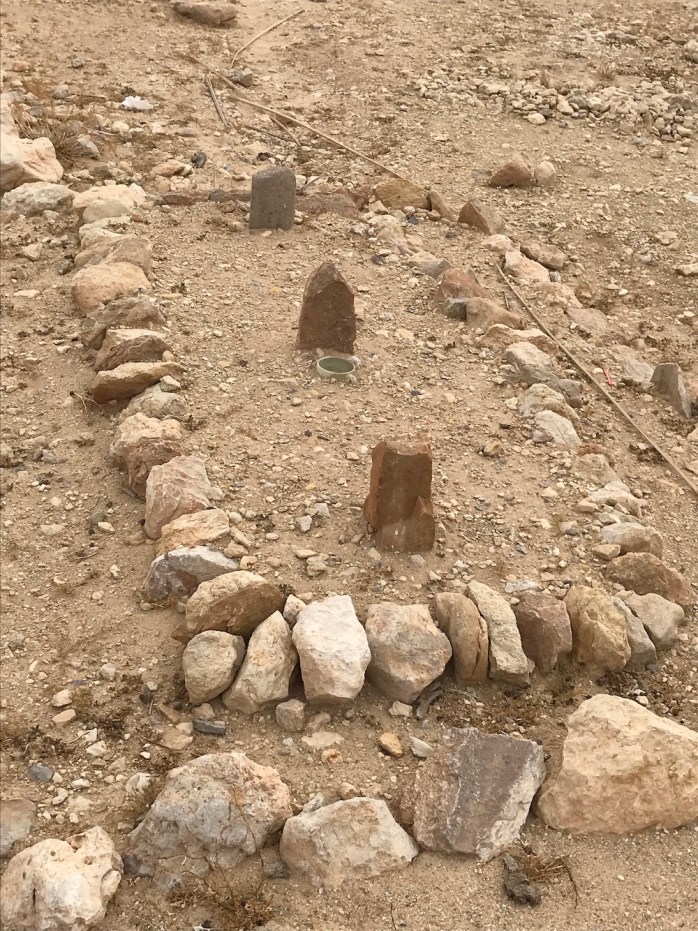
Female Grave 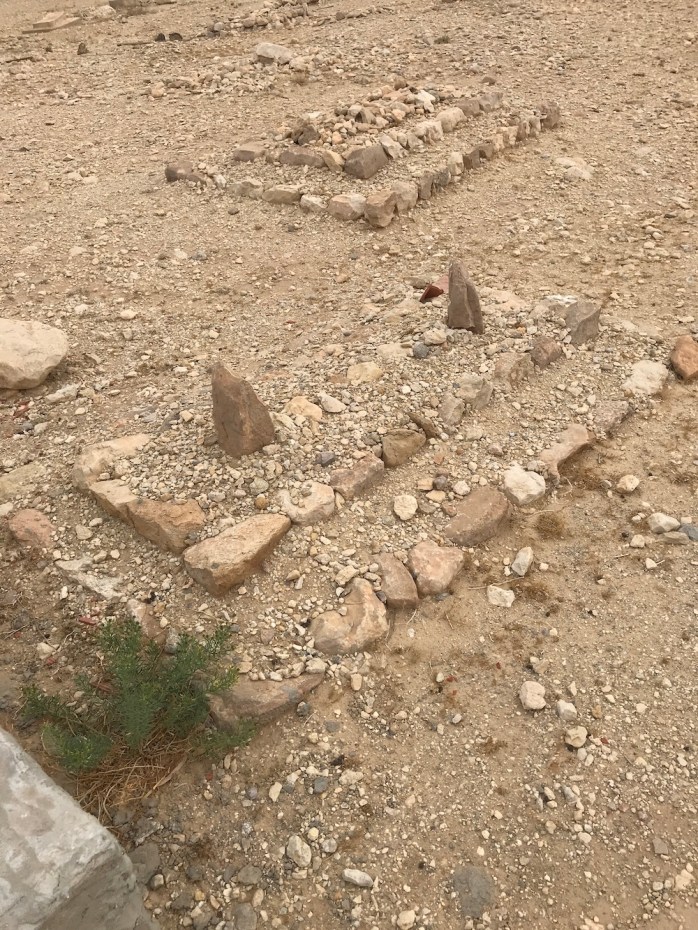
Male Grave
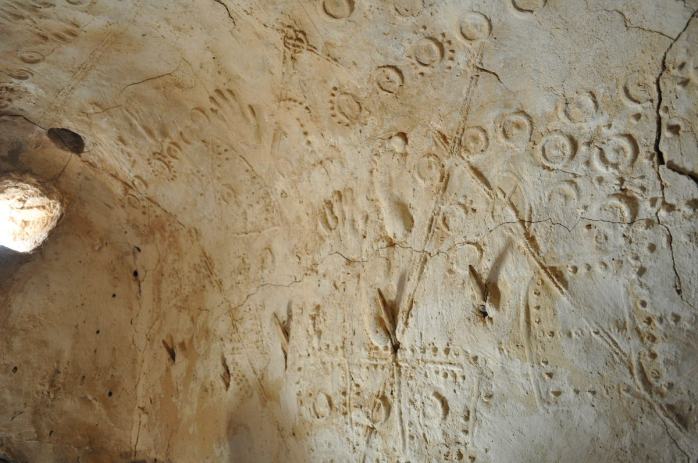
In regards to exploring the hillside, the ksars and every little nook and cranny I will let the pictures do the talking.


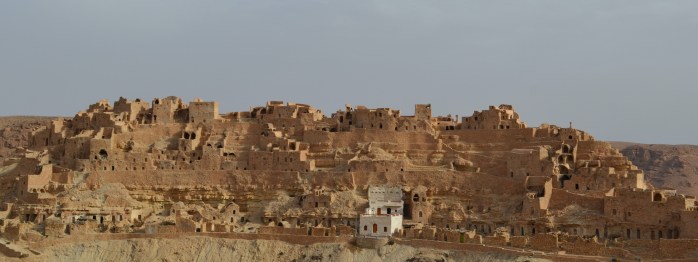
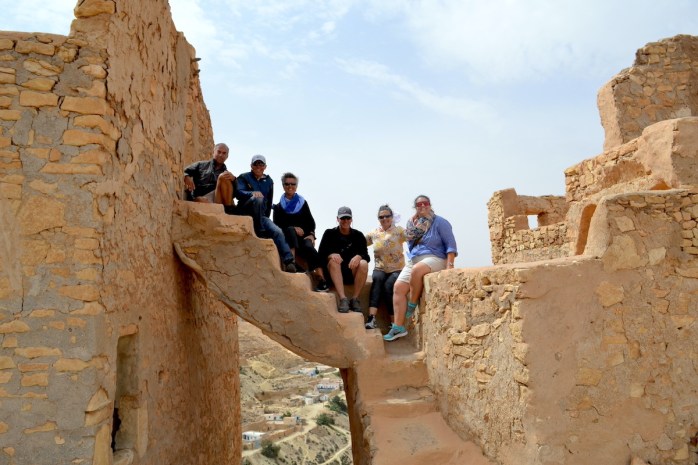
In the afternoon we drove to several nearby villages to view their ksars all a similar history yet very different to look at depending on the location.

Ksar Soutane
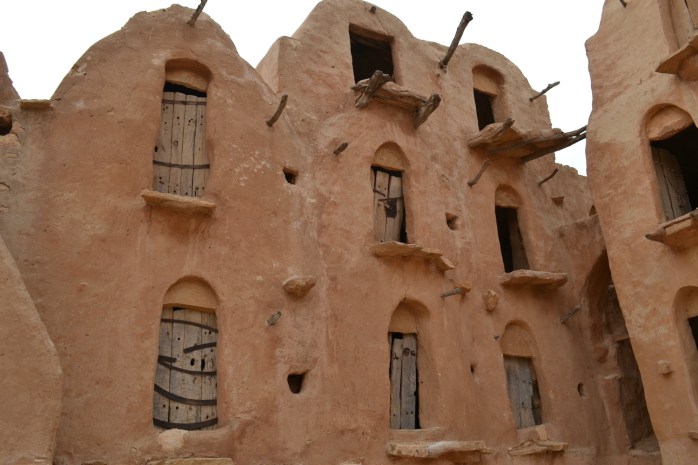
A ksar is a structure that typifies Berber (native) architecture, it is the traditional fortified granary built by regional tribes to preserve and protect precious grain crops. Ksars were usually built on natural defensive positions and occupy some spectacular hilltop positions. The low humidity of the region combined with the cool conditions inside meant that grain could be kept for years without deteriorating. The rooms were sealed with doors made of palm trunks to ward off insects thrives and weather. Sometimes a caretaker (often a local religious figure) regulated how much grain could be taken by owners during times of drought, and prevented crop holders from squandering their resources through a system of enforced saving and stockpiling. The half sealed doors means the family that owns this store has moved away from the region or passed.
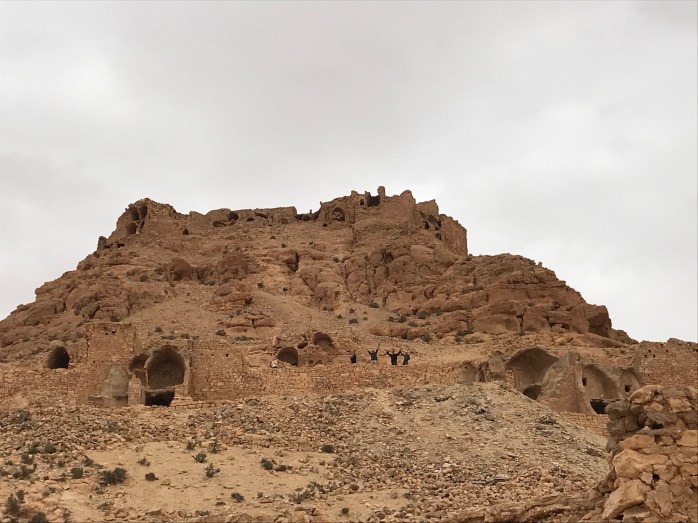
Ksar Douriet – Spot the tourists waving from the first wall
Ksar Douriet is abandoned both by residents and tourists so it was a great visit to wander around at our leisure.
Ksar Ouled Debbab – Used up until a few years ago and now partly transformed into a hotel. However it seemed abandoned and we are sure this was due to the fact there was a large dinosaur on site. Luckily we had our Aussie Wildlife warrior with us who subdued it and made the area safe for us – thanks Phil.
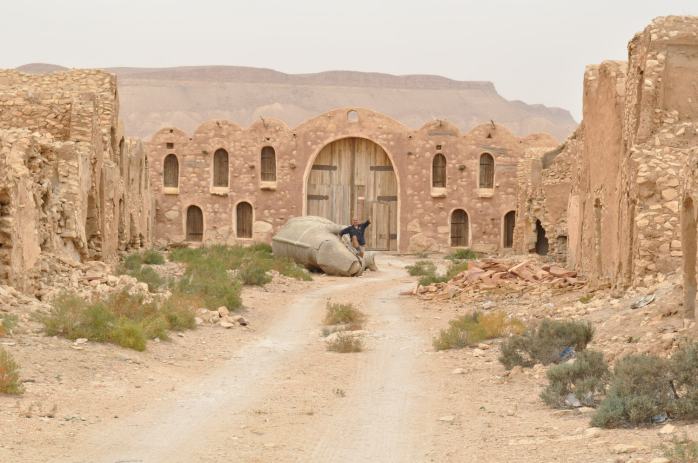
Phil wrestling the dinosaur 
Success – we are safe
Ksar Soltane – Two magnificent courtyards of the best ksars we visited (restored and touched up when used in movie scenes). We played like children/monkeys and took endless photos.
Ksar Soltane 
Monkey 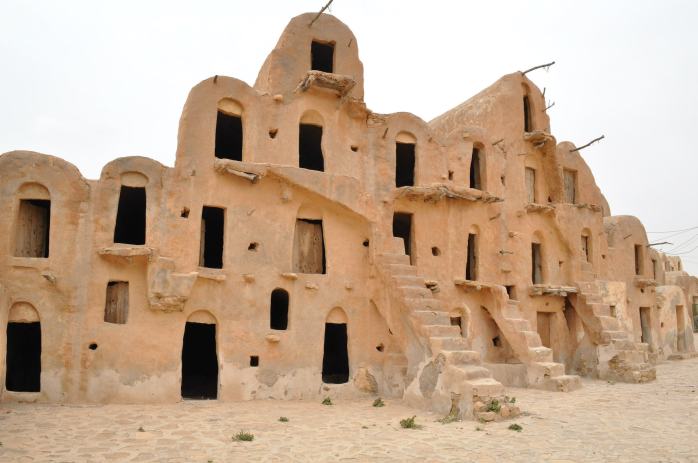
So Unique
Ksar Jlidet apart from Chenini it seemed the most authentic.

Ksar Jlidet 
Shannon at Ksar Jlidet
Day 4. CHENINI – CHEBIKA via Douz
A 370km drive to the very west of Tunisia to where we could see the Algerian border.
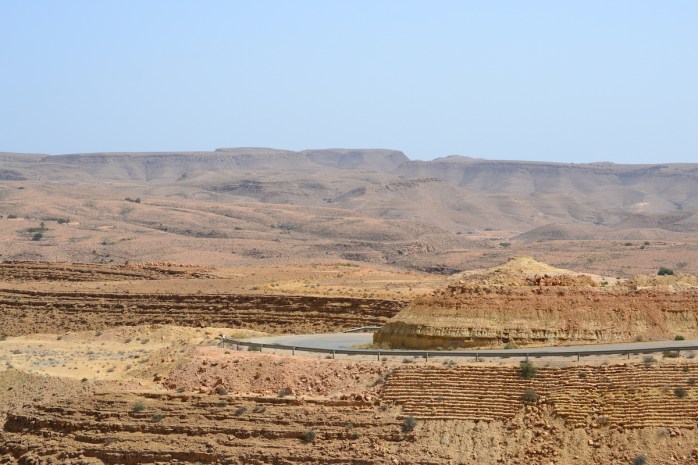
Scenery along the drive 
The dunes along the road
We passed through Douz the doorway to the Sahara Desert then crossed “Chott el Djerid” a large 7,000 square km salt lake. The landscape was diverse from rocky hills to white sand, to red sand, to salt lake/clay pans. Some very familiar sights reminding us of home in arid South Australia.
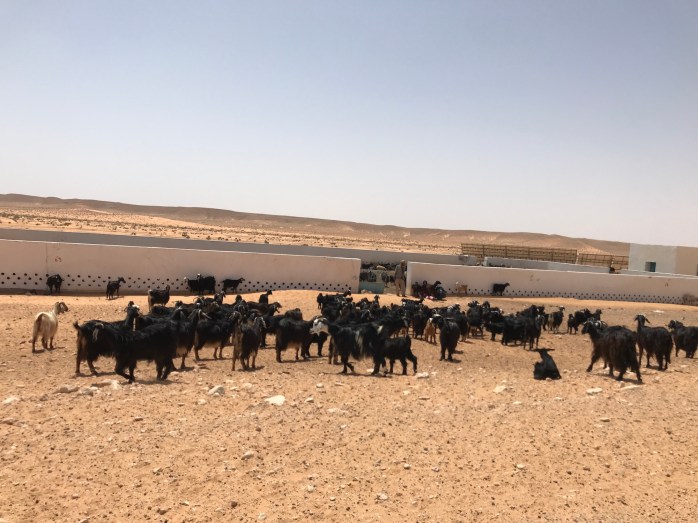
A goat farm in the barron desert 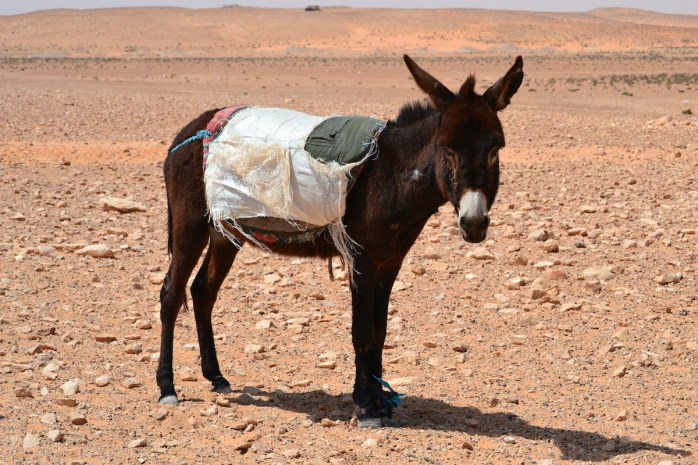
Donkey on the roadside
We passed a variety of animals in this seemingly inhospitable environment.
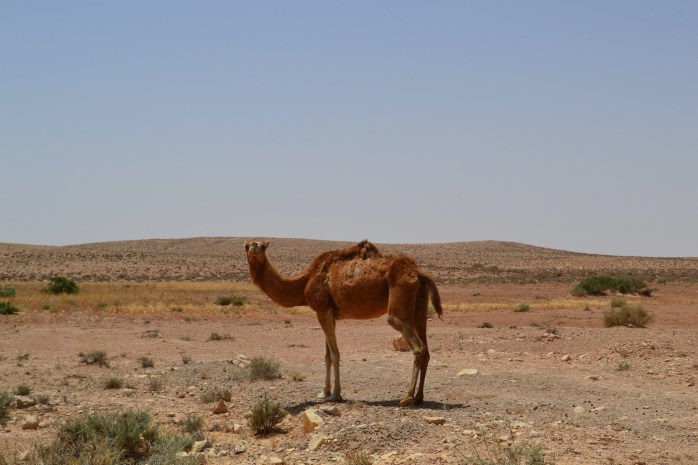

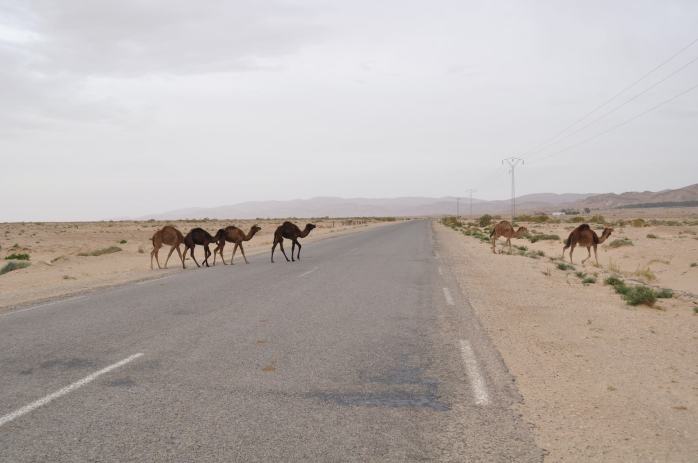
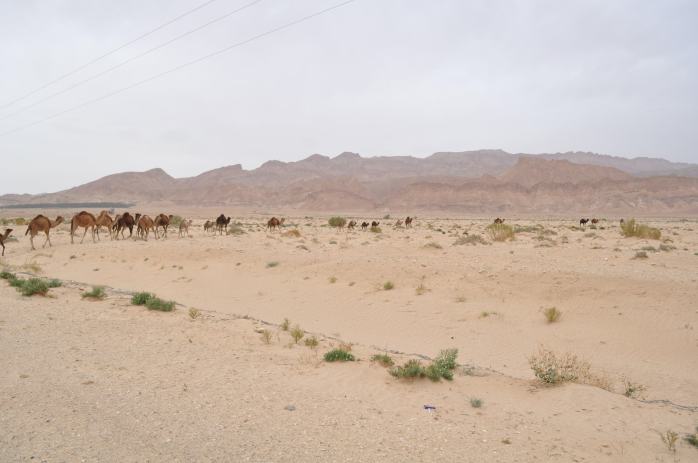
We stopped multiple times for camels crossing the road
The West is known for its vast canyons and desert oasis’s, we couldn’t wait to explore and were not disappointed as it was all there waiting on our arrival.

Arriving at Chebika
Day 5. CHEBIKA, TAMAQZAH & MIDES.
The Desert Oasis & Golden Canyon.
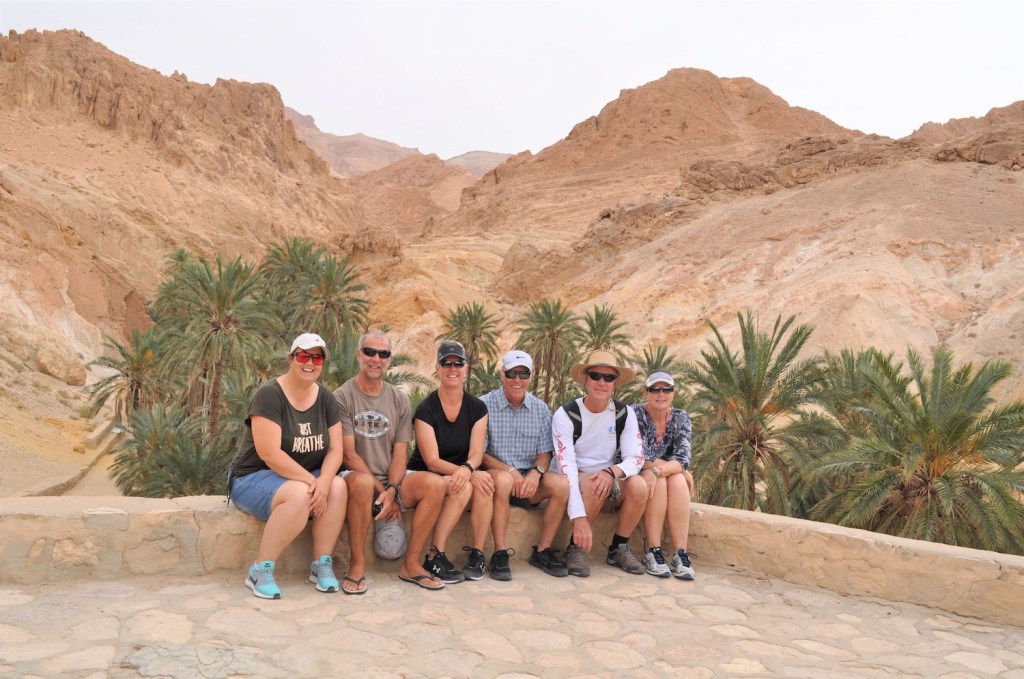
Possibly my favourite day of our 6 day adventure. We started with a tour of Chebika with Mr Friday, showing us the old village which was washed out in 1969 when it rained for 3 weeks straight.
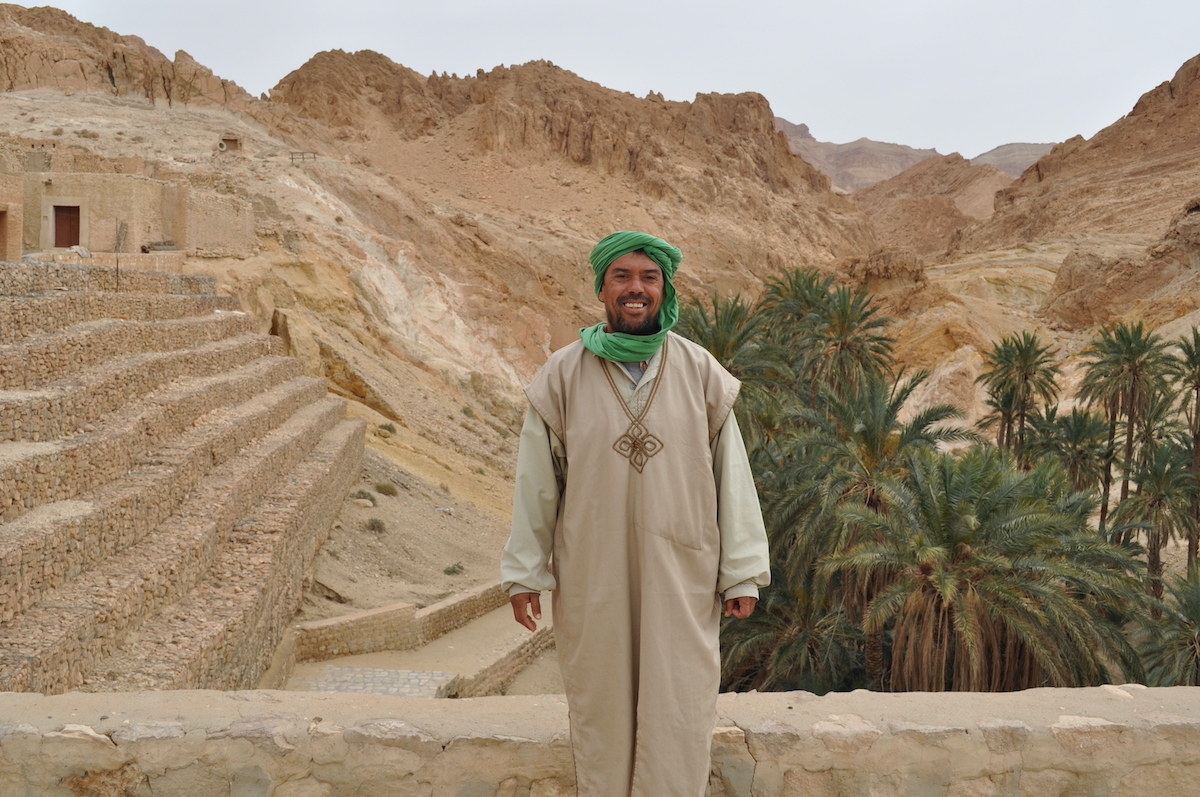


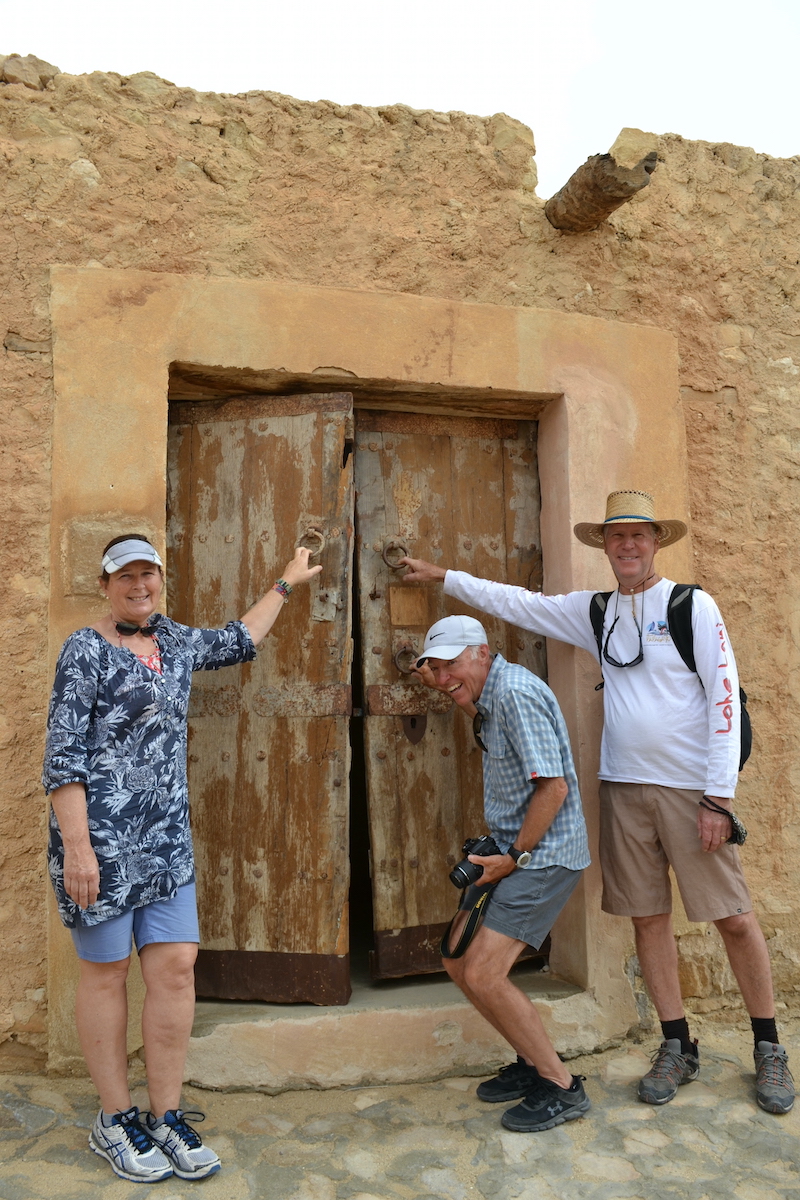
We learnt that Tunisian doors have three knockers. One for females (LHS), one for males (RHS) and one for children (lower RHS) they all sound a different knock due to their location so the household knows who is knocking. Funnily enough we hadn’t before noticed the three knockers but after that point noticed them everywhere in every village even back in Monastir.
We then headed up the valley behind the old town climbing up to a summit with amazing views looking down on the old town, new town, canyon, oasis, palm trees and the expansive flat desert to the west. We all sincerely enjoyed this, with Mr Friday’s motto being “بشوية شوية” pronounced “shwaya – shwaya” meaning slowly slowly, well he was wearing his Sunday slippers (yet he was concerned about Phil’s double plugger thongs).
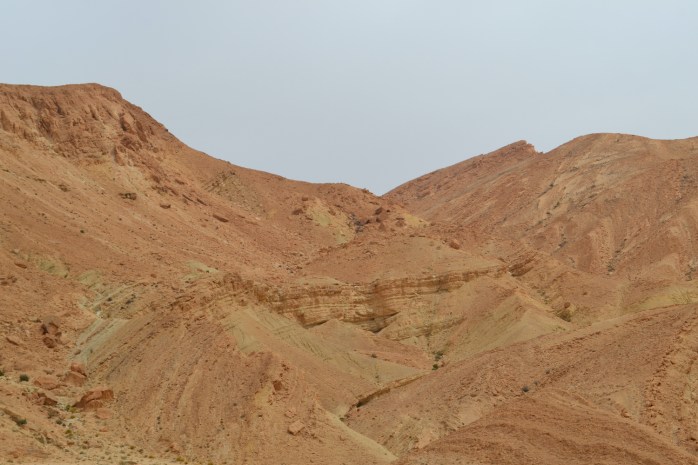


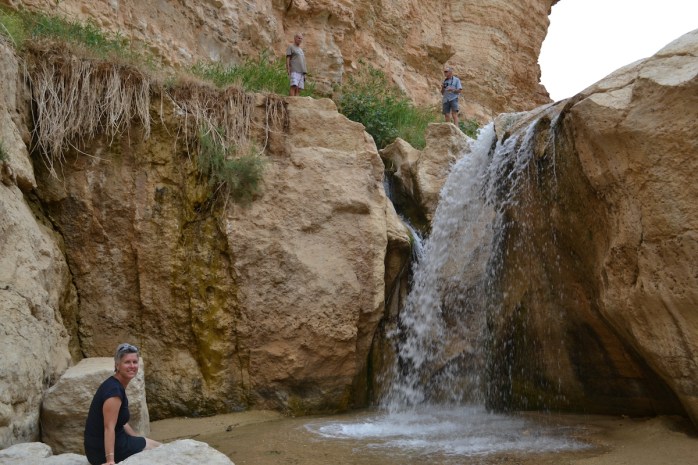
We then descended into the oasis to see the source of life – a very small spring in the rocks, leading to water pools and waterfall (cascade).
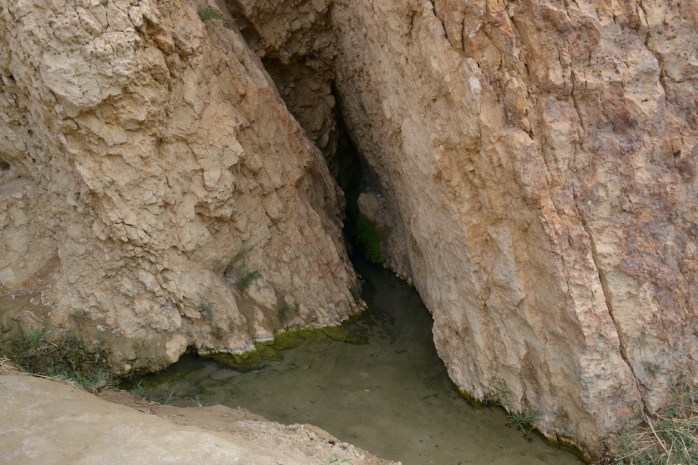

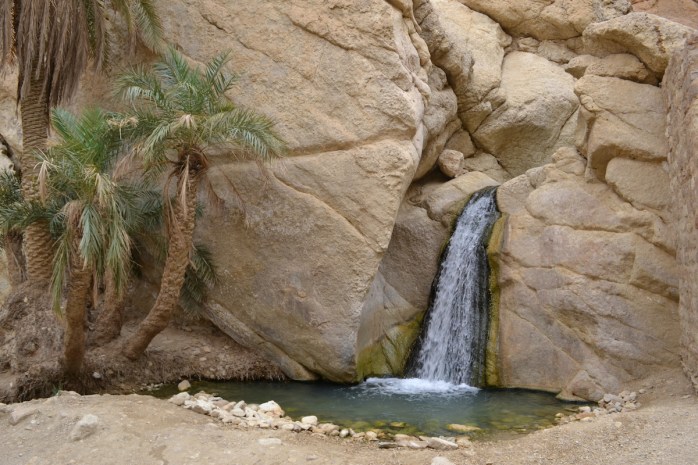

Next was the nearby village of Tamaqzah where we enjoyed a 3 course Tunisian lunch before exploring the Golden Canyon – so much fun and amazing views around every corner, the colours and contours of the rocks were mesmerising.


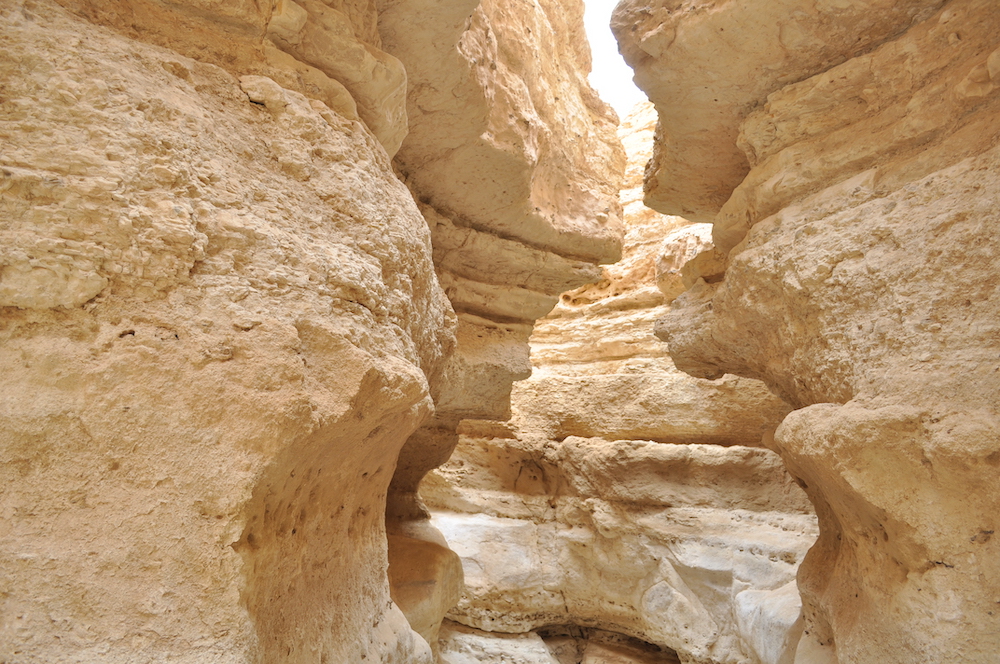
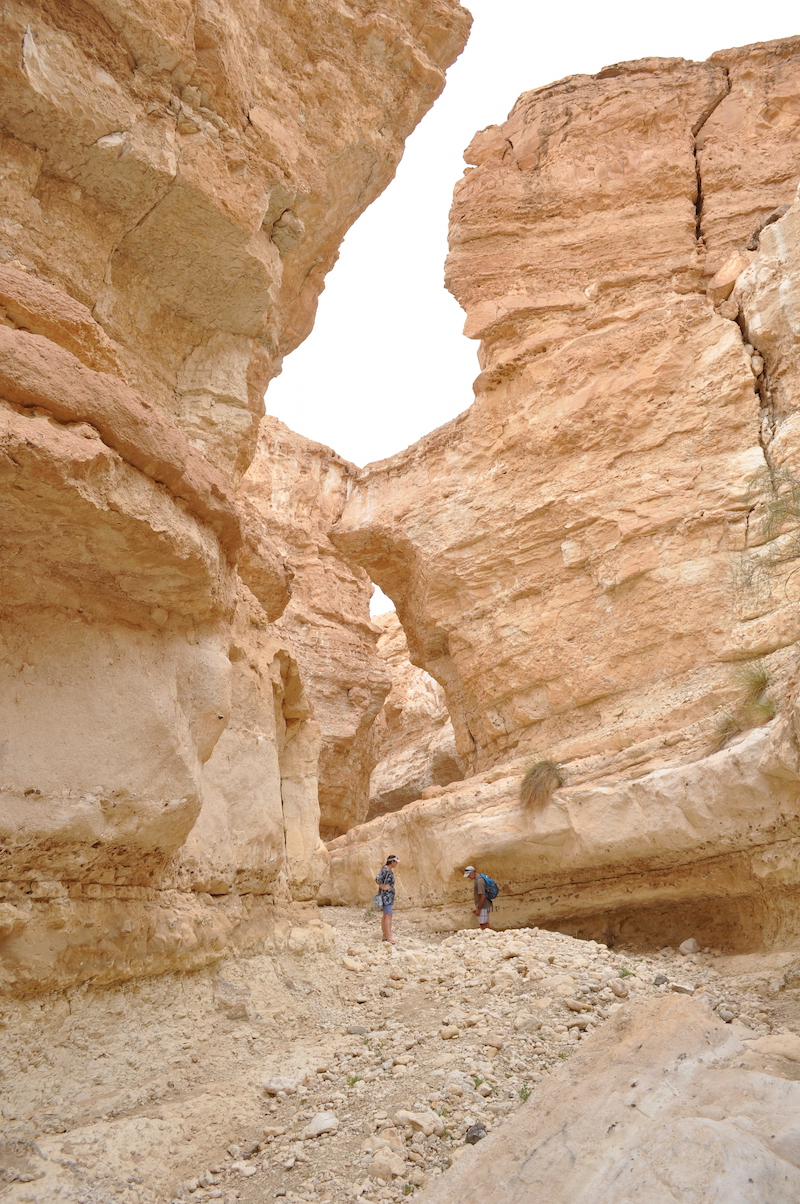
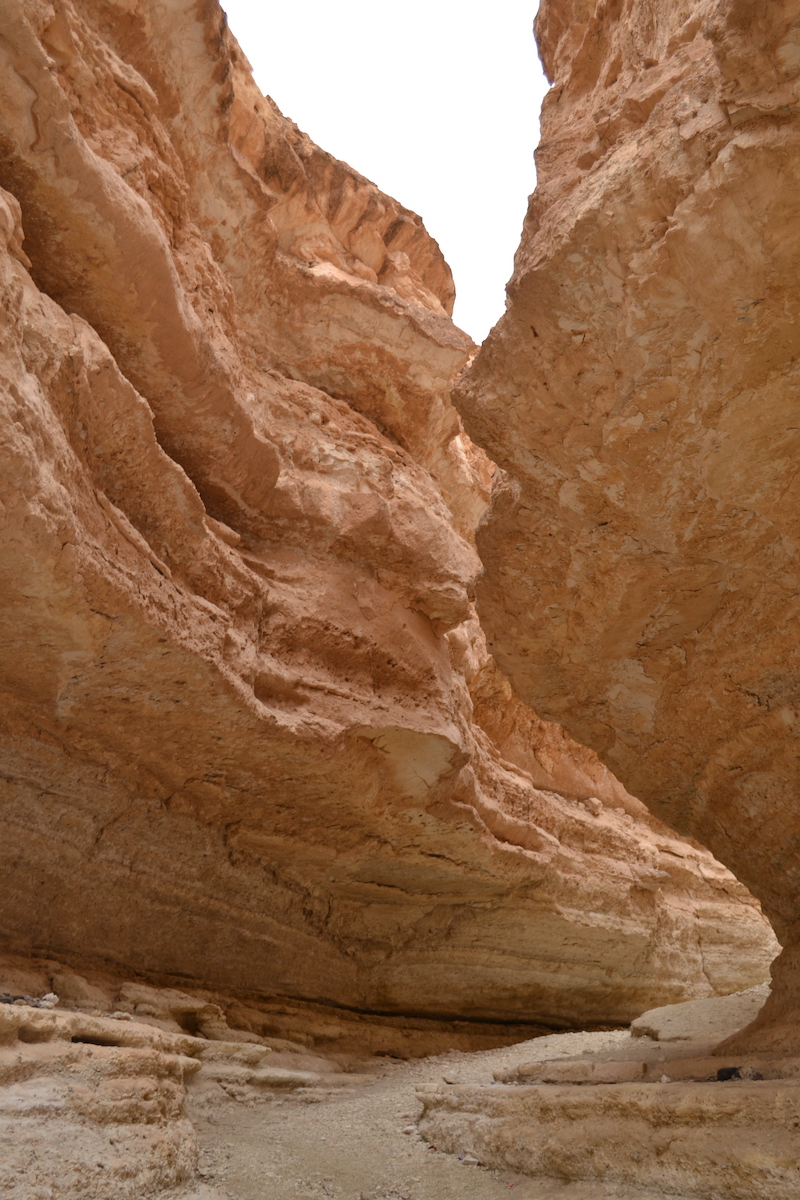
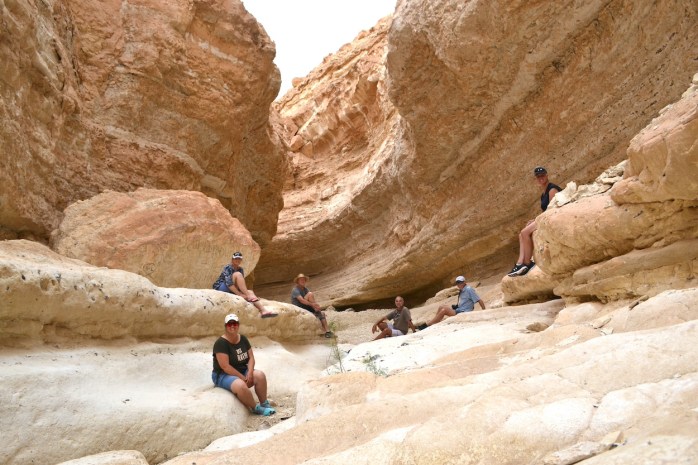
We then visited Midas the most Western point with yet another canyon and the outpost guarding the Algerian border which when we approached by car the armed guard came out which encouraged us to turn around and go back to the main road. A fantastic day with desert, rocky hill climbs, oasis waterfalls, canyons and of course wonderful company – so lucky to have such great friends and fantastic travelling companions.


Day 6. CHEBIKA – MONASTIR via SBEITLA
400 km, 6+ hours to get us home but with a fantastic stop around the half way mark at the town of Sbeitla.
However before getting to Sbeitla we had the boys leading us through a large town looking for a place to buy a baguette for lunch. This little adventure led us in circles and even had us driving through the market street during which the black car (boys) managed to knock the stand out from a trestle table of one of the ladies selling clothes. Never fear the girls stopped to ensure this was corrected with the help of a man on a motor bike who assisted the lady to put her table to rights.
Arriving in Sbeitla was exiting not only for us but for the staff at the ticket counter to sell us our tickets into the ruins, they hadn’t had regular tourist visits for over a year and didn’t have any change to sell us our tickets! We managed the correct change between all of us eventually.

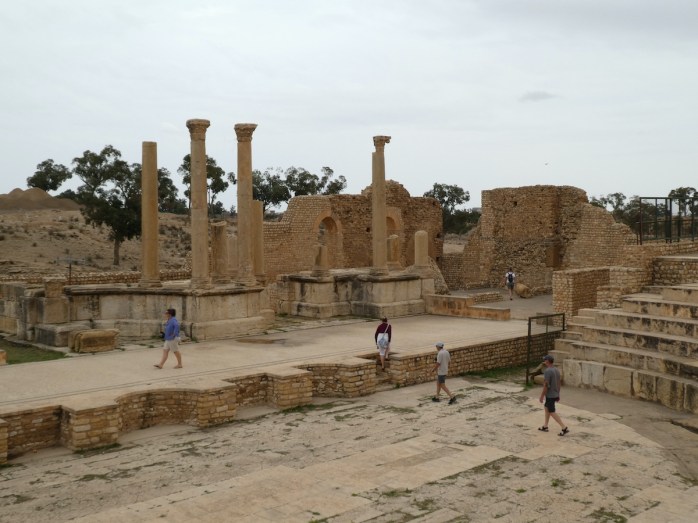
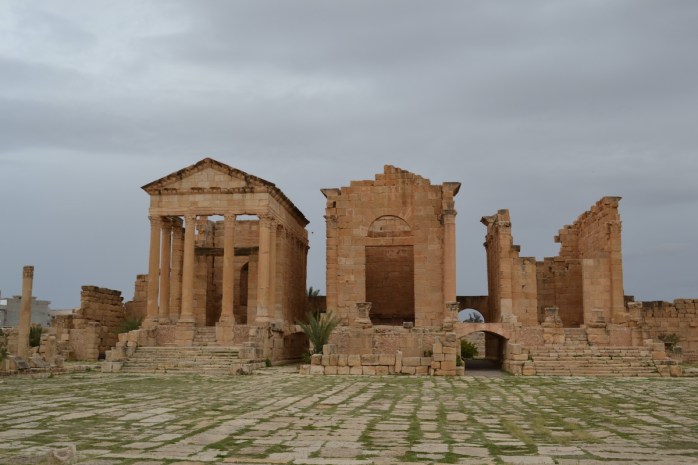
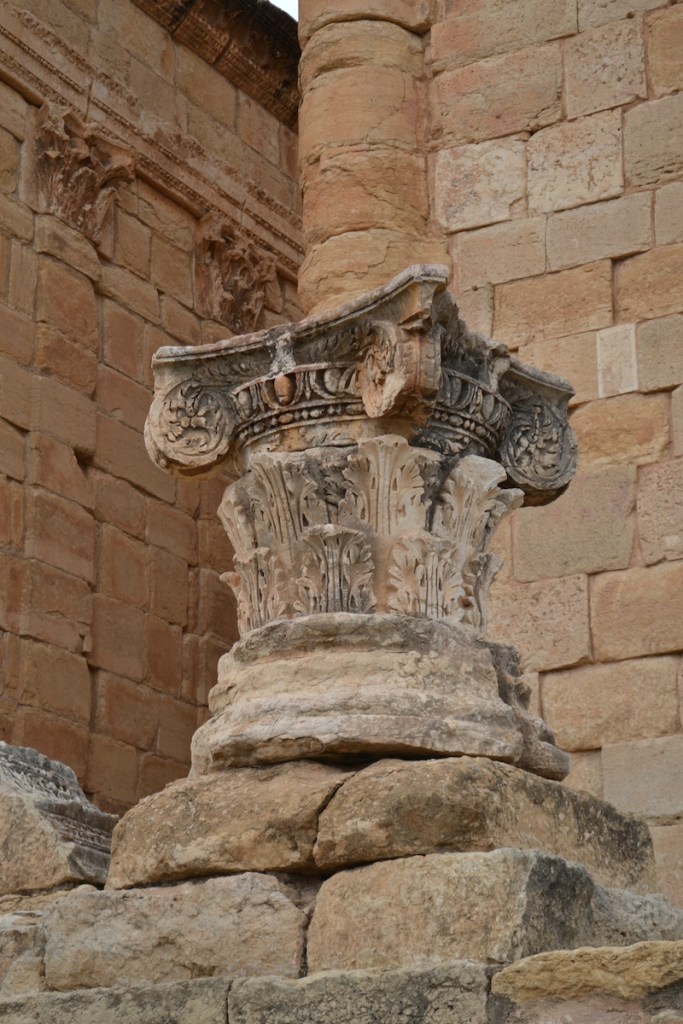
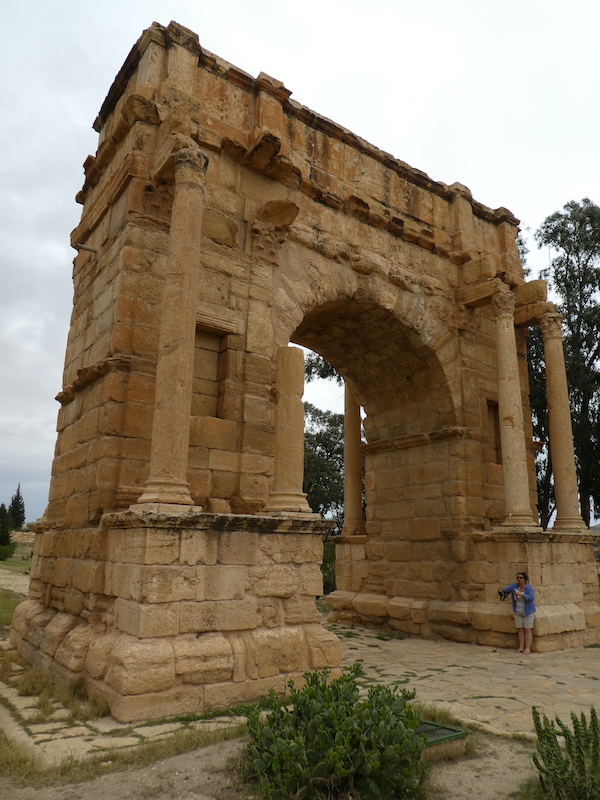
This Roman settlement established at the start of the 1st century is famous for its remarkably preserved Roman temples. We visited the Antonine Gate (built AD 139), the three 2nd century temples Jupiter, Juno & Minerva, the remains of the Great Baths, the Theatre and of course the Churches.


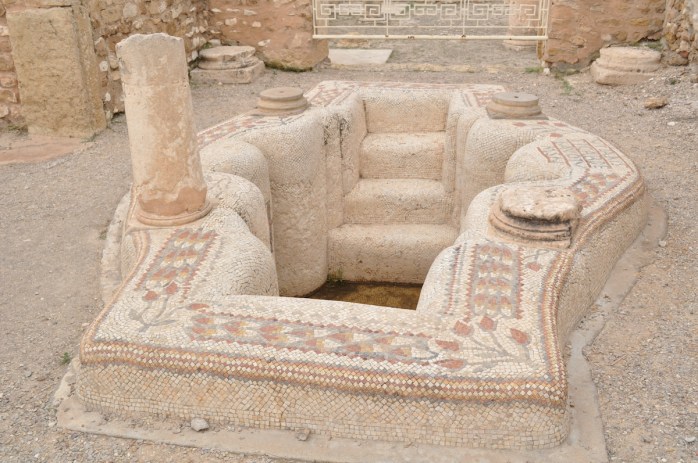
Whilst exploring the ruins the word had passed around town that tourists had arrived and one enthusiastic entrepreneur (the guy from the adjacent service station in his uniform) jumped the fence into the ruins and gave it his all to try and sell us some supposedly ancient coins and mini statues. Furthermore upon return to the cars the local police were parked behind us guarding our cars who then stopped the traffic on the main road to allow us to pull out and leave. Talk about rock star treatment.
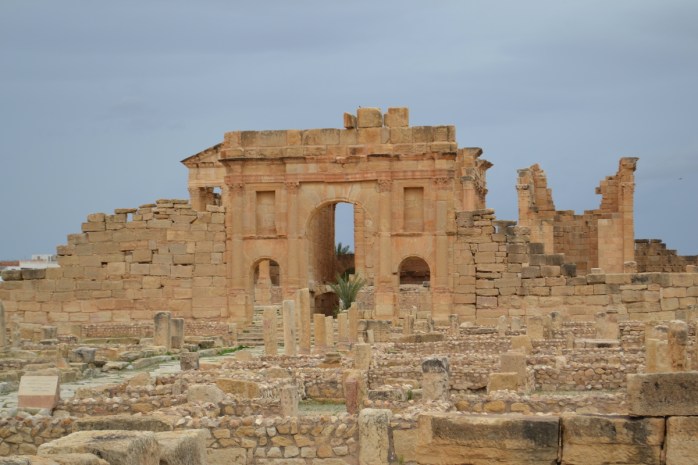

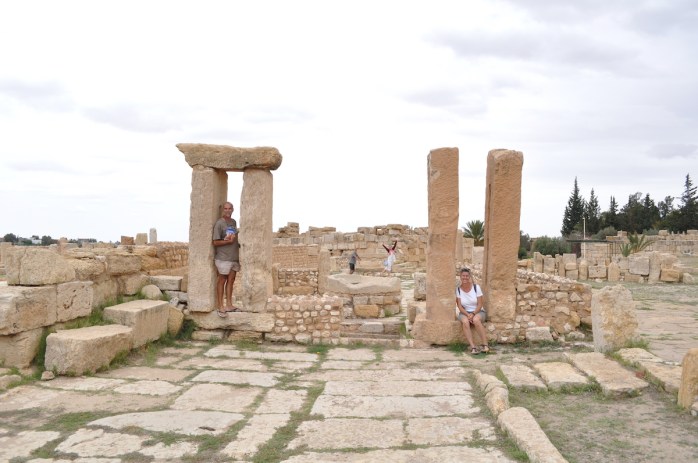
Tunisia has shown us over the last 6 days a magnificent display of landscapes, ecological habitat, generous people, mind blowing architecture, wonderful food, a rich history and a unique culture with their own way of living. Thank You Tunisia we won’t forget our experience, and also to our wonderful travelling companions from yachts Sweetie and Caffe Latte.
Red Roo Haul Out
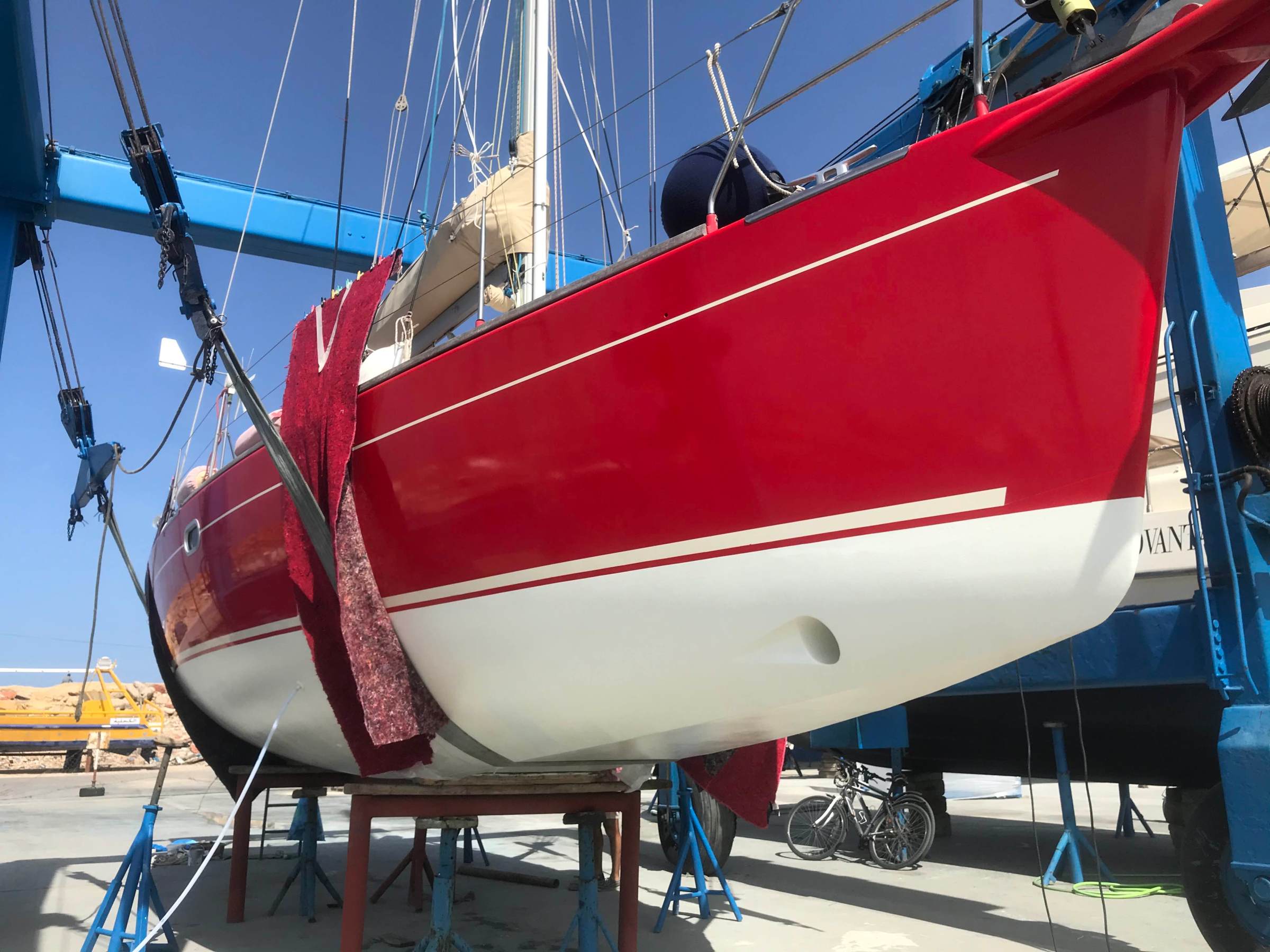
It was time to take Red Roo out of the water and tackle the maintenance she was due.
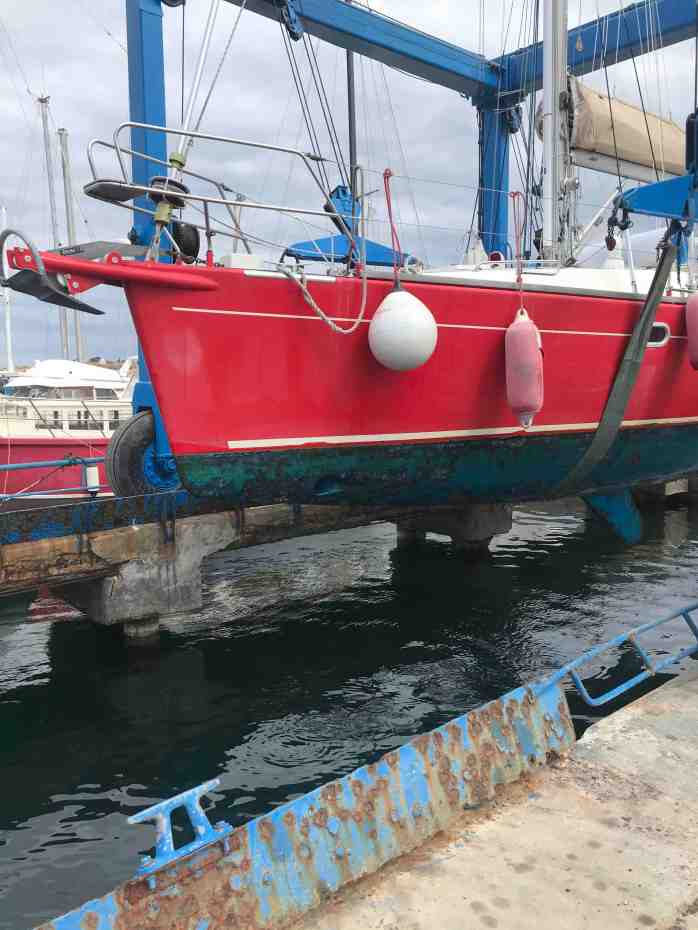
Red Roo being hauled out of the water 
Happy with a safe lift out, and pleased with the bottom condition 2.5 years since our last haul out
The priority for this haul out was to replace the propeller shaft stern tube seal which prevents the water from entering the boat along the propeller shaft. The seals rubber bellows were fatigued and had started to leak water into the boat when the engine was running. So it was very important to replace this seal. As this job entails undoing and slipping the propeller shaft out we also replaced the cutlass bearing which keeps the propeller shaft in alignment and takes the torque of the engine immediately in-front of the propeller.
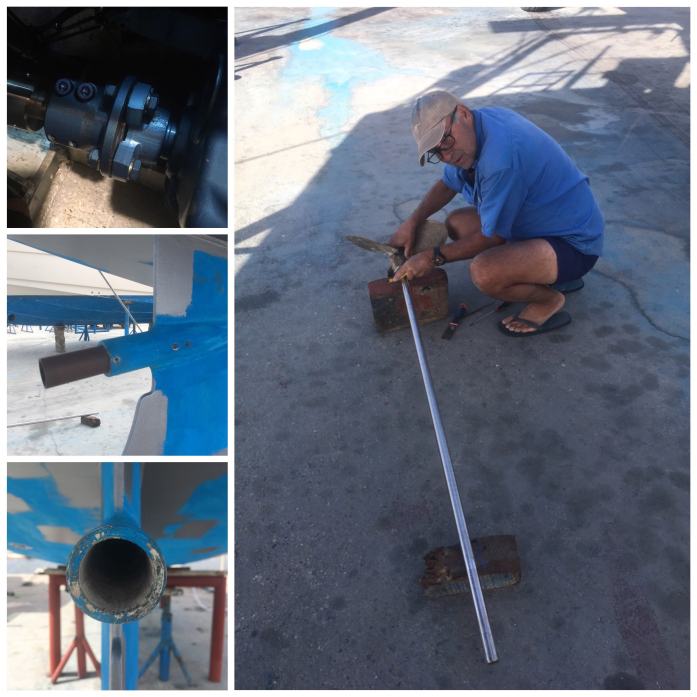
Phil busy with the “cleaner” jobs of the haul out
Being 2.5 years since our last haul out we also attended to other below waterline maintenance which included cleaning and servicing the propeller, replacing the zinc anodes on the propeller and on the skeg, cleaning the bow thruster tube and propeller, inspecting the rudder bearings, inspecting the lifting keel, cleaning all thru hull fittings, AND… of course one doesn’t simply come out of the water without doing anti-foul on the hull and a polish of the topsides.
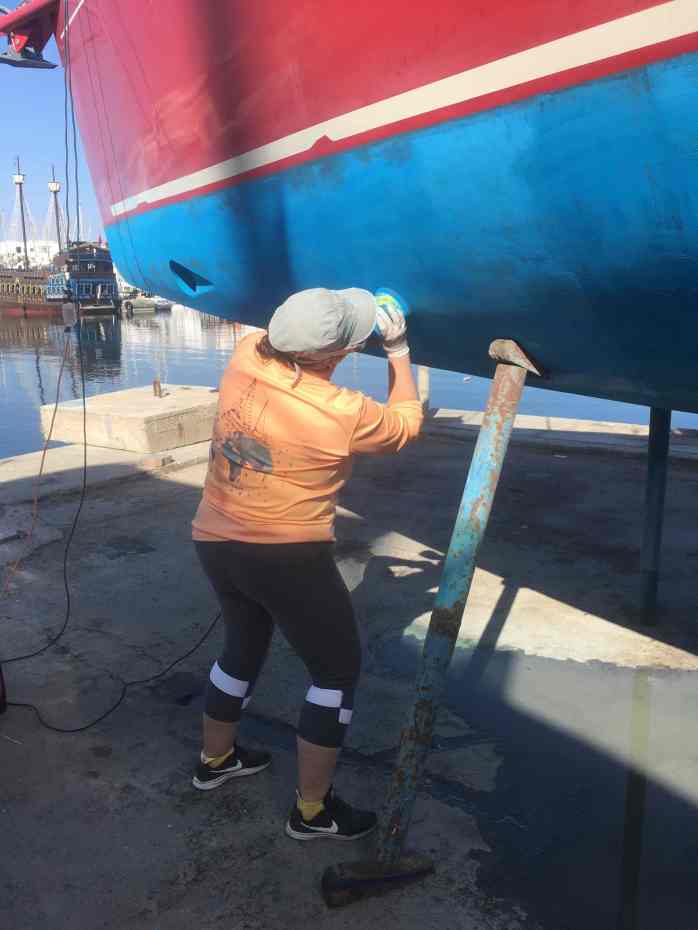
Sanding 1.5 full days of it for Maree, by hand and machine 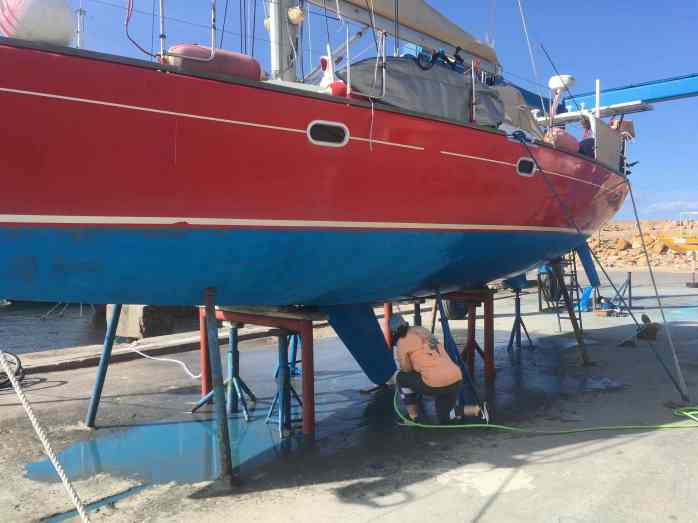
Washing after sanding and before the new white goes on 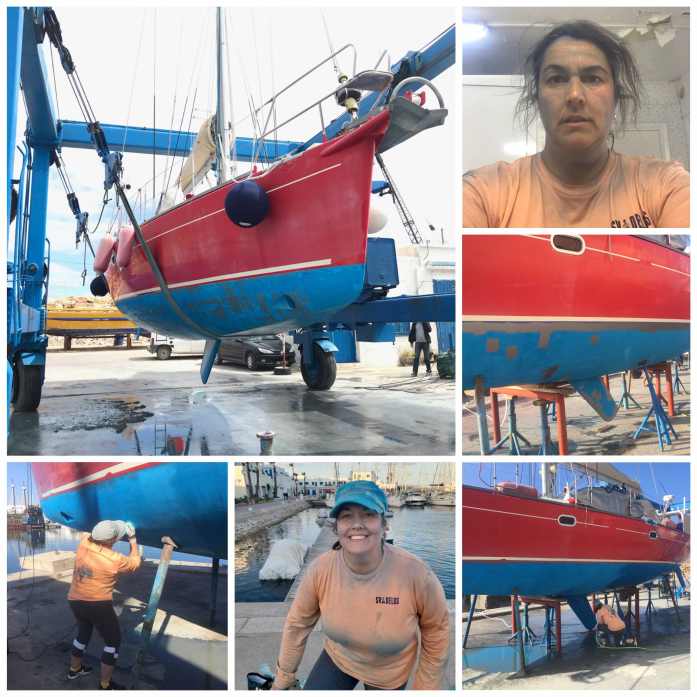
The muscles doing the dirty work, sanding and painting a few patches of primer (and that hat wasn’t blue when I started).
My best Smurf impression covered in blue for days, at least I know what to expect when I get a blue rinse in my hair.
Anti-foul is the special marine paint coating used for the hull that is always underwater to prevent sea growth accumulating on it. It paints on and prevents most sea growth from adhering to the hull. When sea growth attempts to stick/grow the paint falls off with the sea growth to protect the boat, or if it doesn’t fall off we can snorkel/dive and wipe a layer off with a soft plastic scraper or scourer pad. This means for optimum performance a good 2-3 coats all over and more on high use leading edges such as bow, rudders and keel are a good idea. The “fall off” aspect of the paint makes the job a dirty one as anytime you touch it (wet or dry) it comes off on you!
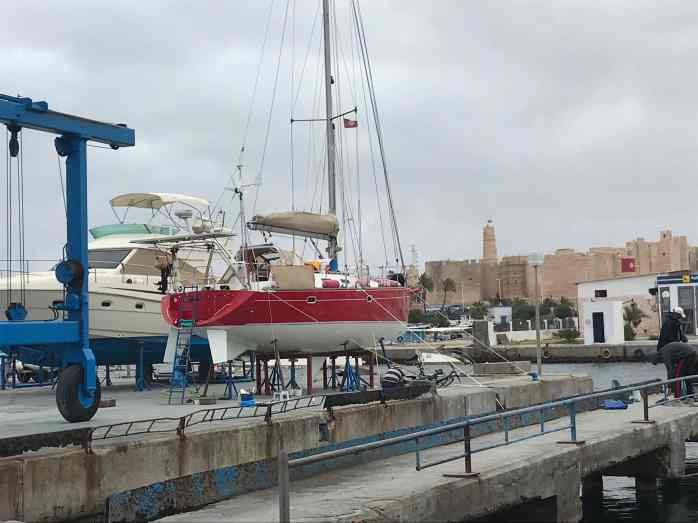
A nice view over to the Ribat from the boat yard (if one had time to admire the view)
We allowed 7 days to complete this work which included a good amount of “fat” to cater for the unexpected complications that were bound to arise in any or all of the tasks ahead. There are two options for hauling out in Monastir and we chose to do so in the yard at the marina, the price was right, their boat lift straps clean, the workers helpful and doing all the work ourselves we were in control of the results.
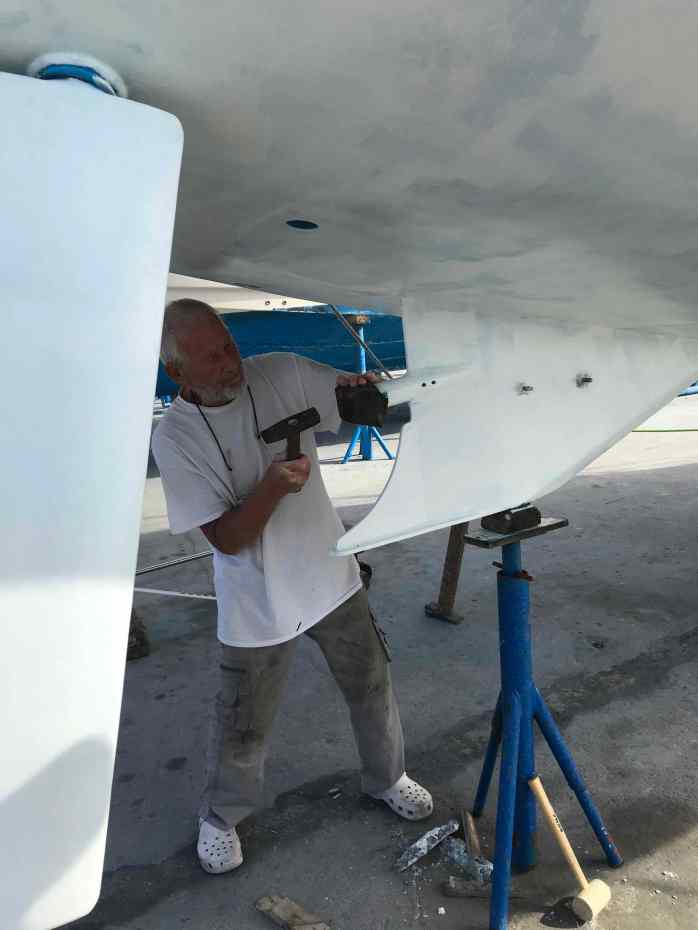
Heinz showing us how to give the Cutlass Bearing some tough love.
Note the first coat of white has just gone on (looks a bit patchy covering the blue)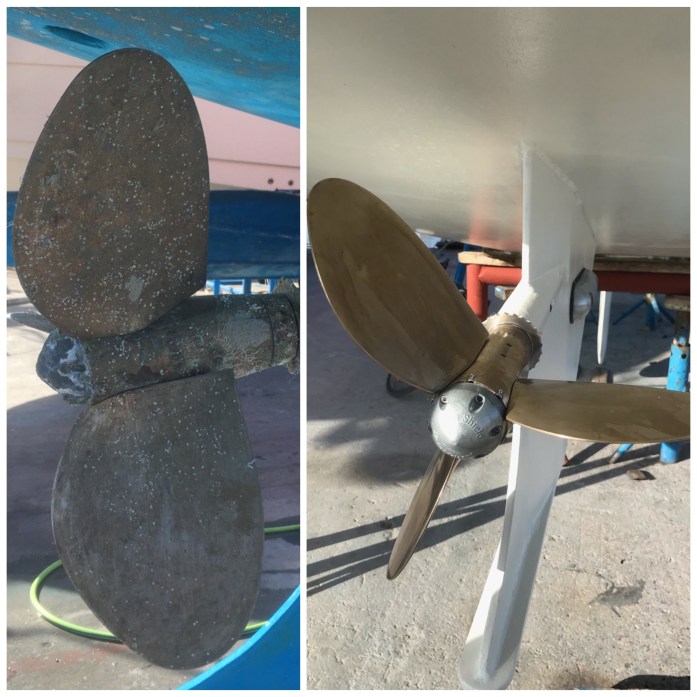
Before and after propeller.
Second coat of white anti-foul now on also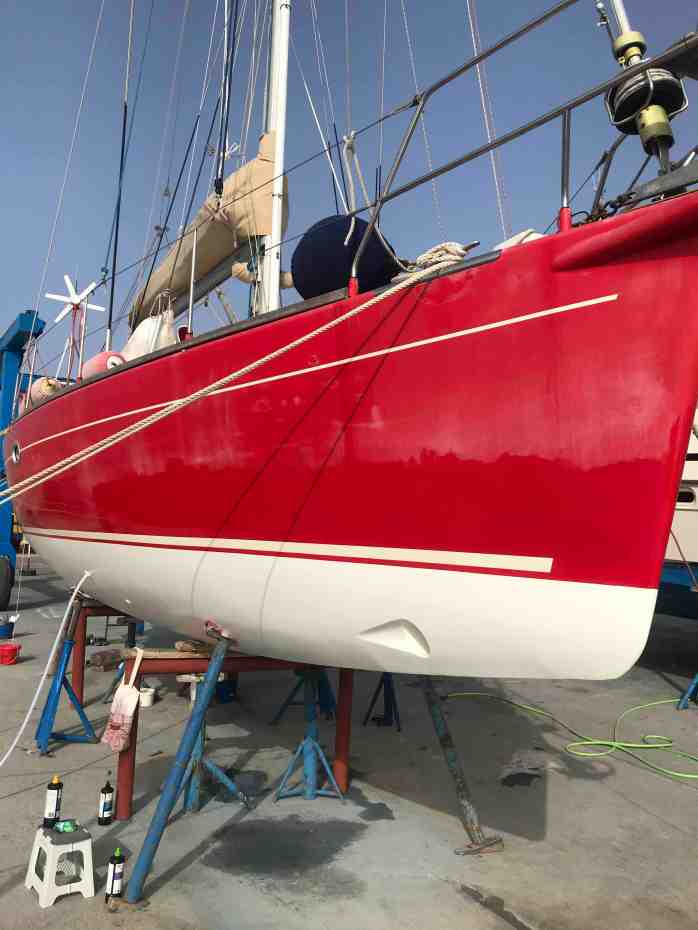
New white anti-foul on (too busy painting to get a picture of that going on). Then the back, arm and soul breaking job of polishing for Maree begins, starting with what I could reach from the ground (seen above) before I spent a day on broken scaffold over extending (not shown)
We are pleased to report that it all went well, to schedule and plan. It did take longer than expected to remove and replace the cutlass bearing (that thing is a tight fit), but thanks to our friend Heinz who assured us we won’t break it by using muscle & force (and a big hammer) to get it back in. After replacing the stern seal, cutlass bearing and reinstalling the propeller shaft it took Phil a full day to check and realign the engine. Well, he assures me that was what he was doing and not just sitting inside reading a book, drinking coffee and occasionally hitting the hammer on the engine to sound busy while I was outside doing ALL the dirty work of sanding, painting and the back breaking arm muscle torture of polishing the boat.
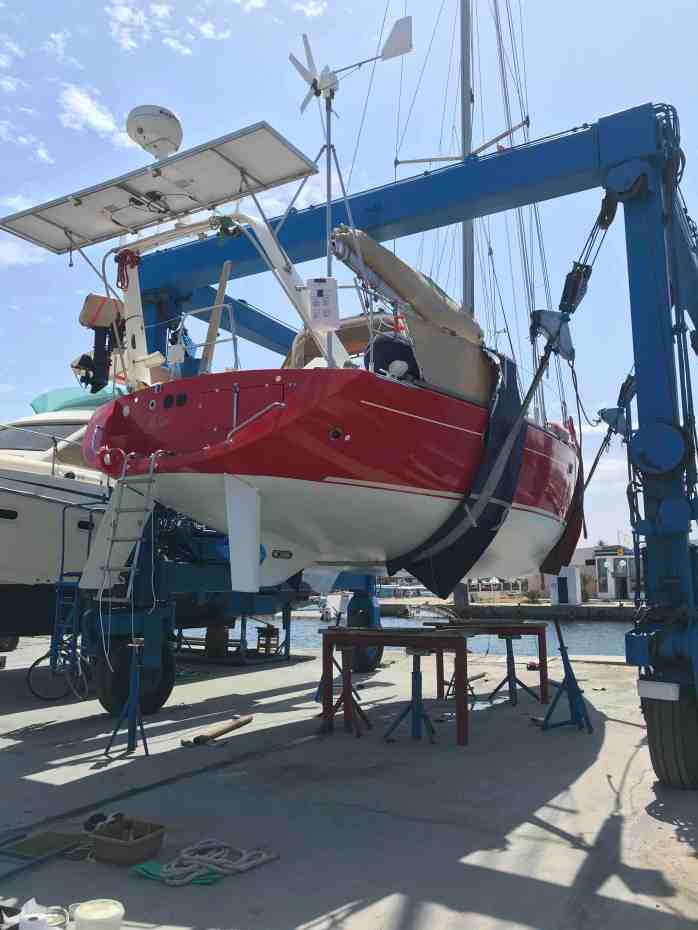
Back on the travel lift, painting the bits previously hidden by the support stands before going back in the water 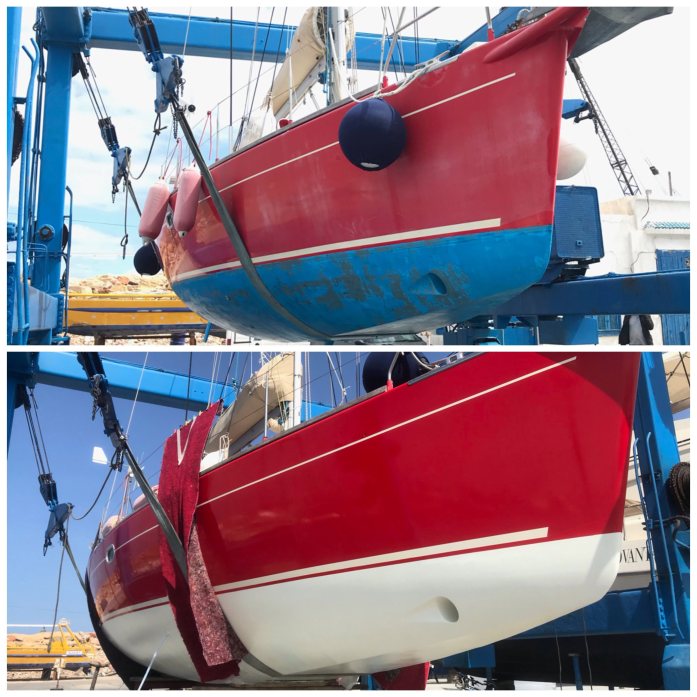
Before & After – A job well done!
Months Spent In Monastir
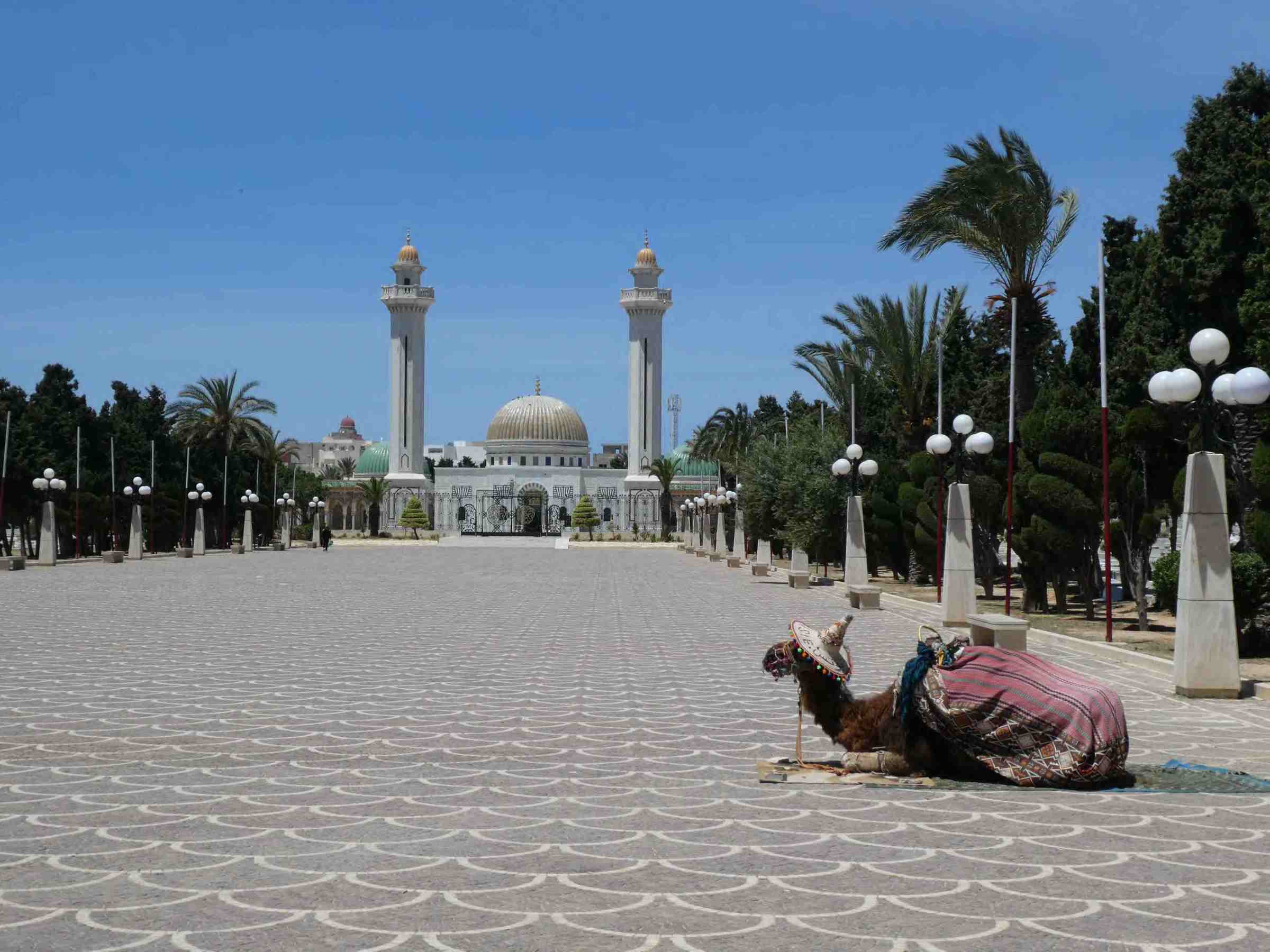
Arriving in Monastir on New Years Eve we saw in the New Year with long time cruising friends “Sweetie” sharing a meal out (early at 5:30pm as the covid curfew meant restaurants shut at 7pm) then back to “Sweetie” for games, laughter and of course a few drinks to see in 2021.

Birds eye view of Red Roo 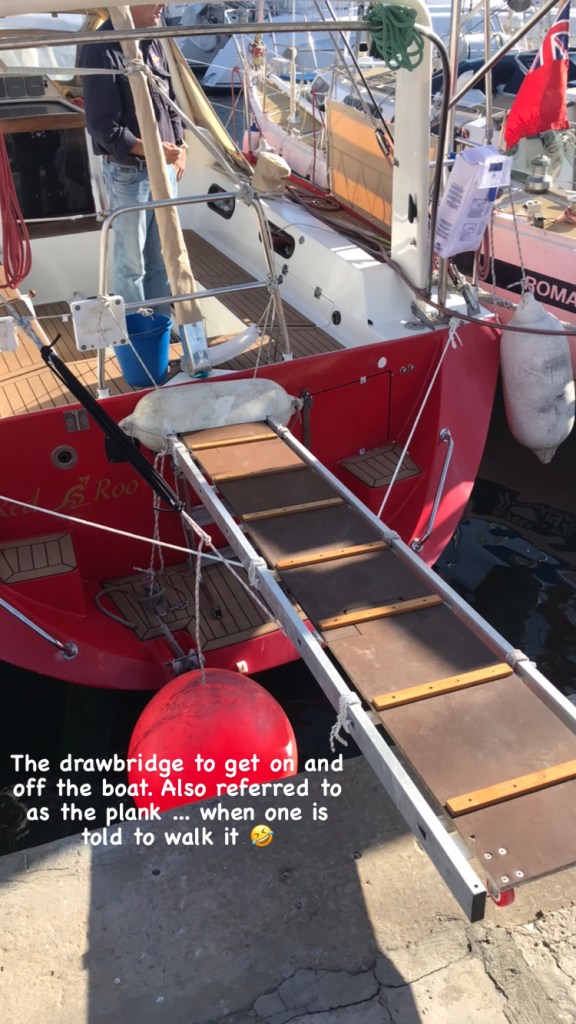
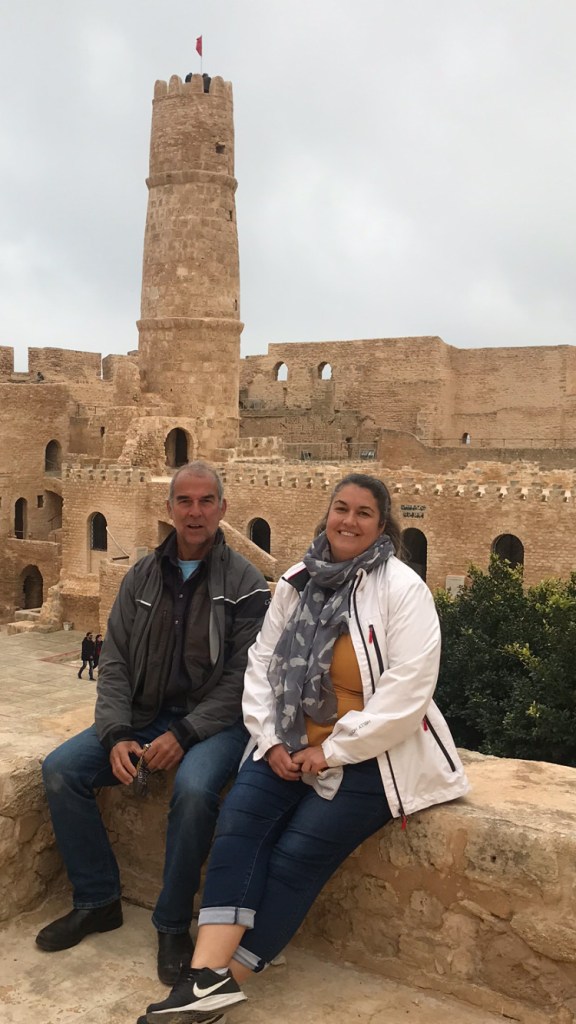
“Us” inside the Monastir Ribat
Our plan was to stay maybe 2 months to cover the worst of winter here in the Mediterranean, reset our Schengen time for re-entry into Europe, do all our winter jobs and maintenance and then cruise off again around March. BUT as they say, Sailors write their plans in the sand at low tide … it is now May and we hope to leave by the end of the month. The delays have actually worked in our favour in more ways than one – it seems the unsettled weather saved itself for April so we were glad not to be out at anchor or making passages in the frequent high winds and also the delay in our boat parts coming from from France for our haul out put us back nearly 6 weeks which has allowed Phil to receive the 2 Pfizer Covid Vaccines here in Tunisia – A Big Win!!! (I am too young to get mine in the Tunisian roll out so will have to keep trying as we move onto other countries).
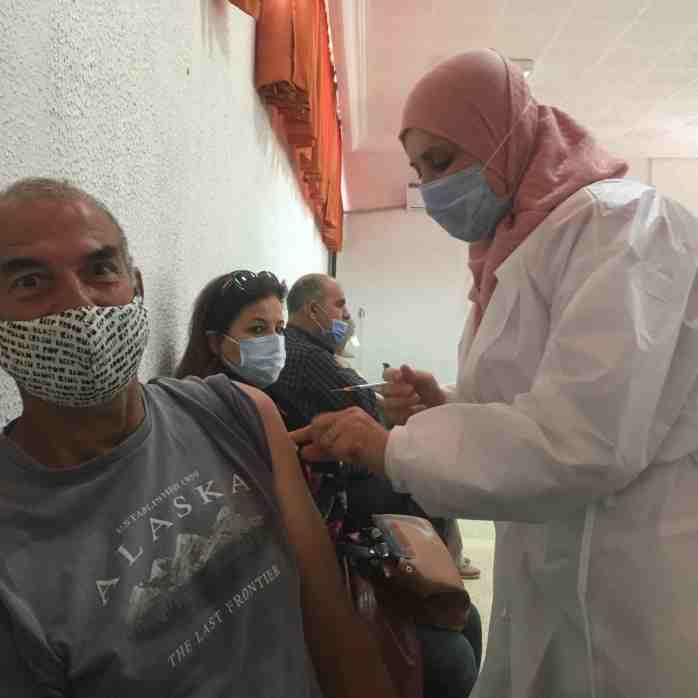
Phil receiving his Pfizer Covid Vaccine in Tunisia
One of the highlights of our time in Monastir Marina has been the large and wonderful cruisers community here. We have never wintered before with so many other liveaboards/cruisers and we found ourselves quite popular with a full social calendar – most enjoyable making new friends and learning of their adventures.
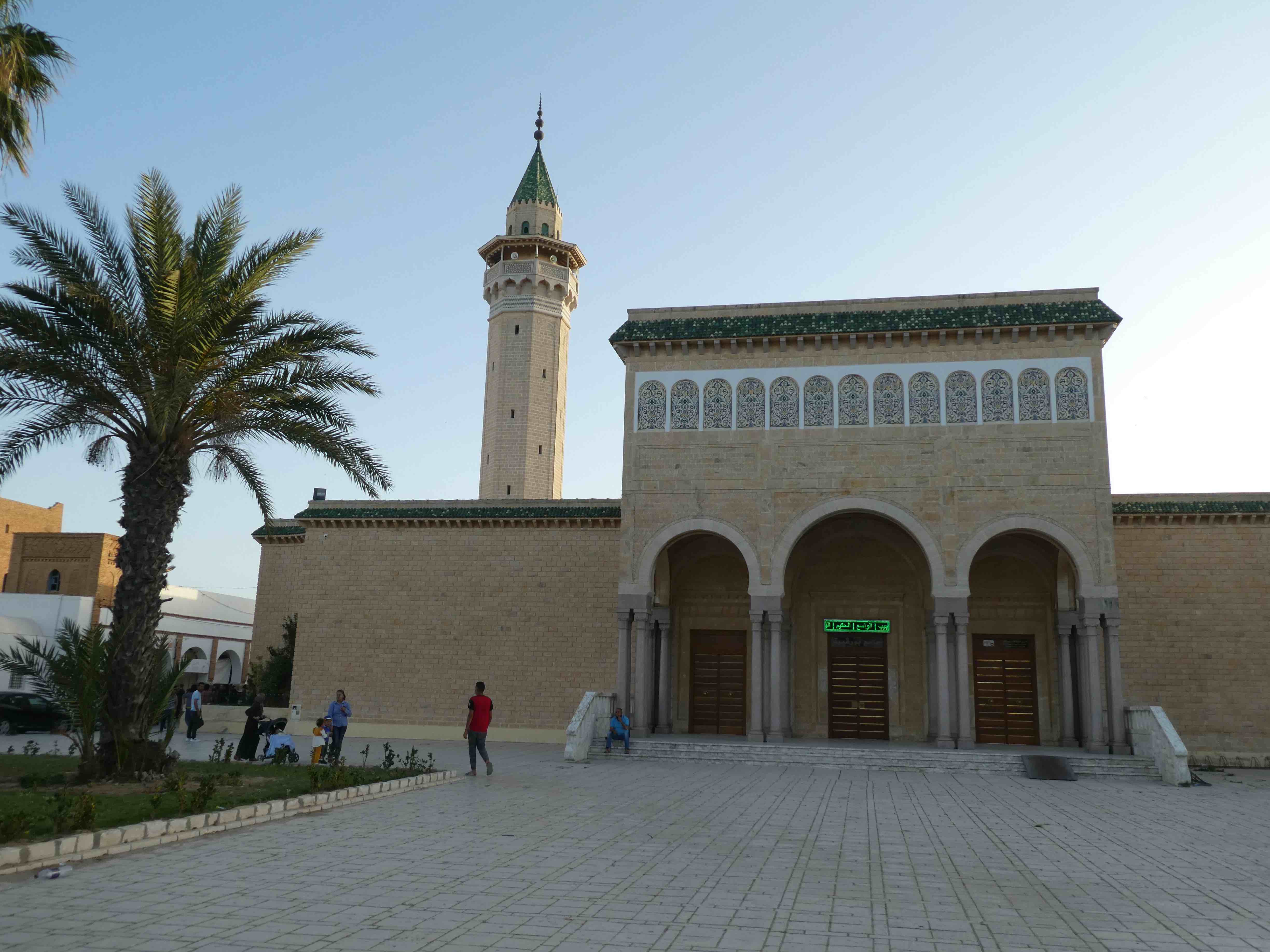
The City of Monastir is a pleasant place to be with the main square, the Ribat, the Mausoleum and the old and new Grand Mosque all adjacent to the marina making it a very pleasant short walk to town as you pass these magnificent sites. These sites are the top sites for town and the remainder of the streets are very much working class Tunisia (dirty, cracked concrete, and full of character and chaos).
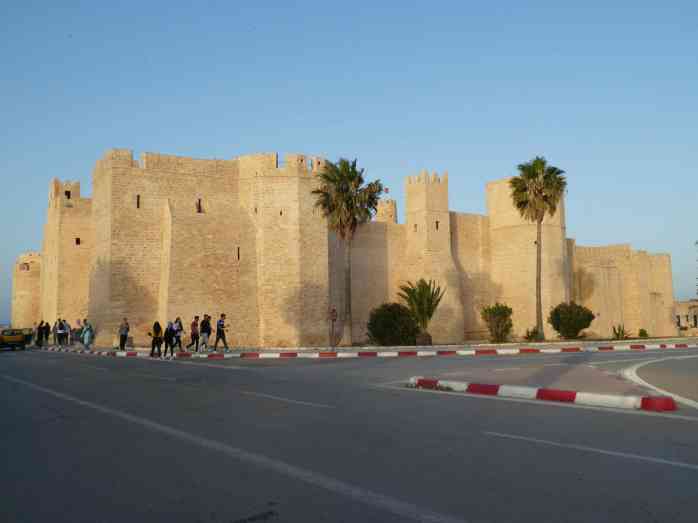
Monastir Ribat 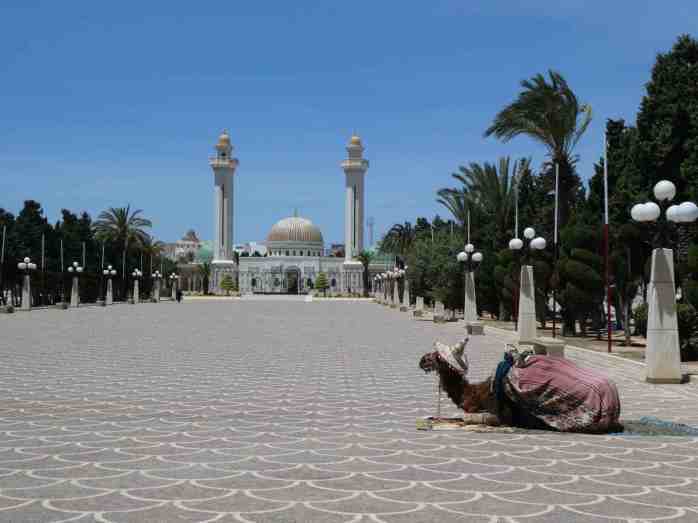
Mausoleum of Habib Bourguiba 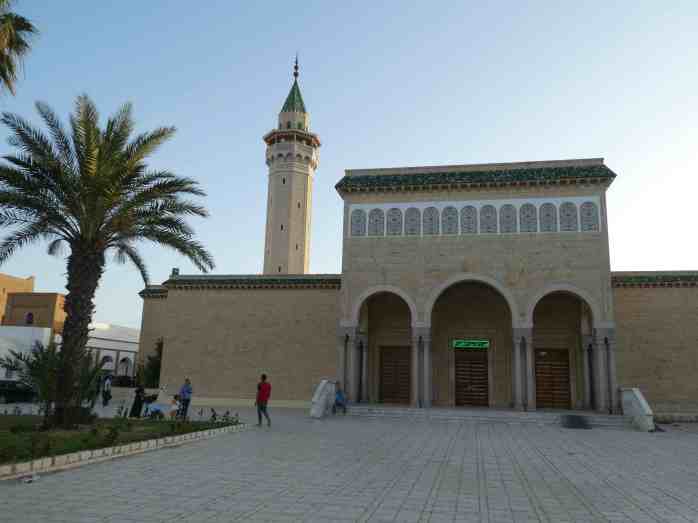
Monastir New Grand Mosque


We have found everything we need and more in this city with Phil becoming quite the expert with what you can buy and where (boat bits) around town or get made in the industrial/commercial fishing port. Maree has found a wonderland of fabric stores for both boat projects (canvas, plastic etc) as well as general notions and fabric for other “non boat related” sewing fun (shhhhh, don’t tell Phil). Nearly all items and the metal fabrication is significantly cheaper than Europe.

Flamingo on the salt lakes outside Monastir 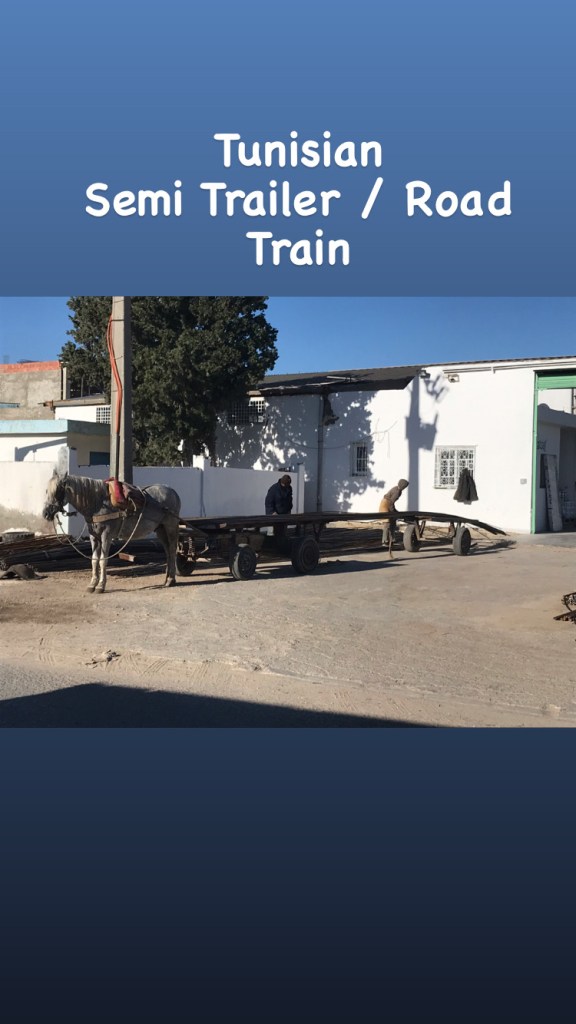

Fresh Meat at the Butchers 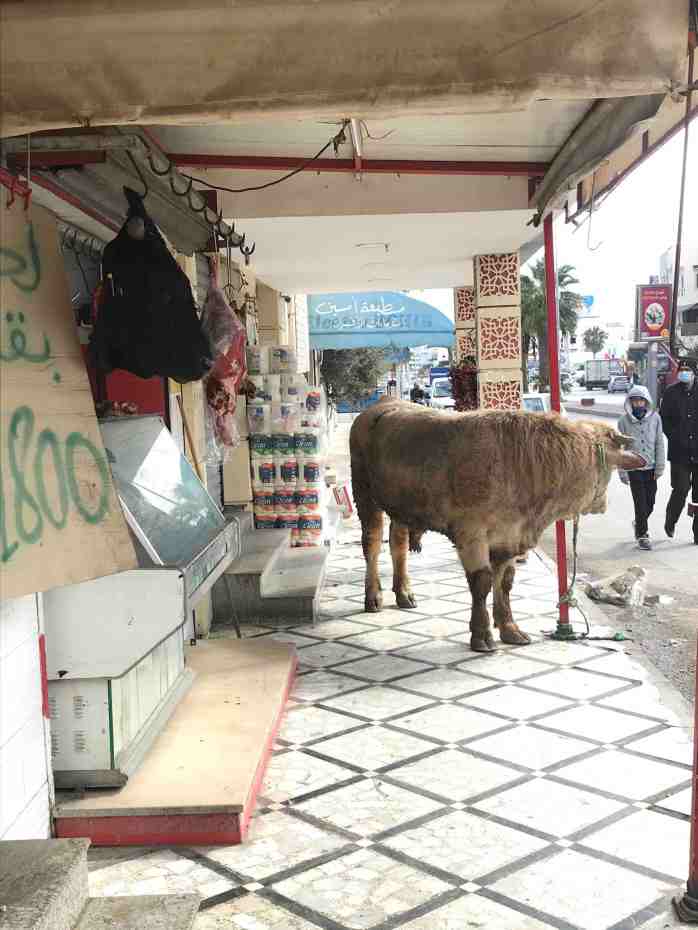
Guess who’s next 
English Navy training the Tunisian Navy on the boat near us – boarding demonstration 
Note the “hand gun” training
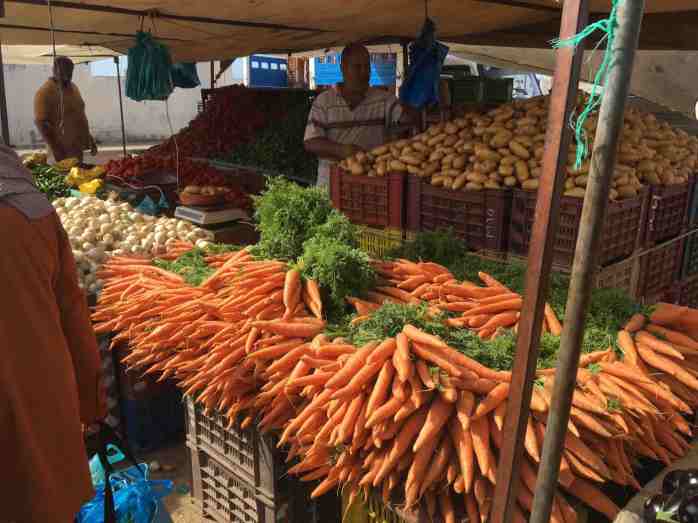
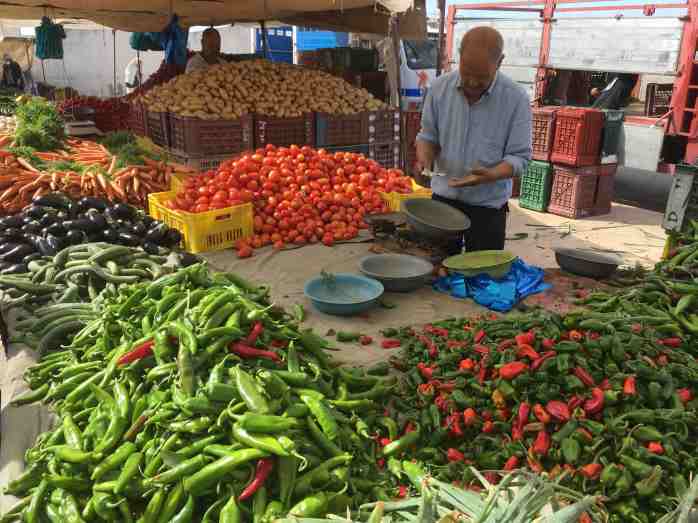
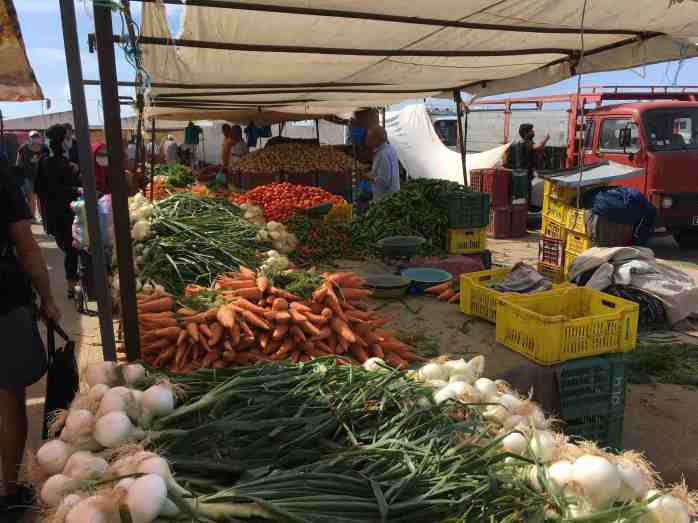
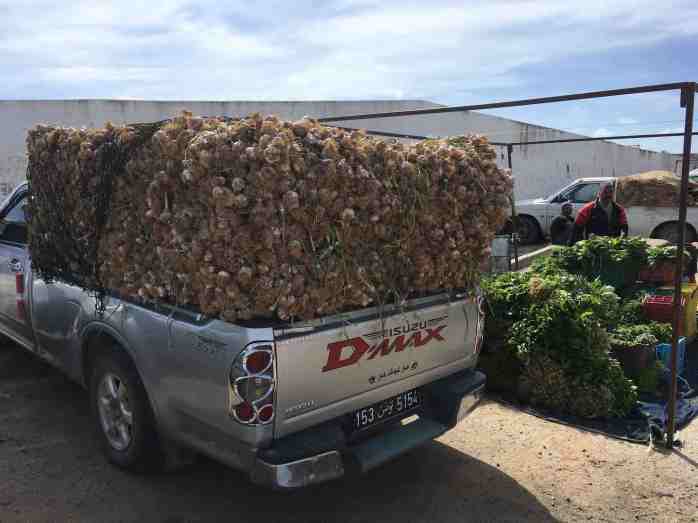
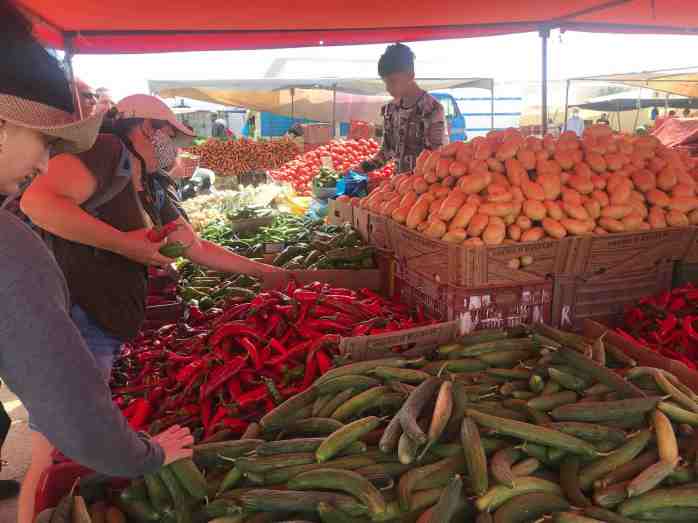
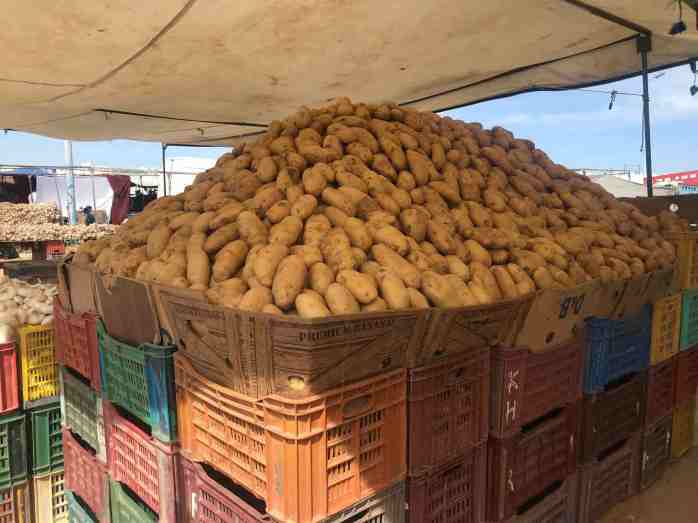
There are two supermarkets which have everything we want (with the exception of anything Pork related – being a Muslim country it’s not available here), however we do almost all of our shopping in the produce markets, which are a colourful, busy, noisy, and have many tastes and smells for the senses (when busy it can be scary in Covid times so we shop in the quieter hours), however a lot of the stands are actually in the street outside, the fresh food is super fresh, delicious and incredibly cheap. You can only buy what’s in season and been harvested the day prior as there is no such thing as cold storage or frozen goods and we have enjoyed a variety of in-season treats whilst here; peas in the pod, strawberries, grape fruit, dates, oranges, garlic, as well as year round vegetables (the carrots are amazing – best we have ever eaten).



During our time in Monastir we did a couple of day trips from the marina to visit nearby attractions. We visited El Jem and Sousse with another lovely cruising couple Terry and Mike who had sailed to Tunisia from Australia via the Indian Ocean and Red Sea.


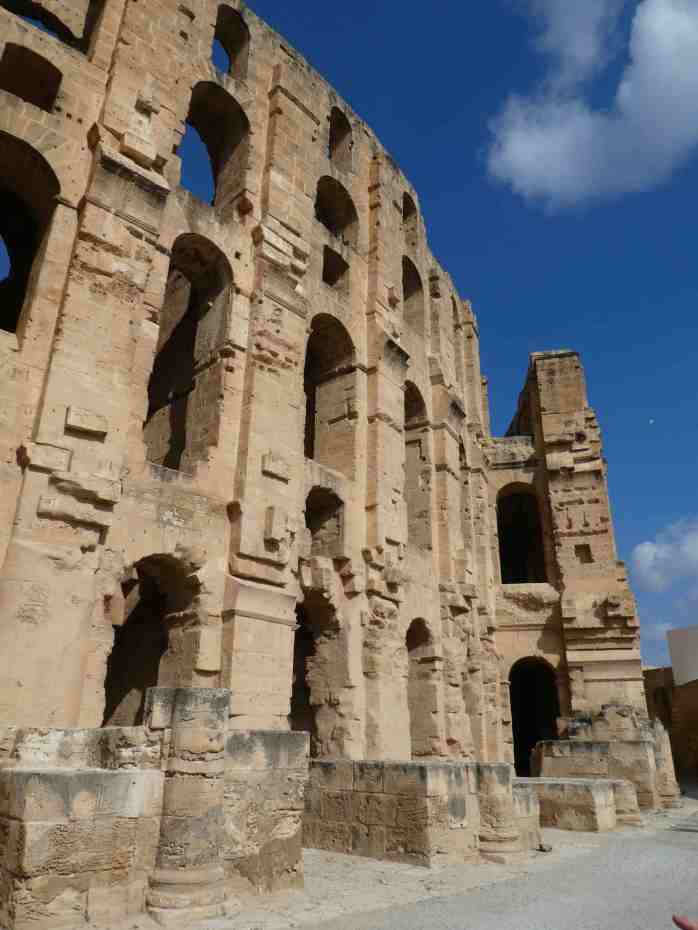
El Jem has in its centre an ancient Roman Colosseum constructed between AD 230 and 238. It was the third largest in the Roman world and the arena measures 138m long by 114m wide.
El Jem 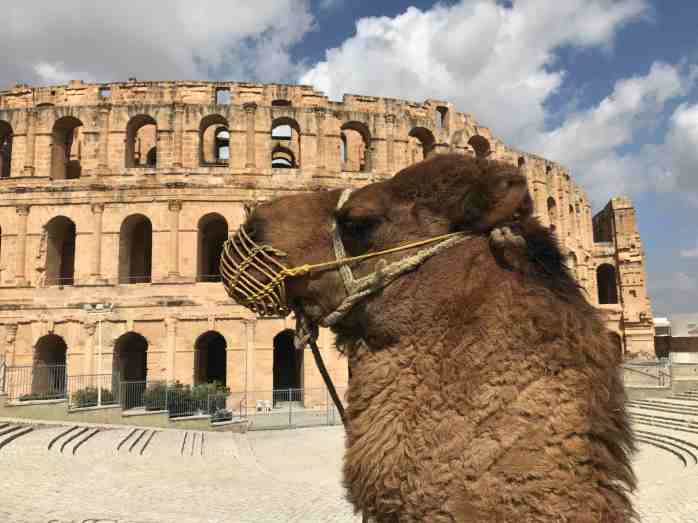
El Jem’s Resident Camel
There is three tiers of seating reaching to 30 meters high with a seating capacity of 30,000. The construction wasn’t easy with the stone being hauled from the coast 30km away and water brought 15 km by an underground aqueduct. It is still to this day mostly intact, and being there walking around and standing in the arena is pretty moving.


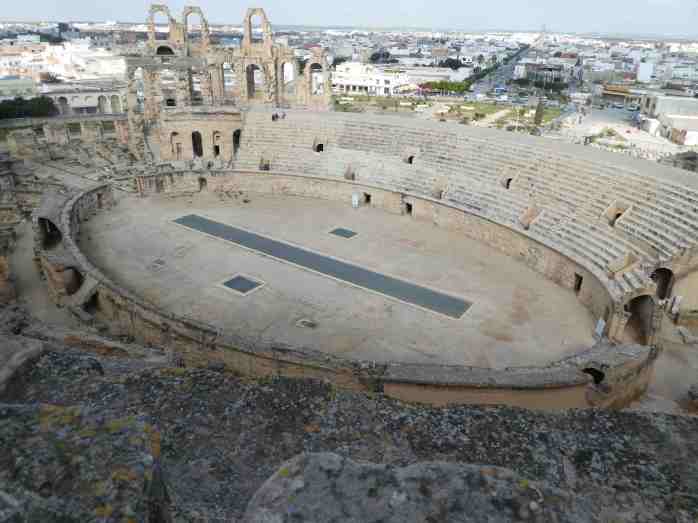
My imagination went into overdrive dreaming up the animals, gladiators, battle scenes and crowds. The four of us plus another four were the only visitors to this amazing historical building.
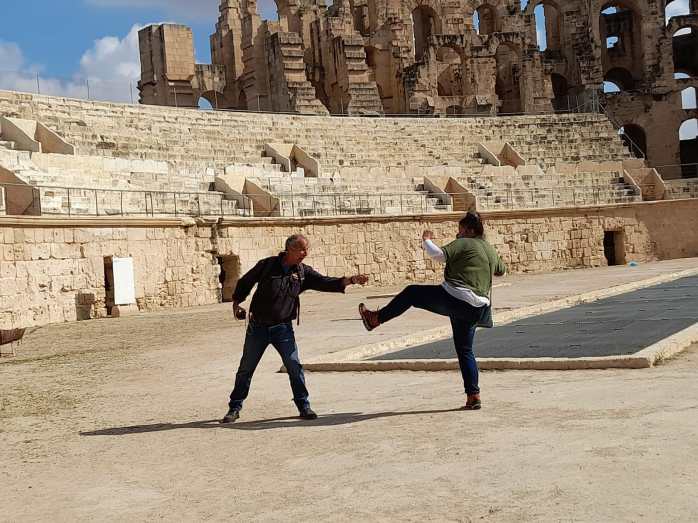
Fight to the death 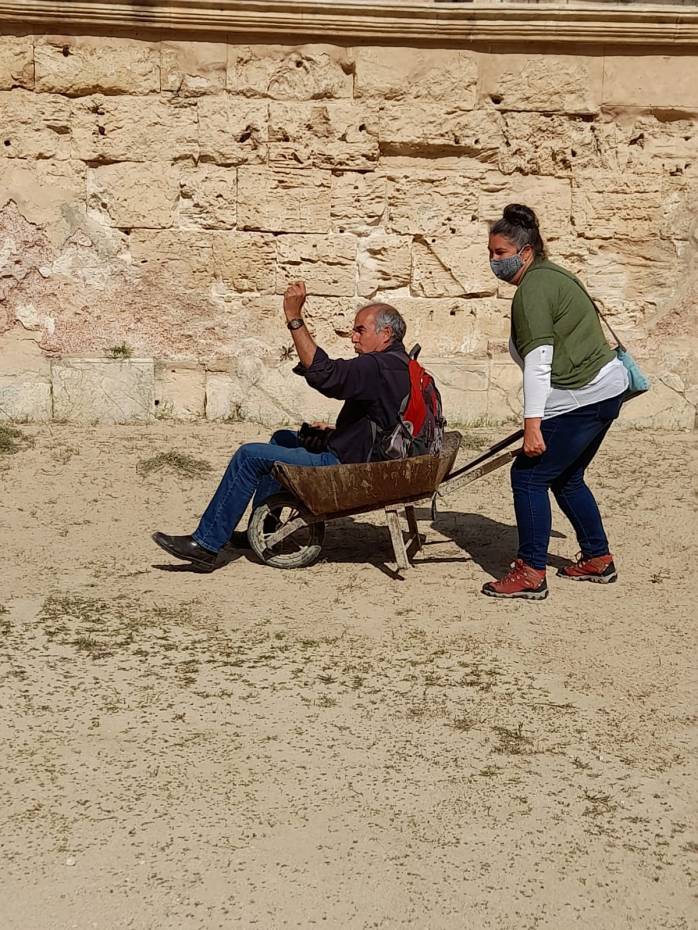
Playing Chariot Races
We also visited the El Jem Archaeological Museum which had fabulous Roman mosaics and a reproduction Roman villa built on the original foundations.
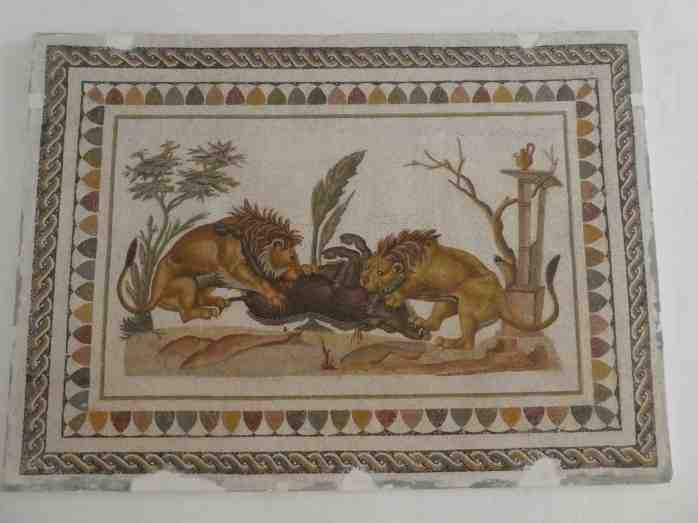
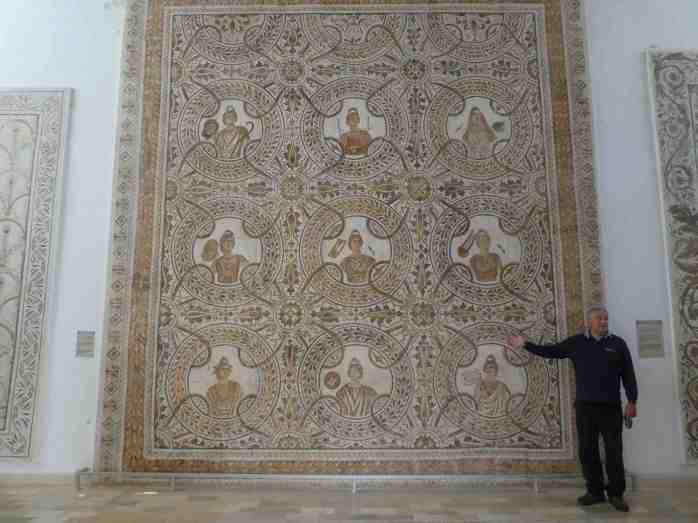
Mike for scale of the size of the mosaics
Sousse is Tunisia’s third largest city and is just a 40 minute (50 cent AUD) train ride north of Monastir. It is spoken of for its Medina, with its maze like cobblestone streets through the Souks for shopping and also many sights of historical and religious interest. Built in AD 859 the walls of the Medina stretch 2.25km at a height of 8m and are fortified with a series of solid square turrets.
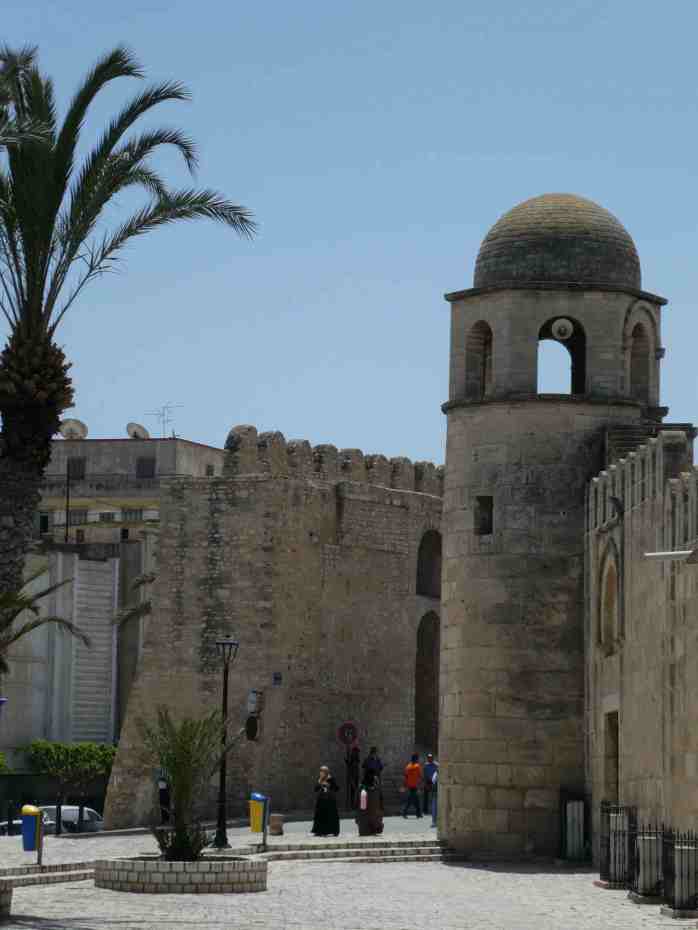
The thick and high Medina walls (left) and the Mosque (right) 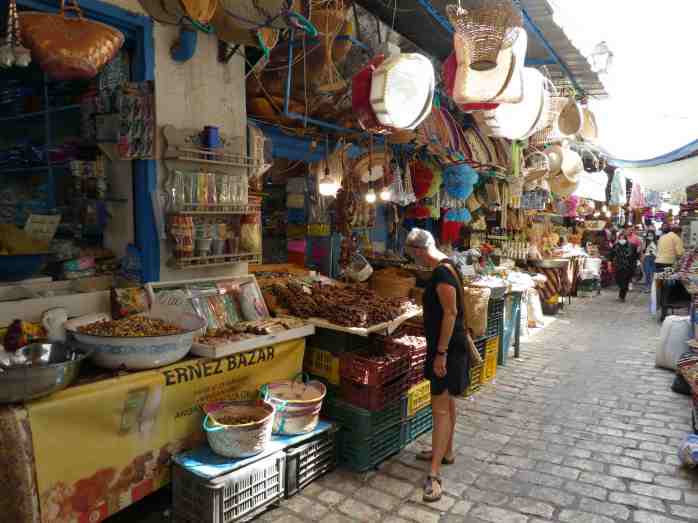
Yolene exploring Sousse Medina
Within the Medina walls there are 24 mosques (12 for men and 12 for women). It was very obvious we were the only tourists in town that day (and maybe all year), but it was really pleasant and we were hardly hassled at all by the store holders (however there were many closed up shops, we assume owing to the huge impact of COVID).

Just Love Tunisian Doors 
The Empty Streets in the Medina 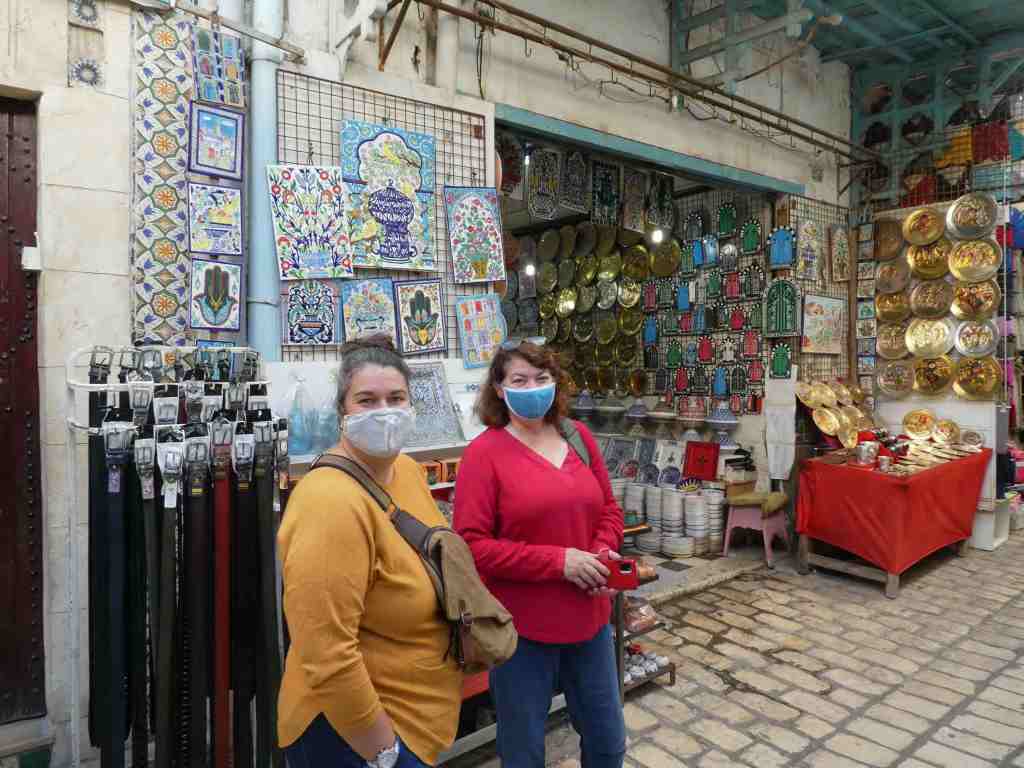
Maree & Terry Browsing 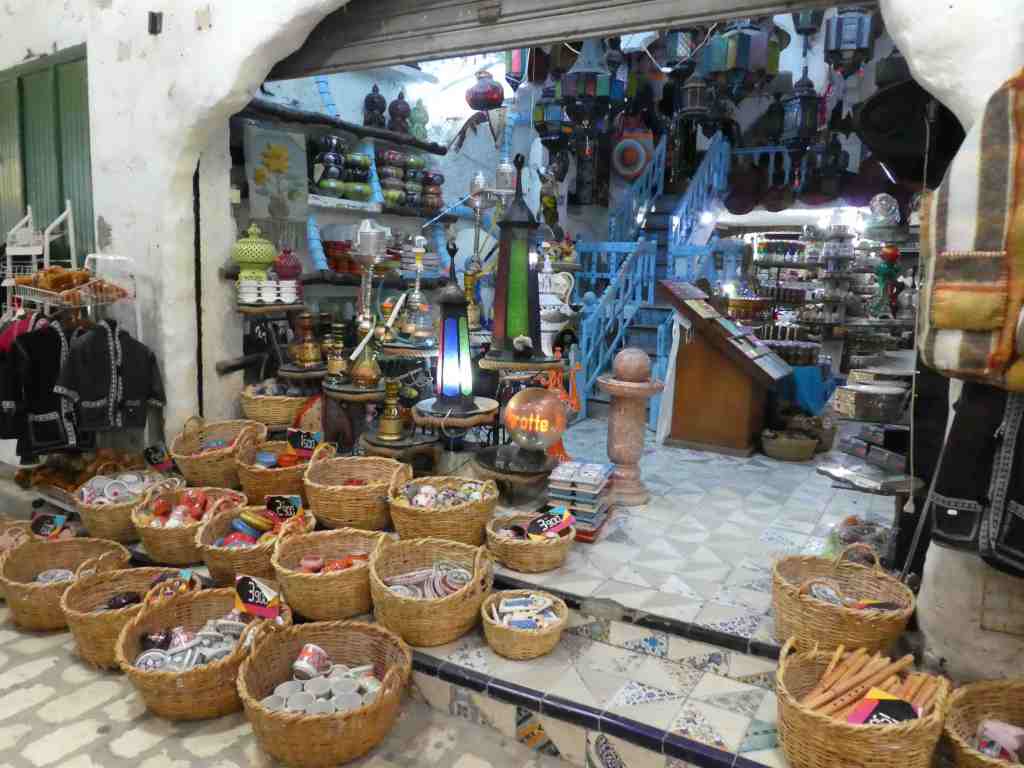
Sousse Medina

Phil found a Tortoise in the
Museum Garden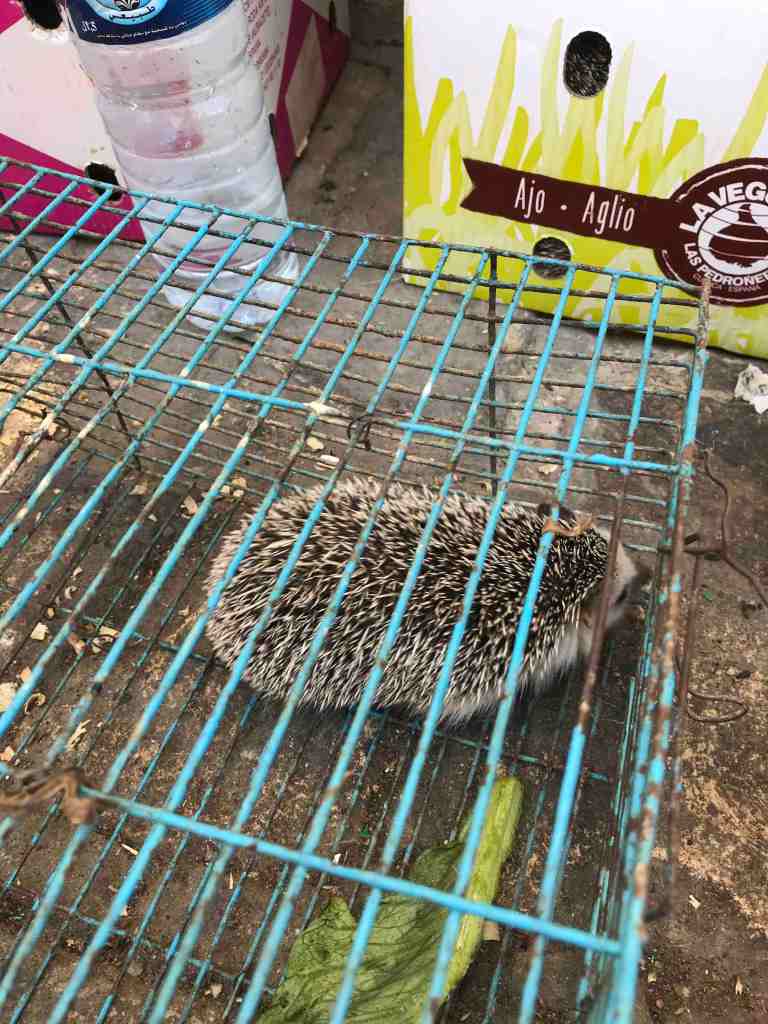
A Hedgehog for Sale in the Medina 
Cameleon for Sale in the Medina
We also visited the Sousse archaeological museum which is home to some breathtaking Roman mosaics of equal quality to the El Jem museum.
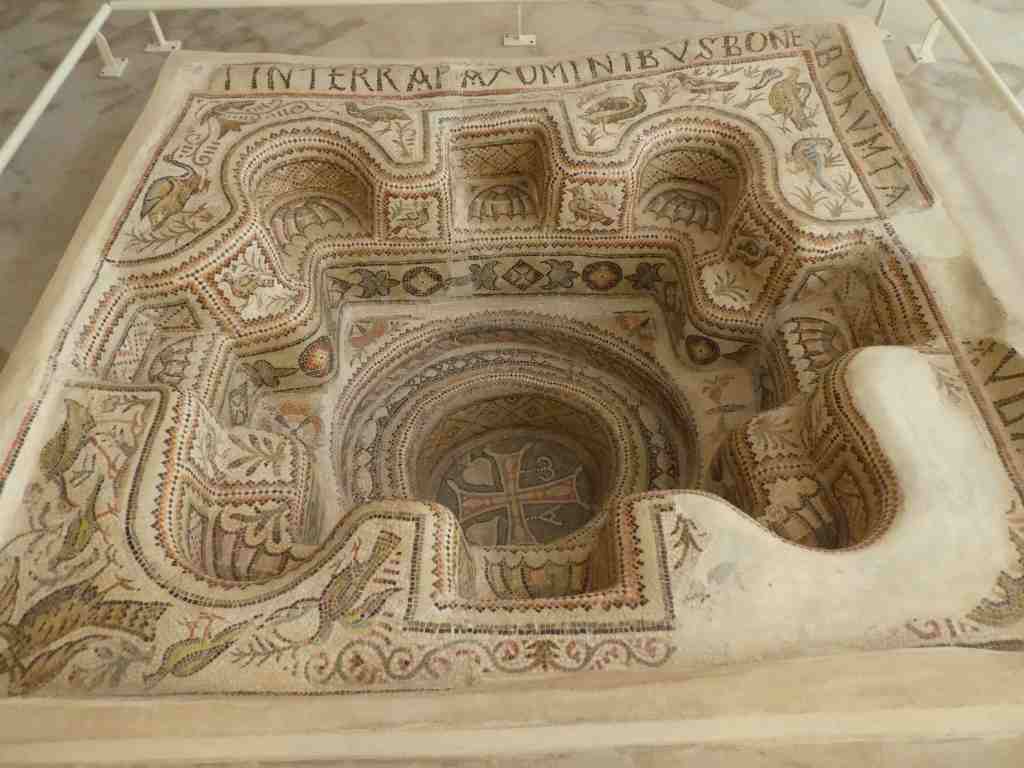
BEKALTA Baptismal Font VIth Century 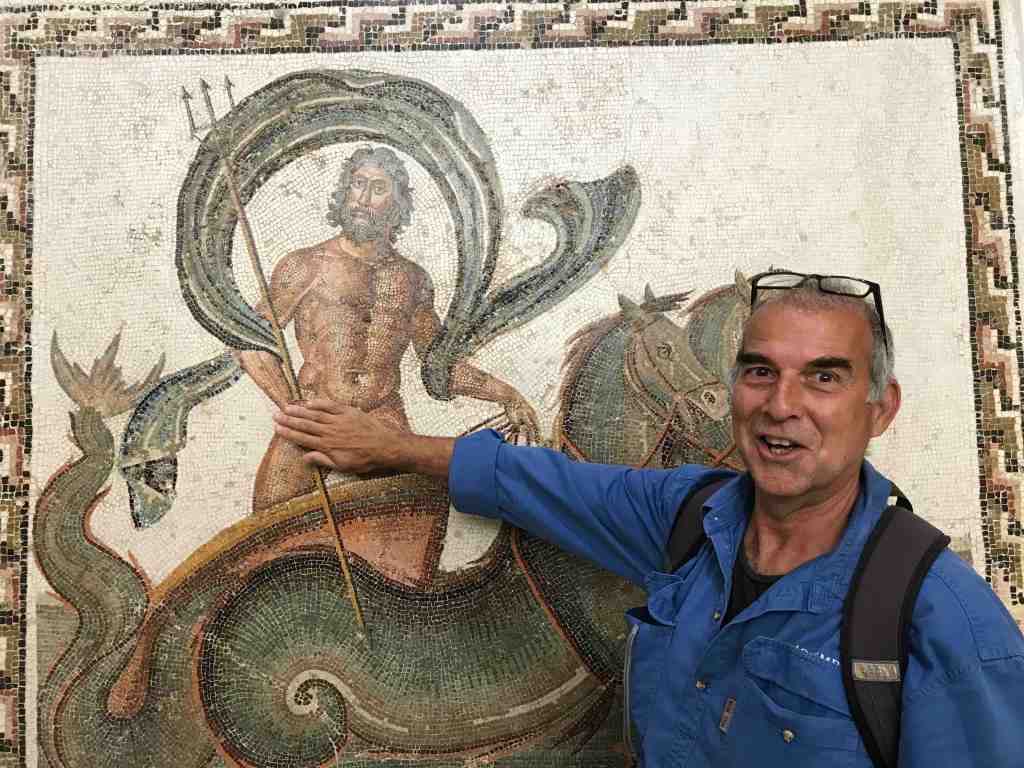
The Modesty Police
Neptune was fishing using his best tackle!
Tunis. When our boat parts from France eventually arrived in Tunisia we hired a car to collect them (3 hours north of Monastir) and used it as a good opportunity to also visit the countries capital city Tunis. Our agenda for the day in the big smoke was to visit the Medina (old walled in city which are the souks (markets) and houses), the museum and also the much talked about Sidi Bou Siad (coastal tourist zone). We didn’t really rate Sidi Bou Said, it was pretty but nothing special. We enjoyed the huge Medina but didn’t find it anything extra special to others we have visited in both Morocco or Tunisia, however in saying that we will continue to always visit them as they are a hugely stimulating place to experience and visit and you never know what you will find (I don’t mean to sound blaise, but I think maybe we are a little put off spending much time in these places at the moment due to the confined spaces of the Medinas and the covid pandemic risks associated with it).
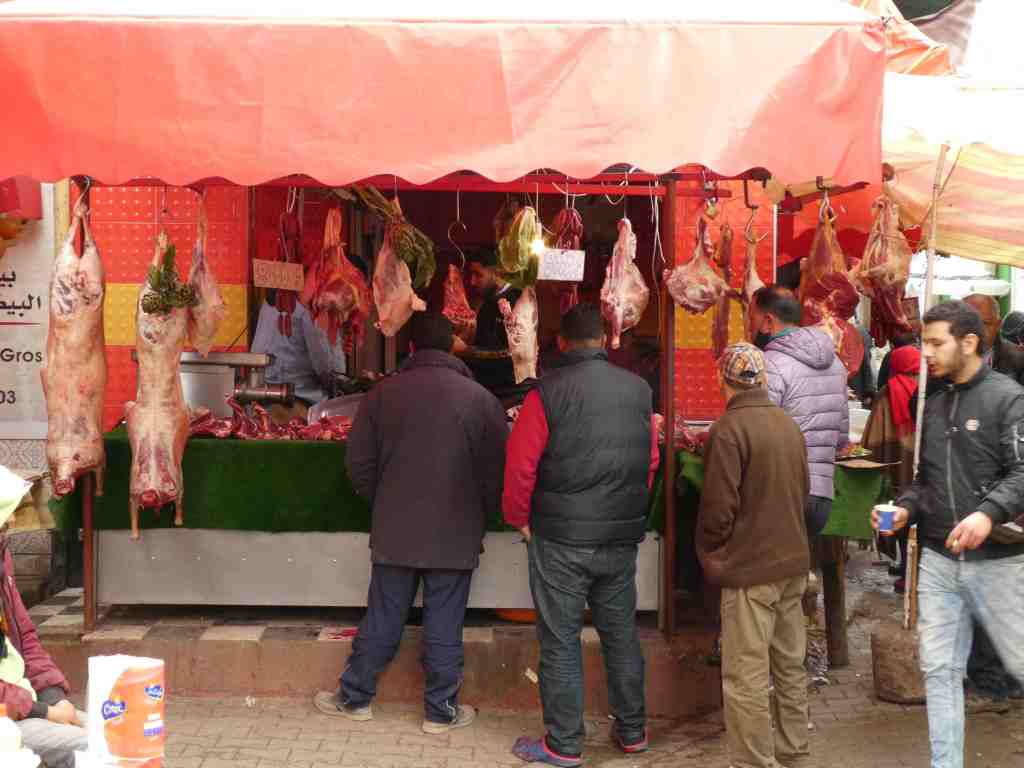
Tunis Medina Meat Stall 
The City Centre of Tunis 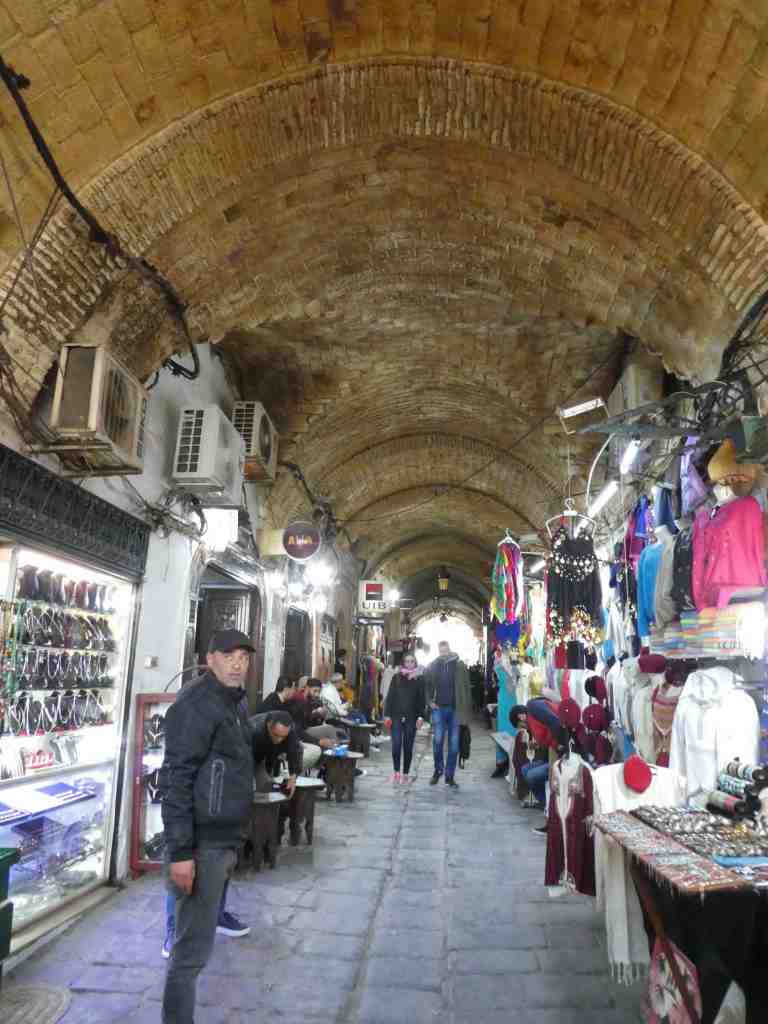
Inside the Medina, note the brick ceiling work 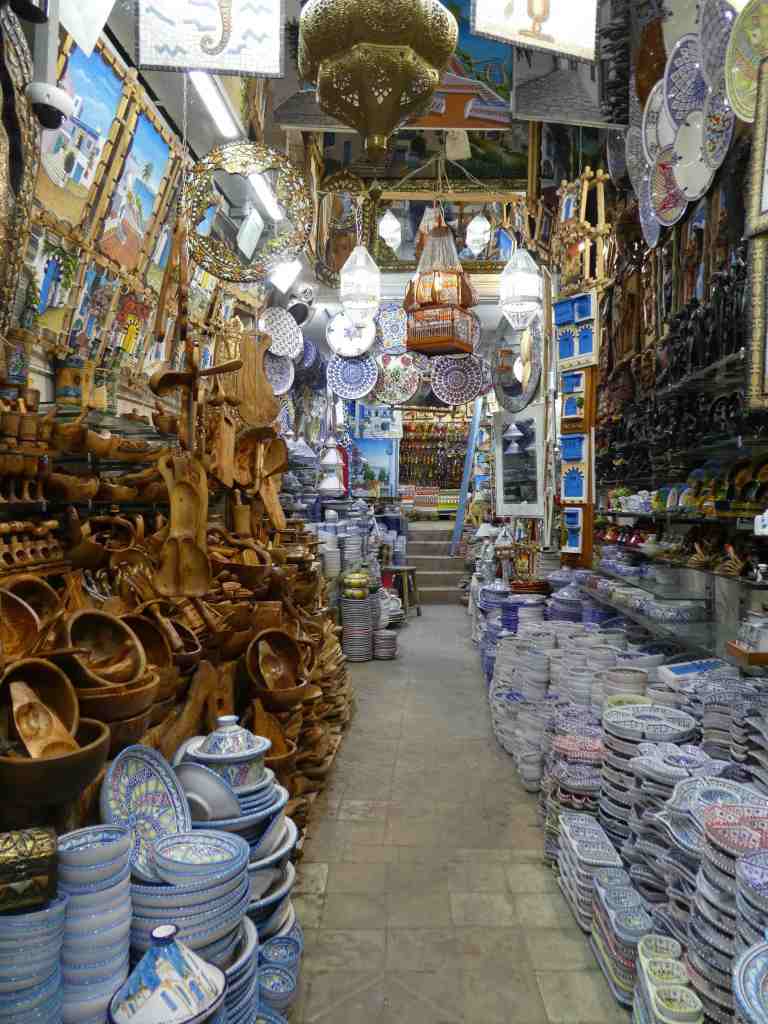
Olive Wood and Ceramics 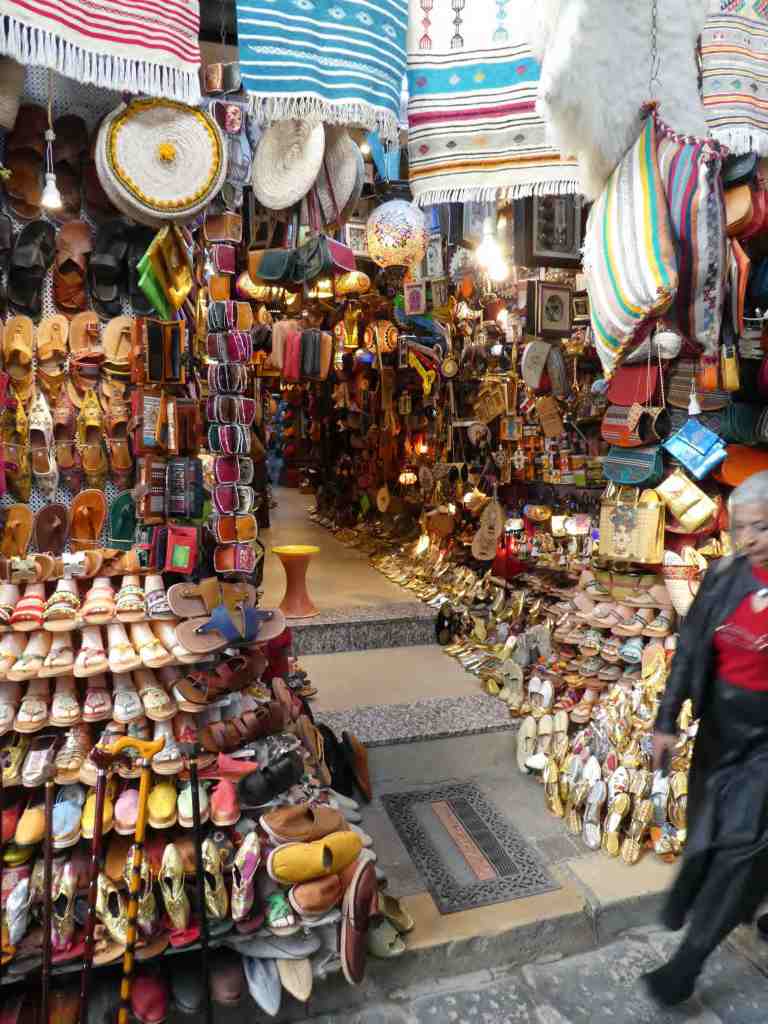
Colour Delights

Rooftop Mosaics above the Tunis Medina 
What we did sincerely enjoy was our visit to the Bardo Museum. It is filled with the superb Roman mosaics that once adorned Roman Africa’s most lavish villas. Not only is collection extraordinary the museum itself is housed in one of Tunisias finest palaces. We wandered the palace and mosaics for hours with our mouths open in awe. Who would ever want carpets in their house when your floor could be works of art!

The MASSIVE mosaics 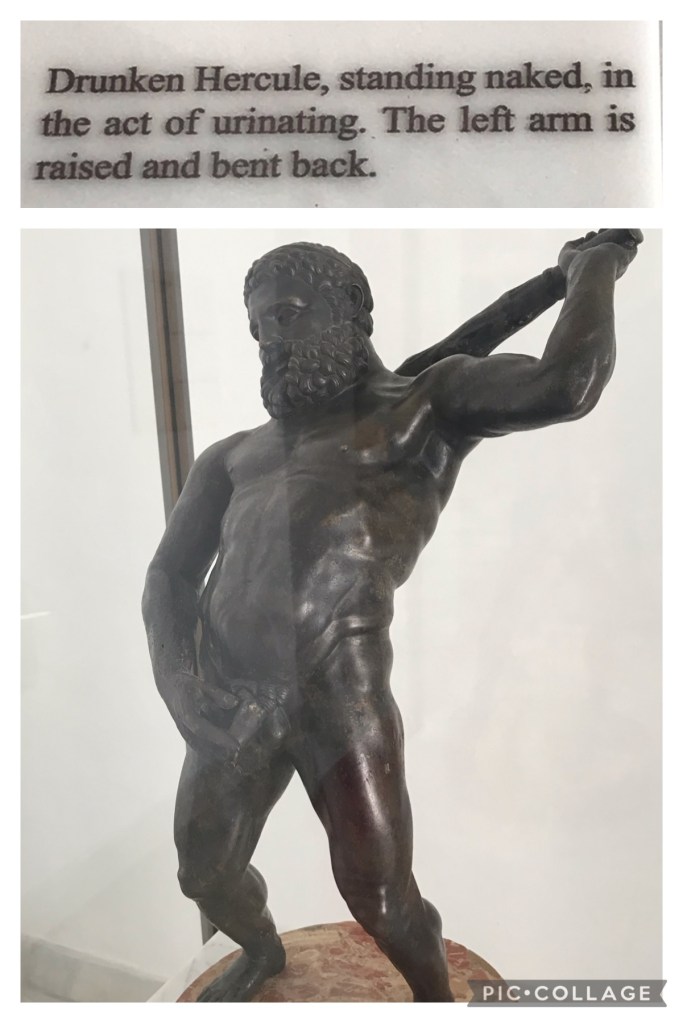
Some things never change! 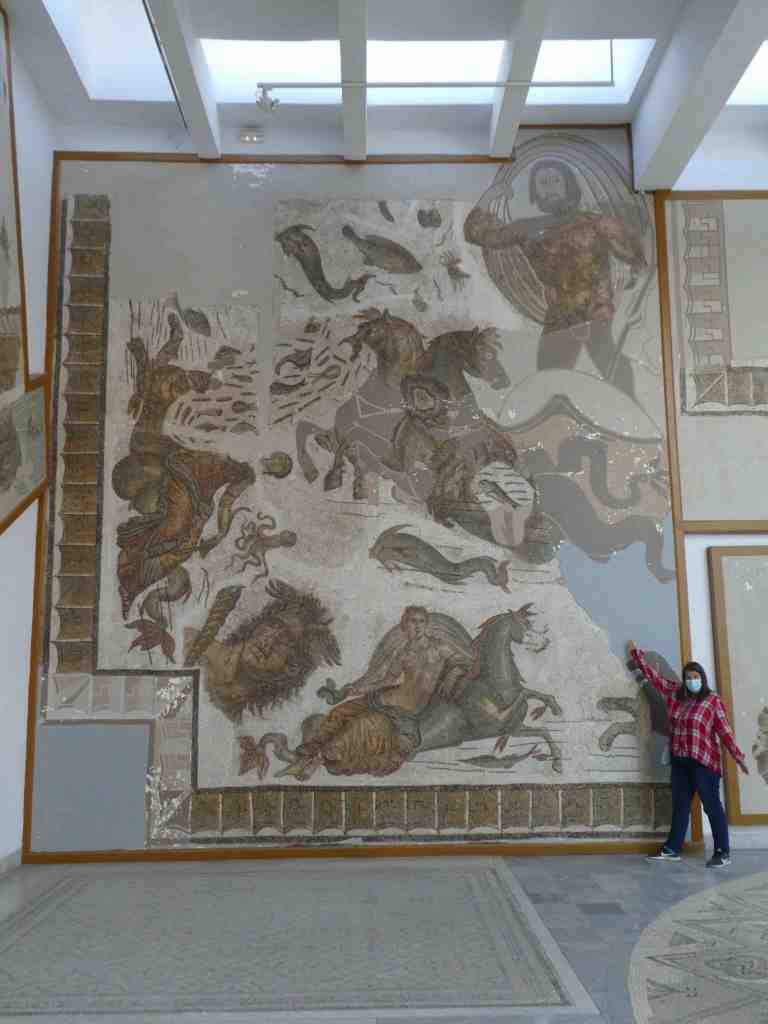
The scale and detail – AMAZING

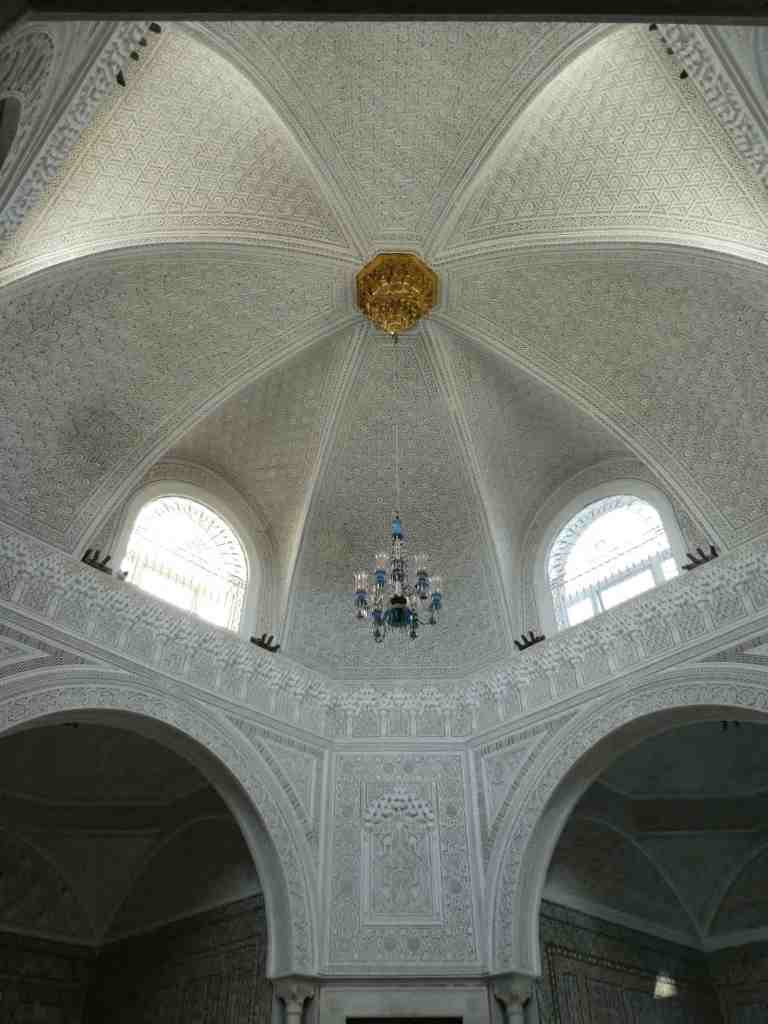

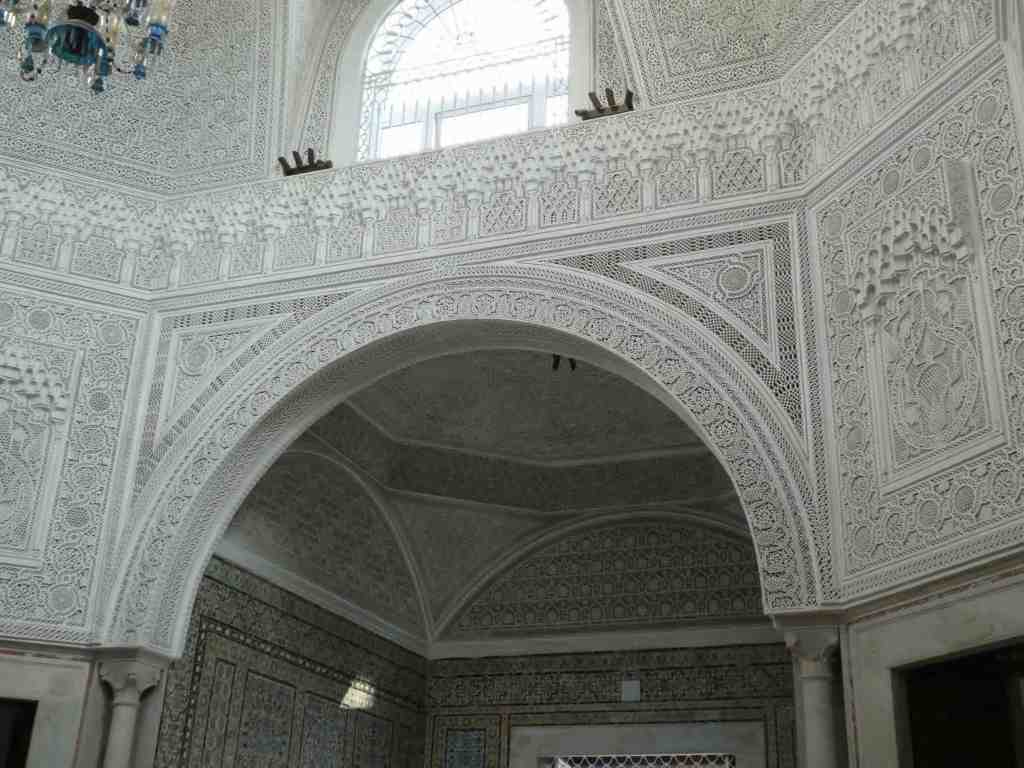
The Palace had such intricate decoration on all the walls and ceilings
It hasn’t been all day jollies and socialising, we have accomplished most of our winter jobs lists, and of course added a lot more to keep us busy during the year. Some of the bigger items ticked off the list include;
- Boatyard lift out to service below water items. See seperate ‘Red Roo Haul Out’ post coming soon.
- Water filtration system for when we take water from shore
- Replace the silicone sealant around the bathroom (head) and kitchen (galley)
- Buy and install new mixer taps in the kitchen (galley) and shower.
- Overhaul the anchor windlass (became a big project with a failed bearing being difficult to acquire locally)
- Install sleeve on gooseneck bolt to reduce boom movement.
- Dingy refurbish (new lines and secure points)
- Replace dingy davit fittings (where it hangs off the stern of the boat)
- Repair fridge condenser coil and clean/replace cooling circuit hoses
- Replace toilet hoses
- Fabricate new bow roller to improve anchor position and security
- Sanded floorboards to remove squeak (yay!)
- New tell tales (wind indicators) on the rigging
- Stripped, cleaned, re-greased and reassembled the sheet/halyard winches (x 6)
- Climbed and inspected the mast and rigging and remove redundant tv aerial from top of mast
- Taper the mainsail batterns. Tony, our local sailmaker cruiser friend did this for us.
- Instal new lazy bag lines (the bag the main sail lives in)
- Refurbish the gas oven and cooktop.
- Check & clean all boat compartments, cupboards and lockers for any residual water damage (none yay!)
- First aid kit check inventory and re-fresh
- Food stores inventory
- Create French, Italian & English crew lists
- Sewing jobs: make anchor riding sail, mast boot, lee cloths, outboard motor cover, BBQ cover, repair lazy bag, make hatch covers, replace curtains, recover salon seats, water filtration cover, drogue anchor bag
- Sorting & indexing 2 years of photos from cameras, phones

New water filter system between shore water and boat / tanks 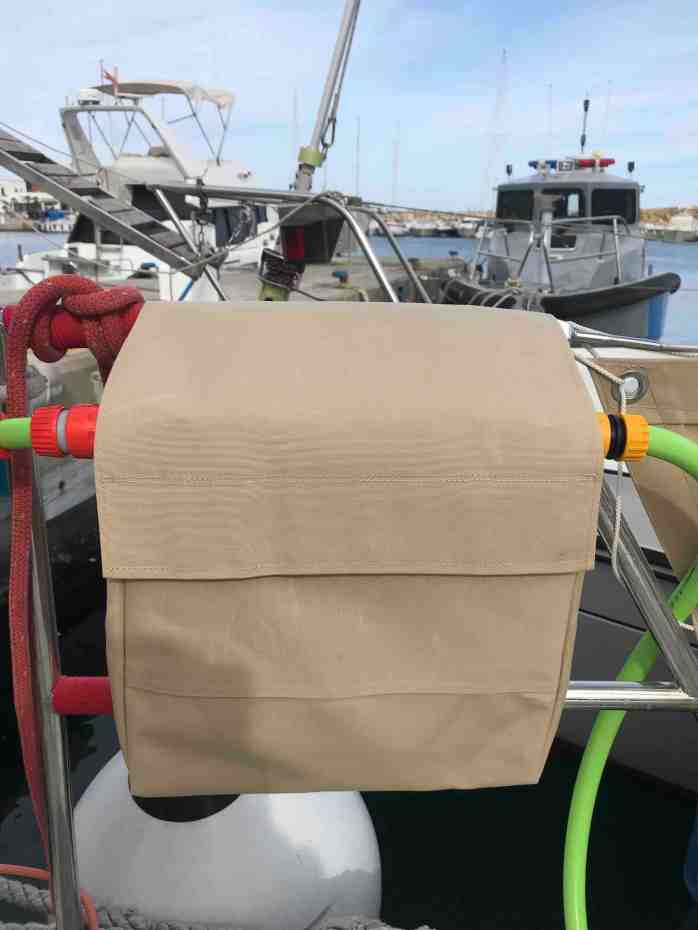
UV protection cover for water filter system, one of the many sewing projects 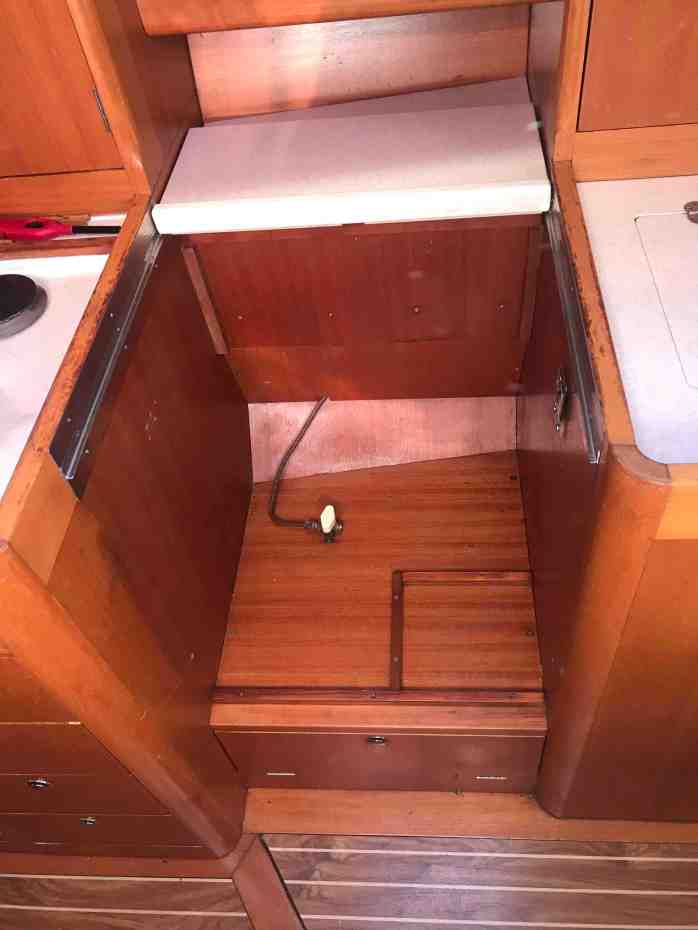
Stove out of the galley (kitchen) for some maintenance 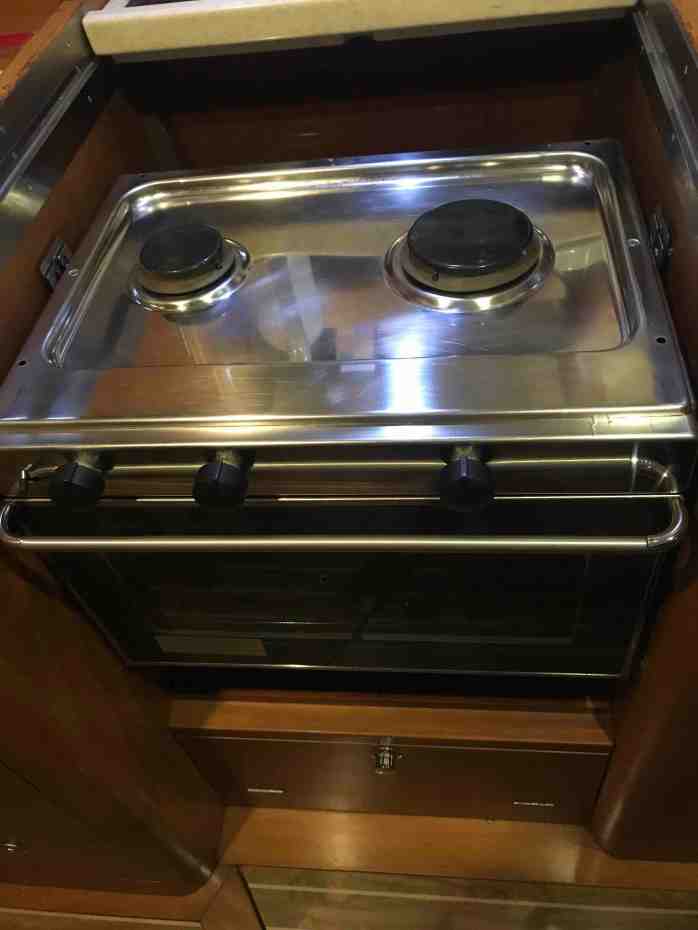
Good as new after some loving 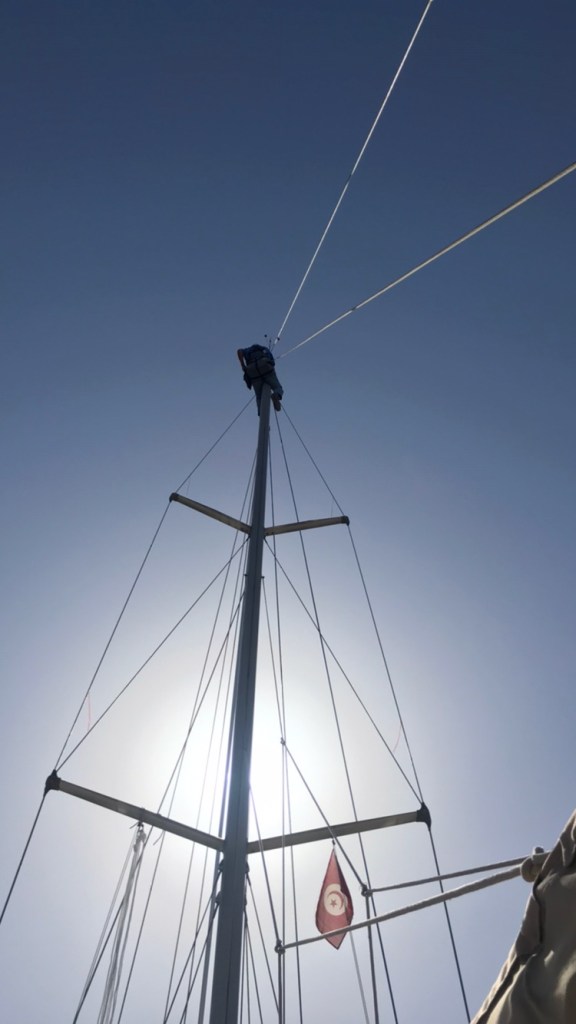
Phil up the mast doing inspections and maintenance 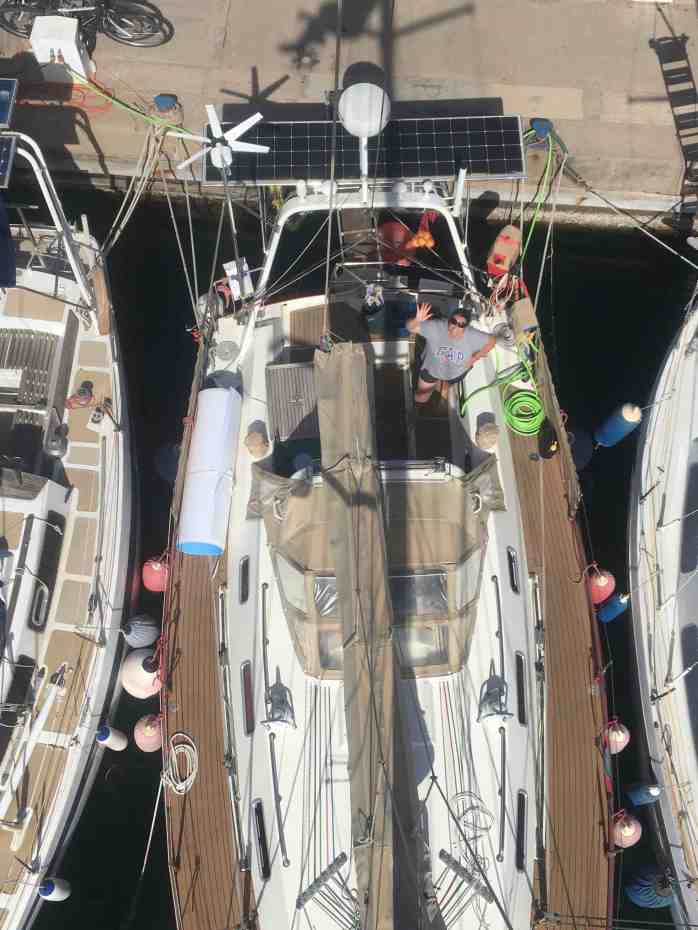
Maree on deck keeping him safe controlling his climb and decent with the lines 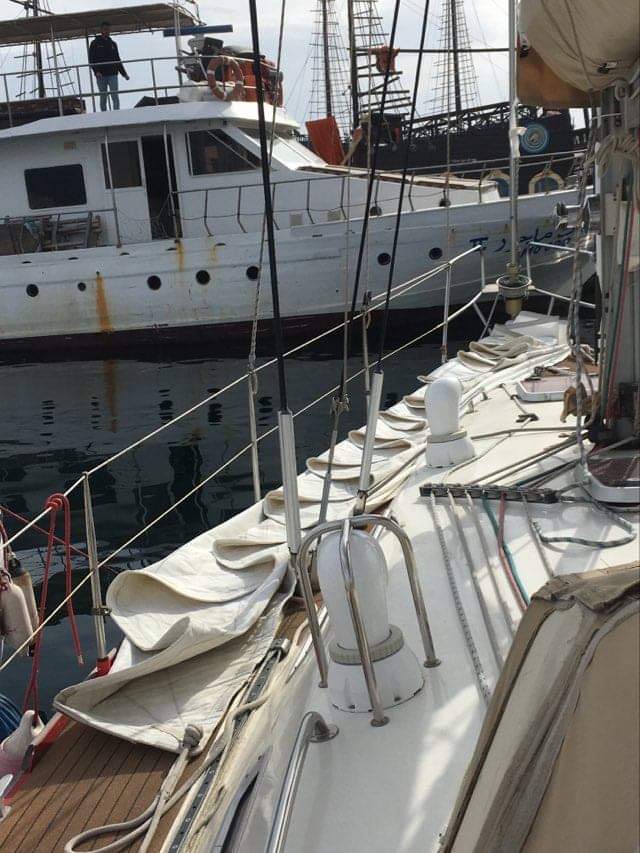
Head sail coming off (being folded on deck) for inspection and to keep them out of the UV and red rain (desert sand) for winter 
One of the sails bagged up to store
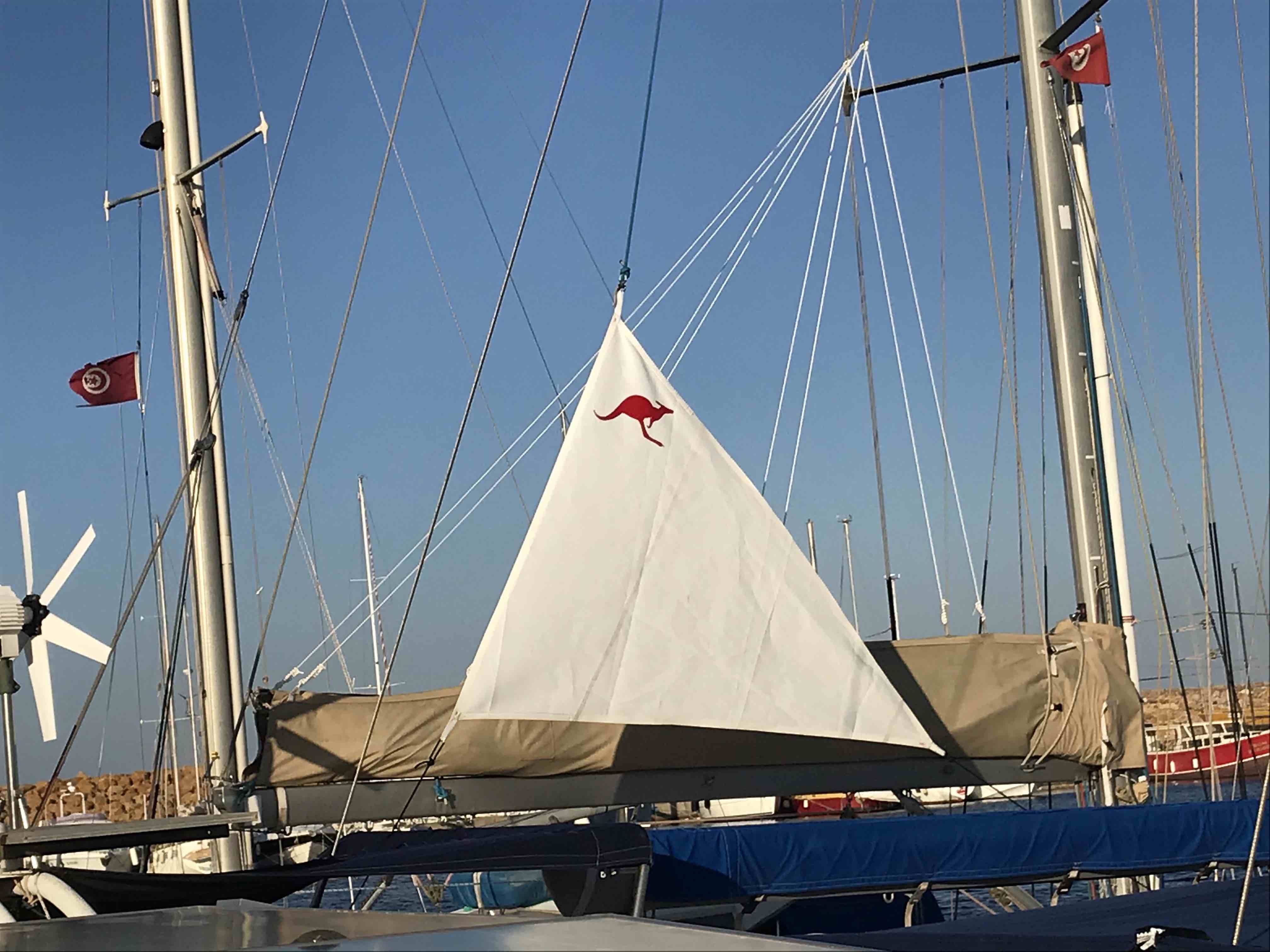
During our stay we also lived through our first entire Ramadan which is practiced by those of the Muslim faith. The basic principle is a month of fasting, prayer, reflection and community. Those who observe Ramadan fast between the hours of 4am and 7pm daily (this changes slightly by minutes each day based on the moon), and by fasting we mean everything, no water, no drinks, no fruit, no food, which in effect impacts the day to day workings of the country quite severely. There are no restaurants or cafes serving food for the entire month, meaning a lot of people are out of work for the month, and for all other business that don’t function around food most are shut by lunch time or early afternoon due to the fatigue staff suffer from fasting. Food and drink can still be bought from the markets and supermarkets for home consumption outside the hours of fasting. The start and end of fasting daily is signalled by an extremely loud “cannon shot” and lightening flash from the fireworks used. Being so near the grand mosque and with the water reflecting sound we had the pleasure of being woken from our bed most mornings with this cannon, a very good heart starter. The evening meals after 7pm are said to be quite the celebration and feasts in the homes, with many people travelling to spend the month with family (due to limited work). Alcohol is also banned for the month and can’t be sold or purchased. Luckily we knew of this and stocked up accordingly, and when the final cannon sounded (a double banger) at the end of Ramadan we still had 1 bottle of wine left and a dozen beers – good planning! What was a surprise is the amount of people in the community who don’t observe Ramadan or strictly adhere to fasting all day. The only coffee shops open in the city were the three here at the marina to cater for westerners. On a normal day you would be lucky to see 2 patrons at any of these establishments [due to covid restrictions] but come lunchtime during Ramadan they were full with very few vacant seats. It seemed a lot took advantage of the reduced work day and turned it into a social afternoon. The marina cafes are also almost hidden from the town so the risk of being seen by others is minimised.

The Locals
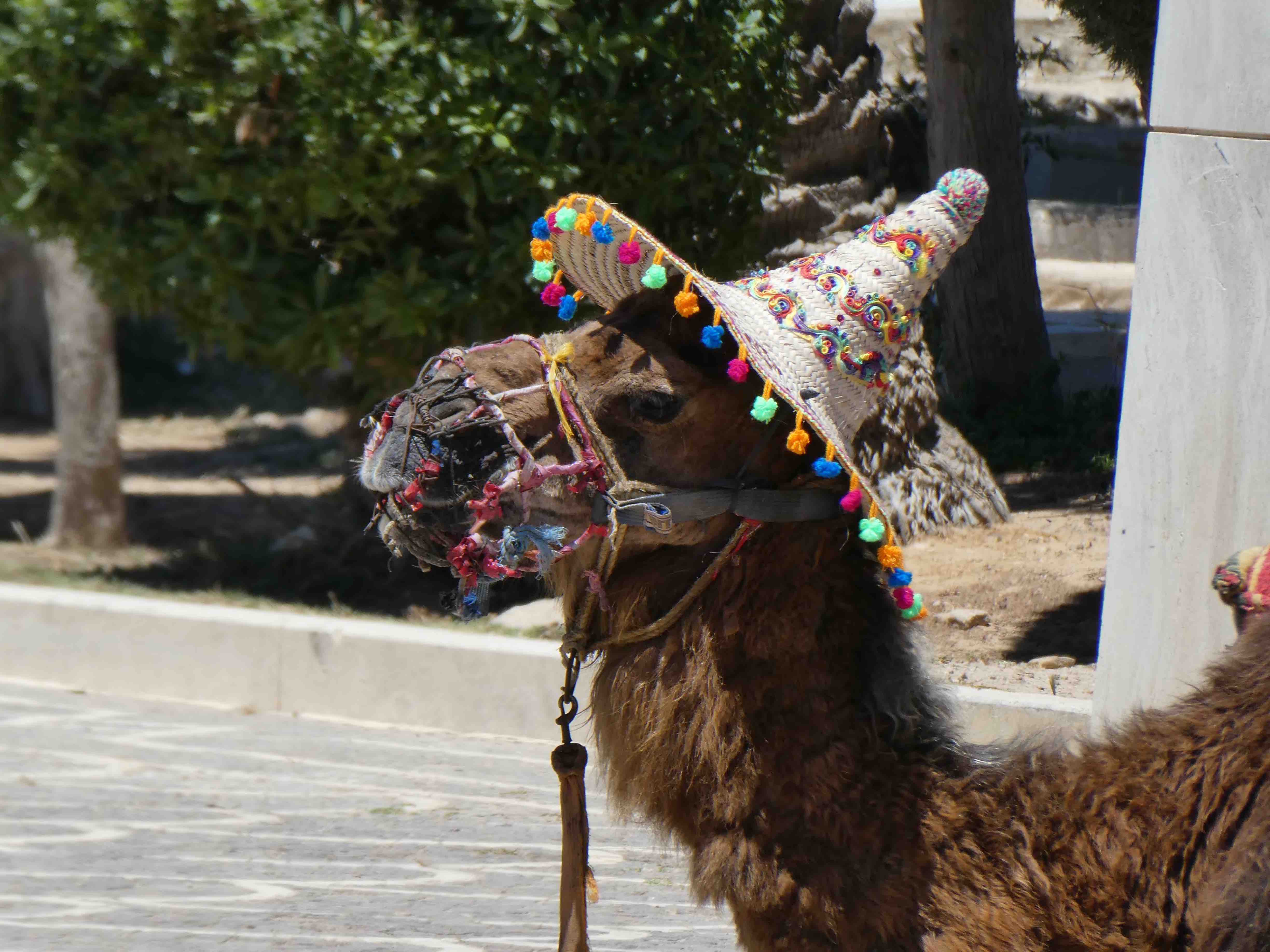
We have sincerely enjoyed our time in Tunisia and despite the very real struggles, worries and impact from Covid we have felt very safe. We take covid very seriously and take full responsibility to manage our own exposure and safety. The impact on the people here in Tunisia is very evident and heartbreaking, and whilst as individuals they can’t control the restrictions or the economical impact it has had, it can be frustrating to see them not take steps to control their own safety. Masks are mainly used as neck warmers if they have them at all. Funnily enough one of the safest activities we have enjoyed has been doing some sight seeing of their biggest tourism places in the country and having it entirely to ourselves – great for us but again crippling for those that make their living from the tourist trade.

Mausoleum (grave) of Habib Bourguiba (born in Monastir) – Much loved and progressive Prime Minister of Tunisia for 31 years

We find the Tunisian people in general friendly and mostly patient and helpful to us outsiders trying to speak their language and understand their ways. Although Tunisian Arabic is the main language it seems like the majority of Tunisians speak French and a lot know some English also. They are always asking where we are from and welcoming us to their country (on almost a daily basis). Our general observations also note that they seem mostly very respectful and trustful with most businesses leaving equipment, tables and chairs outside even goods with just a towel over them and you never see any theft or vandalism. We like and highly recommend a visit to Tunisia for anyone who is interested in experiencing a different culture and visiting some amazing places.
Tunisia – Red Roo Is Back In Africa
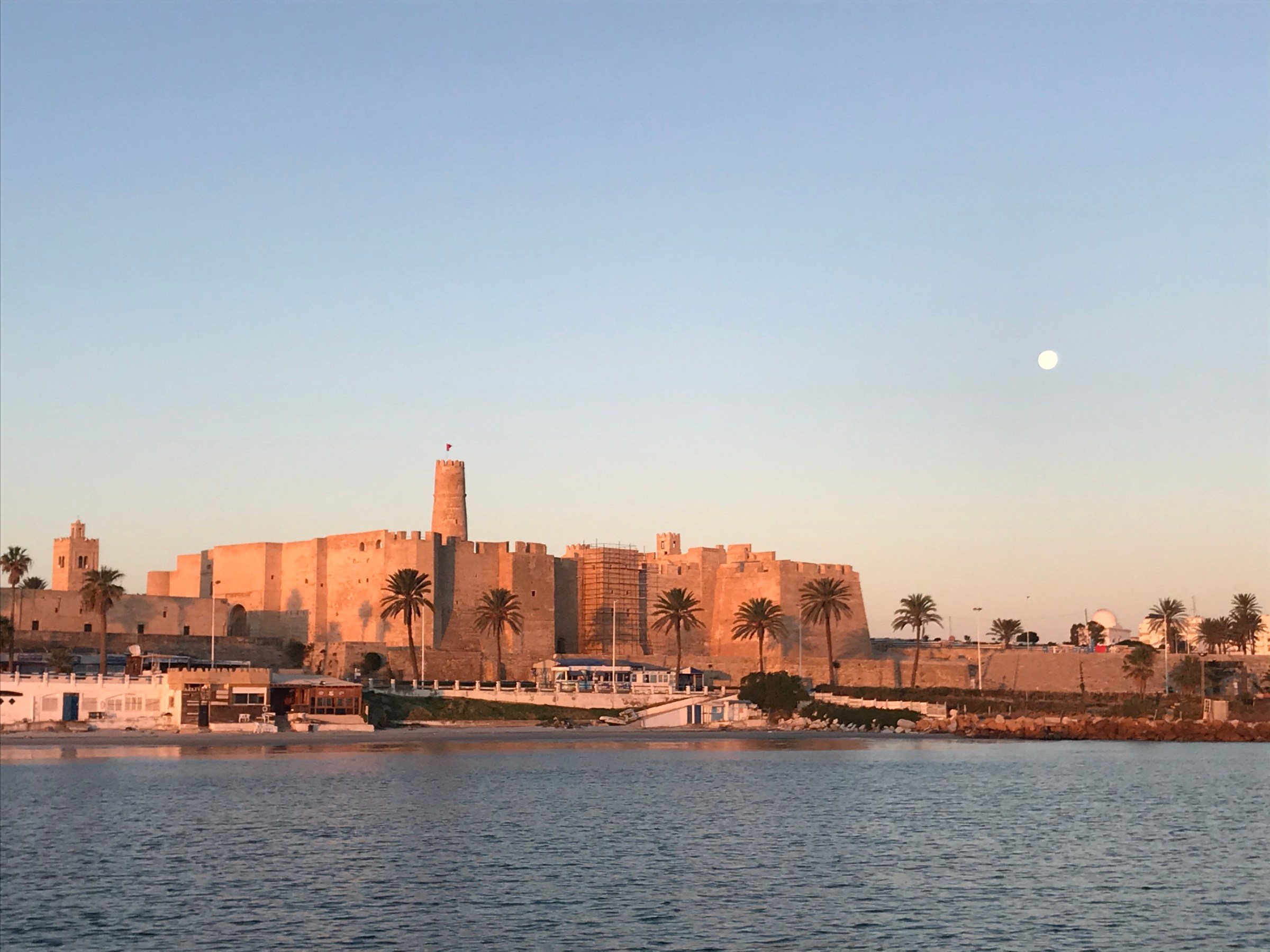
Arriving in Bizerte, Tunisia on the 15th December 2020, we really didn’t know what to expect as far as checking into a foreign country in these new Covid times. To our pleasant surprise it was easy and we received a most warm and sincere welcome to Tunisia.
We tied the boat up at around 4pm and were instructed to stay on the boat. By 6pm we had a laboratory technician at the boat in full PPE (white paper overalls, gloves and mask) ready to shove a stick up our nose for a Covid test. The next morning the results were in – we had passed the test (and didn’t even have to study!). The officials then came on board one after the other; Customs, Port Police, Guard National, then finally the Marina all with paperwork to process us and the boat into the country. Last to visit was the Government Doctor who assessed our Covid results, our previous travel and our health before determining that we would need to quarantine for 4 days, complete a second Covid test then (as long as we pass again) we would be fully cleared in and free to leave the boat and explore Tunisia. We passed the second test too and for the benefit of those who haven’t been covid tested it doesn’t get easier the more you do, whilst it is painless it is anything but pleasant. We didn’t have it too bad however as we learnt that the poor technician who tested us has to complete a test at the end of every work day (due to his exposure risk in testing people all day everyday), he told us he has now had 321 tests …. ouch – I don’t think his nose will ever recover!!!
The 4 days confined to the boat in quarantine passed very quickly as we were certainly exhausted from our lively passage across from the Balearic Islands, so we took the time to recover, and enjoyed being plugged into power and water (no limits on consumption of these was welcome after 6 weeks of anchoring along the Spanish coast). Long hot showers, electricity for laptops/movies and cooking, water to hand wash our clothes (in a bucket) and plenty of food stores we were happy.
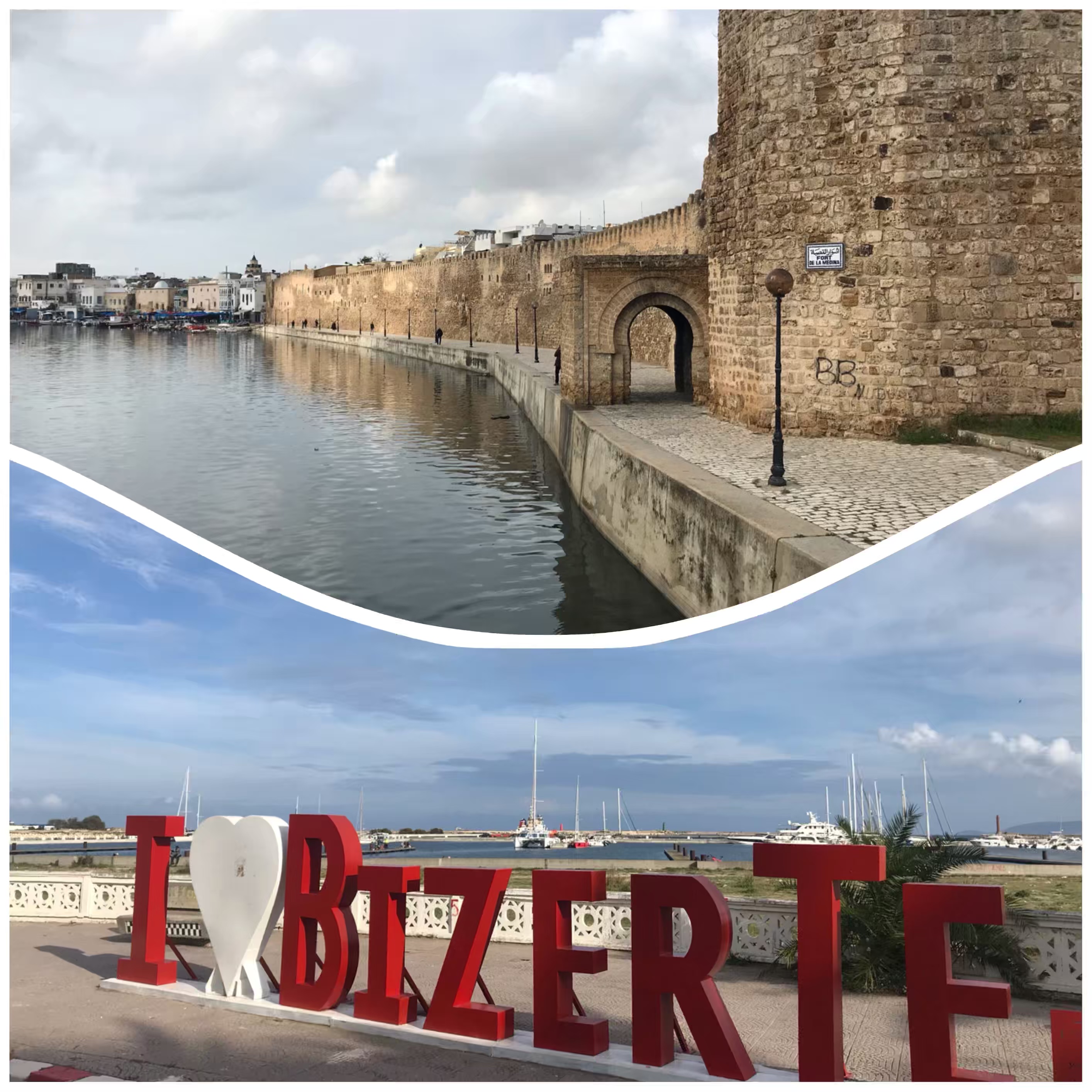
Red Roo in the marina above the “E” in the I Love Bizerte sign.
In total we spent two weeks in Bizerte, during this time we found our feet in regards to understanding the people, customs, language, money, food and the way of life in Tunisia. The Tunisians are very welcoming. This is one of the many pleasures we get to experience each time we land in a new country.
Whilst in the North of the country we took the opportunity to hire a car and see further afield than the city.

We toured a large aluminium boat building factory (Red Roo is aluminium) in Menzel Bourguiba owned and operated by our new friend Claude (a lovely Frenchman who had a 22 meter aluminium catamaran next to us in the marina).
We drove to Ichkeul National Park expecting to be able to get close to Flamingo’s only to get to the gate and be told the park was shut due to Covid.

A local Shepard with his cows on the road (you know they are true Shepards when they have a stick!).
The aluminium boat factory & the Ichkeul National Park (closed)
On our travels we came across the Medjez-El-Bab Commonwealth War Cemetery, where 2903 Commonwealth Servicemen from the Second World War North Africa campaign (1942-1943) are buried or commemorated, 385 of which are unidentified. A very sombre place that is maintained to a very high standard by the local staff.
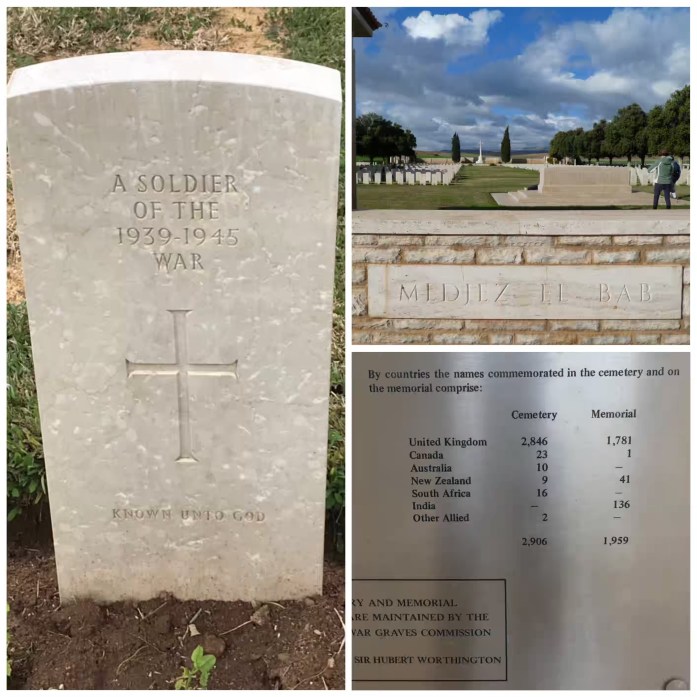
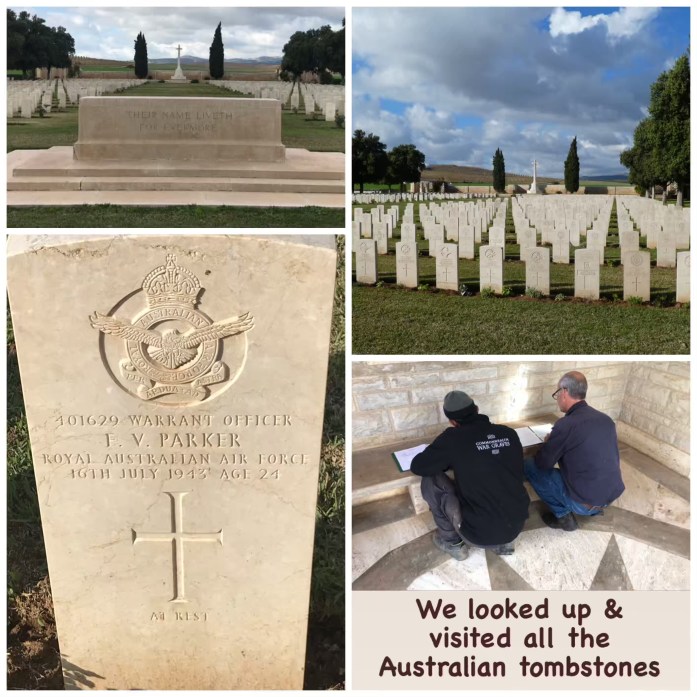
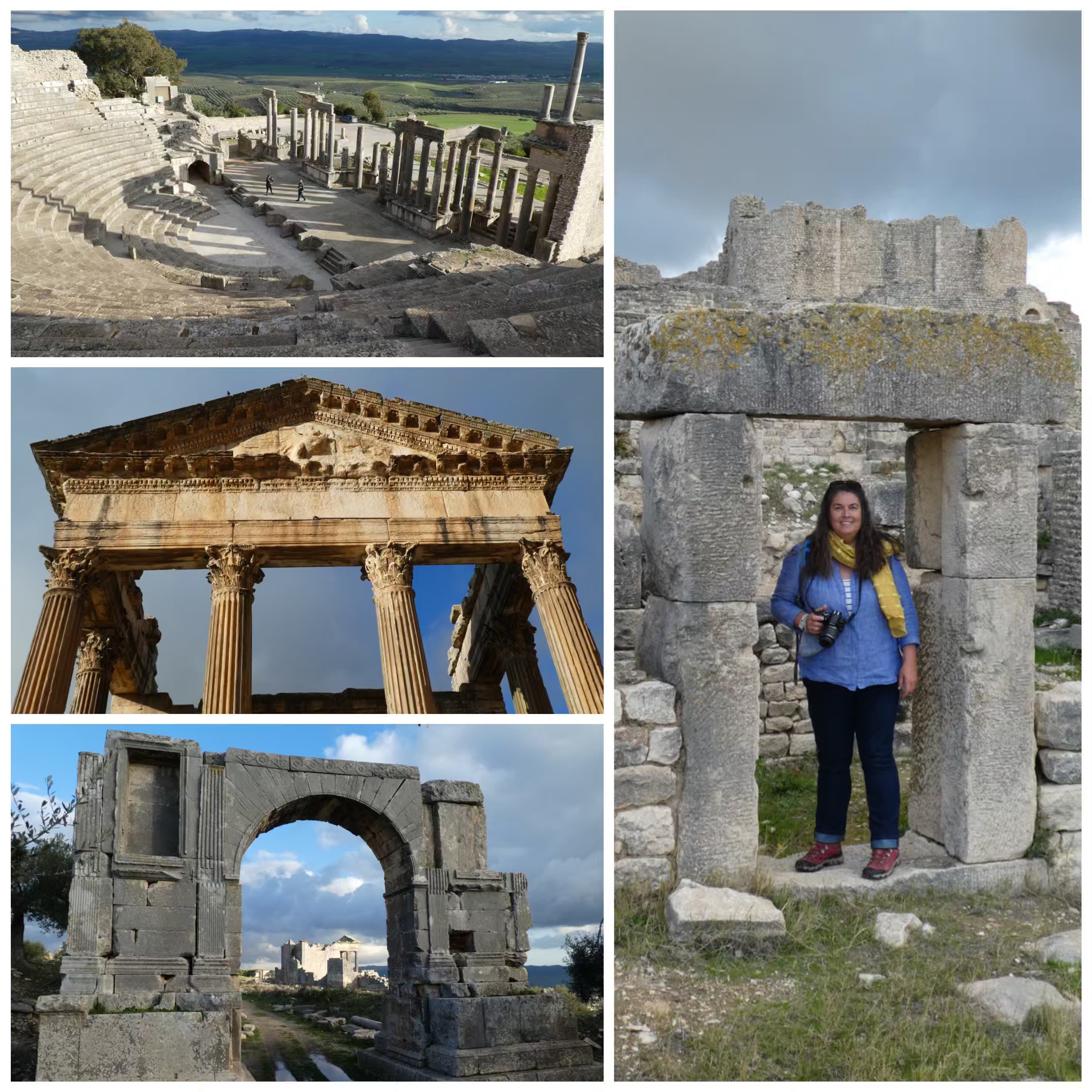
We stopped at Dougga, a Roman settlement that peaked around 400 AD. The ruins of the complete city cover an area of approximately 75 ha. It became a UNESCO site in 1997. We really enjoyed exploring this place, we were 2 of 4 people wandering the ruins and there is no such thing as out of bounds, guide ropes restricting access or even occupational health and safety in a place like this. You are truely free to roam and explore, even fall down open un barricaded holes in the structures, or pick up the stones from mosaics dated 1400 years old.



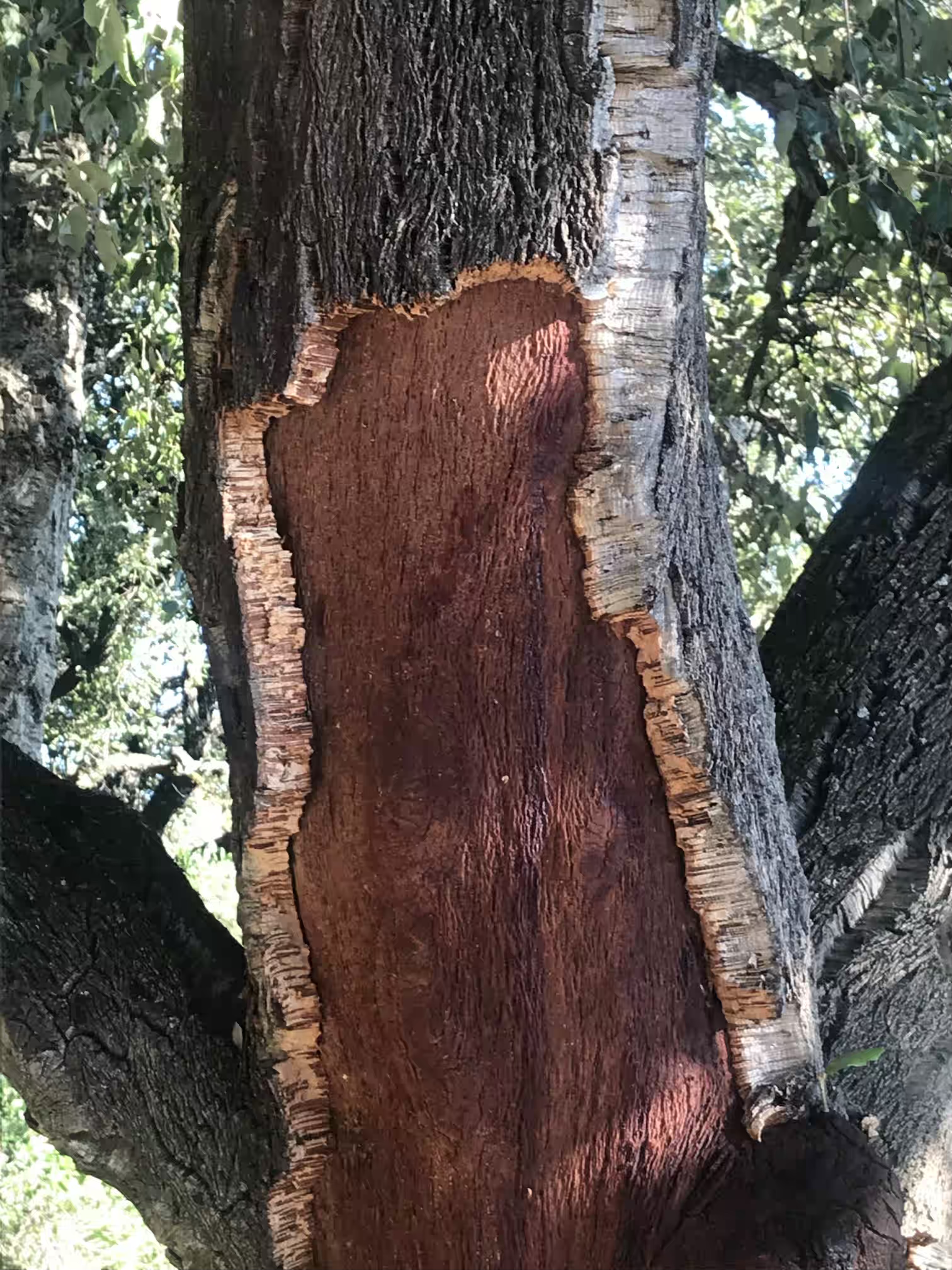
We visited Le Kef and toured the Rabat which overlooks the city, as well as drove through the cork forests and the Ayn Darahim Mountains on route to Tabarka, a northern coastal town. During our time on the road we passed some magnificent rich farming country with the winter crops emerging. Northern Tunisia was the breadbasket of the Roman Empire with an estimated 60% of the empires wheat coming from the region.
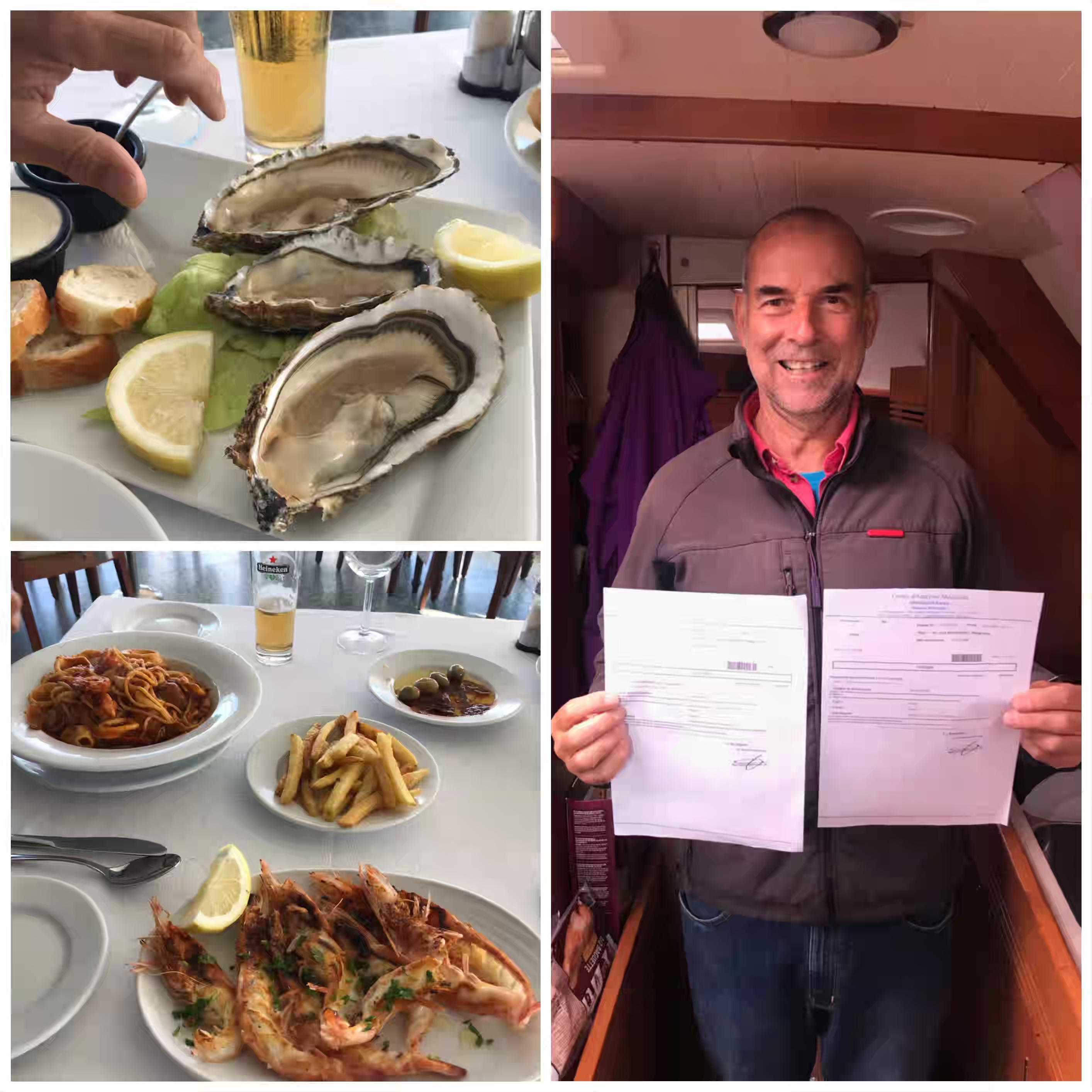
We were the only cruisers living on our boat at Bizerte so we enjoyed a quiet Christmas together. We ate out at a restaurant for lunch (the one in town that sold alcohol – remember we are in an Arabic/Muslim country now and alcohol isn’t a common thing). We treated ourselves to ½ a dozen oysters for an entree, only to be told they had just three oysters, however they were so big I am not sure we would have managed any more than that. We strolled back to the boat and drank away the afternoon and evening making a good dent in our ships stores of grog – it was Christmas after all!!
Once the correct wind and weather arrived we set off again for the 145 nautical mile passage which took us east across the Gulf of Tunis, around Cape Bon and then south to our winter berth at Monastir.
We had a great sail making good speed in pleasant conditions (a relief after the previous passage). We left Bizerte and arrived in Monastir a little over 24 hours later, anchoring off the beach outside the marina.

Night sail from Bizerte to Monastir 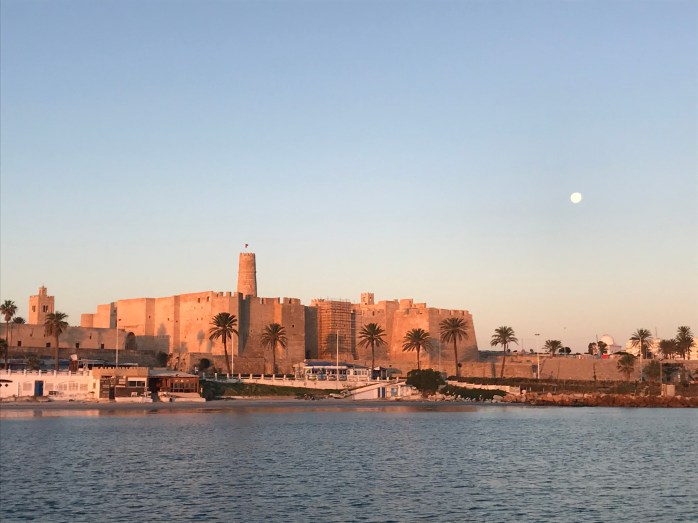
Anchoring off the Rabat in Monastir upon arrival
The next morning we entered the marina (with a little touch of anxiety) for our first ever Mediterranean berth. This may not mean much to many of you, but every region of the world has a different way of “parking” your boat, and we were about to learn yet another. Previously we have become practiced and skilled in normal finger pontoon berths, then in the Baltic Sea we learnt to deploy a stern anchor and nose into the rocks or docks to tie off, we have also perfected the box berths or pile berths but of course they do it different here in the Med. We had done our research but it is always a bit “exciting” actually executing something new in a boat. Especially when you have a great cruising boat for sailing and anchoring but one which isn’t quite as responsive on steering in small tight cramped marinas, or going backwards at low speed, which of course is what is required to berth here. In short they don’t have pontoons (to side tie onto) you need to back into a berth in between other boats and tie off your stern (rear) to the quay, then pick up “slime lines” from the water that are secured underwater on the bottom (usually to concrete blocks) to tie off your bow. Then secure a “plank” to get on and off your boat from the stern to the quay. We managed this quite well (or some would say fluked it), but it was a relief getting the first one done, we now know what to expect next time.
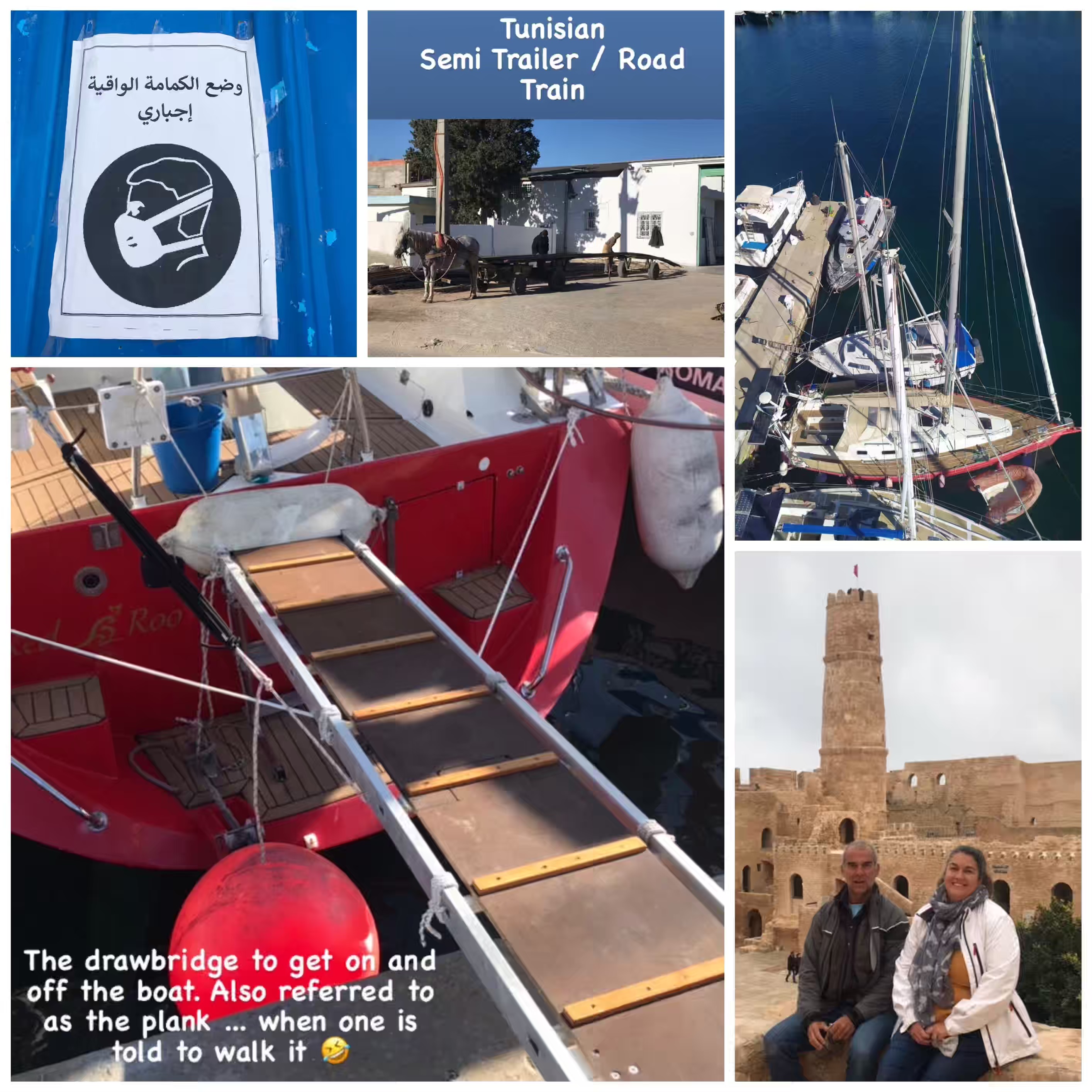
Red Roo in her winter berth, picture taken by our neighbours from the top of their mast.
The “plank” to get on and off the boat.
Monastir Rabat.
We were welcomed in Monastir, arriving New Years Eve to be greeted by fantastic friends who we had previously met and wintered with in Morocco 2 years prior, and have since made many new ones too. Monastir has a great winter sailing community with around 20 boats all with people living on them from many countries; USA, Canada, Germany, France, Italy, Switzerland, Brazil, The Netherlands, as well as other Australians!
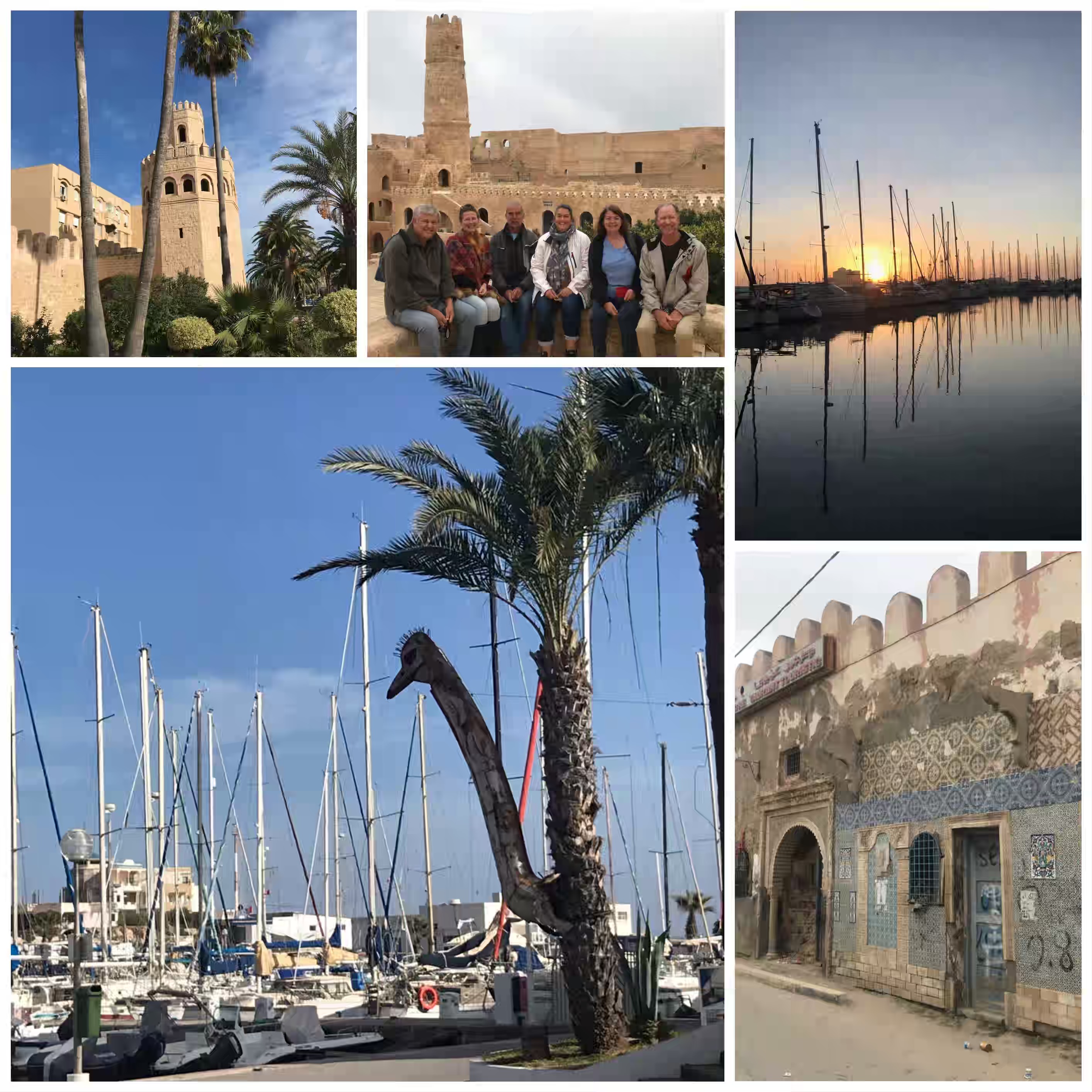
Friends old and new in Monastir.
Sunrise in the marina.
Our pet Ostrich at the marina.
Street buildings Monastir.
We will be here for a few months to wait out winter, haul out the boat and anti-foul the bottom and then be ready to head off sailing and exploring as the pandemic and weather allows.
Off again ⛵️ into the mediterranean sea

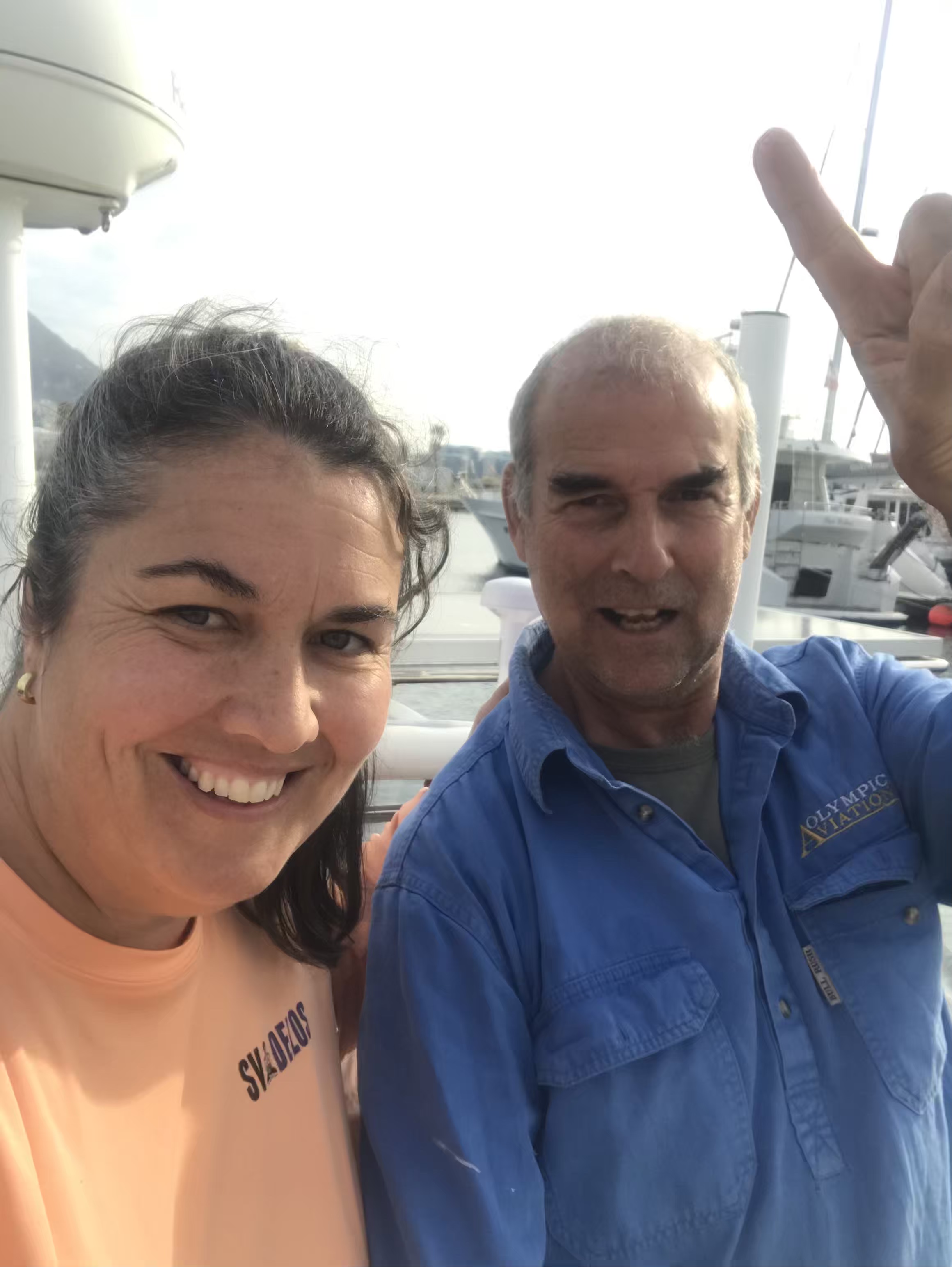
Tuesday 3rd November 2020, a day to remember – it was the day we finally threw off the dock lines at La Linea de la Concepción, Spain after our long unplanned hiatus.
This wonderful day however didn’t come easy and there was certainly more than one occasion leading up to leaving that we doubted if we would get away.
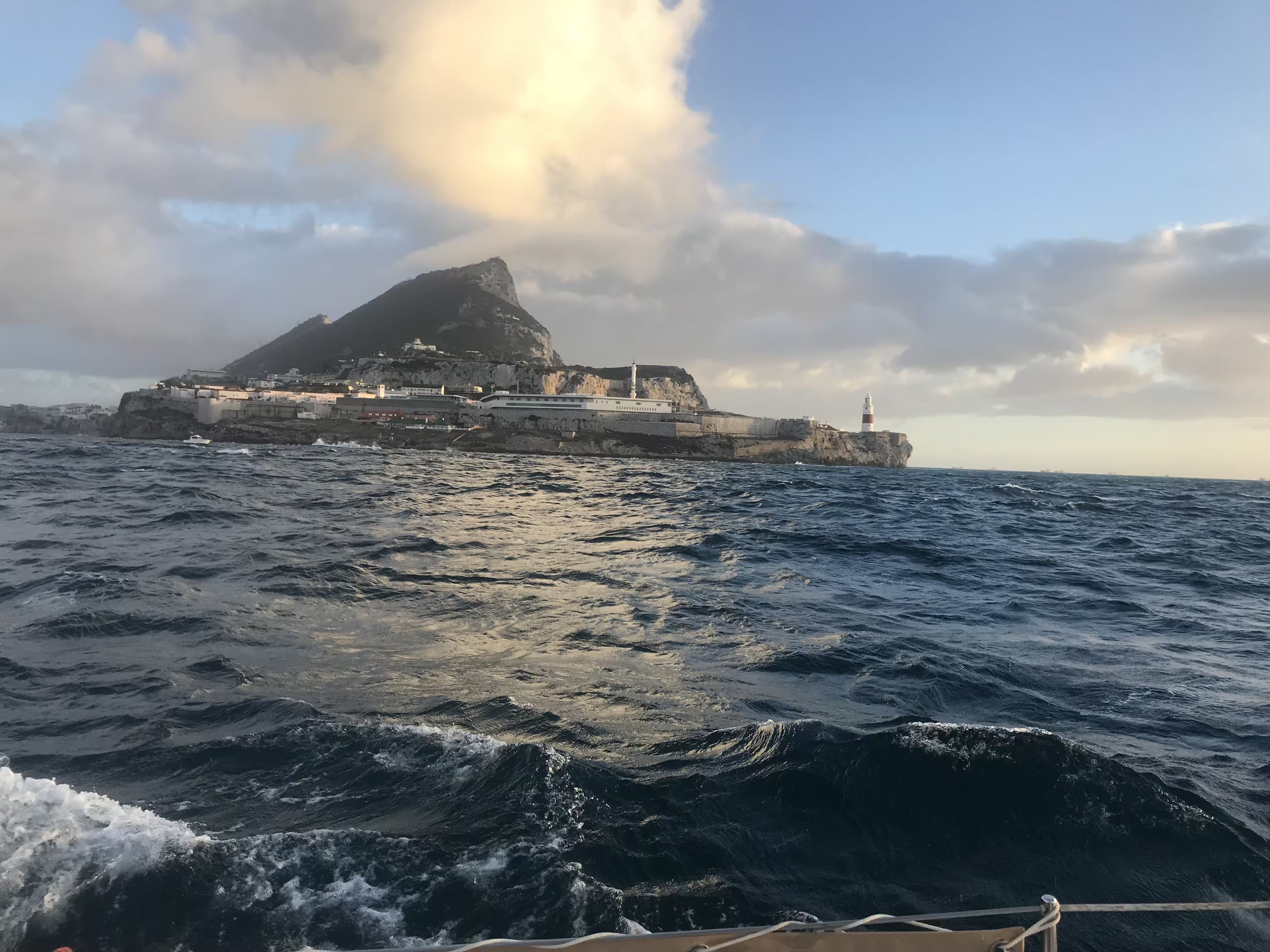
One of the more memorable was during our final test sail. We had been taking the boat out of the Marina multiple times during the previous two weeks to test all the repaired and replaced systems parts. The test runs had all gone well and boosted our excitement about finally leaving UNTIL our very last one. We had actually just nipped out, one nautical mile over to Gibraltar to fill up the fuel tanks with duty free diesel in preparation for our final departure. As we returned to the marina dock, at the final moment, the worst possible time as we were manoeuvring into our berth (with boats everywhere) the engine cut out dead and couldn’t be restarted, we were drifting with no engine and not enough speed for steering.
Thank goodness there was no wind to push us into other boats, we did however hit the concrete wall on the quay with the dinghy on the stern of the boat (which was the best part to hit if we had to hit anything as it protected Red Roo). We threw a line to help on the docks and were pulled in and tied off. The culprit was a teeny weeny 5 amp fuse in the engine wiring loom that had blown when putting the engine into reverse. Disturbingly it was factory fitted in the new system and the manual clearly states it should have been a 10 amp fuse. Our electrical engineer assured us the new correct size fuse wouldn’t fail and we were good – I can tell you it didn’t feel good and our confidence took a hit, but we did go out again, that very same day (the old saying get back on the horse) and all was well. It is now just an unpleasant memory, and some minor repairs to the dinghy wheels where they bent upon hitting the concrete wall.
So, as many boats were coming into La Linea to tie up for three or four months to shelter for winter we were departing … hmmmm, this seems to be a bit of a habit of ours – winter sailing … destination Tunisia 1500 nautical miles away.

After 5 days on anchor outside the marina the winds were in our favour and we were off, and spoiler alert … 38 days later we arrived in Tunisia.
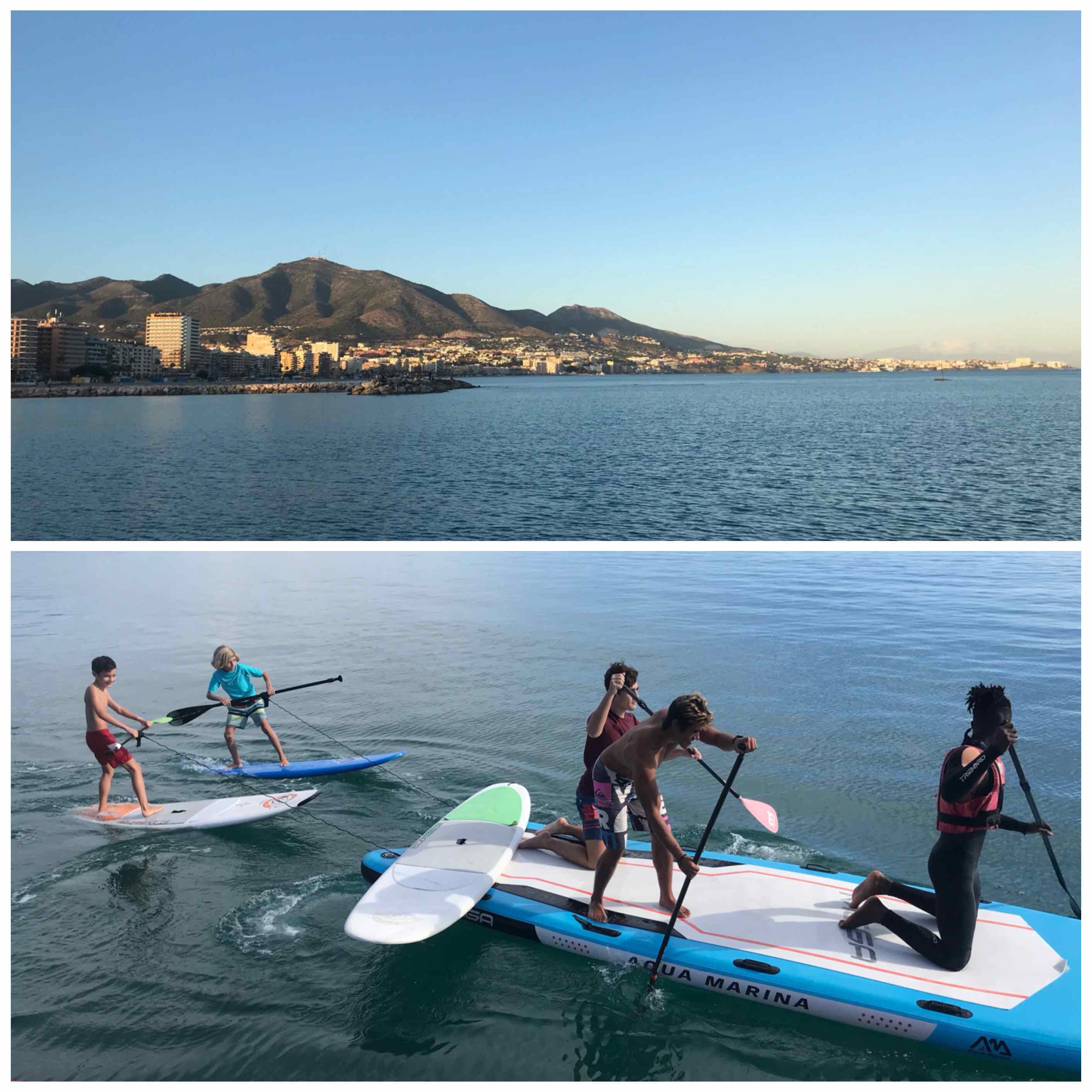
In between there were some lovely picturesque anchorages and some other beautiful but very rolly and uncomfortable anchorages including one night where we rose from our beds at the midnight hour (not that we were sleeping due to the rocking) and moved anchorages as the wind changed direction earlier than forecast and we had an onshore wind and breaking waves.

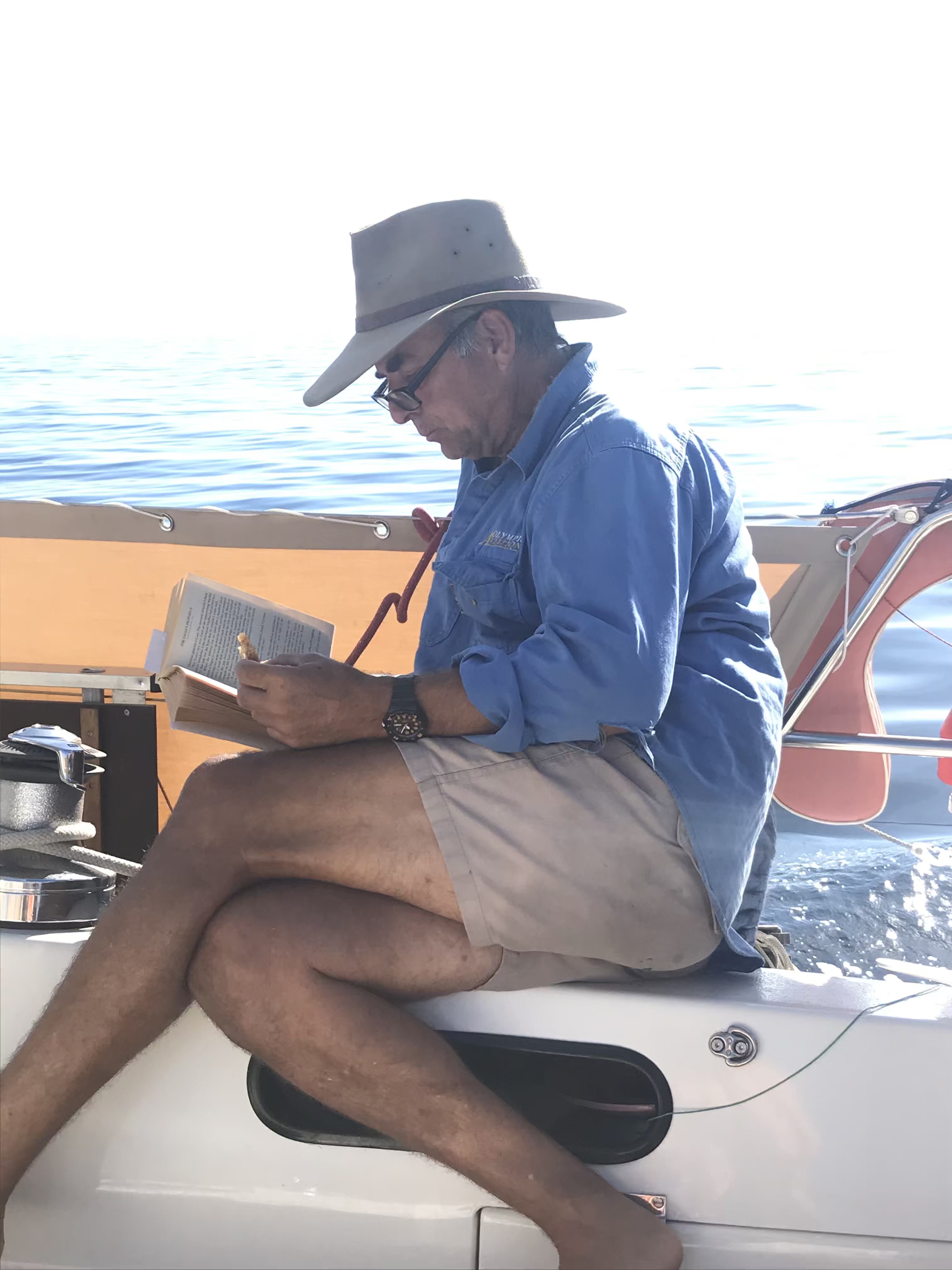
Our short time in the Mediterranean Sea confirms the myth we had heard that in the Med there is either no wind or an awful lot of wind.
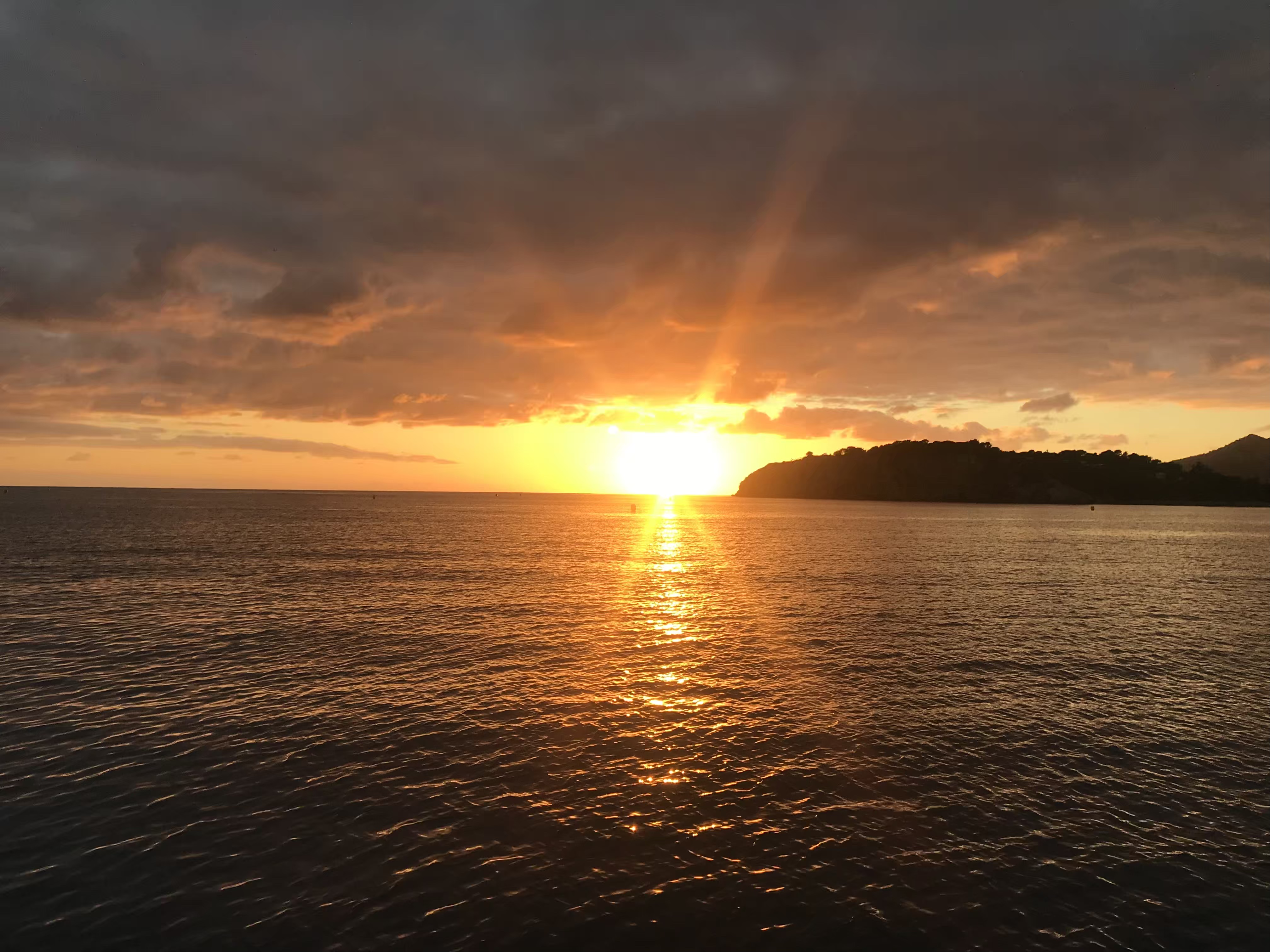
We mainly did small day sail hops along the southern coast of Spain heading East. We didn’t explore land at all, in fact we only went to shore twice in 43 days between La Linea and Tunisia. This being due to both COVID pandemic restrictions as well as VISA reasons (we had officially checked out of Europe, and our clock had started on our required time out of the EU), hence the reason we were heading to Tunisia in Africa. We were in no hurry, happy for our days out of Europe to start adding up and enjoy the water as long as we could before the weather really turned and we were once again tied to land.
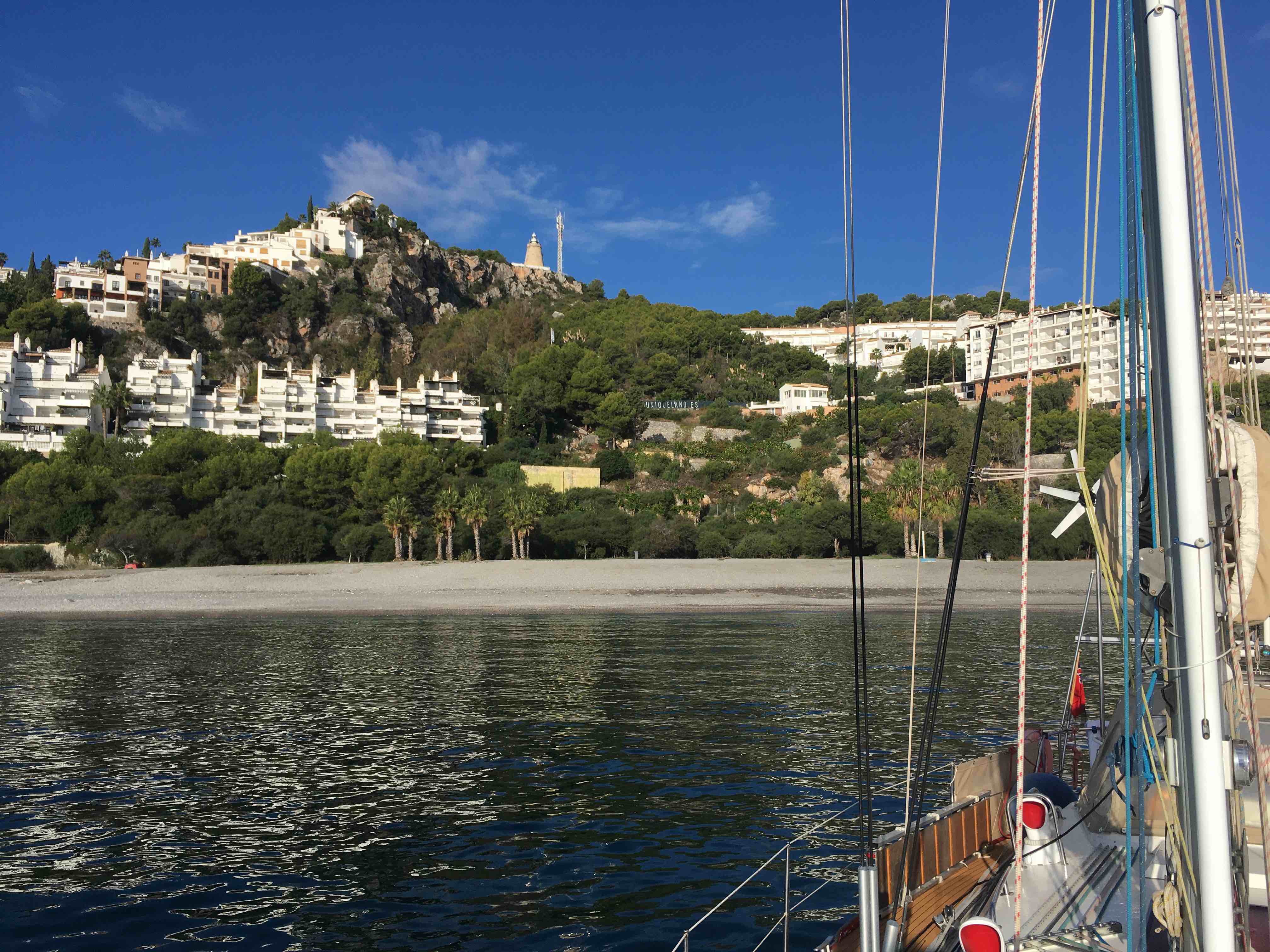
The almost two months on anchor and making our way to Tunisia certainly helped get our sea legs back, we gave Red Roo a very decent work out, both the new engine as well as our sailing skills in strong winds and lumpy seas….… Did I mention there is either no wind, or too much wind!!
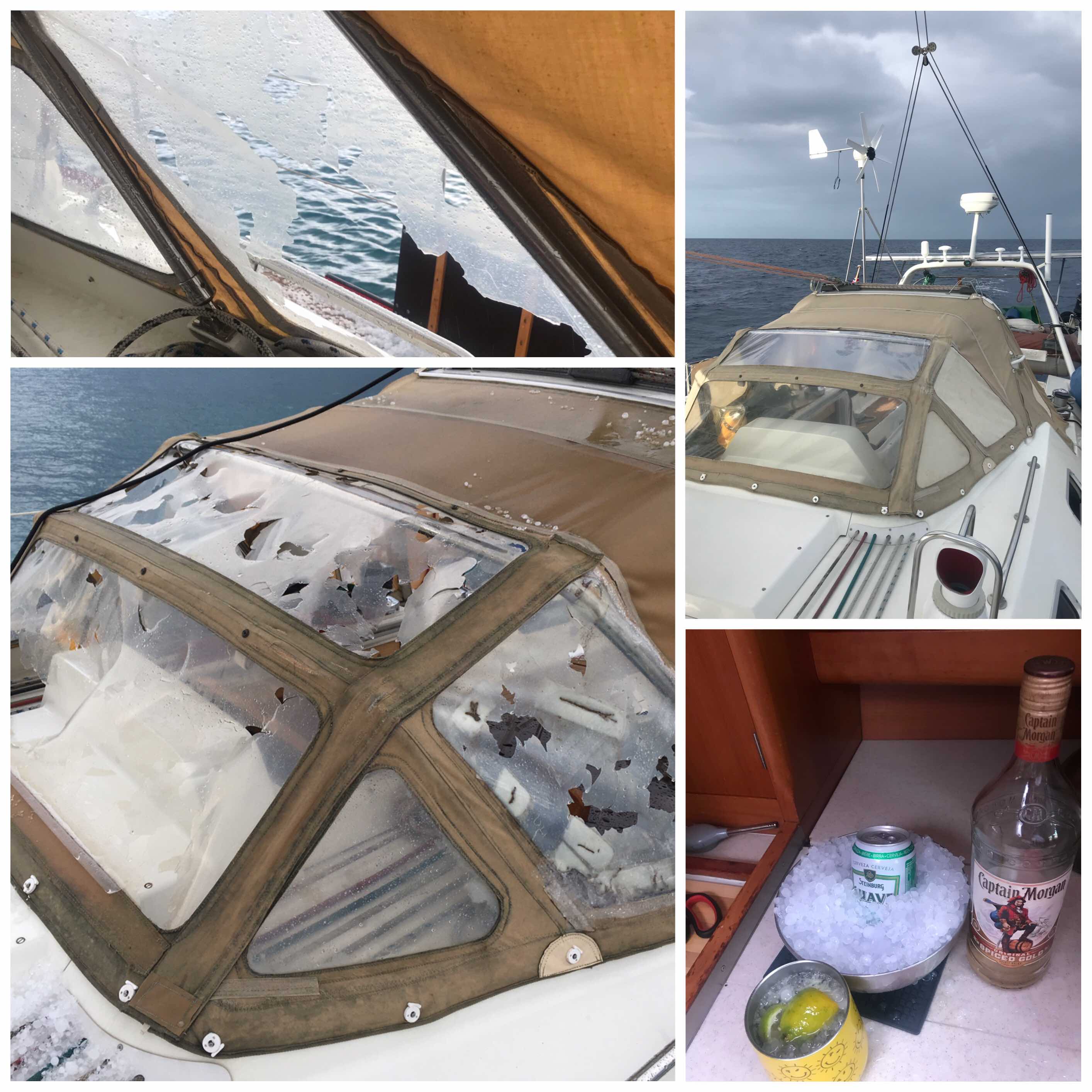
Our spray dodger was damaged one day at anchor off Mallorca when a hail storm came through and gave us all it had. The hail stones were many and at least 10mm in diameter and came with such force it shredded (went straight through) all 6 of our clear window panels on our spray dodger. We are the first to admit our dodger wasn’t in the best shape and the clear window panels were getting brittle and on their last legs, however it was still disappointing. The next day was spent in repair mode. I sewed in some old sail cloth for the side panels (which didn’t need to be see through, in the case of an interim repair) and I used the plastic table cloth from our saloon table for the front panels! The upside of the event, we had ice (hail) for our drinks which we collected from the deck.
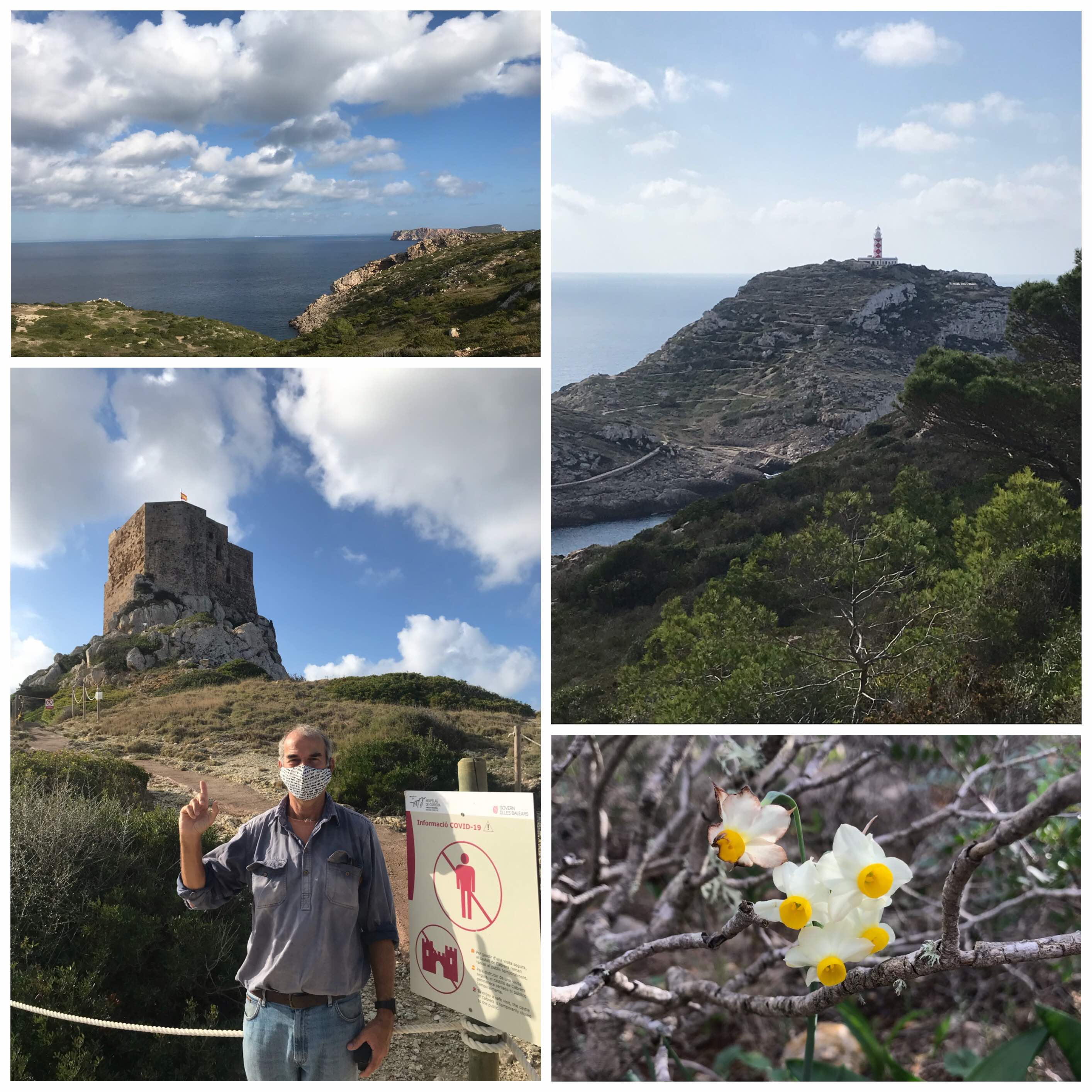
One of the highlights besides the tranquility of being alone and on the ocean was our stop at Isla de Cabrera. A small national park island off the southern eastern end of the island of Mallorca. In a word STUNNING, and being winter we had the place to ourselves. Normal capacity is 50 boats all on morning buoys to protect the sea bed, and a recommendation to book 3 months in advance due to its popularity. I will let the photos do the talking.
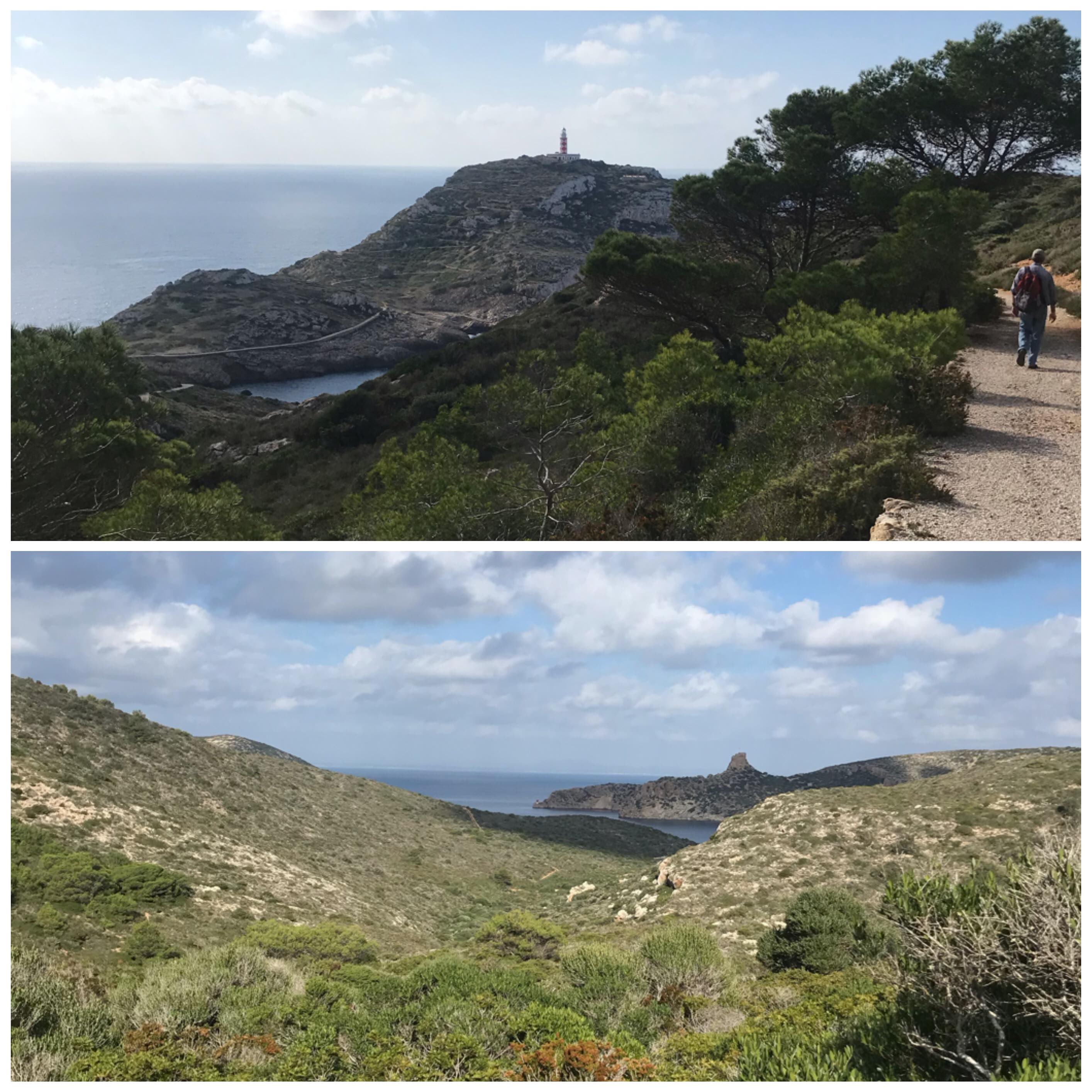
This was a theme as we made our way along the Spainish coast. Whilst cruising out of season comes with some weather challenges it is certainly far outweighed by the pleasure of empty anchorages – bliss!!!

From there we made our way to the island of Menorca and went to shore to re-provision and stock up (mainly on pork products, bacon, ham, chorizo, as we were heading to Tunisia, a Muslim country) and then waited for our opportunity to cross south to Tunisia. Due to the winter weather this was a 9 day wait for the heavy weather to subside. With at least three of these nights being nights with one of us alert and up on anchor watch due to the fierceness of the wind and the chance we may drag anchor in a small anchorage with a fine grained sand bottom.
We departed on the western edge of a Mistral wind, (a prevailing Mediterranean strong wind from the north west) in order to sail the 350 nautical miles to Tunisia. Staying on the edge of the Mistral with wind over the port stern quarter, sails reefed down we made good progress however it did cost us, for we gave up any and all comfort for 3 nights and 2 days as on top of the 3-4 meter northeasterly swell from the Mistral which would have been reasonably comfortable, there was a residual heavy westerly swell from an earlier gale out in the Gibraltar straits which together made for an very uncomfortable ride. Total number of photos from passage = zero (that’s how uncomfortable it was). We both stood all our watches for the entire journey, however during the worst of it they were pretty short 2 hour watches as neither of us could manage a lot, not that it was any better being off watch and trying to rest down below.
Around midnight on the third night at sea (when we were on track to arrive the next morning, with only about 40 nautical miles to go), the wind swung around to come at us directly on the nose, a short sharp swell built over a few hours and we were really having to push into it, the bow of the boat was riding up with swell and smashing down heavily. We were making slow forward progress. Phil made the decision to turn off the wind, away from our destination and sail at an angle where the wind and swell was kinder to us. It was immediately so much more pleasant, despite being in the wrong direction and even though it meant a lot more work on Maree’s shift as we crossed the shipping lanes on the southern side of the mediterranean and had to continually turn the boat 60-90 degrees to give way to tanker traffic. By dawn we had reached the Tunisian coast but were 30 nautical miles west of our arrival port, but as we neared the coast the wind had moderated and veered to the south and the swell dropped in the lee of the coast we were able to slowly coastal sail to Bizerte, our Tunisian port of arrival. It was actually the best part of the crossing with the sailing slow but enjoyable despite our fatigue.

Good old Red Roo performed so well and is such a solid trustworthy vessel she did all the hard work for us. It was a unanimous decision to award the Crew Person of the Passage to the “Autopilot” and runner up being our upgraded “AIS” system.
That sinking feeling

We have a boat, we have done our apprenticeship – successfully sailing over 8,600 nautical miles over four years through 16 countries. Does this mean we don’t make mistakes? Nope, it certainly does not!
We made a big one, so big that Red Roo was taking on water, a lot of water, one could say she was on her way down to the bottom.
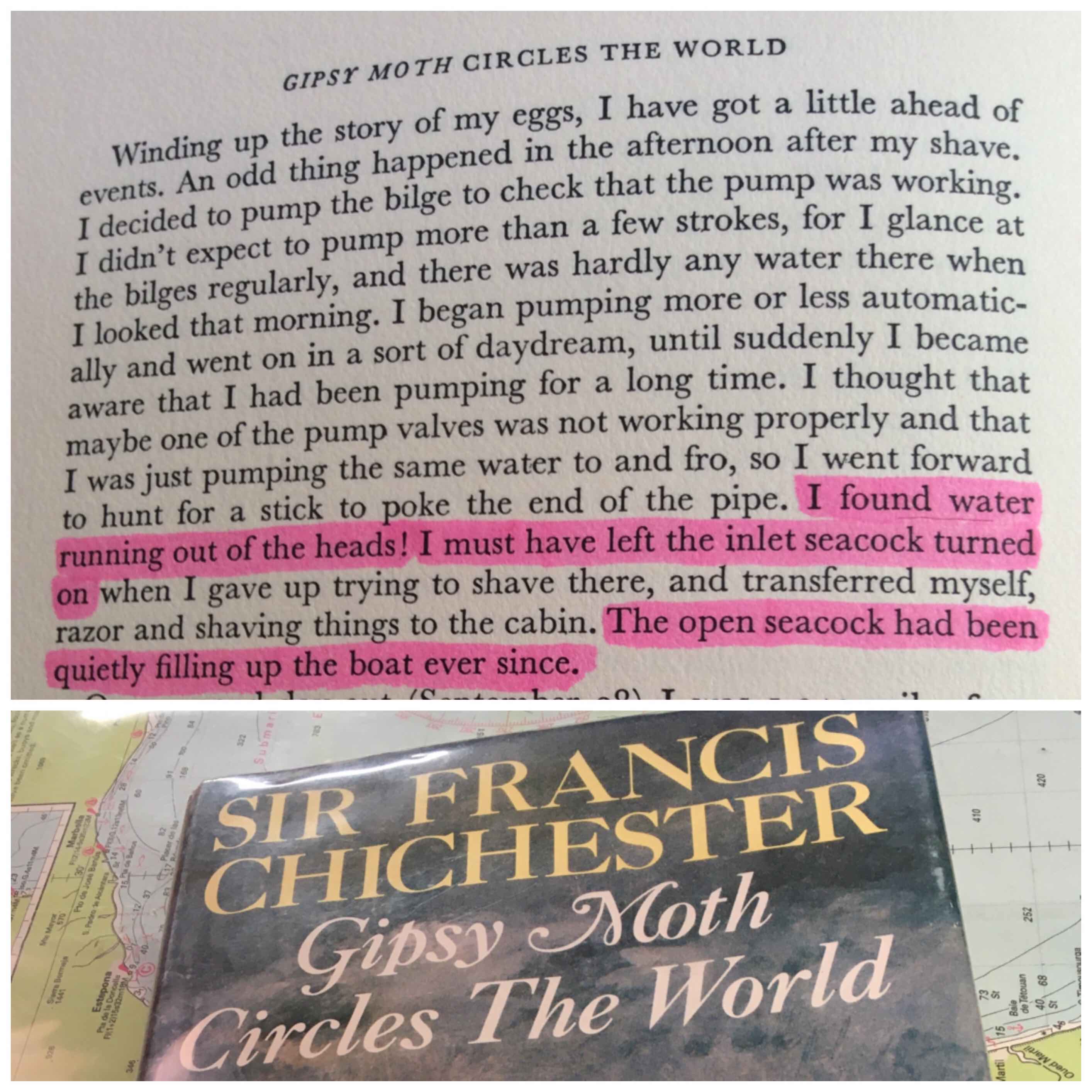
It was a mistake of our own making. A very regrettable lapse in process when in a rush to leave the boat resulted in the toilet intake valve being left open, allowing water to flow in without the accompanying pump out operating. Normally a few hours of this would present no real problems BUT we had left the boat for a few days to travel to Madrid and explore the Spanish capital.
The result was Red Roo taking on water for 18 hours. From what we can gather, the water overflowed out of the toilet bowl and into the bilge (as expected), and the bilge pump pumped the water out for hours before eventually failing. The water then continued flowing in without being pumped out, resulting in water inside the boat to a depth of 40cm of water above the floorboards before the diligent staff at the marina noticed that Red Roo was sitting low in the water, ultimately beginning to sink.
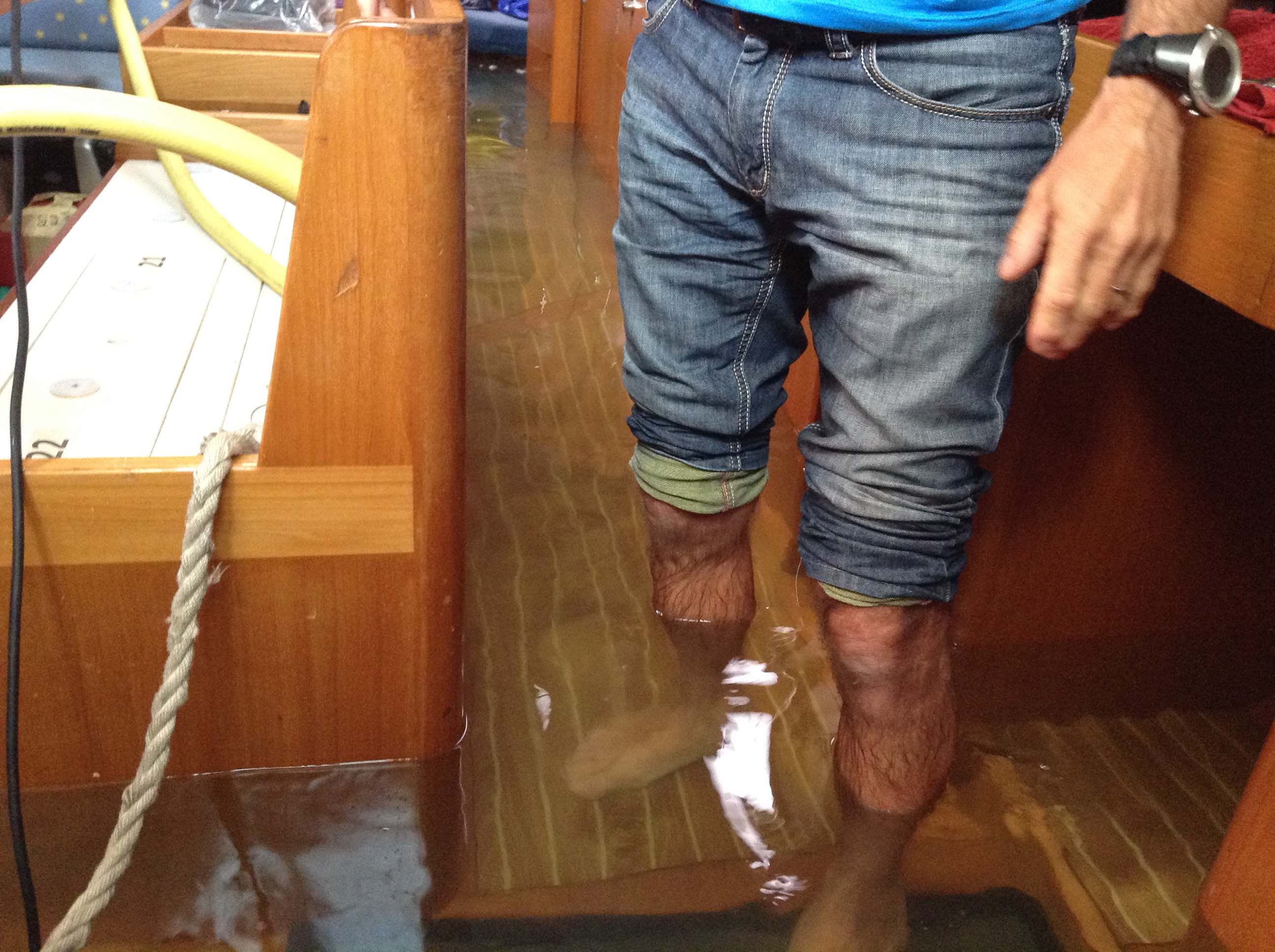
After receiving the phone call from the marina that morning while we were sitting in a hire car on the side of the road 6 hours north of the boat, we were stunned, shocked, and devastated. Our main concern was where was the water coming in? Was there a hole? Had something failed? What could it be? Our minds eventually came to question: in a rush to leave, did the last user of the toilet close the valve? It took only seconds for those at the marina who accessed Red Roo to check and confirm. The valve was open; two seconds later they had shut it off, and the flow stopped.
It took 20 minutes to pump all the water out but took weeks to discover the resulting damage. Electrical wiring and components, mechanical parts, and personal items were destroyed or had begun to corrode due to their saltwater immersion. It has taken over a year to replace everything following a frustratingly slow insurance process as well as repairers and parts availability.
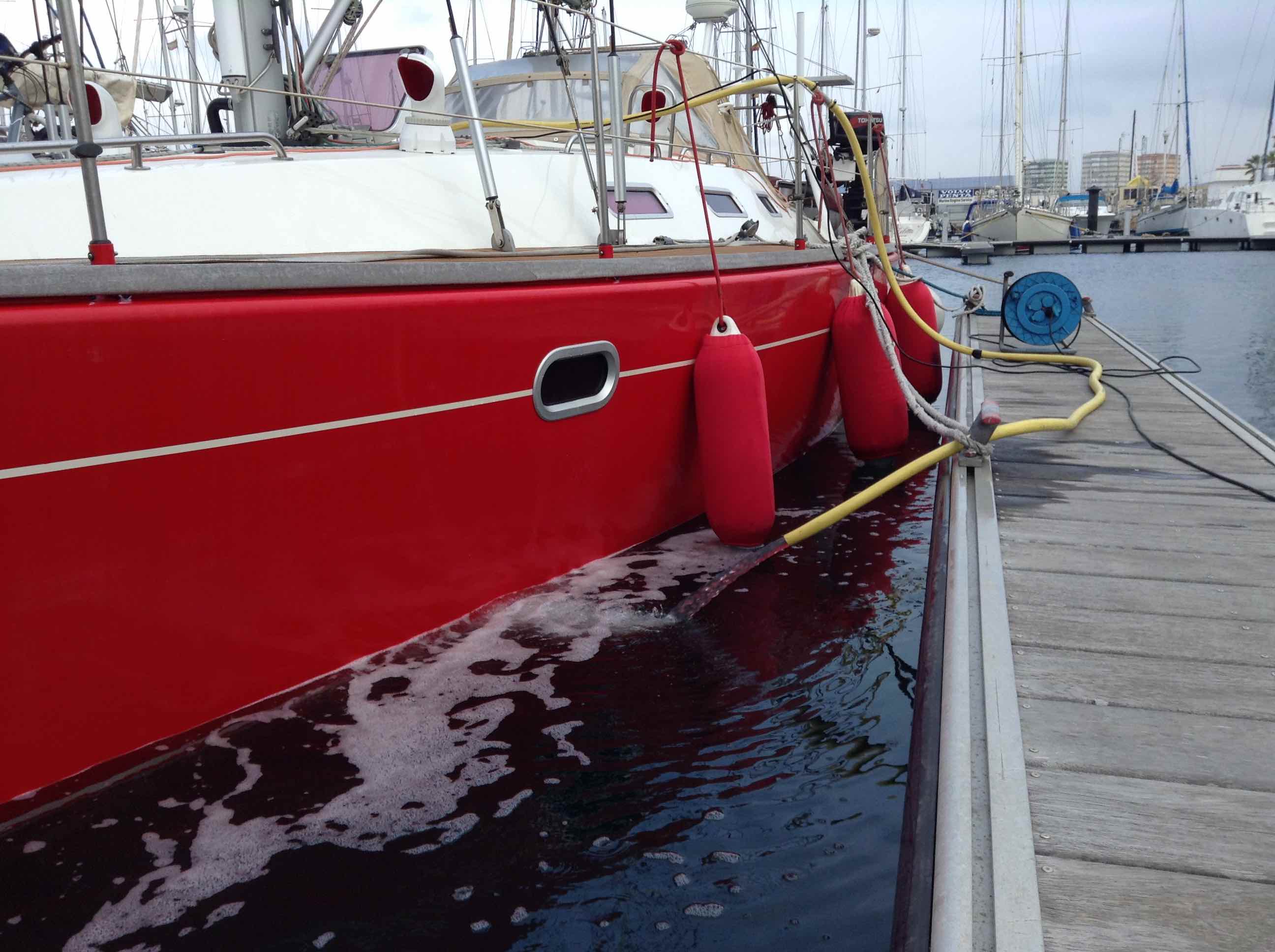
We cannot thank the Alcaidesa Marina staff enough for noticing Red Roo was low in the water, contacting us, and pumping her out. Also a HUGE THANKS to Jean & Yolene (SV Caffee Latte) for helping on the day and in the week following. Each day they assisted in emptying the boat, washing and cleaning everything in freshwater, and providing the much needed emotional support during the clean up.
For the 16 months following, we dealt with the insurance company (very frustrating) and organised contractors for the boat repairs. The significant works included total replacement of all immersed electrical wiring and equipment, replacement of pumps, and eventually a new engine and gearbox. Delays occurred with being in Spain and the repair companies being in Gibraltar (UK territory). Then, of course, when almost complete, we had further delays from COVID shutdowns.
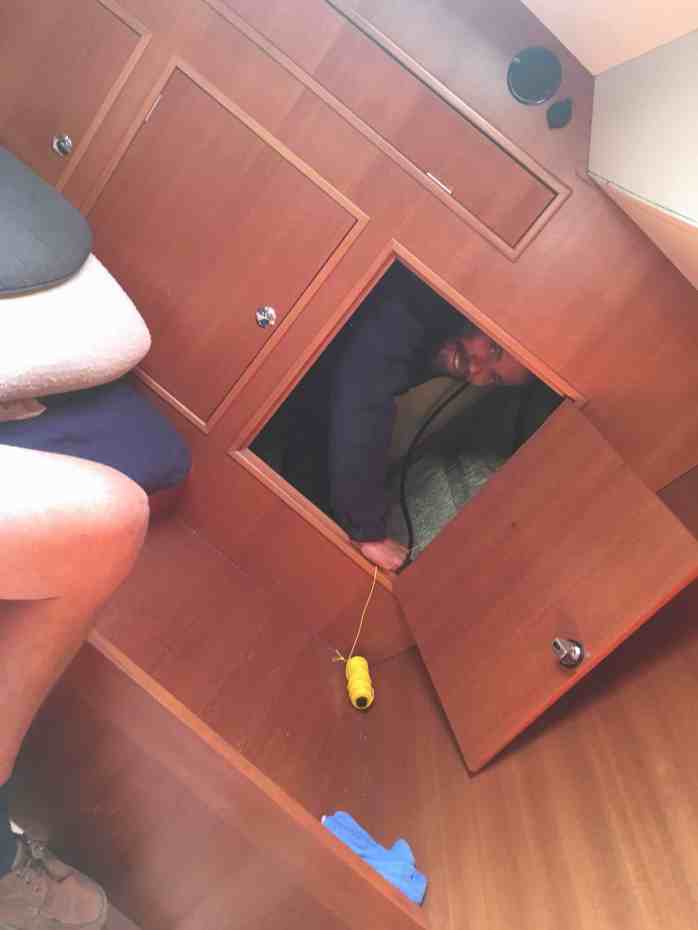
Dylan in the cupboard wiring cables 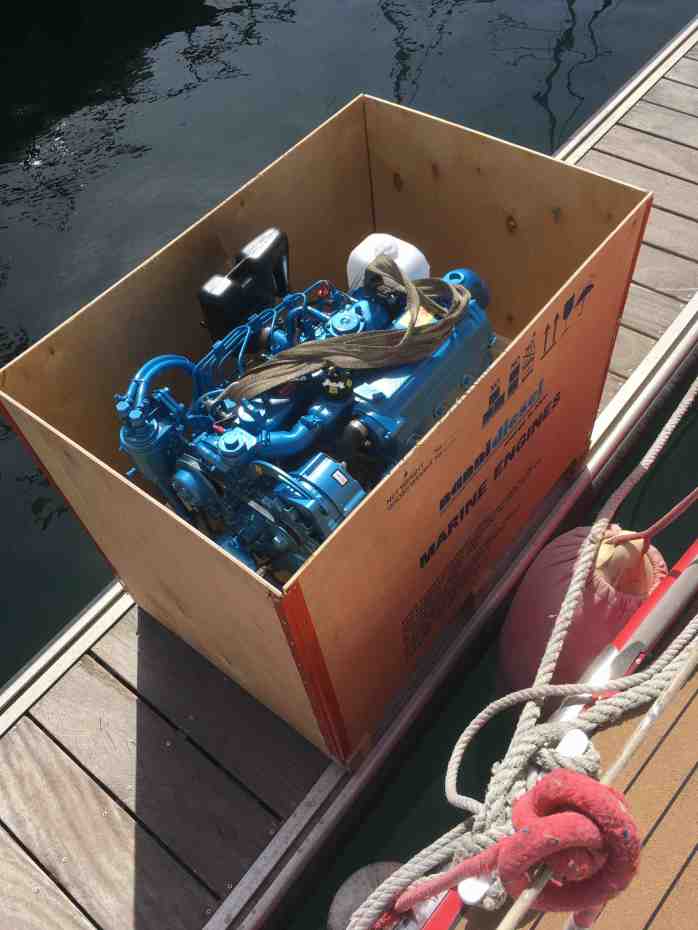
New engine on the dock ready to go in 
Running new wiring cables 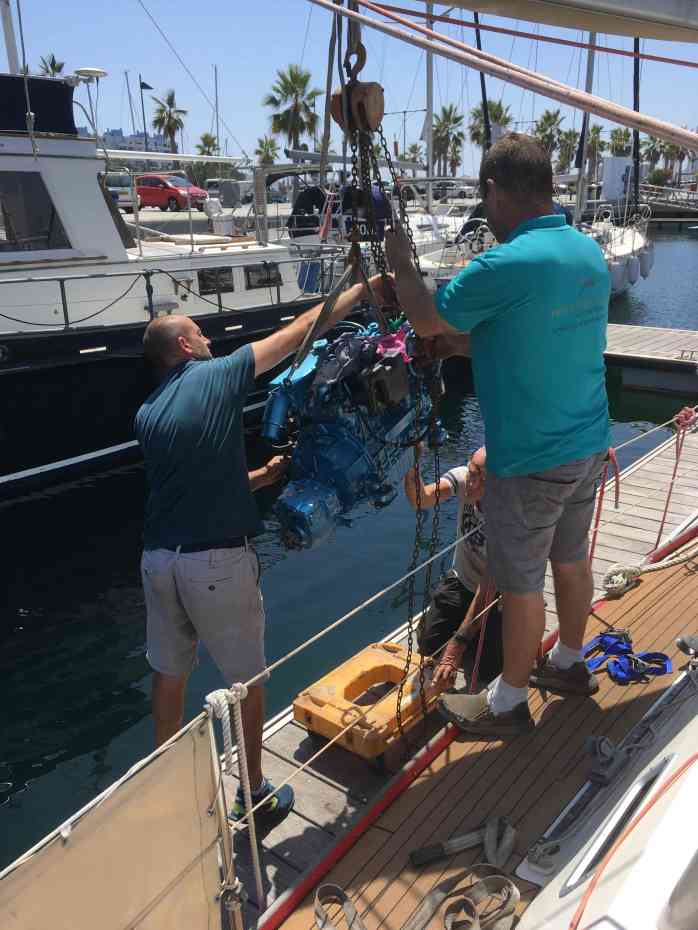
Taking the old engine out 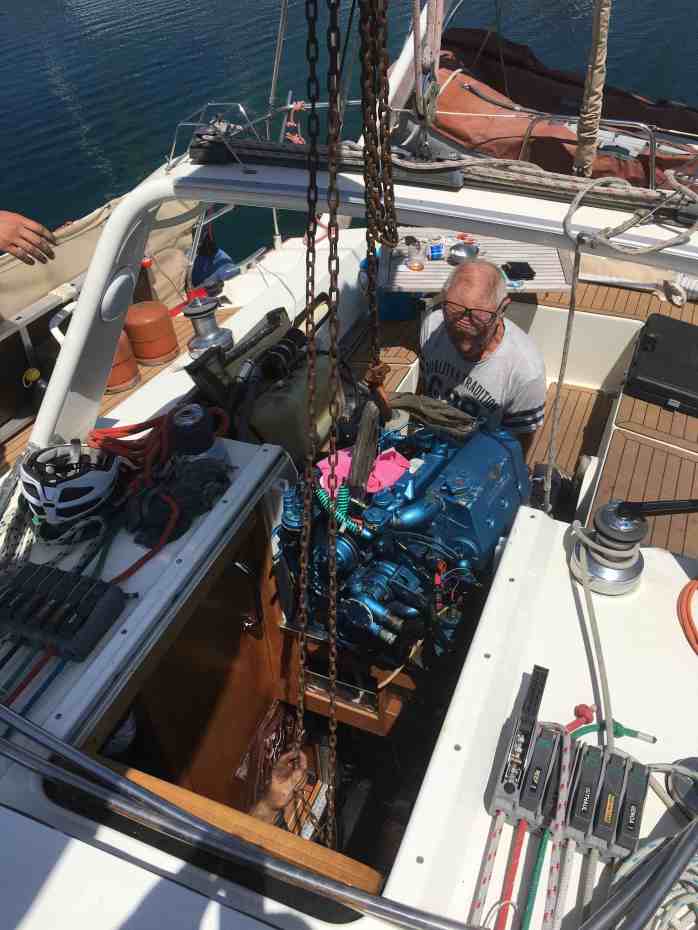
The engine is a tight fit, getting old out and putting new in
This is a very short account of what has been a very long, tiring, expensive & regrettable event (March 2019 – November 2020), and the most challenging blog we have had to write – admitting to our own mistake.
The good news is we are now ready to continue on our journey (as the world health pandemic allows).
Thanks again to the staff at the Alcaidesa Marina, Jean & Yolene from SV Caffe Latte, and also recognition and thanks go to our main repair contractors, Dylan & George from Electrical Marine Services and James from Pritchard’s Marine (both based in Gibraltar).
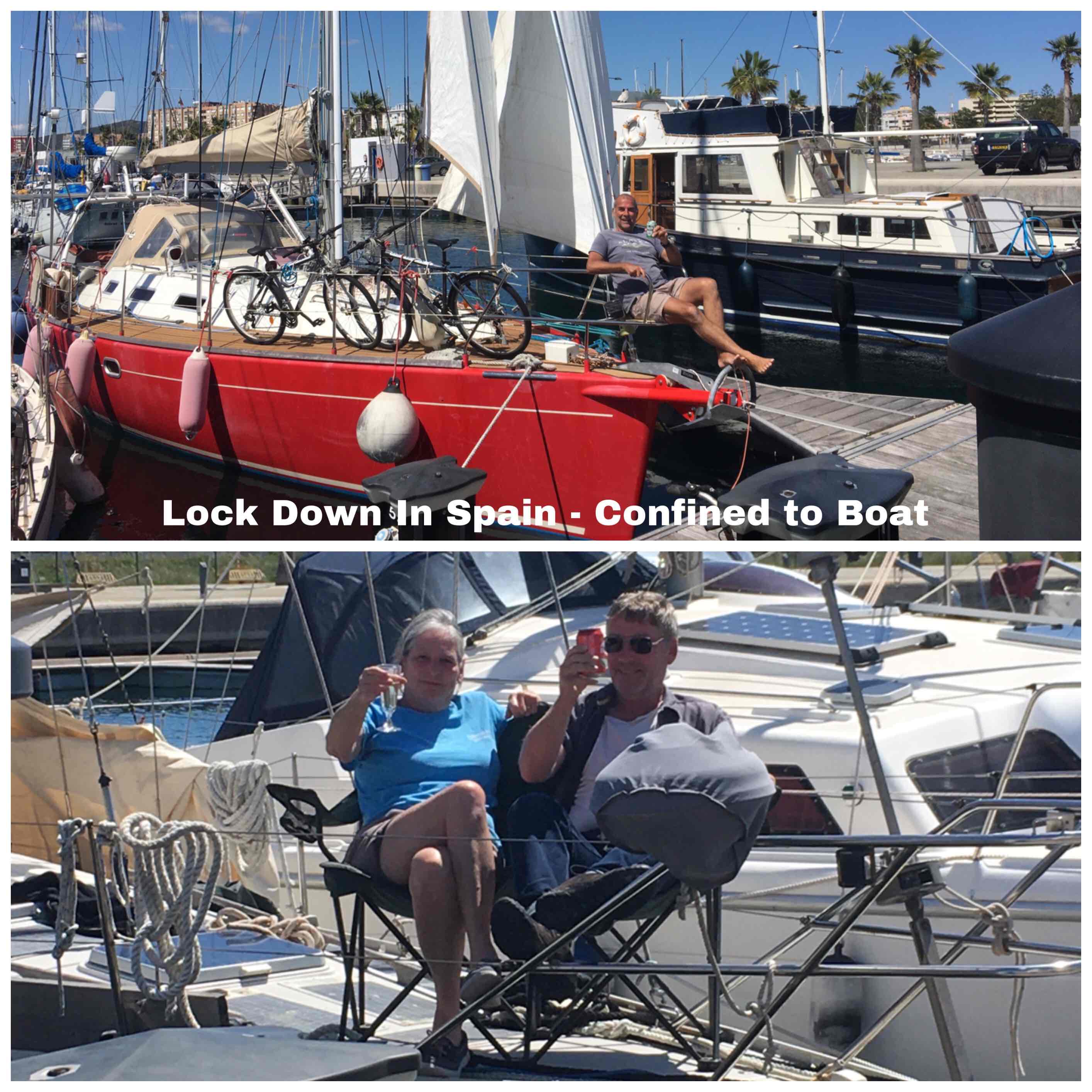
Further thank you’s also go out to our neighbours in the Marina – Brenda & Alistair, Ian, and Peter for their smiles, friendship and assistance especially in looking out for each other and keeping us all sane during the 3-4 months we were locked down and confined to our boats.
Morocco to Spain via Australia
It was well and truly time to get back on the water and after spending winter, a wonderful 3 months in Morocco, followed by an unplanned 6 week trip back to Australia our scheduled January departure for our 2019 sailing adventures into the Mediterranean didn’t eventuate until mid March.
It was late January when we got the heart breaking phone call that Phil’s mother Vera had fallen over in her garden and was in hospital, very ill. Unfortunately hours later we were arranging flights to come home for her funeral – such a shock.
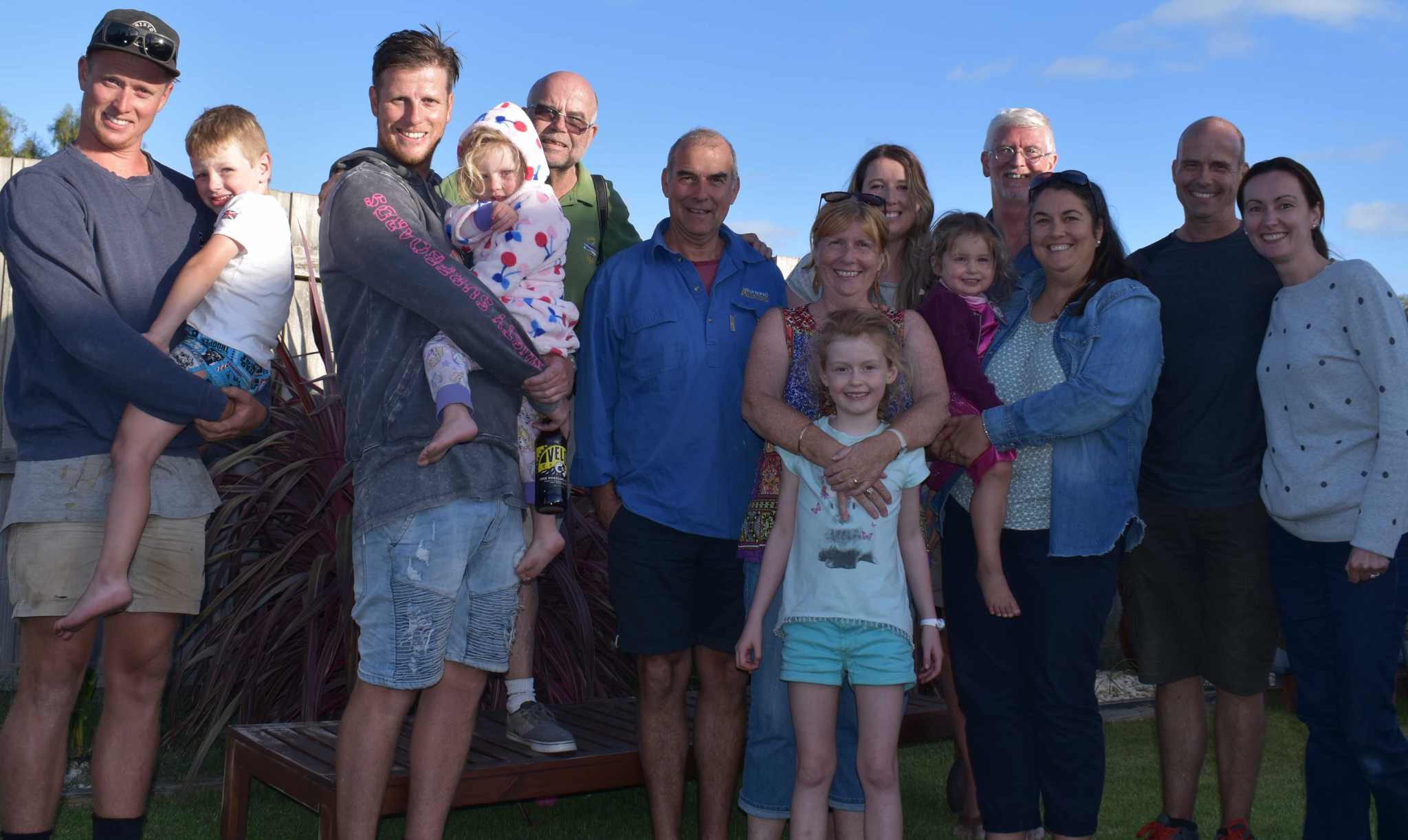
We hadn’t been home since leaving Australia in mid 2015 and despite the absolutely heart breaking reason behind the return, there was a silver lining in the fact that we were able to see and spend time with our much missed families and friends, even meeting two new editions to Phil’s clan that had been born since we left.
The long haul from Africa to Australia and return had us travelling around the world (these were the most economical ticket choices for us, cheap to buy but long hours/days travelling). Departing Morocco we flew to London, Los Angeles then to Melbourne with the return from Melbourne via Hong Kong, Zurich, London, Morocco. Not forgetting the few internal flights within Australia to family and friends in Queensland and Tasmania.
We were home for 6 weeks and it flew by. The first two weeks were very emotional with the funeral and everything associated with the loss of a loved one. There was the overwhelming feeling of loss and really missing Vera from the family home where we stayed.


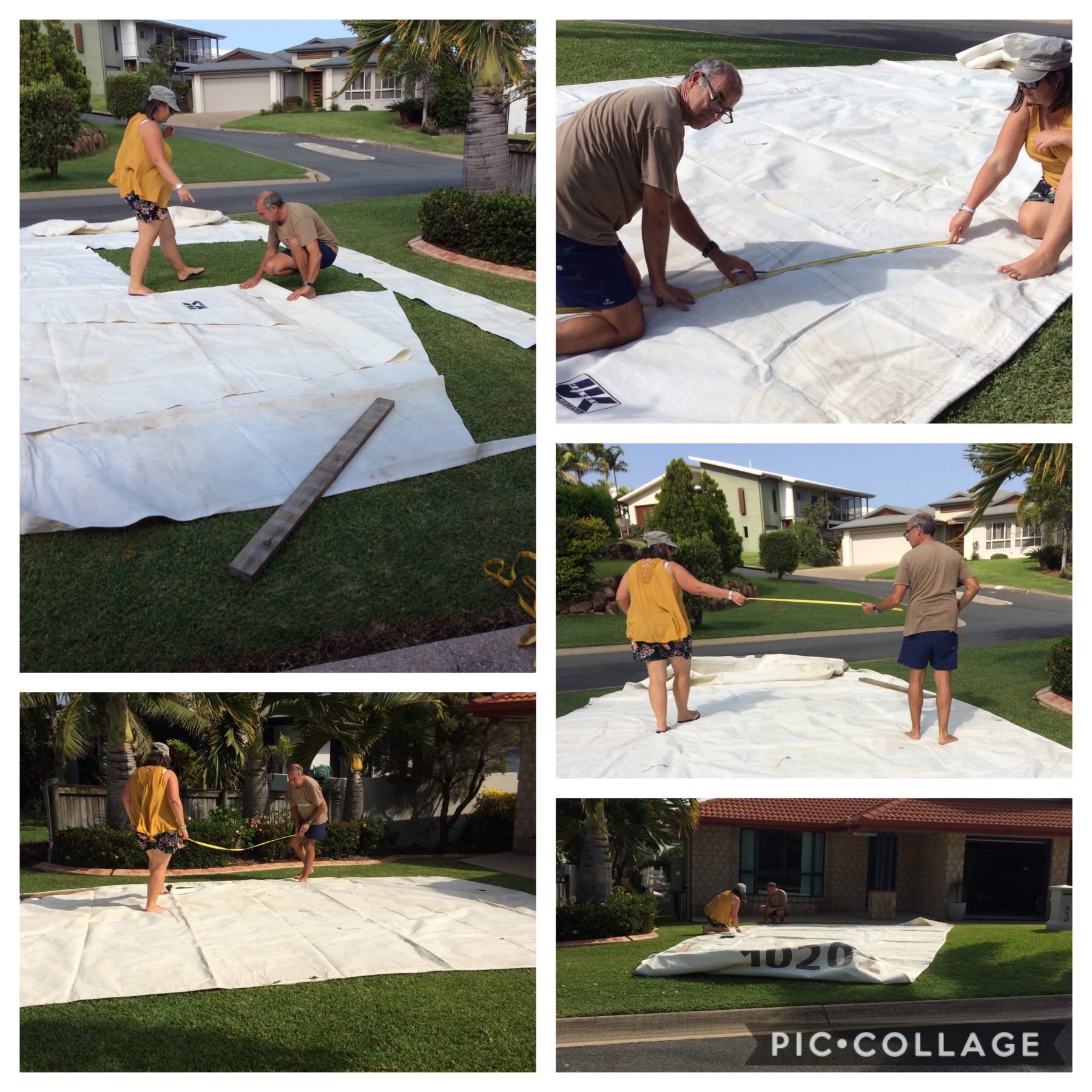
We also spent a lot of time doing many menial yet frustrating and time consuming tasks relating to being out of the country for so long such as renewing drivers licences, passports, new medicare cards, a few visits to the doctors for check ups, dealing with the banks to get new cards issued with longer expiry dates, etc. As well as a lot of shopping (we wish they had Bunnings and Spotlight in Europe) resulting in many weigh ins of our return luggage.
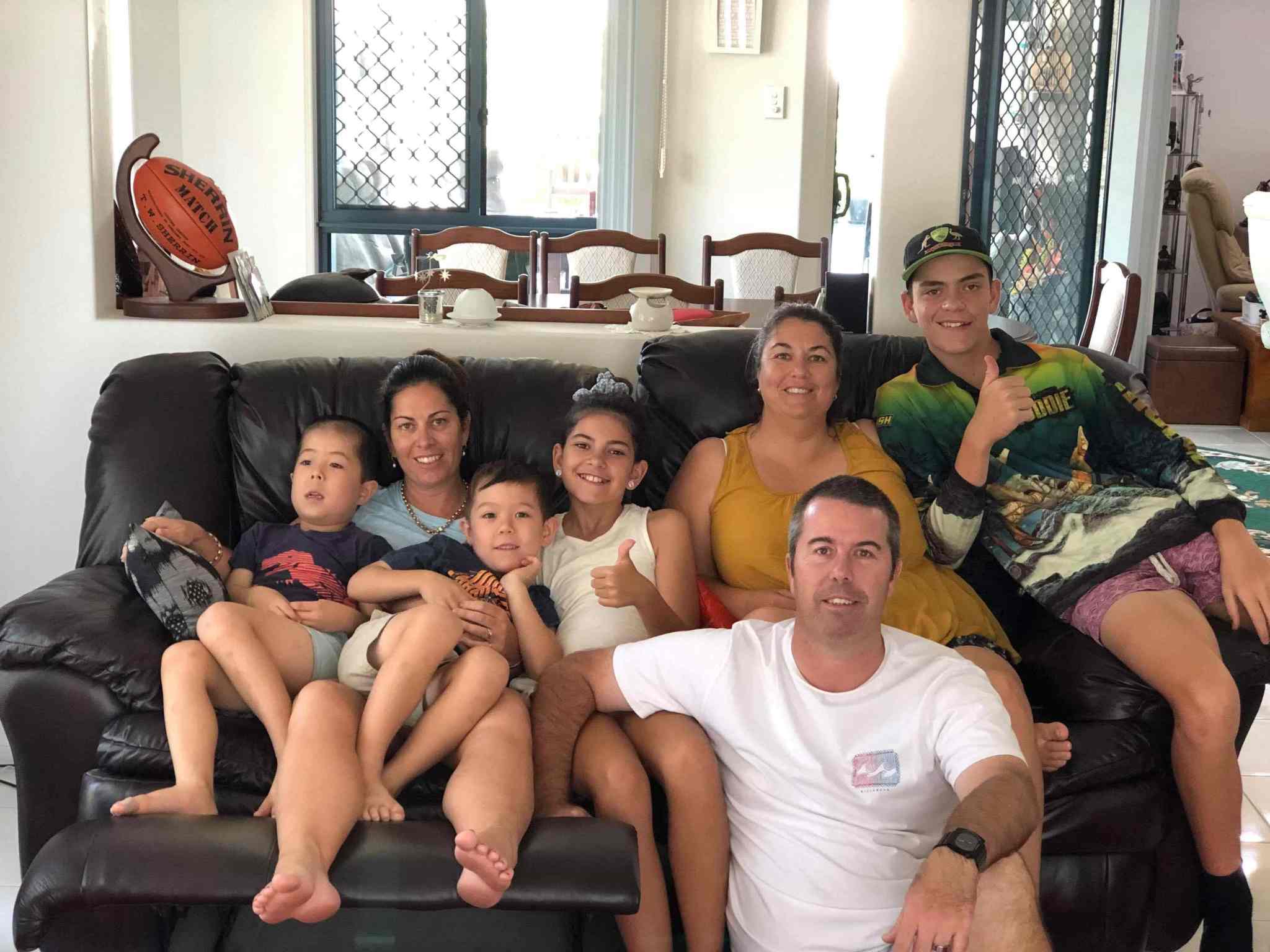
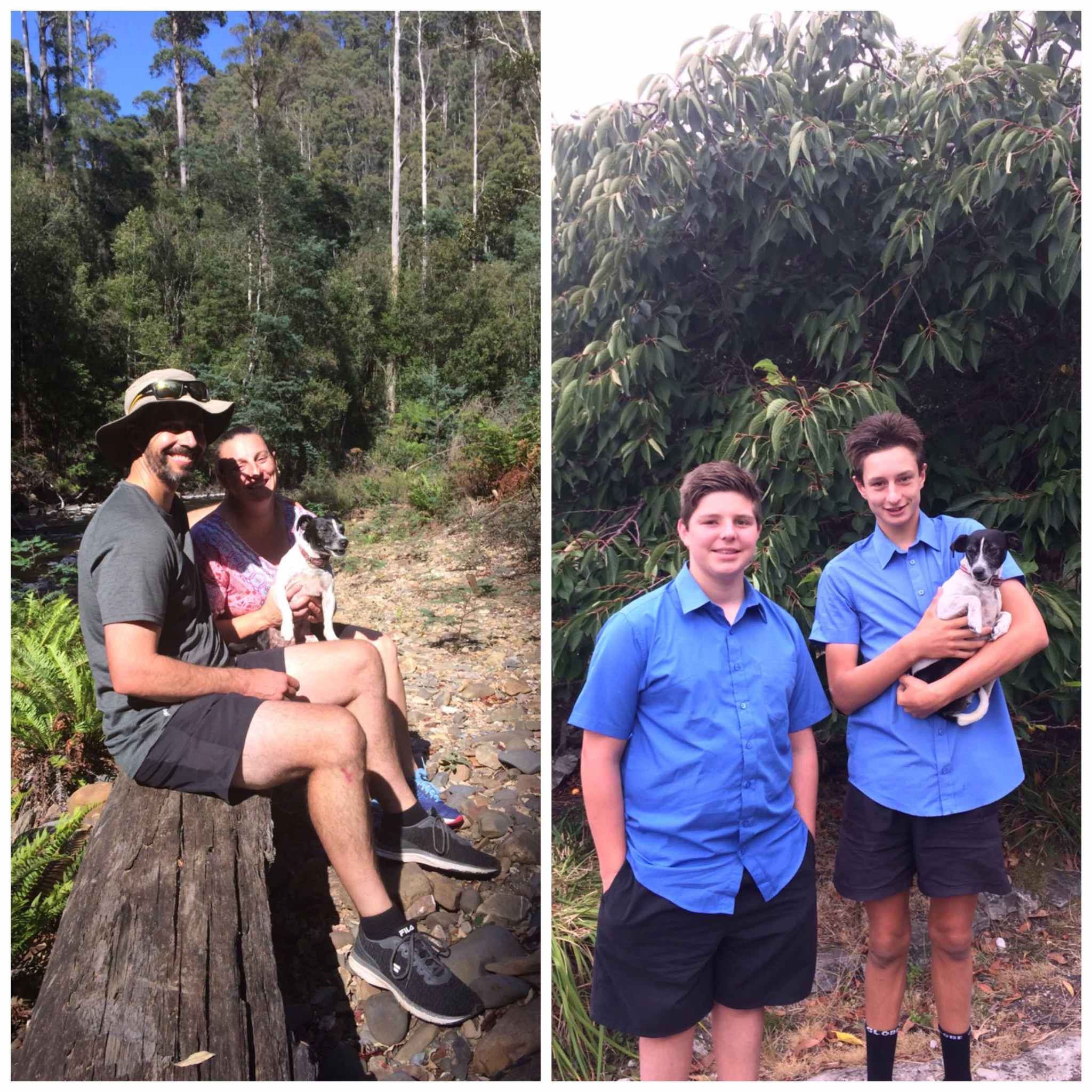
“A huge thank you to our families and friends we really appreciate all you do for us, with each of you going the extra mile for us whilst we were home. We were made welcome in your homes to stay, you fed us (good Aussie tucker), you travelled to see us, you lent us cars, or drove hundreds of kilometres to pick us up and drop us back to the airport, and went above and beyond to cancel your normal plans to set aside time to spend together. You certainly made what was an emotionally hard time into a wonderful memory.”
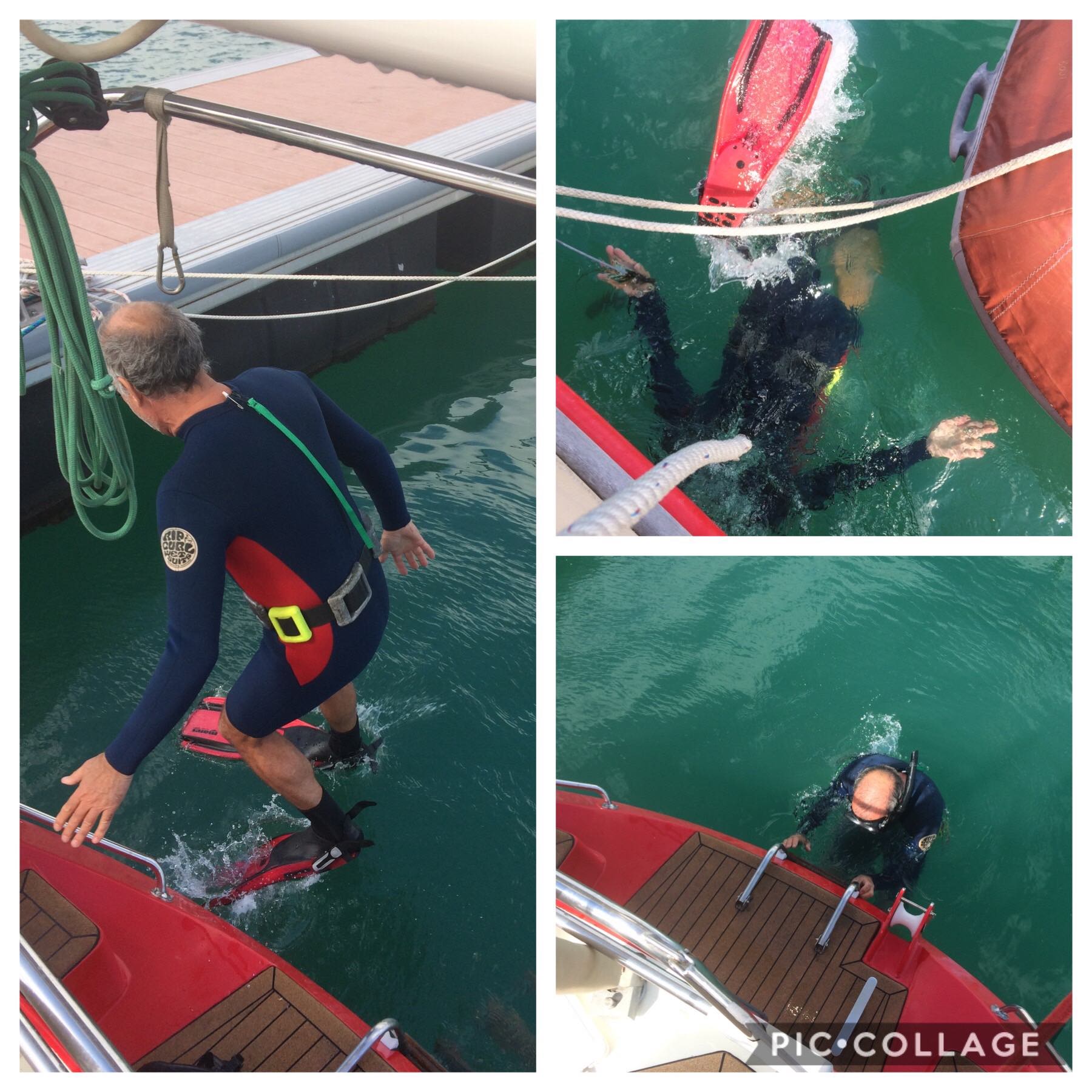
Once back in Morocco the final stages of preparation before leaving involved one of us getting wet and to my delight it was the Captains turn. It wasn’t the warmest day for it but in he went giving the bottom a clean, clearing all thru-hulls (we had some little marine critters making themselves at home) and giving the prop a clean Red Roo was looking in tip top shape.
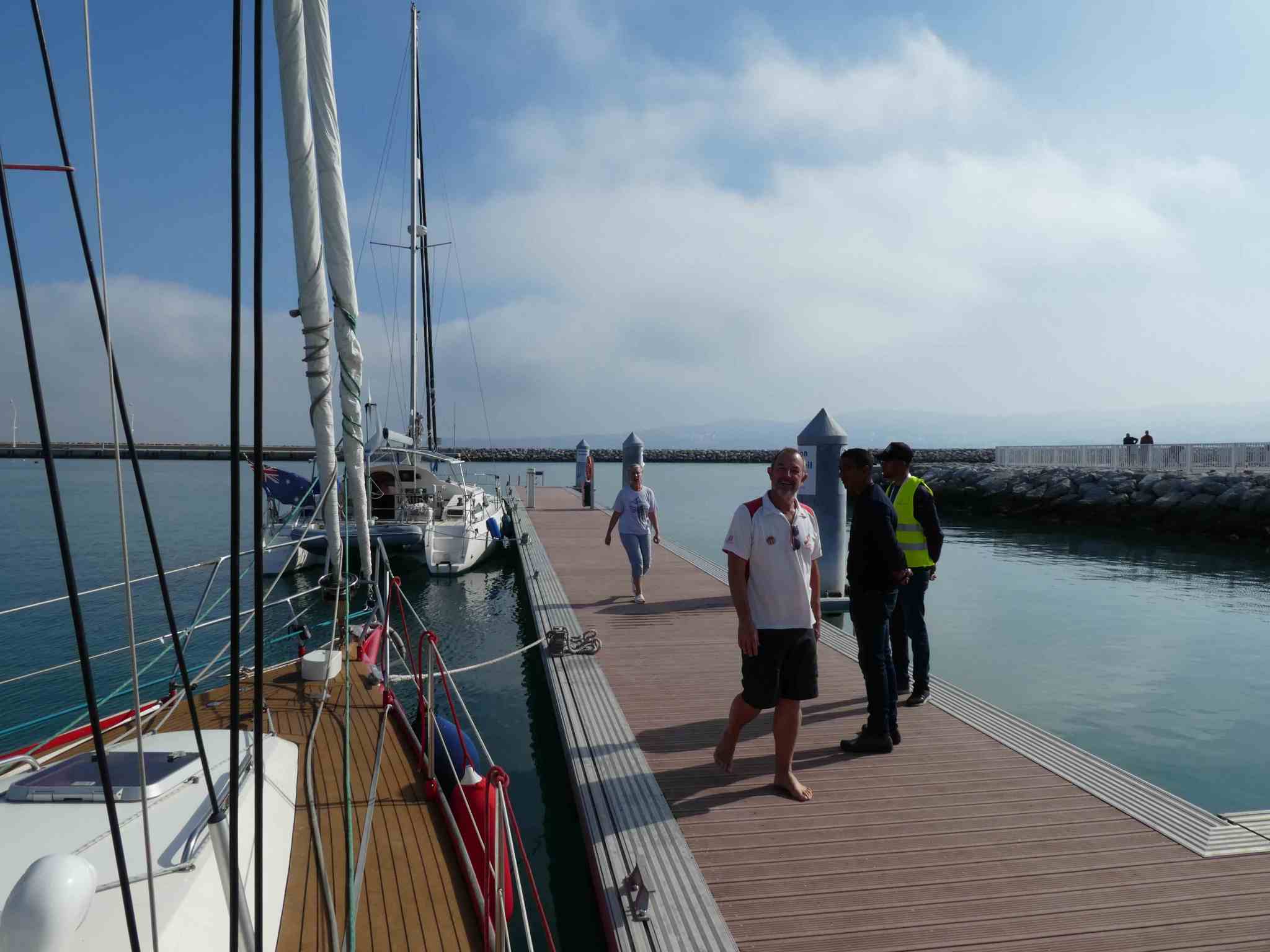
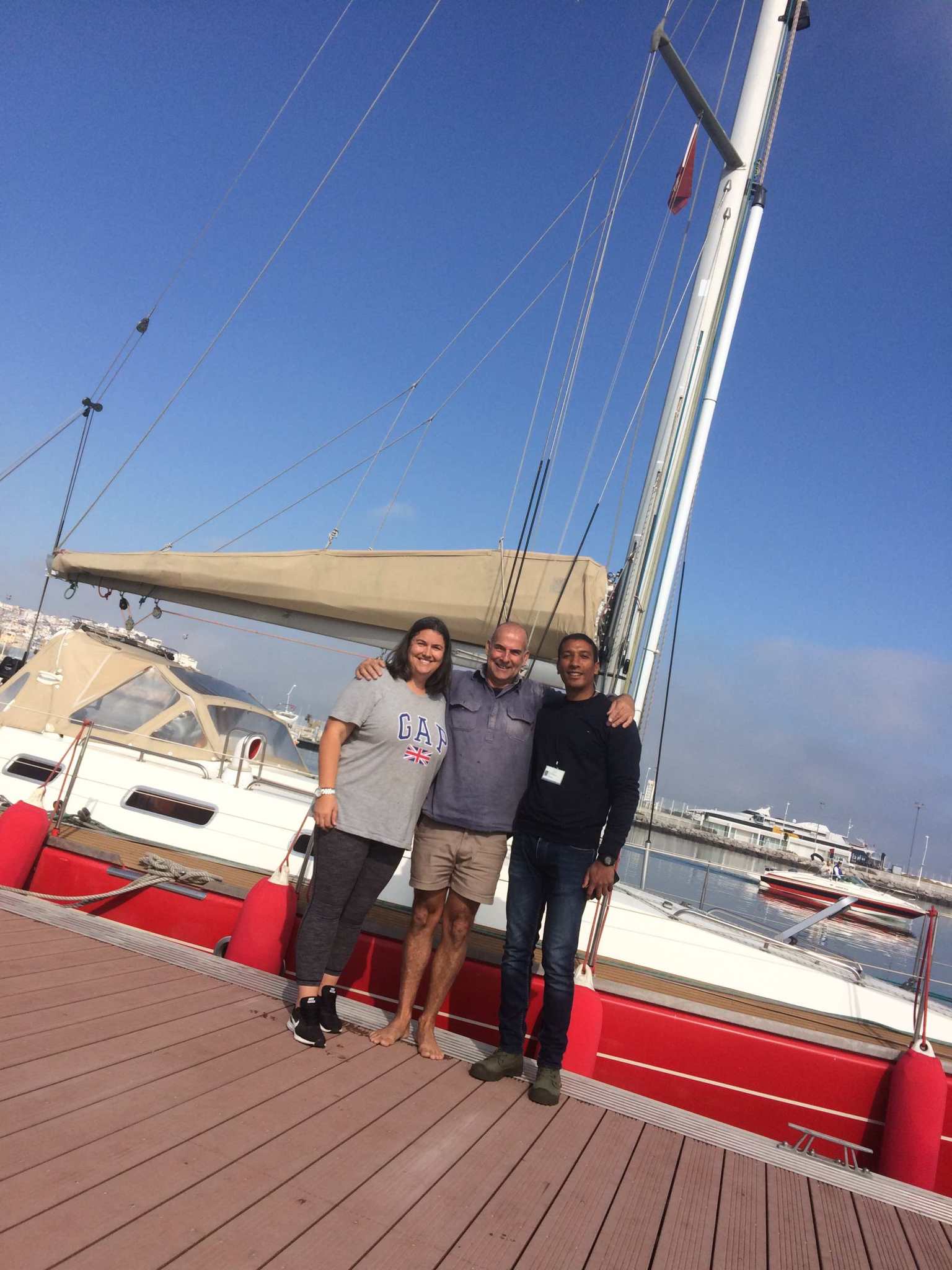
17th March was leaving day, not only for us but for all the boats with people onboard who had been calling Tangier home for the last few months or weeks, we had all been waiting on this weather window. After check out procedures and clearing customs we had all departed within a 2 hour window, which made it a little competitive for the 33 nautical mile sail across the Strait of Gibraltar to La Linea, Spain, just north of Gibraltar. It wasn’t long before we had Adventurous in sight (they were first to leave) but we also had Caffe Latte making miles quickly behind us closing in (last to leave).
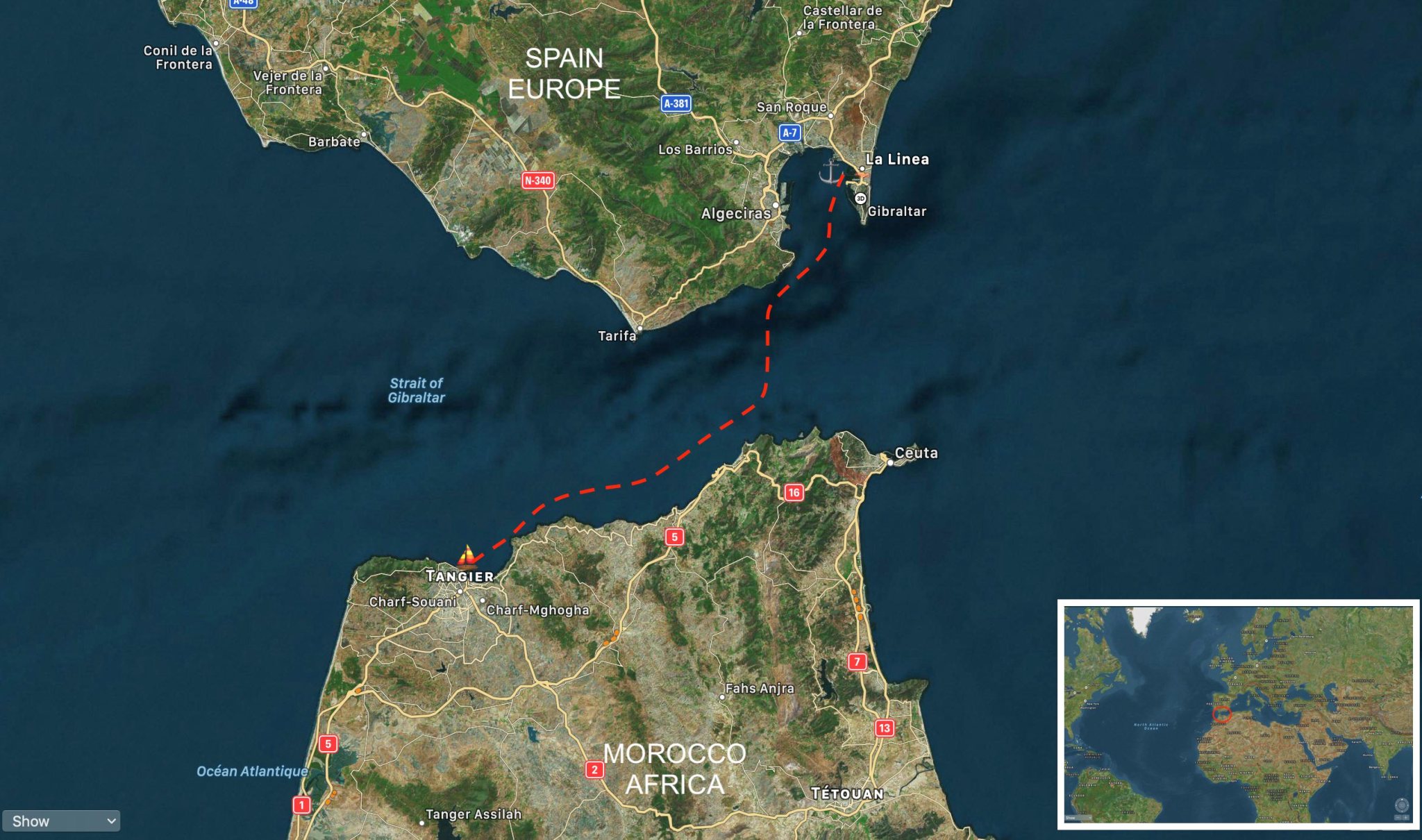
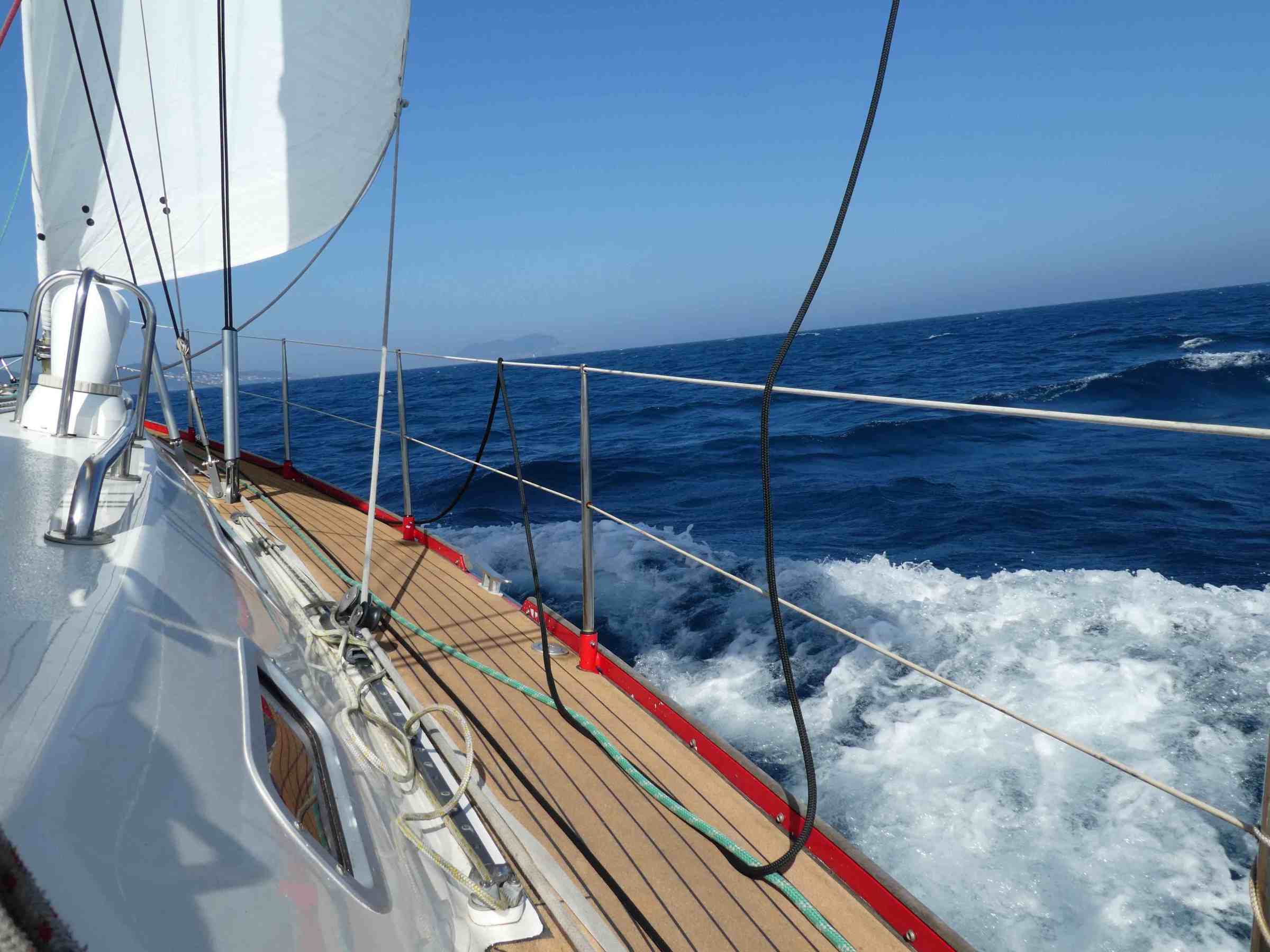
We had the sails up within 100 meters from the end of the fuel pontoon in the marina and cut the engine immediately due to floats, nets and fishing pots in the bay. The wind was fickle in the bay meaning a slow start but we stuck with it and the wind and speed increased as we continued out into the strait. We ended up averaging 6-7 knots in F4 winds.
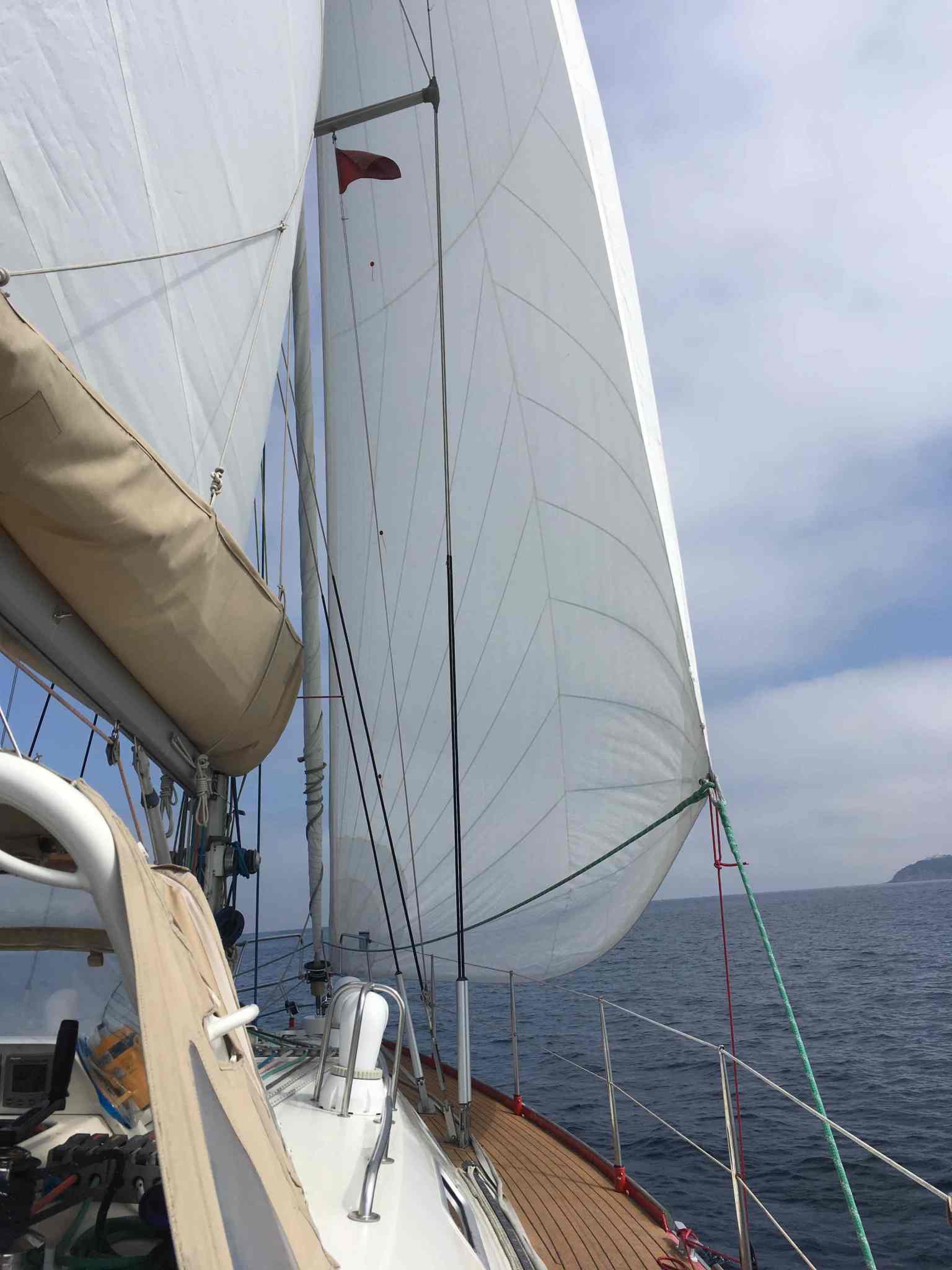
We all took slightly different routes depending on the wind and traffic (all trying to get any advantage we could) as we had to cross the major shipping lanes in and out of the Mediterranean Sea, usually very busy but was relatively quiet on this lovely Sunday sail.

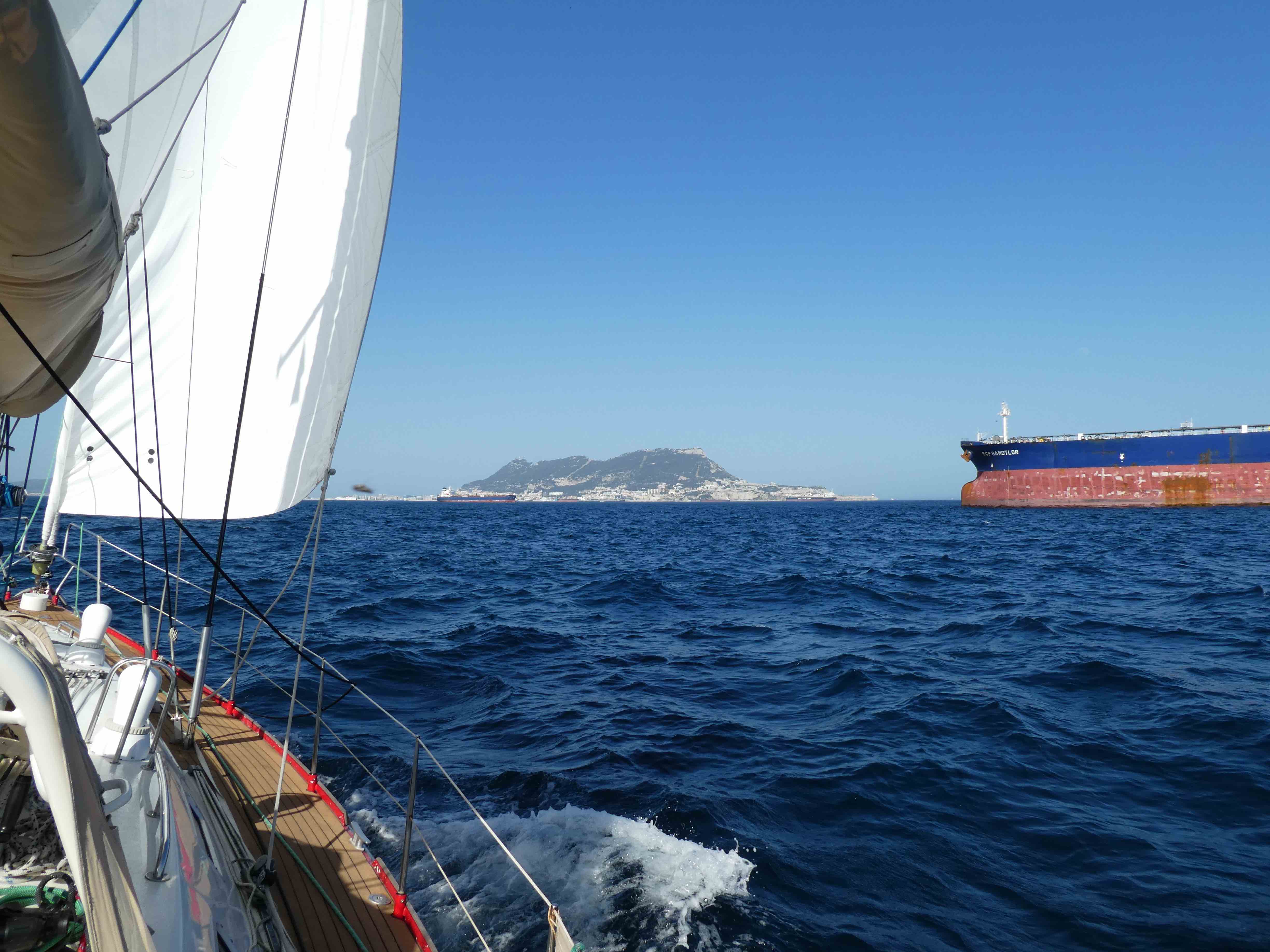
The wind increased significantly once we entered the large body of water in Gibraltar Bay, we ended up having to reef the head the sail and probably really should have reefed or dropped the main too, but it is a big bay and the speed was welcome as we navigated past many large ships at anchor.
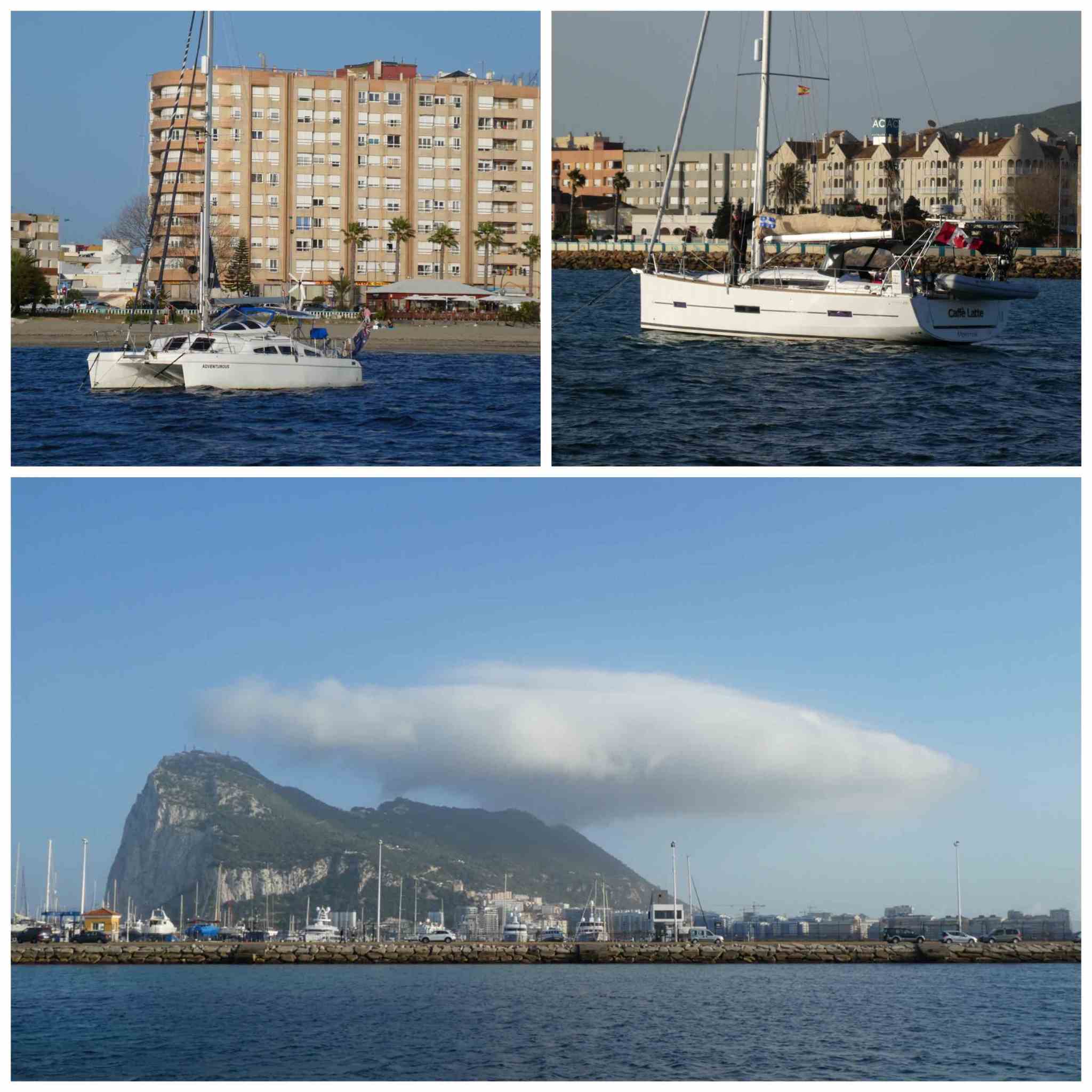
Arriving in La Linea we all (Adventurous, Caffe Latte & Red Roo) dropped anchor in the bay with much radio chatter about what a great sail it was after being so long tied up in a marina.
The weather window for the crossing was a short one, Caffe Latte left early the next morning in an attempt to get further in the Med and make some easterly miles but once out of the bay found it impossible to make any sort of way against the strong easterlies and ended up back in the anchorage with us late in the day.
We were all staying at least a week looking at the immediate forecast, it almost felt like a false start after such a good run the day before. The easterlies continued to blow and blow hard. Caffe Latte and ourselves moved into the marina not because of any discomfort in the anchorage, but the strong winds would have made the dingy ride to land quite hazardous and if we were stuck we wanted to take the time to explore Gibraltar a short walk from the marina over the border into English territory.
We also needed to make quite a few trips to the Spanish Supermarket as three months in Morocco had pretty much depleted our entire alcohol stores – being a Muslim country alcohol wasn’t readily available and when found was really expensive. Obviously replenishing our stores was addressed as a priority! The beer and wine being very cheap in Spain was an opportunity not to be missed.
Readily available washing machines were also a highlight of being in the marina, trust me after three months hand washing everything in a bucket this really deserves a mention here! The highlight of these few weeks stuck in Spain was finally having an address and the time to receive our parcel of boat bits that we had been ordering from the UK since November last year which family in the UK had been collating for us. A huge thank you to Wendy and Mike for being our address and then boxing up our many, many (strange) bits and sending to us. No excuses now for not finishing all the little jobs we were waiting on parts for.
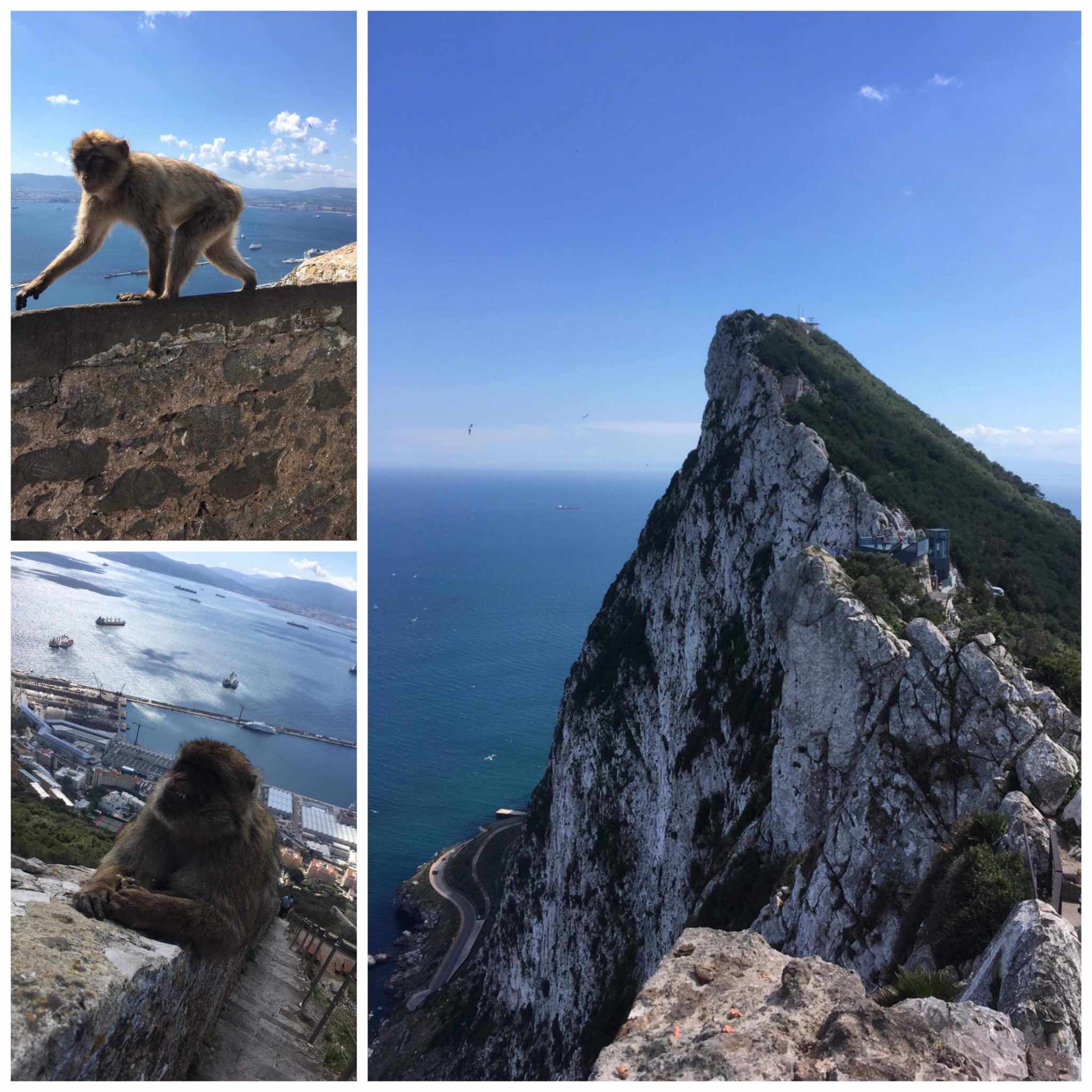
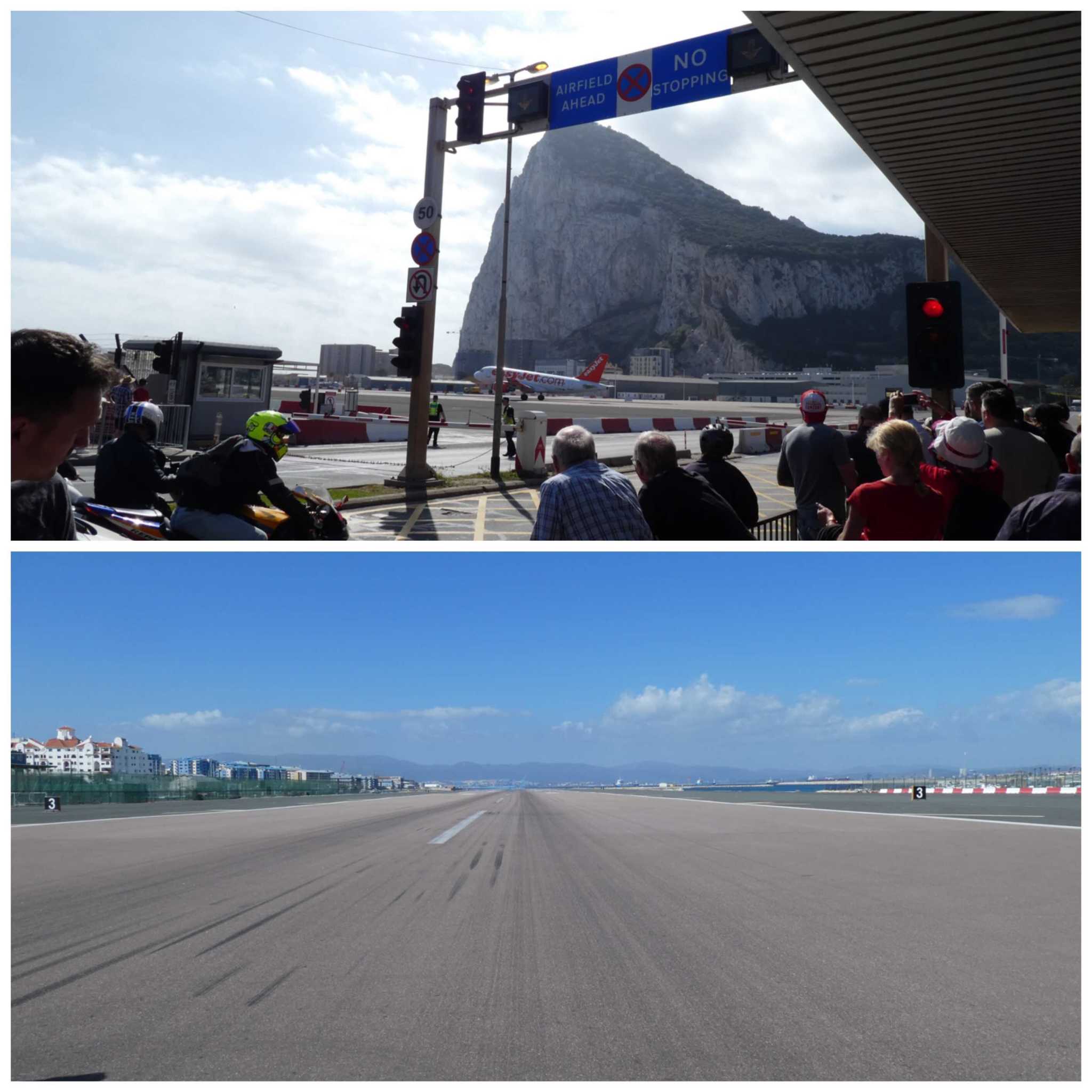
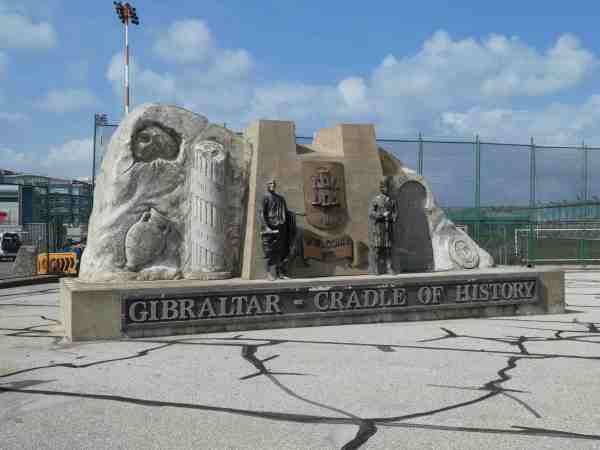
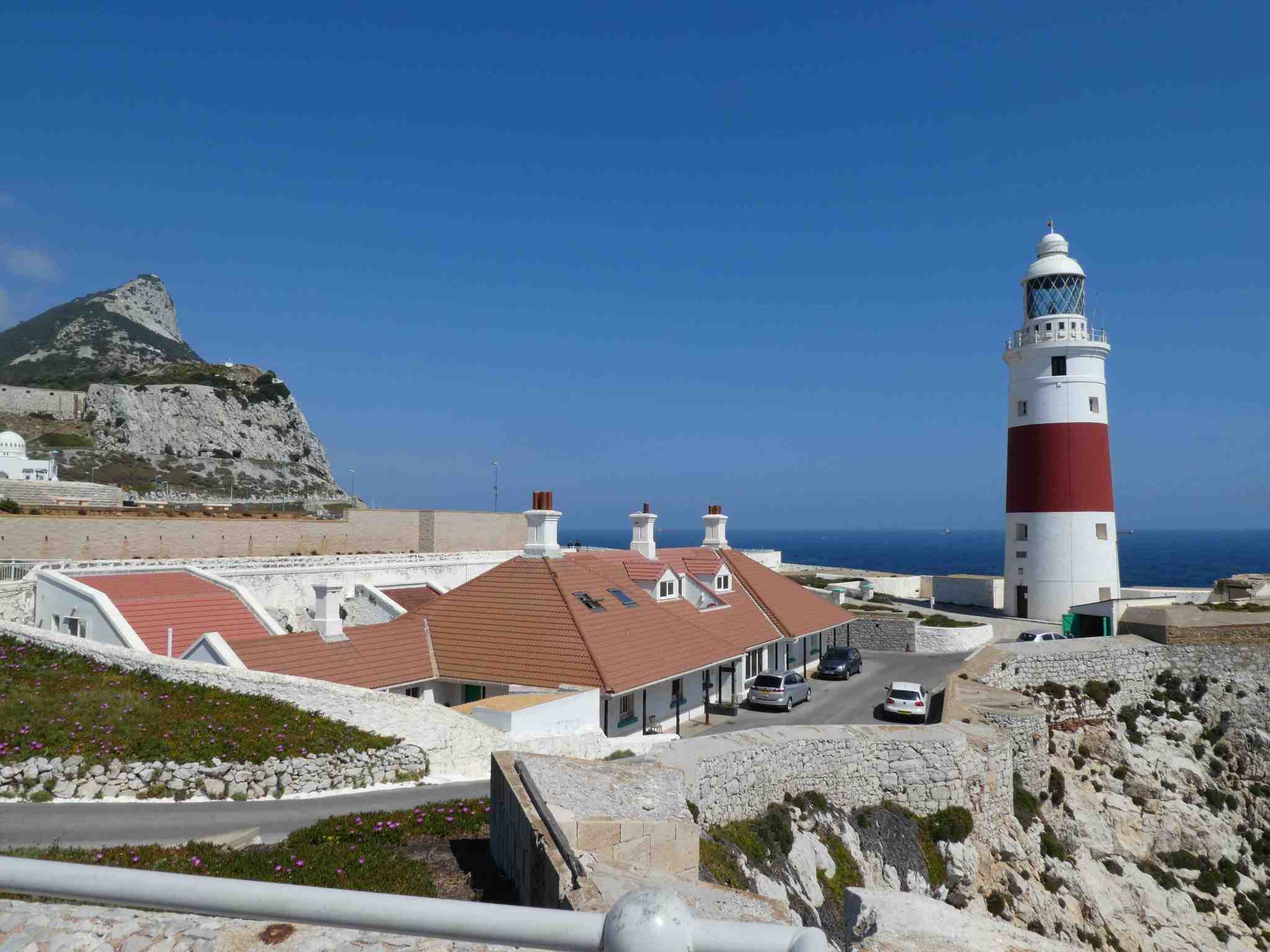
We explored the Gibraltar and the Rock as well as La Linea as the wind continued to blow and blow hard, that one week soon turned into three! Adventurous also left the anchorage and joined us in the marina, it felt like winter again with our three boats close together in a marina.

 Red Roo
RECENT COMMENTS