Lundy Island
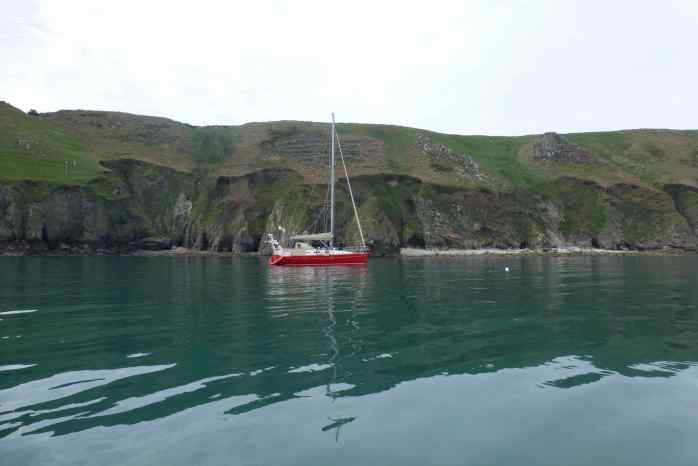
Our first encounter with fog, thick fog, frightening fog. We had sailed north from Padstow and anchored for the night on the west of the island. Slept well and arose to a calm sea and got organised to sail on (we had no intentions of landing on Lundy) and as we sailed around the south east end of the island near landing bay everything went white and disappeared. I was actually a little frightened such a daunting feeling, feeling very exposed and vulnerable. Sure it’s a big ocean and the chances are small but it was so very thick, it was a strain to see the bow of our boat from the stern (a bit over 12 meters). Out came the fog horn and the kitchen timer to be sure we sounded our horn (compressed air can with pump to refill) every 2 minutes as per regulations (me, well I personally would have been happy to sound off the ear piercing siren every 30 seconds – call it nerves!). I think my nerves were due to the fact we had just entered the ferry zone for tourists coming to visit the island.

Then all of a sudden Phil spotted a boat, a large tourist boat anchored in the bay not far off our port side, it wasn’t sounding a fog horn and it was anchored so a silent ship but enough to kick start the heart even faster. As we continued to crawl along at a very slow pace the sound of multiple small outboard engines was unsettling we were later to discover these were the small ribs transporting tourists from the boat to the island. We continued on past the ferry landing zone and snuck in as close to the island as we dared (couldn’t see land) and once we reached 7 meters of water and dropped the anchor. We heard (but didn’t see) the passenger ferry approach and then leave. Later in the day the fog lifted and we were greeted by huge imposing cliffs of Lundy and a stunning bay and were impressed with our anchoring spot (fluke).
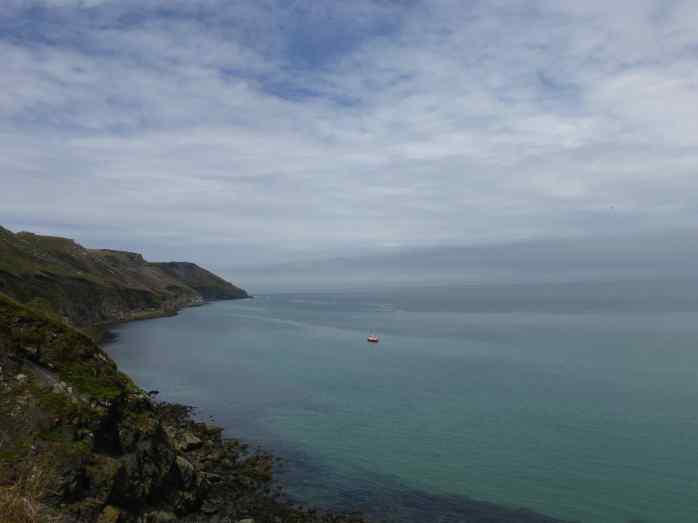
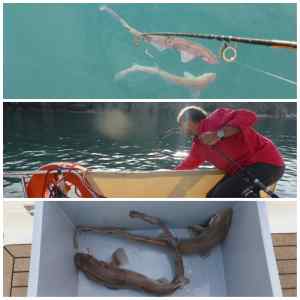 It also just happened to be outside the landing bay meaning we could also fish from the boat. It turned into a glorious day, but a little late to start our passage north, so enticed by the rolling green hills and cliffs launched the dingy to go to shore and explore.
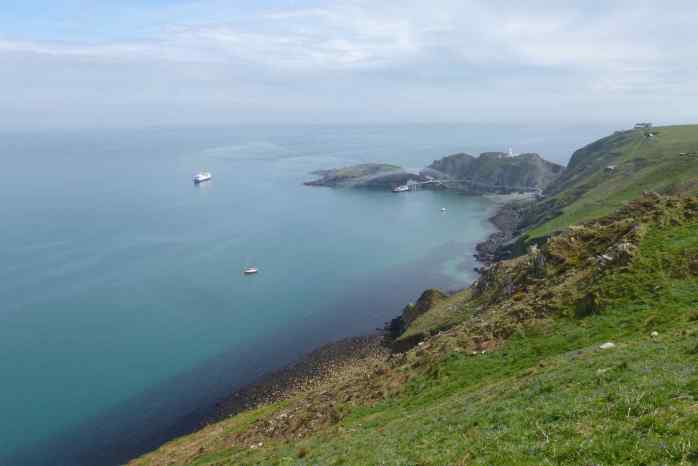
Lundy is a National Trust Island and has a small campground, a couple of lighthouses a pub and a couple of old farm houses that you can hire out to stay in. It’s very popular with bird watchers (twitchers) and the National Trust run it as a farm as well as a little tourism venture. The tourist ferry drops passengers there around 10am in the morning, and then for those not interested in landing (and climbing the steep hills to get onto the island) does a trip around the island to view the lighthouses, cliffs, seabirds and seals, and then picks the land passengers up again about 4pm and goes back to the mainland.

We filled the day in walking the circumference of the island which was stunning, the day now warm and clear (no wind, funny enough hence the fog). The lighthouses at each end were very impressive. One now accommodation and the other heritage listed, lots of farm life in the form of highland cattle and sheep as well as lots of native deer and plenty of birds. As we were started our walk back down the hill back to the dingy in the bay the fog settled back in and we learnt a valuable lesson…. We should have taken a GPS position of the boat, we set off in the dingy in the direction of the boat that wasn’t visible until we got fairly close!!

Padstow – May Day!
We were also fortunate enough to be in Padstow for May Day.
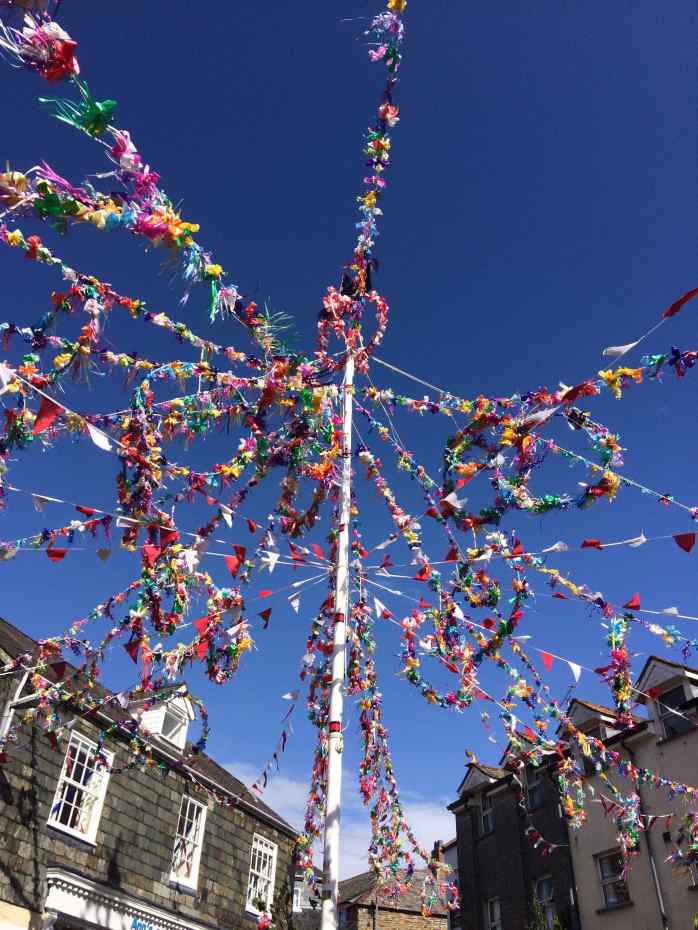
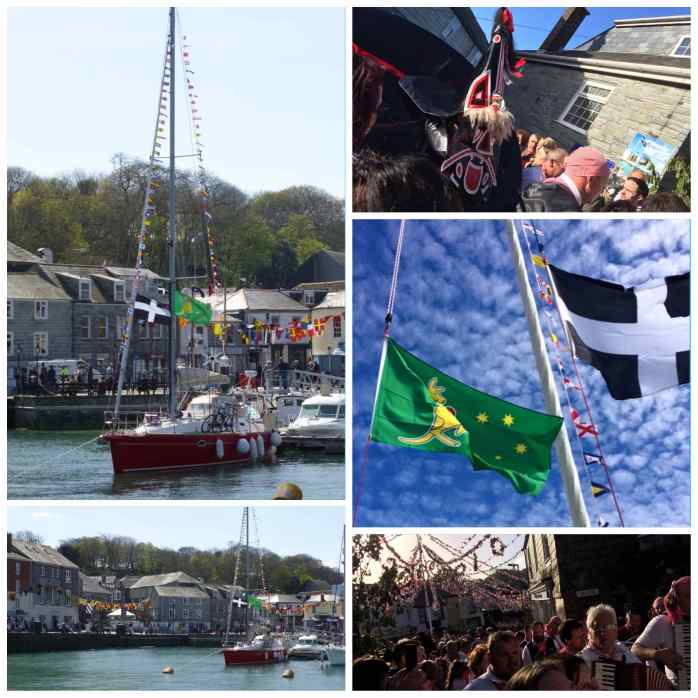
To be in the very centre of this event in the harbour was a truly magical experience, the celebrations are all around the harbour and the festivities started days before and went on for days after. We dressed Red Roo in all her flags and didn’t it look a lovely sight with the boats and streets all dressed for the event.

With thanks to Mike and Reg who gave us the local information on when and where to stand to see the best of the parades and the Obby Osses. Red Roo being in the centre of it also made a great rest stop for Mike and Reg to come for coffee and cake during the festivities. I am finding it hard to describe and write about it, so will insert my daily diary notes, they probably say it best, also below are some links to further information on the history of the event;

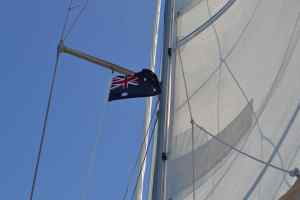
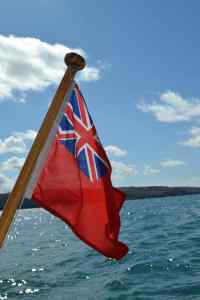
Saturday – May Day long weekend has arrived and started very nicely with a folk band on the grandstand (15 meters from the boat), they played the same tune all morning but the atmosphere was great. Flag raising day today for Red Roo to dress her up ready for Monday May Day. We have brought two lengths of small nautical flags which run from the top of the mast to the bow and stern each 12.5 meters long. We have the UK flag on the stern (as normal) and flying the small Australian and Cornwall courtesy flags midship also. We then have a large cornwall flag and a large boxing kangaroo which are flying port and starboard near the bow – it looks great! The other boats in the harbour are dressed also and there is just enough breeze to get them all flying nicely. Seems like thousands of people in town, so many taking pictures of the boats (would be nice to have a dollar for every picture taken). There is a carnival/fair setting up in the car park on the other side of the quay.
Sunday – May Day Eve and another day with thousands of people milling around the streets. A couple more boats have arrived in the harbour. Along the pontoon there is ourselves on the end prime position, Martin just back from us in an old wooden motor sailor who visits each year especially for May Day, further along are three older blokes on a yacht who also come each year (they have a lot of big flags), also another guy on a yacht who hasn’t had the correct weather to sail on (not hard for him to stay), and two local motor boats with half a dozen locals staying on each of them for the weekend partying (they have already given us a bottle of wine to say sorry for noise in advance). We haven’t met anyone from the boats around the outside of the wall. At sunset tonight a large truck came around dropping of large branches of greenery (basically tree’s) and they are now being tied to the rails and light poles along the streets they look great. The pubs on the quayside also put up more flag this evening, amusing to watch as a dozen blokes with beer stood around instructing one guy up a very tall ladder what to do! Around 11pm we walked up to the maypole (one block back from the harbour) and there were hundreds of people singing the may day song. It was the first time we have heard the song and it sounded fantastic. Just before midnight we went to the Golden Lion where the band (piano accordions and drums) were in the street, right on midnight there was two minutes silence followed by a group of around 50 locals who serenaded the owners who were up on the second floor windows with they may day song, they then moved on along the street to the other houses (they sing outside the houses of the most elderly residents in town), so magical and special. The words are beautiful also basically telling them to “rise up Mr ____ (or Mrs _____) summer is a coming today” we followed the procession for an hour and half before heading back to the boat to sleep.
Monday MAY DAY – Unbelievable, how to describe this day? Up early to see the Children’s Obby Oss, it was so good to see so many children involved singing dancing and playing musical instruments, this tradition is going to be carried on for generations to come. The kids Oss came down onto the boat ramp into the harbour close to us.
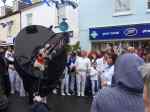
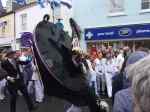
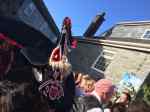
The “old” Oss (red Oss) came out at 11am it got the crowd going all over again. They both weaved in and out of the streets all morning (different streets so there was always something to watch), they took a half hour break for lunch then started again at 13:00 and went through until 19:00.
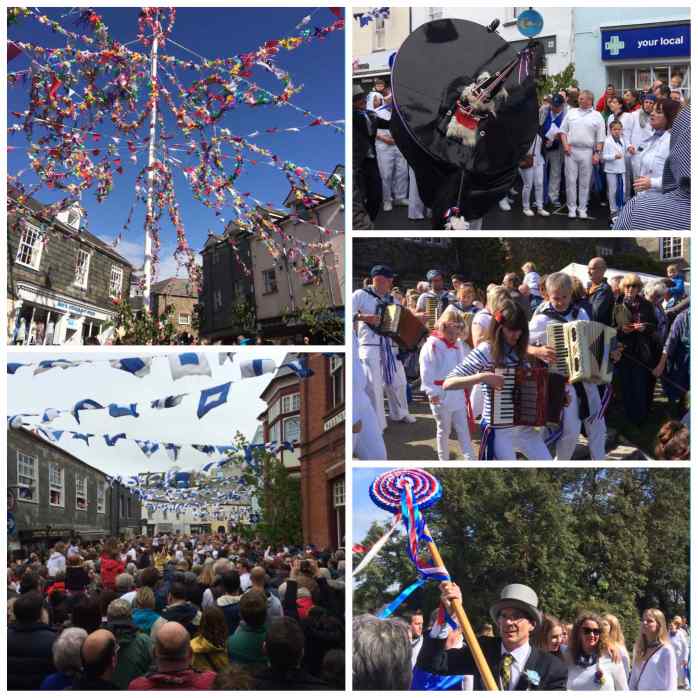
We went with Mike up to the parish church which was full of people (apparently some people wait there all day just to see it pass through the church) I can now understand why the acoustics in the church made the sound unbelievable. It then proceeded up to Prideaux Place (the mansion at the top of town), it was great that Mike knew the route so was able to keep placing us in the best spots to watch the precession.
At the end of the day about 20:00 both Oss’s came out for the final time and finally met at the maypole and danced together, the red and blue bands met and combined the street was alive with spirit. I think in the end we retired back to the boat exhausted well before the Oss’s and the bands finished their day.
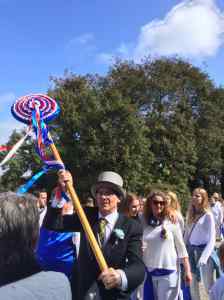
The stamina of the parade unbelievable especially for the MC of each Oss carrying the staff. At least with the band there are so many of them they can take turns to rest and they certainly swap out the person in the Oss every 15 minutes or so but the MC he leads the procession ALL DAY, carrying the staff, raising it in the air to the beat of the music. The May Day celebrations or Obby Oss day can attract up to 30,000 people in little Padstow town and it sure felt like it. The origins of May Day are so old the true history as to why they do it is unknown (or disputed) as well as the reason there are two Oss’s (blue and red). Thought to date back over 4,000 years some say it began in pagan times others believe it is to mark the start the start of summer or a rain making fertility ceremony or even a deterrent to the French attempting to land at Padstow with the Oss’s scaring them away. Whatever the origins it is obvious that it brings this community togerher in a way that is rare in this day and age. The tradition is strong and the people are proud. The songs are beautiful and the tune will remain in my head and my heart for many years to come. We feel very lucky to have participated.
Tuesday – The day after May Day and it really is locals day. The tourists have gone or are hung over and it is time for those who paraded, sang, played all day yesterday to relax. They hang out at the pubs and break out into songs, it still felt very special being in the town. We listened on and off during the day to folk choir singers who would stand around in a circle outside the pub (near Red Roo) holding their beers and sing – no instruments just voices that sounded amazing. Singing everything from Madonna to U2 to ballards such as Bottany Bay and bound for South Australia!
Links to more information on May Day
Link to Padstow Obby Oss web site where you can see pictures, video’s and hear the music.
Padstow – Red Roo’s Home Port
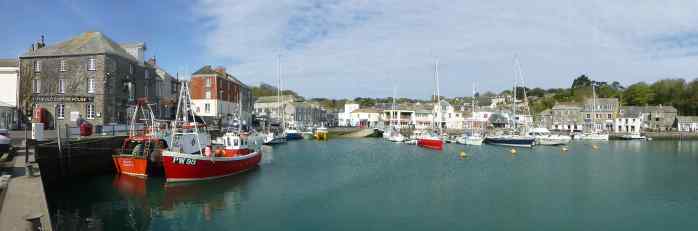
And here we are Padstow Red Roo’s registered home port – a milestone!!! The boat has never been here (until now) being built and brought in France however when purchased it had to be re-registered and with Phil having dual passports (UK and Australian) it was easiest to register her in the UK whilst we are travelling in Europe as it is currently open borders (but with Brexit vote looming this may change!). The reason Padstow was chosen as home port is because it is where his mother Vera grew up, it is very nice to be here and it is a very beautiful harbour and quaint village.

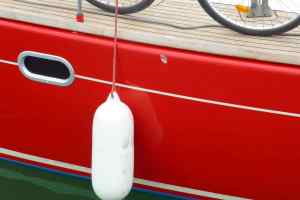
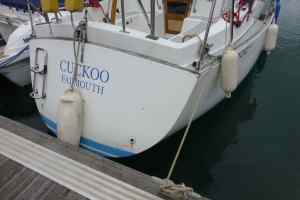
Padstow was also where Red Roo was ran into – yes that is right we were ran into by another boat coming to berth beside us. Devastating but luckily no hole just a fairly small dent, but highly visible on the red hull as it took all layers of paint off! The guy was really sorry (and embarrassed) and although it could have easily been avoided if he had of waited to the berthing master to take his lines as he was instructed to do, he was genuine and we sorted it out that day with him giving us cash for the filler and paint required to fix it. Sigh!!!! What more can you say really? I guess it could have easily been us accidentally hitting someone in one of the many tricky berthing situations we have had so far – an no doubt many more to come.
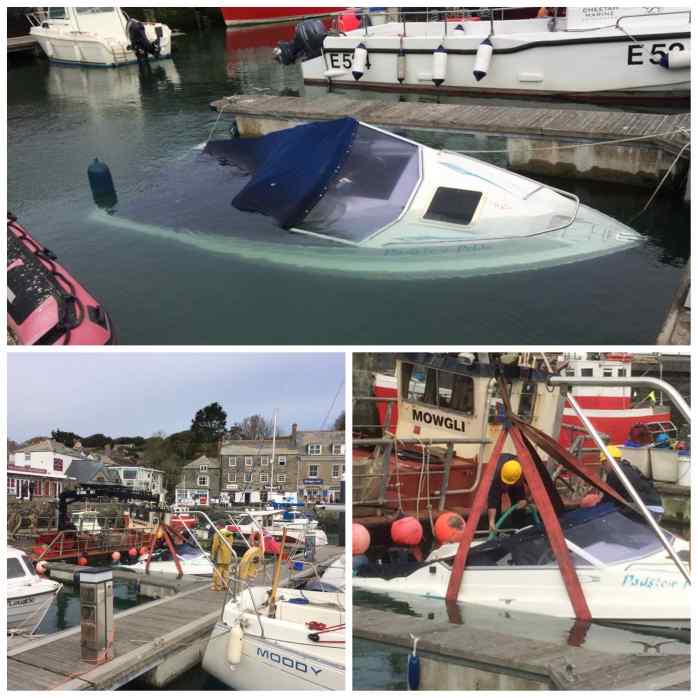
We didn’t have it as bad as one guy in the harbour however as we woke one morning to find a sunken power boat (small power boat), and what was worse is that we were told it was the second time it had happened to him. You would have thought he would remember to put the bung in after the first time!!
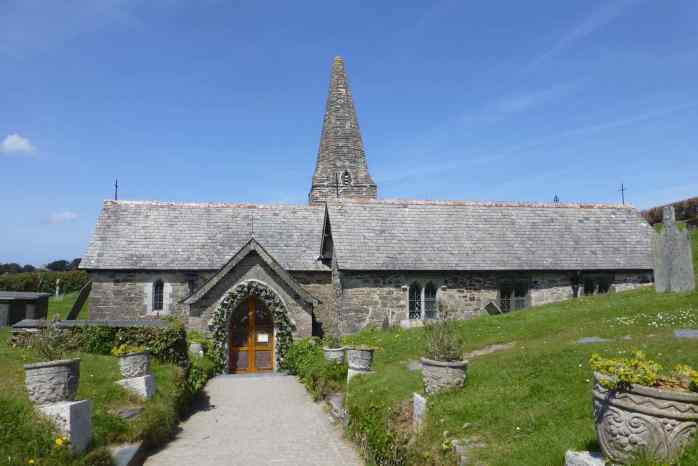
We also took a dingy ride across the Camel river to the other bank at Trebetherick to visit St Enodoc Church – now restored and used, however it used to be buried in the sand dunes! Wind-driven sand had formed banks that were almost level with the roof on two sides. From the 16th century to the middle of the 19th century, the church was virtually buried by the dunes and was known locally as “Sinking Neddy” or “Sinkininny Church”. To maintain the tithes required by the church, it had to host services at least once a year, so the vicar and parishioners used to descended into the sanctuary through a hole in the roof. By 1864 it was unearthed and the dunes were stabilised.
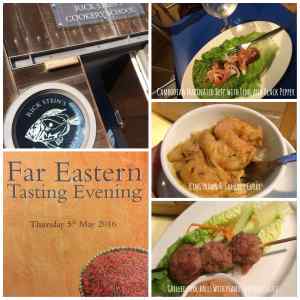 Padstow also has the nickname “Padstein” as this is where Rick Stein found his fame and fortune and created his business empire. All very well and good but the nickname more relates to his now monopolisation of the town with his 13 businesses; 1 cooking school, 3 shops, 4 hotels/accomodation & 5 restaurants!! Although I had heard of Rick Stein and seen him on television cooking shows occasionally I really didn’t realise how big he was (and his now world wide) empire was. We didn’t eat at any of his restaurants, bakeries or fish and chip shops (too expensive – yes even the fish and chips were triple that of what we paid at the local chippy) but being someone who loves to cook and learn new things I did lash out and attend a tasting evening at the cookery school. This was a demonstration evening where the chef cooked for us three far eastern dishes of which we each got a serve as well as unlimited wine.
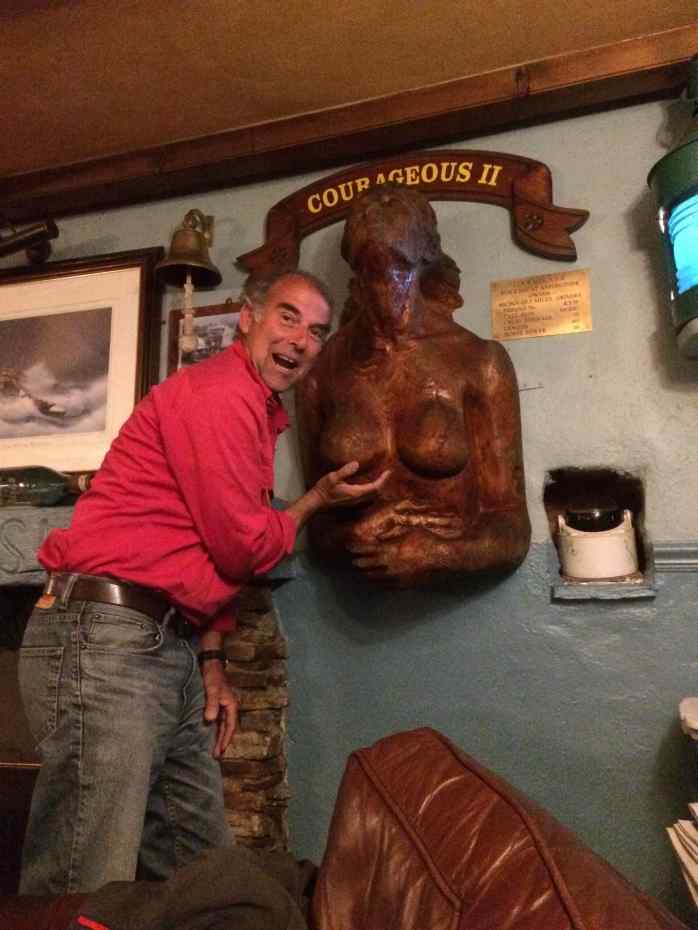
Phil’s cousins Wendy and Mike still live locally and we very much enjoyed spending time with them as well as Mark, Carolyn & Victoria. All so very generous with their time and some great days out to visit Trerice National Trust Estate, Polzeath, Port Isaac, Newquay, exploring the coast and towns of Cornwall by car.

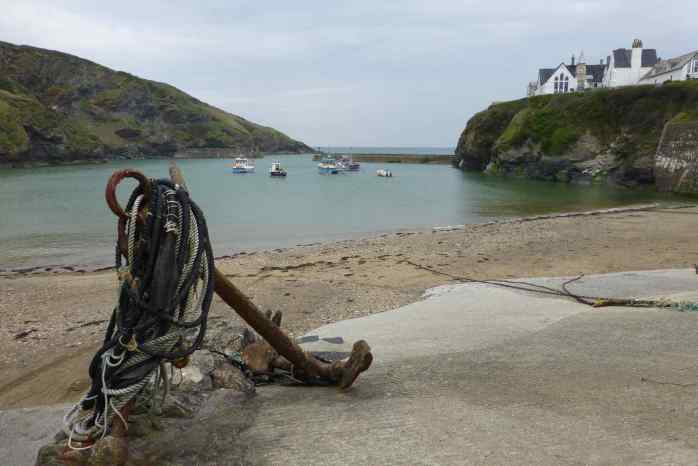
Padstow is located 2 nautical miles up the River Camel and back out towards the ocean a little way from town at Trevose Head is the Padstow RNLI station which we visited (twice), each Wednesday they launch their lifeboat for training down the ramp with a large splash into the water – fantastic to watch. We were also lucky enough to be given a tour onboard their Tamar lifeboat (click here for more information).
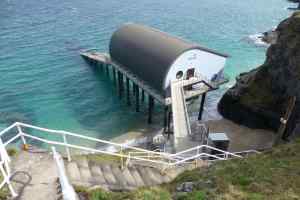
The work this fantastic organization and volunteers do saves so many lives, truly inspirational. It was even more amazing on our second visit when Mike came along and showed us the picture of his great grandfather David Grubb whom is on display at the station as he was Coxwain of the Padstow lifeboat in 1901 and unfortunately both he and his son James perished during a rescue that year leaving behind his wife and 16 surviving children.
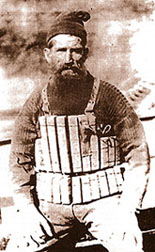

Wendy also pulled out some old family photographs of Phils Grandfather Thomas Henry Williams who was a well respected Padstow local. He was involved in Gig Rowing and a member of the Padstow Blue Oss (see May Day post). We later visited the Padstow museum and were delighted to see Thomas Henry Williams name second down on one of the old blue Oss staff’s used for May Day meaning he was MC for at least one year of the celebrations.

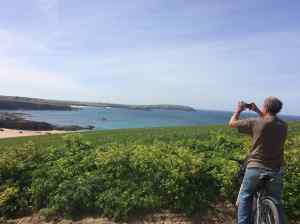
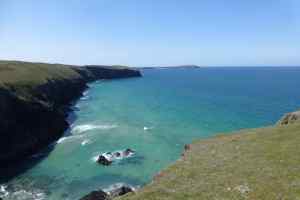

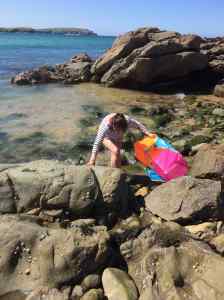

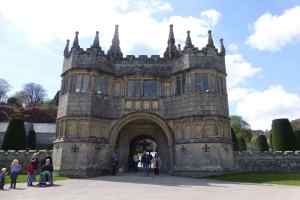
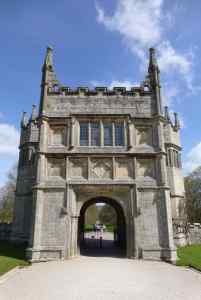
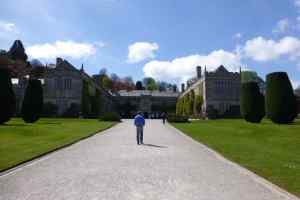
Lanhydrock House – Another day out on the bikes up the Camel Estury to visit Lanhydrock House another national trust property. We took the long way to get there (thanks google maps!) but once we eventually found it were really lost for words.
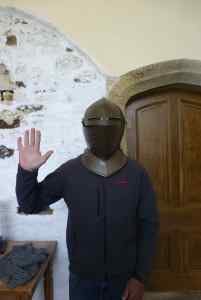
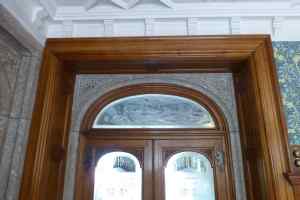
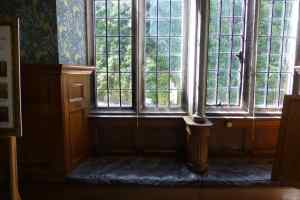
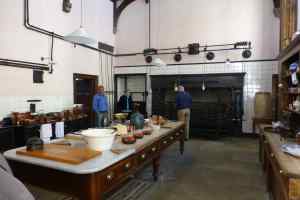
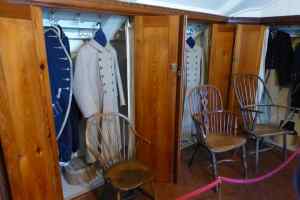
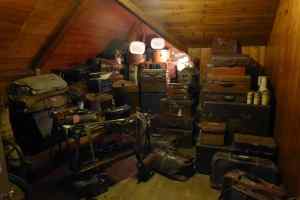
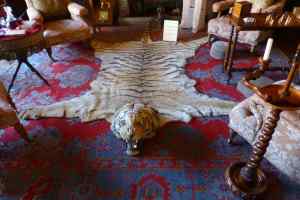
Without doubt the biggest, most well preserved property we were to visit in the UK. A magnificent mansion originally built in 1620 and constructed from granite, it was the home of Thomas Charles, his wife and 10 children. Rebuilt after a fire in 1881, 50 rooms are open for the public with 85% of all household goods and furnishings still in the house and on display from when the family handed the property over to the national trust in 1953 (from candlesticks, to cutlery and crockery, pans, suitcases, clothes in the wardrobes, children’s toys in the nursery, tiger skin rugs (with heads) on the floor in the billiards room, paintings, curtains and pretty much everything as they left it). The granite fireplaces are huge, even the window frames are heavy granite rock, mosaic tiles on the floor, riches that are hard to fathom. It is hard to describe the sheer size of the property and house, the kitchen for example was 8 separate rooms and that is not including the dining rooms (yes more than one depending on the occasion). The size of the kitchen rooms were all bigger than many modern lounge rooms, they consisted of; Kitchen, Kitchen Scullery, Bake-house, Pastry Room, Pantry, Meat Larder, Dairy Scullery and Dairy!



St Ives
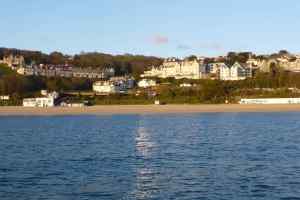
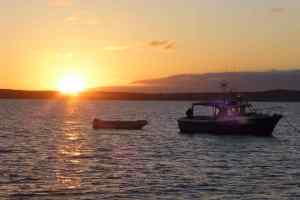
The fish are getting bigger (just) but still not big enough to keep, but encouraging none the less. Passed around lands end (the most south west part of England) to anchor in the bay of St Ives for the night. Didn’t go to shore just enjoyed the view. We had wanted to sail to the Scilly Isles (further south west) but the wind wasn’t looking to get out and back and being able to anchor as they are very exposed.

Newlyn & St Michaels Mount
First night back in a marina since arriving in the UK, that’s 30 days not connected to land therefore generating our own power (wind and solar), using our own water supplies etc both impressed that we still had the power bank at 74% when we plugged into shore services.

Newlyn is a fishing port, a very active fishing port with large commercial fishing boats arriving day and night, unloading into semi-trailers and trucks and also a large commercial fishing processing plant on the quay.
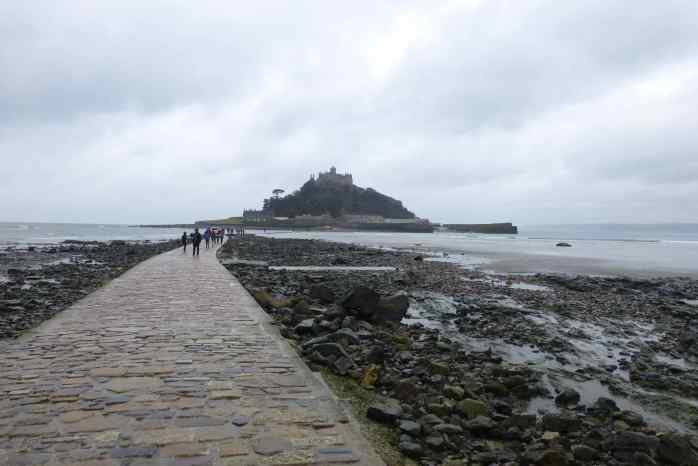
We rode our bikes along the coastal bay around to Marazion to visit the national trust property (island and castle) of St Michaels Mount. Just spectacular. It has been kept “as is” from when it was donated to the trust over 20 years ago. It came almost fully furnished and is it very easy to spend the day admiring the gardens, the castle and the interior. Part of the castle and grounds are still lived in by the family (and obviously out of bounds for visitors). The castle is on an island a couple of kilometers out in the bay and is only accessible via a land spit at low tide. We took the boat over at high tide then was able to walk back at low tide. The island was a town/community itself with cottages for castle staff (now national trust caretakers) and back in the day there were rather self-sufficient with their own water, dairy, gardens, etc. A great day out (despite the rain and wind).


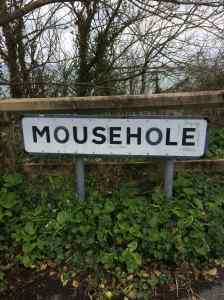
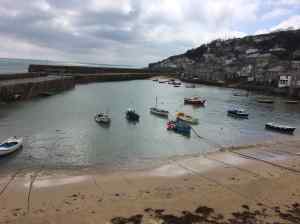
The following day we walked south/west to the next village called “Mousehole” which is a wee little harbour that pretty much dries to a sand beach at low tide, very small, very cute and a nice walk.
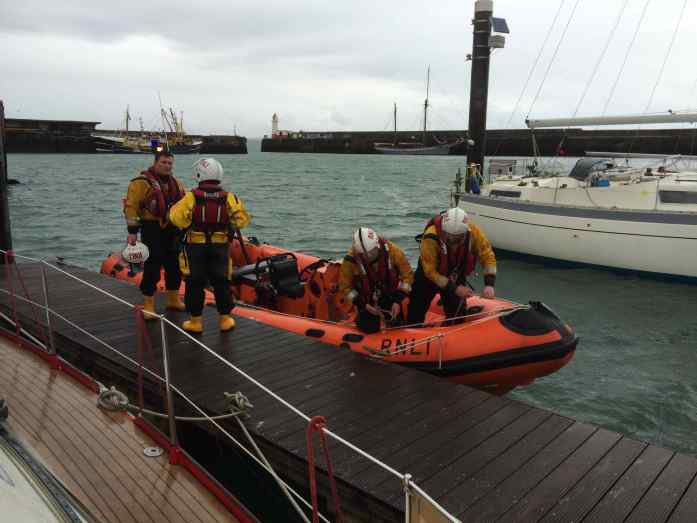
Watched the RNLI (Royal National Lifeboat Association) do practice drills in the bay in the wet windy weather (but I guess most rescues are done in less than perfect conditions). The RNLI to England is the equivalent to the Royal Flying Doctor Service in Australia – both critical to the nations in saving lives. It was interesting to watch them do the helicopter lifts in and out of the water – hopefully we never see them in action for real.
Falmouth
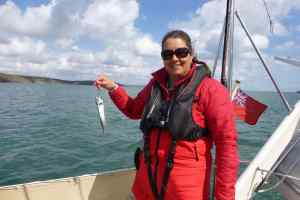
 World famous shipping trading harbour with many ships back in the day of sailing ship trade told to sail to Falmouth and await orders. A great sail on a clear calm bright day. A slow motor into the bay for the final leg amongst lots of traffic with many yachts and lots of anchored ships, this allowed us to put the line out the back and haul on board the first catch on Red Roo, when I say haul I mean haul it was bigger than a sardine – just! A tiny weeny mackerel was our first catch but first none the less, we tossed it back to allow it to mature.
We were in the bay on a mooring buoy so again using the dingy to get to shore, and today to increase the challenge we also took the bikes to shore with us in the dingy – talk about a load we must have looked very amusing as the bikes are bigger than the dingy and overhang quite a bit.
The effort was worth it however and we did a huge ride, from Falmouth we headed north to Perranwell and indulged in a beer to wash down our packed lunch of ham sandwiches then headed further inland along the estuary to Feok then up some challenging hills to Trelissick which is a national trust property (we were able to use our memberships for the first time).

Trelissick house is a very large estate the grounds extending all the way down to the river, the house itself is very large and imposing with huge roman columns along the front and it is hard to believe that up until 2.5 years ago it was still a private residence and lived in. We then crossed the river on the King Harry ferry and rode back to the river entrance catching the last ferry (just) from St Mawes back to Falmouth.
We knew the weather was set to turn for the next day or so with a storm forecast and the ferry team confirmed that no ferries are running for the next two days due to storms. Also they normally tie up of a night on moorings buoys near us but we noticed that night that they all went up the river well out of sight to what we suspect was more sheltered and secure moorings for them…therefore we knew it must be quite rough the stuff coming our way. And rough it was, woken around 3am with the sound of howling wind, rain and constant rolling of the boat, having to brace arms and legs against the side of the bunk to stop rolling in bed. Not a lot of sleep to be had and it continued all through the next day with us boat bound as it wasn’t safe to launch the dingy. We filled the day in playing cards, listening to the radio and doing not much else other than checking our mooring lines every half hour. Phil saw some large logs and trees float past being washed down the river which could be nasty if they hit but we were fine. The highest we saw the wind on our instruments was 65 miles per hour (Force 12 which is winds around 120 kmp/h).
Video taken after things had eased at around 5pm the following day and was only blowing about 35 mph but that is when the fork lightening started which is scary when you are sitting in a metal boat with a 15 m high mast sticking up into the clouds!! We turned all our power sources off and waited it out, in two minds; one being in ore of the display lighting up the sky then secondly being our vulnerability. By 8pm is was dark and eerily silent, spooky, it’s amazing how it can be so very wild and uncontrolled and then over like it never happened.
Our final night in Falmouth we went across the bay onto anchor (our very first night at anchor!) at a place called “St Just in Roseland” as the church in this bay was highly recommended by our new friend Roger (from Dartmouth) as a must see, and boy was he correct. We were both a little speechless as we approached as the scene looked fairy tale like (unfortunately our photos do not do it justice). The gardens are just amazing, beautiful, old, and perfect without being formal, with the flowers giving off the most beautiful perfume.
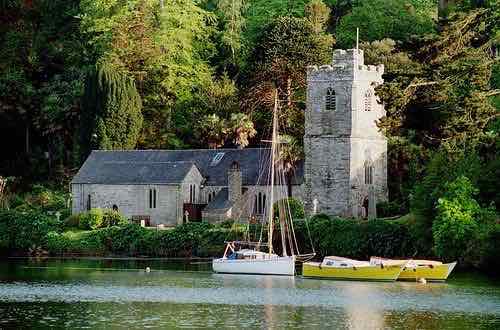

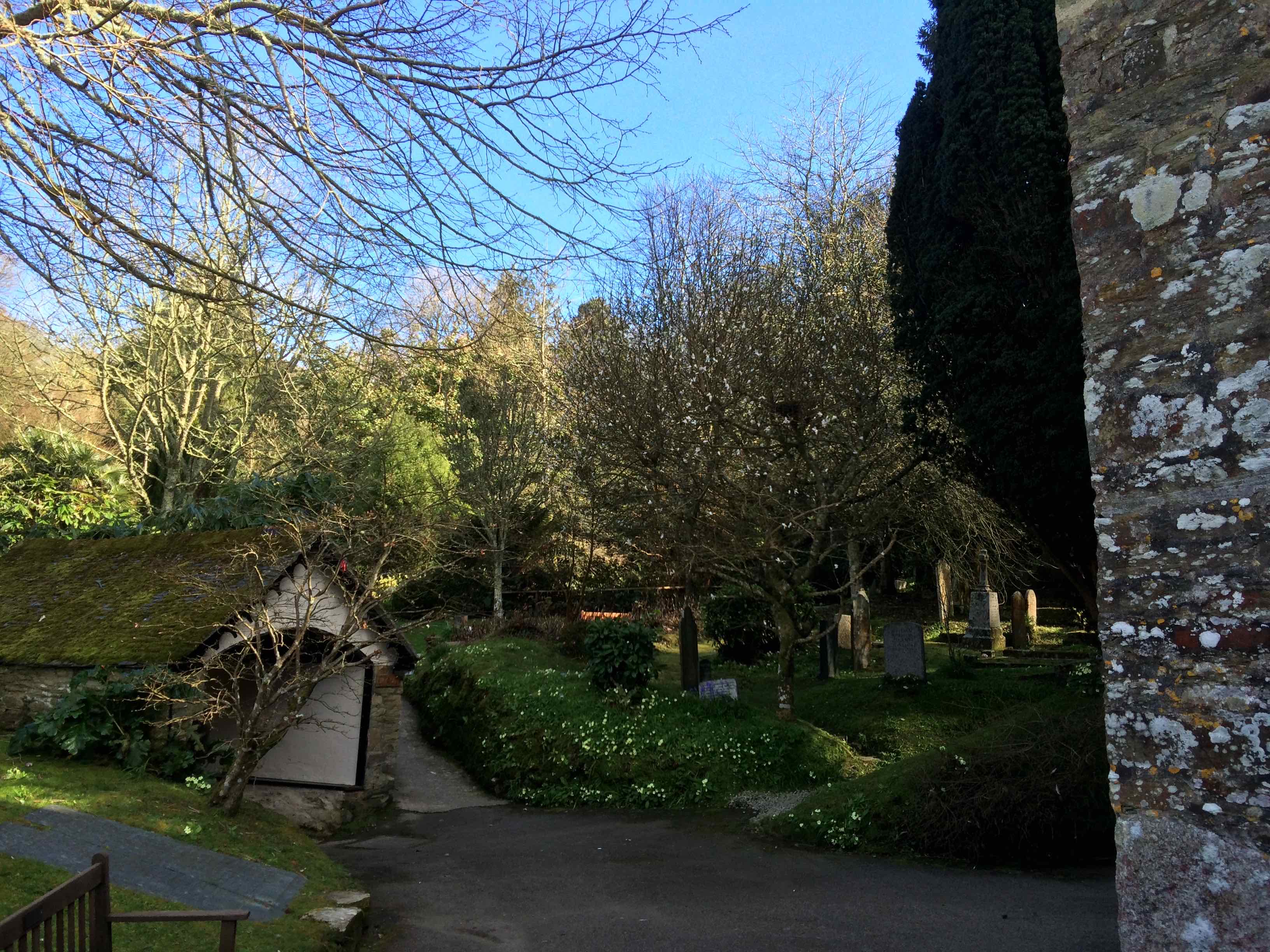
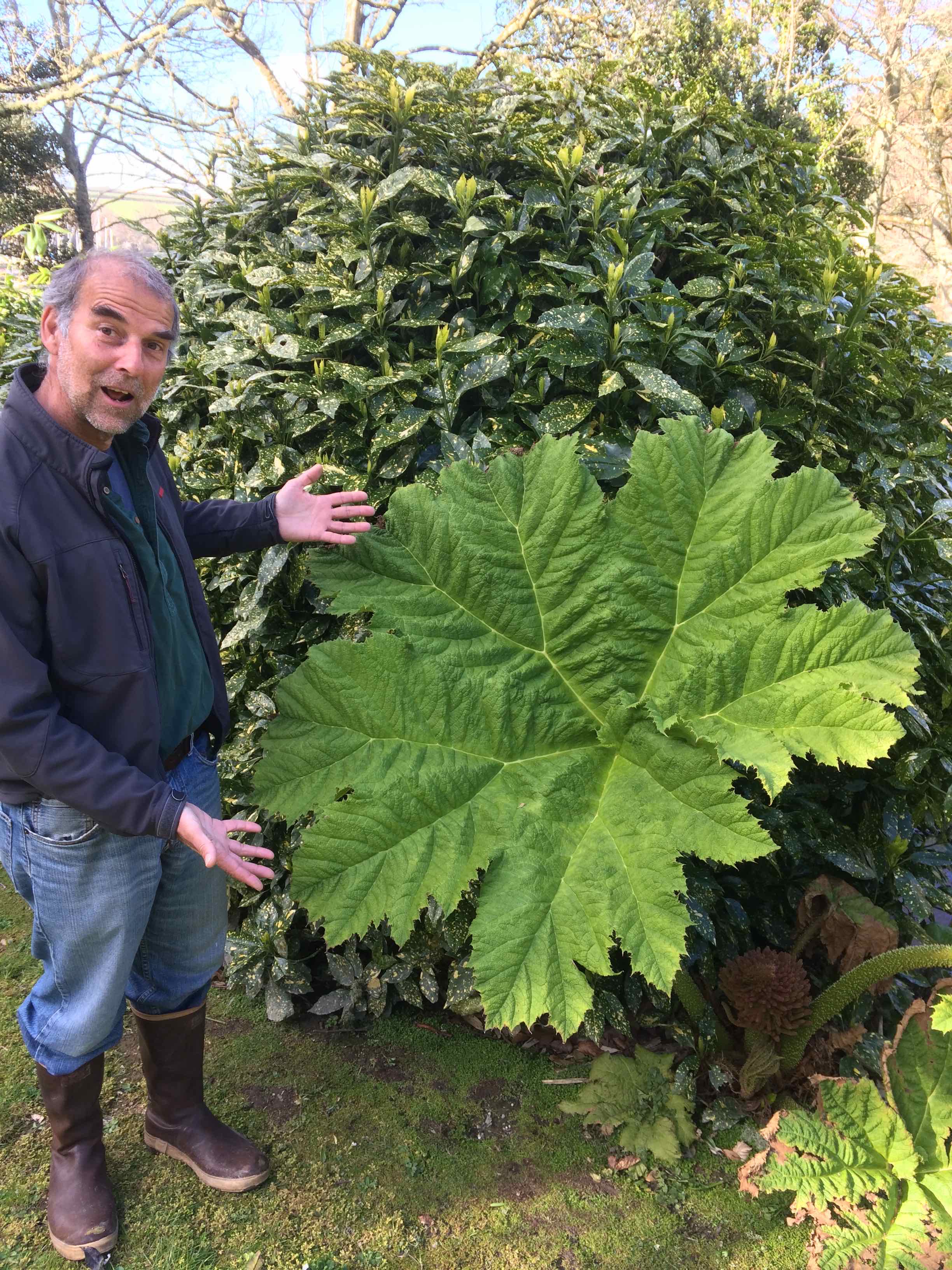
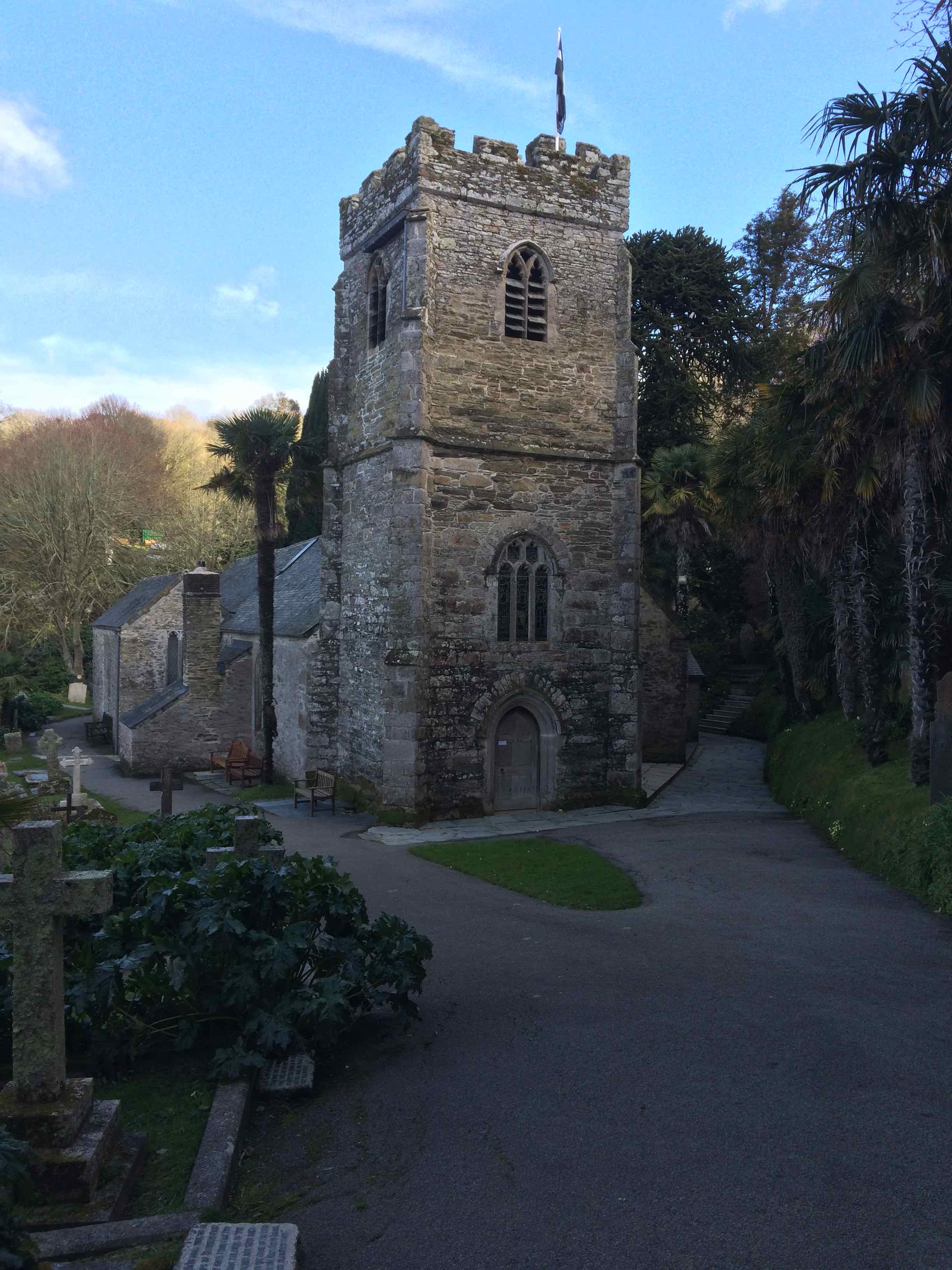
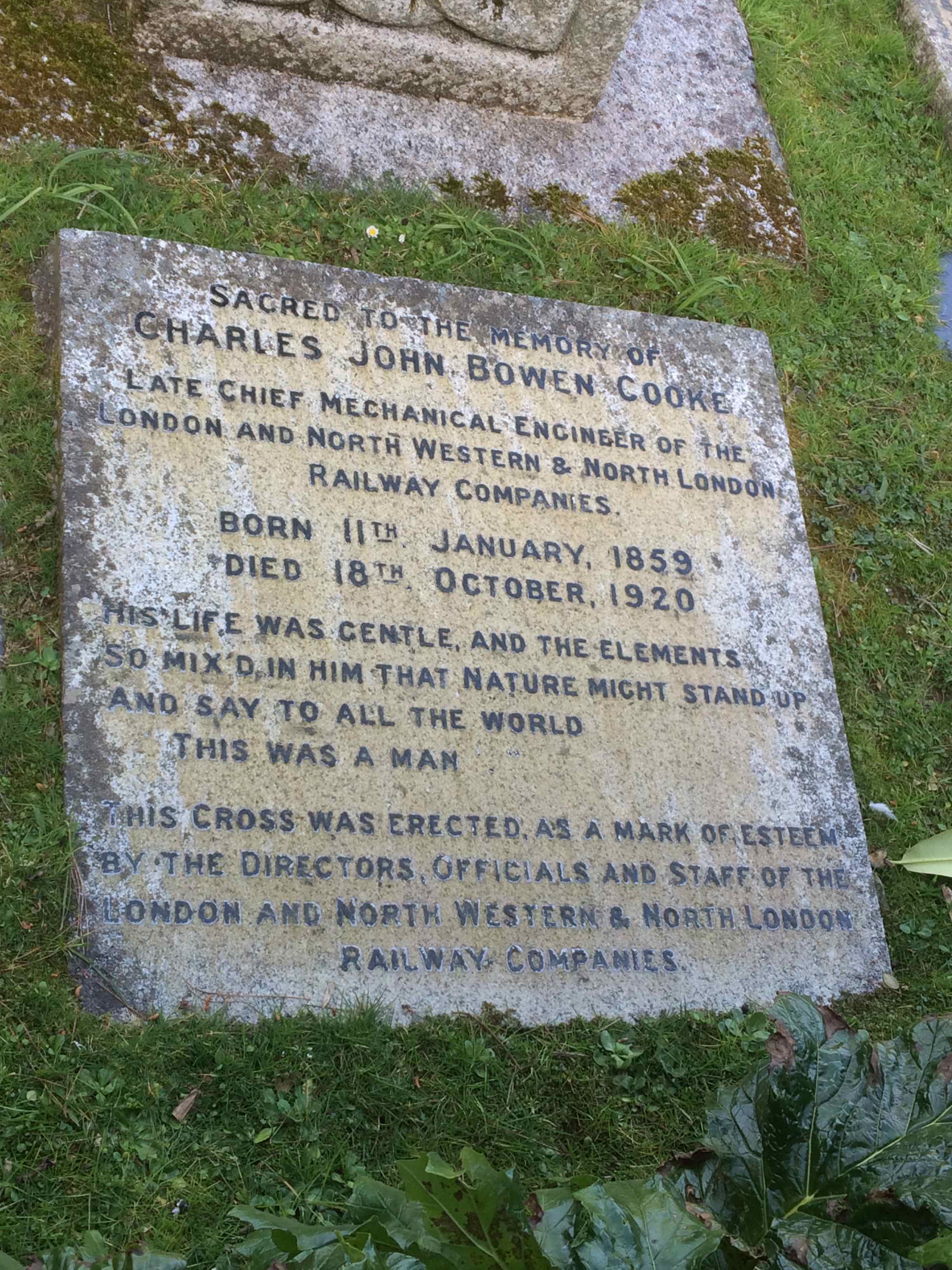
We strolled the grounds reading the intricate gravestones and found one dating back to 1757, we also found one for a gentleman born 100 years to the day earlier than Phil with the same profession of engineering – spooky!
The church itself was peaceful and welcoming, not huge like some we have seen but a good size for the small community it serves and modest architecture. It felt very welcoming and much loved. Very glad we visited.

Fowey
35 miles from West of Salcombe is the wee little village of Fowey. We arrived right on dusk, having not left Salcombe until lunch time to take the tide rather than fight it. However, we still had a particularly rough couple of miles out over the bar from Salcombe (a big sand bank just out of the mouth that throws the swell around the mouth of the river), and ended up adjusting course to steer into it rather than to take the swell on the side of the boat.
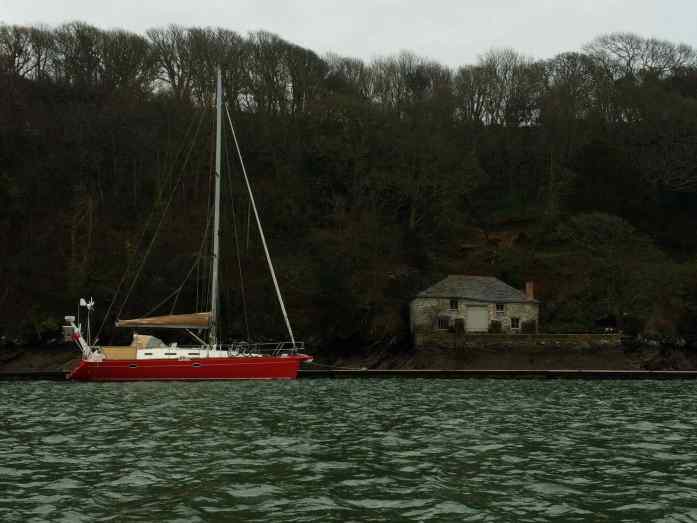
We are now in Cornwall (having previously been in Devon). Still require the dingy to get to shore as again on a floating pontoon in the river, picture postcard with a very old wobbly cottage on the hill behind us, which looks like an old storage shed converted into a dwelling. It looked beautiful of an evening with the soft glow of light seeping out the windows and the smoke coming out the chimney.
We enjoyed a lovely bargain priced Sunday roast lunch at the yacht club with all the trimmings during our stay.
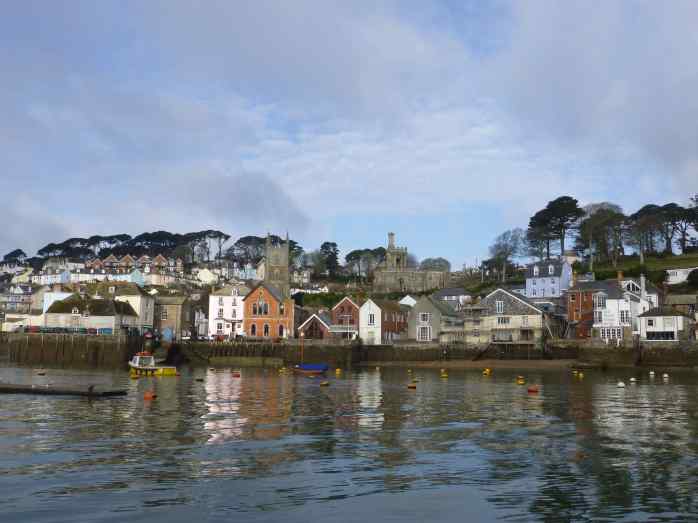
Did a big walk from Fowey around to Polkerris along the coastal path. This took us past Saint Catherines castle with great views out to sea and along past Polridmouth which was a lake used as a decoy during D-Day invations and the black out period. Fowey would be blacked out and then some lanterns lit around this lake so the enemy would think it was Fowey harbour (with the water and the lights) and be off target. Further on up the top of a steep hill is the 1832 landmark, standing 84 feet high and painted red and white it is obvious for miles. From the daymark to Polkerris was treacherous walking in ankle deep slippery mud thanks to all the recent rain. We arrived without any incidents unlike many people we passed who had the tell-tale brown mud stains as evidence of a slip and fall. We took the country roads back across land to return to Fowey a great day out.
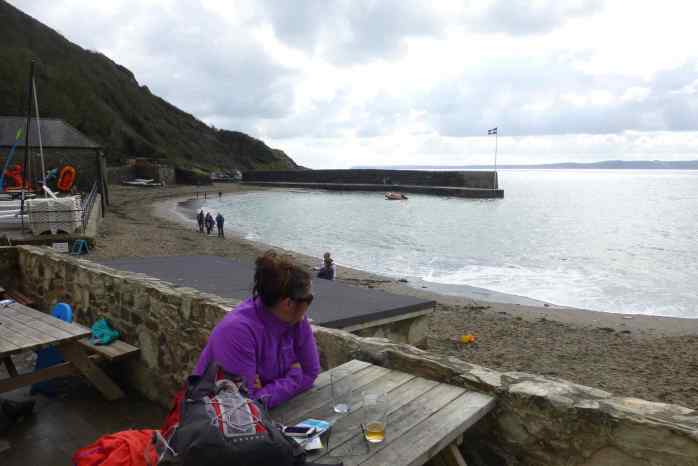
Salcombe
A nice short hop of around 20 nautical miles brought us to the holiday haven of Salcombe (thanks for the recomendadtion Roger).
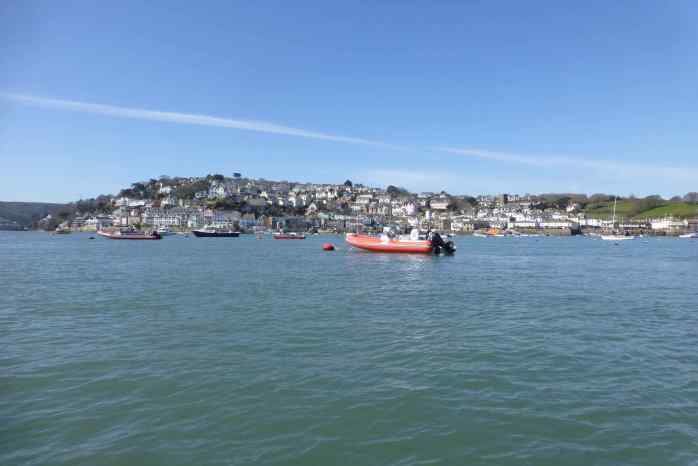
Hills filled with holiday homes lead down to some lovely sandy beaches and a river dotted with yachts on mooring buoys. Very pretty.
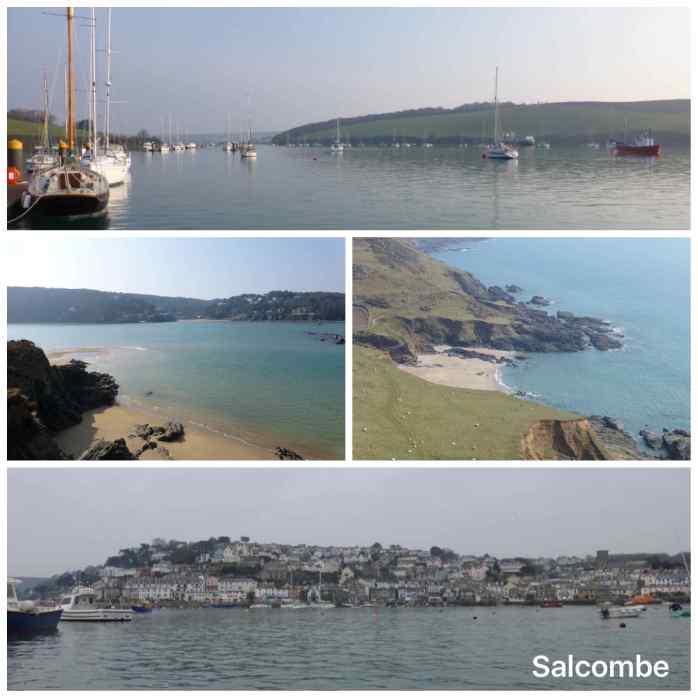
We spent Easter long weekend here and it became very obvious very quick that this was a favourite holiday weekend spot and the locals told us out of season the place is mostly deserted.
We enjoyed the coastal cliff path walks in both directions (back towards Dartmouth and further West).
We also had a night away from the boat in the nearby city of Plymouth. We caught the bus there and a train then bus back the next day. This set us up with phone and wifi for the UK without the need to take Red Roo into the busy and expensive harbour (adding extra miles not needed for any other reason).
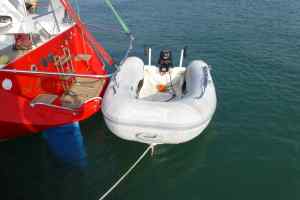
Although we were on a pontoon (another floating one in the river) we endured a very windy and rainy night. News reports the next day reported some areas in the regions getting hit by 100mile winds, it sure felt like it to us during the night. It wasn’t rough but very loud and especially when the wind got into the head sail of racing yacht on a buoy next us, opening it up and flapping and tearing it to shreds. So loud it sounded like a gun being fired every-time it flapped, and it flapped continuously for a few hours until it shredded enough for the noise to ebate. There was nothing we could do to save it as it was too dangerous to get in the dingy and attempt to go over and drop his sail. The owner came out the next day and no hope of a repair a whole new sail will be needed.
Dartmouth – England
Our first English Channel Crossing !! Very exciting and a little bit of a disappointment when after 12 hours when land should have been in sight all we had was haze and mist meaning we couldn’t see land until 1 mile off….Welcome to England!!
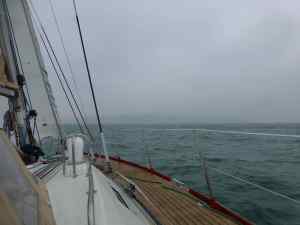
A successful crossing of the English Channel from Guernsey to Dartmouth in 13.5 hours. Departed the Channel Islands at 01:00 in the dead of the night and took the tides across. No issues across the shipping channels, plenty of ships and many fishing vessels also in the channel however all went well.
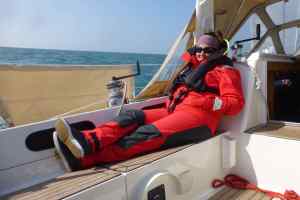
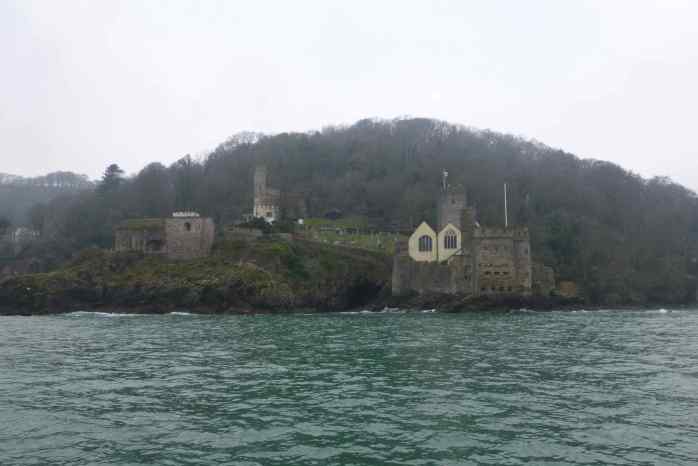
As per the introduction, a tiny seed of doubt did creep in when we should really have been able to see land a lot earlier than we did but that is the English weather for you. Once land appeared in focus rather than a dark haze it was fantastic to be greeted by old castles on each side of the river Dart. Dartmouth had a delightfully old character about it, from the buildings to the pace to the people.
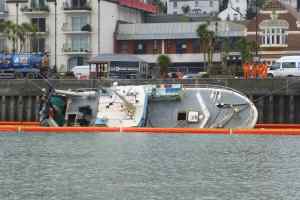
We berthed on a floating pontoon in the river so had to launch the dingy to get to shore. Customs declaration took a lot longer than expected (Phil spent over 4 hours on the phone in the harbour office), but that is really his own fault as the delay was caused by him brining over the allowable limit of alcohol (Gin) into the country duty free from the Channel Islands. By the time it was sorted he was full bottle on the gossip from the “incident” on the harbour wall where a french fishing vessel had fallen over (see pictures below) after seeking refuge from a storm they tied up along the wall and then fell the boat with a full load literally fell over, loosing their entire catch and one crew member badly breaking their arm. A sad story as due to health and safety regulations a week later the boat is still half submerged as the red tape is played out (in France we have no doubt they would have had a crane on site within an hour to fix it back upright, meaning minimal damage to the boat, i.e.: all the wiring and fittings would have dried out and been easily salvageable but now over a week later the vessel is still underwater and becoming more of a write off each day).

We met a local sailor Roger and took his tips on the best places to stop as we progressed west. Not sure we made much of an impression on Rogers wife Heather however (she wasn’t with him on the boat) but after spending an evening and dining with us on Red Roo he went back to his boat and rang her – telling her of our story. The next day he reported that Heather said we might be a bad influence on Roger and she didn’t want him getting ideas on selling up and setting sailing . . . indefinitely!! Sorry Roger 🙂 didn’t mean to get you into trouble!!!
Jersey – The Channel Islands
Home of Jersey Royal Potatoes and didn’t we enjoy them whilst we were visiting! First ones were being harvested while we were there YUM YUM. Also saw some Jersey Cows, and tasted our share of Jersey Ice Cream.
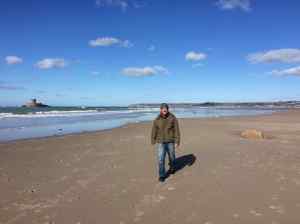
I confidently say there are not many roads on this island that we didn’t cycle. So great packing a picnic each day and setting off on the bikes. Many of the roads are “green roads” which are single lane width and dedicated to cycling, horses or walking through fields, farms along the coast. Became fans of “Me and the Farmer” the pork farm produce and visited their van each week for a hot pastie and to buy and take home our weekly sausages, bacon and mince.
Brought a guitar each, as both have a desire to learn this craft. We figure we have enough time to spend 3 minutes a day practising – that lasted about a month and we are no further progressed….I must get back onto it!!

 Red Roo
RECENT COMMENTS