Clew Bay
The nearest place to take the boat to Westport was to Rosmoney in Clew Bay. This left a nice 8km walk into town for us.
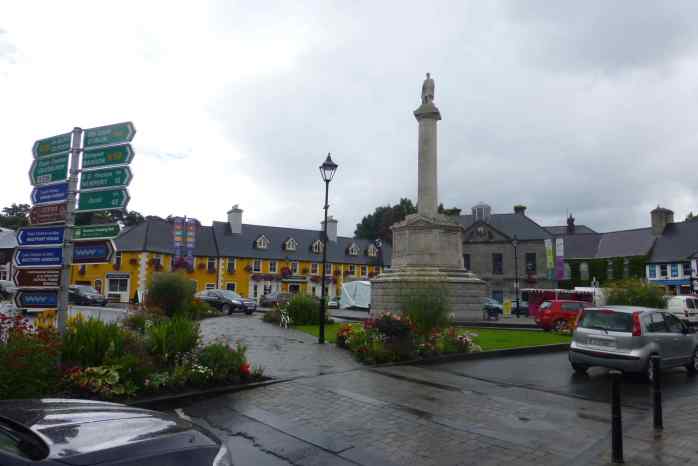

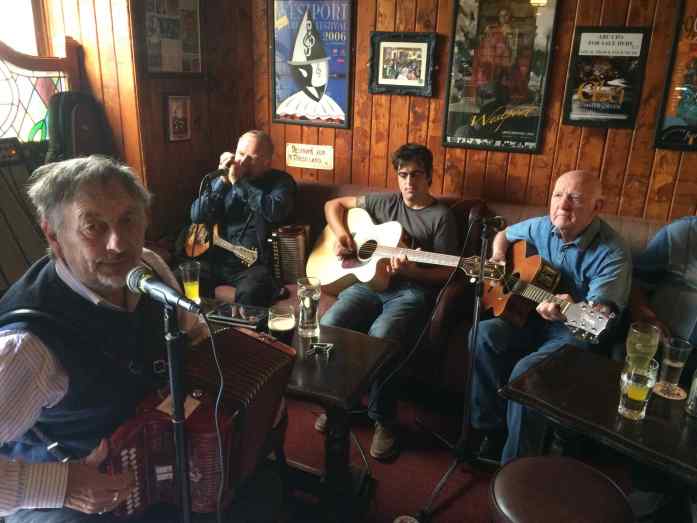
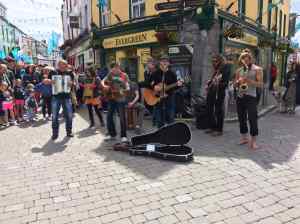
An enjoyable walk along quiet roads brought us into the town and we enjoyed an afternoon in the pub listening to local musicians putting on some tunes for us.
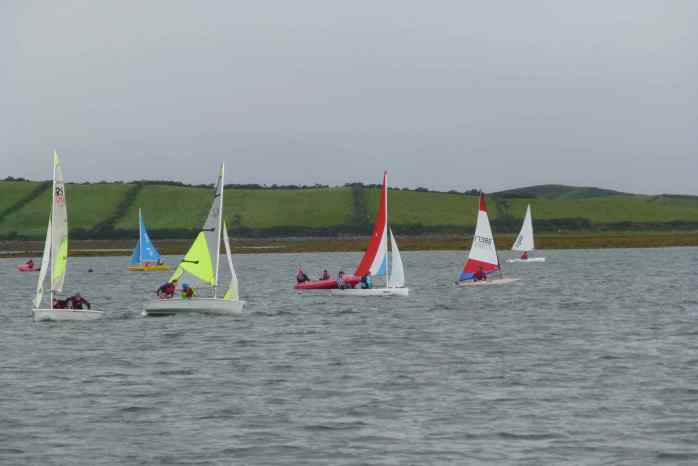
We also found a gas bottle outlet where we could refill the bottles so the following day off we set for town again. This time however we were picked up on the road not far from the boat by a lovely lady who after telling our tale added that her husband was from Inishturk (our last stop) and she was from Kinsale (we stopped here on the South Coast of Ireland), and her kids were at Rosmoney (where we are anchored) attending Sailing School. The lift was certainly appreciated, especially since we were carrying the gas bottles, and we lashed out and got a taxi back to the boat once they were filled (heavy).
Inishturk
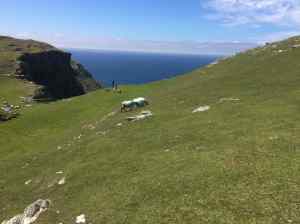
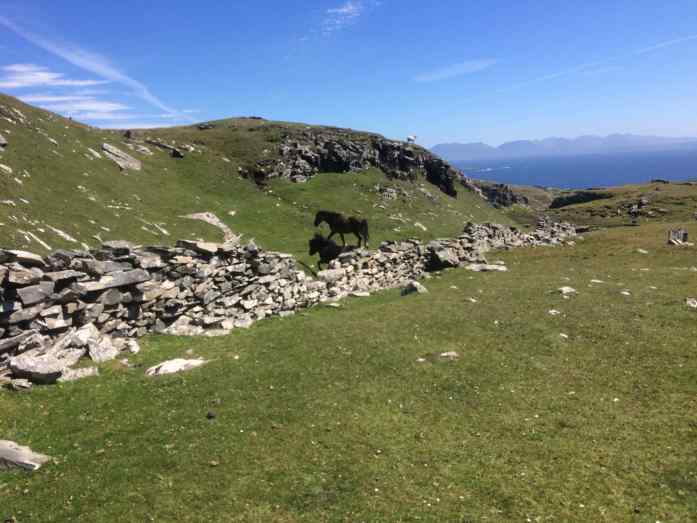
This gets my vote for most favourite place so far…I wonder how many times I will say that whilst on this adventure? Anyway being my favourite so far I found it hard to pick which pictures to include, therefore not a lot of text but 23 pictures to compensate – enjoy!
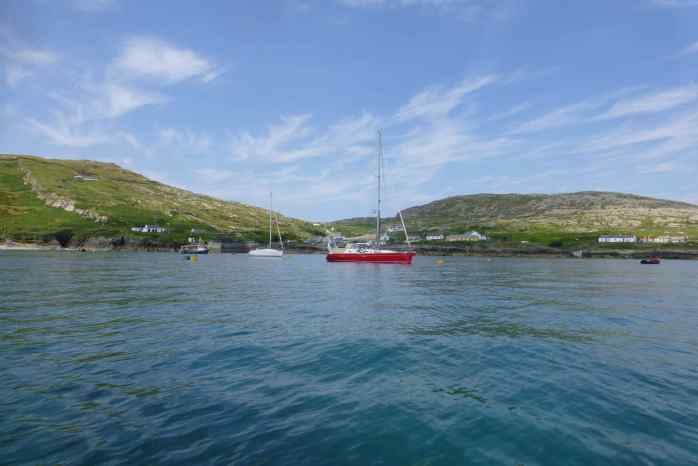
I could so easily live here, happily. In some ways it is like stepping back in time, not a lot of modern influence here (except maybe internet and mobile phones). The cars all being of older vintage (and all with keys in the ignition), gravel roads, a small general store that opens for 3 hours a day. The pub is also the community centre and the library, the people very friendly and the houses modest.
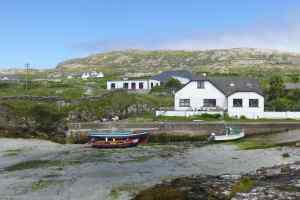

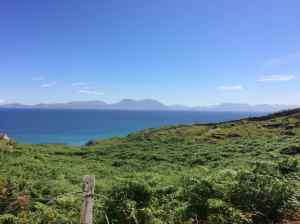
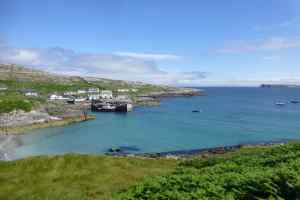
The population of the island is 58 people, perfect for the islands size of 12.5 km (24 hectare size). This includes a mixture of fishermen, farmers (sheep), a publican, chef and bar staff, the ferry operators, a nurse, a postmaster (who operates from the porch of their home), a school teacher (for the 3 pupils in the primary school) and a few residents offering B&B accommodation to visitors.
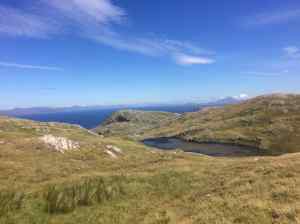
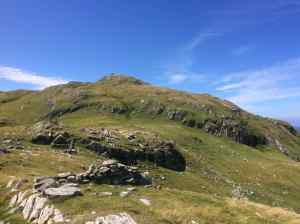

We took the dingy to shore and was met by Paddy a local wandering the harbour who inquired of our origins and the boat (and was suitably impressed with our journey and how far from home we were), we then proceeded to walk the round island track and by the time we got ¾ of the way around we walked passed some American tourists staying on the island who asked if we were “the Aussies off the red yacht?” How is that for word of mouth and the bush telegraph – even the island visitors were told of our arrival.
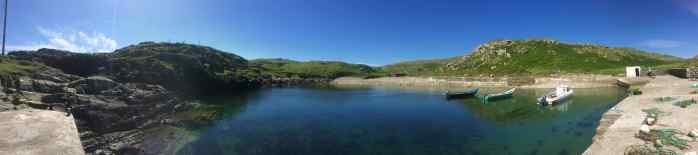
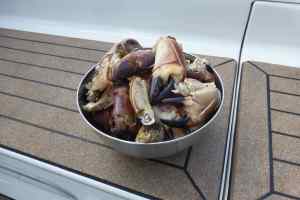
We met Mikey & Maryanne local lobster fisherman (and brother in law of Paddy whom we met earlier at the warf). Mikey was kind enough to drop past two mornings to the boat (we were on a mooring buoy in the bay) after he had checked his pots and he dropped off a bag of crab claws each time. They always throw the crabs back that get in the pots but not before removing their delicious meaty claws – don’t worry they grow new ones). We also brought a lobster off him before we left. He was great to chat to and told us about island life with their always being room for more people on the island and that every new person always finds something productive to do.


It is hard to believe that back in 1841 the island sustained a population of over 600 people. According to Paddy, from the 600 people who lived here before the Great Famine over 400 died or left the island, many fleeing Ireland entirely, and the population never recovered. The 1951 census recorded 123 full-time Inishturk residents, and the 2016, 58.

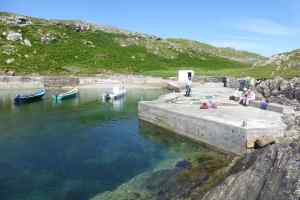
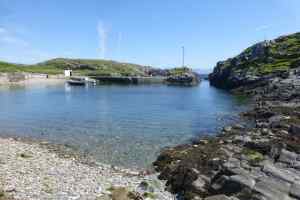
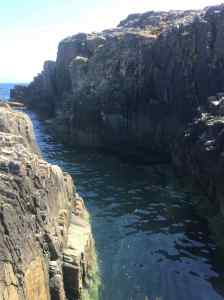
We walked, I swam, we BBQ’d we enjoyed Inishturk. To me it’s the kind of place you would go to live if you wanted to write a novel and needed a perfect place to write, walk, breathe and live.
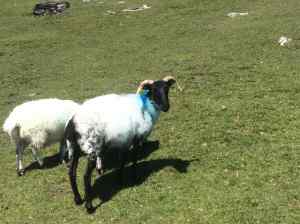


Diamond Hill – Letterfrack (Fahy Bay)
Near Letterfrack, when I say near Letterfrack I mean no-where near, unlike Phil who assured me we can easily walk into town from the boat. An hour and a bit later we gave up and headed back to the boat, in his defense we could have made it but the walk was along a fairly busy main road, windy and bushy with virtually no shoulder to walk safely on.
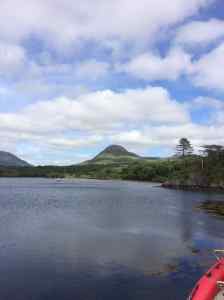
The next day we tried again but this time took the dingy and motored around into the next bay a lot closer to Letterfrack and then walked the last couple of kilometers into town. It was a small town (but we were able to get bread, milk, cheese, eggs and bacon to keep us fed for the next few days).

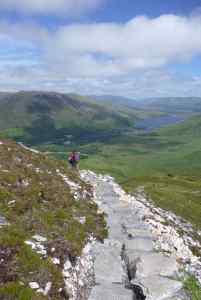
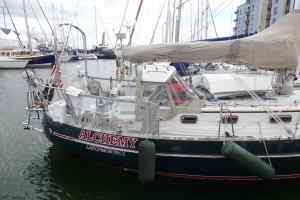
The highlight of the area being the Diamond Hill national park just behind the town with the hill towering over the bay. And what does one do when they see a 442m high hill they climb it of course! Huff and a puff, it was a short sharp steep climb but the views at the top magnificent. Furthermore just as we found a little nook at the top to eat our sandwiches who did we find …. Alchemy crew also enjoying their packed lunch!! They were anchored in a different bay and were also attracted by the hill. We enjoyed the walk back down with them and a cup of tea before leaving for our respective boats.


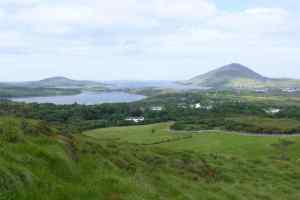
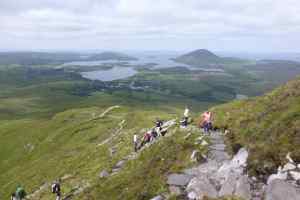
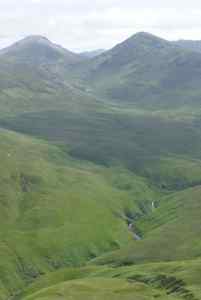

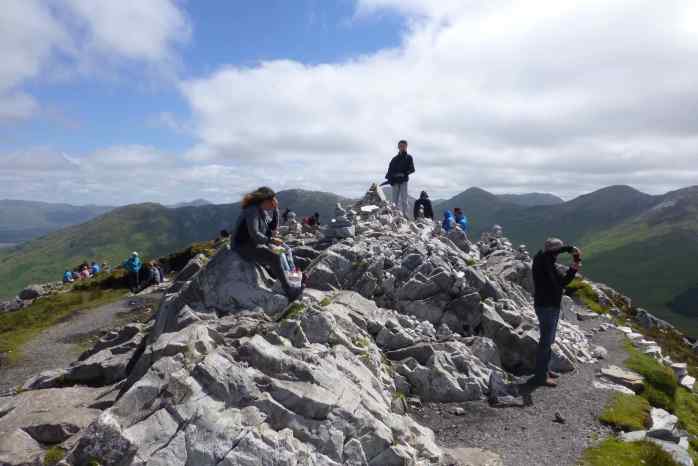
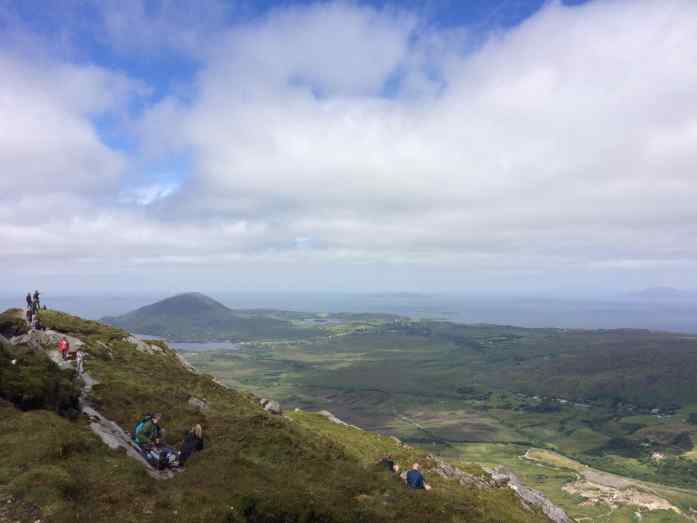

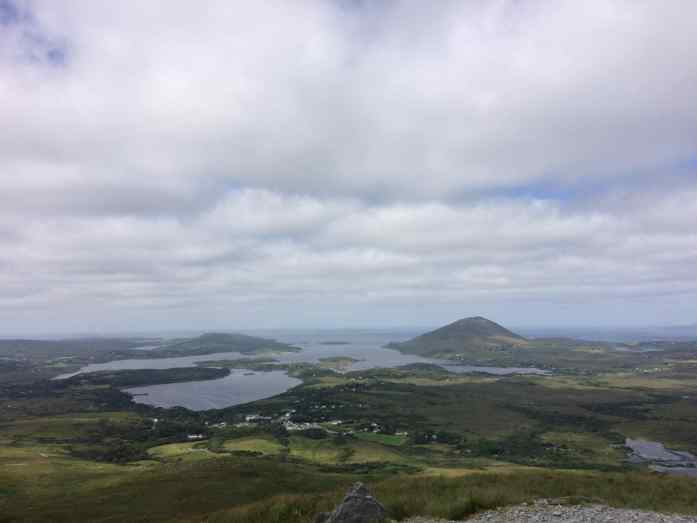


Alchemy above at anchor, a long way from the top, but the camera has a very very good zoom, in the picture on the left Alchemy is in the water below the other hill.
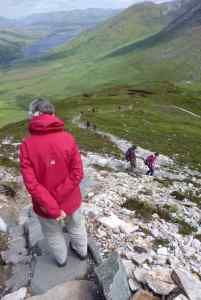
Surprisingly the walk down was much easier!
Inishboffin
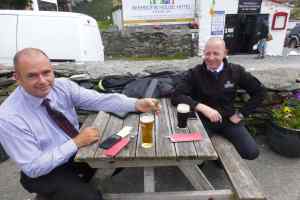
Hold onto your hat . . . I am not kidding when I tell you beer testing it’s an actual job!! Yes it’s really true and we met two gents who fulfil that role out on this stunning little island on the west coast of Ireland. The gents in question (pictured below) work for Carlsberg in a “quality control”role, their job being to travel to pubs whom stock their products (in the company provided car) and taste test and temperature measure the beers they serve from tap to ensure they are served as intended from the brewer!!! As nice as these guys were, we hated them, really hated them – how do you get a gig like that?? With some friendly banter and Aussie stirring they were soon sledging back saying we can’t complain as we currently don’t work and are sailing around the world on our yacht – we surrendered that point to them.

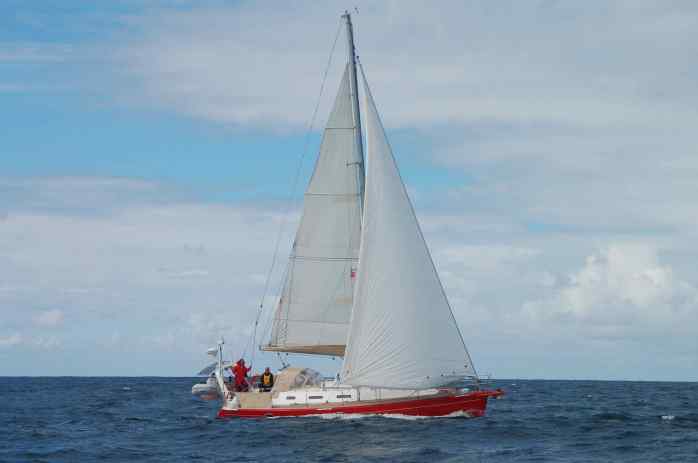
Listening to the above conversation and joining in to agree that these two blokes had a pretty darn great job was an Irish couple whom we went on to learn worked on Yacht Ahimsa, only a super yacht at the time it was launched holding the record for the worlds tallest mast!!! (click on the name to see pictures/videos of this incredible vessel). And furthermore when I say work on yacht Fabien is actually the Captain, Captain Fabian as his business card says. Yes that’s right Skipper and his lovely partner also crew onboard. My gosh did we have career envy from people we met here at Inishboffin! Fabian was very kind and had been checking out Red Roo tied to the wall near the pub whilst we had been walking, seems he was very impressed with our little floating home and yacht and even was kind enough to say he wants something for himself very similar one day (I am sure in the mean time he is happy enough to live onboard Ahimsa. He pointed out he is Captain and not the owner). The boat was currently in America and they were home on holidays.
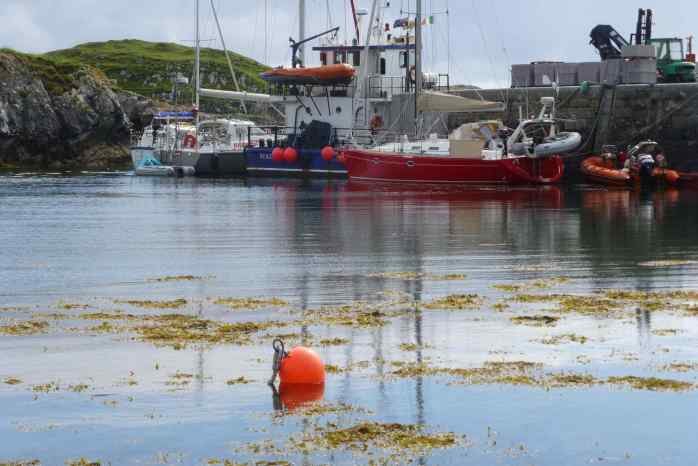
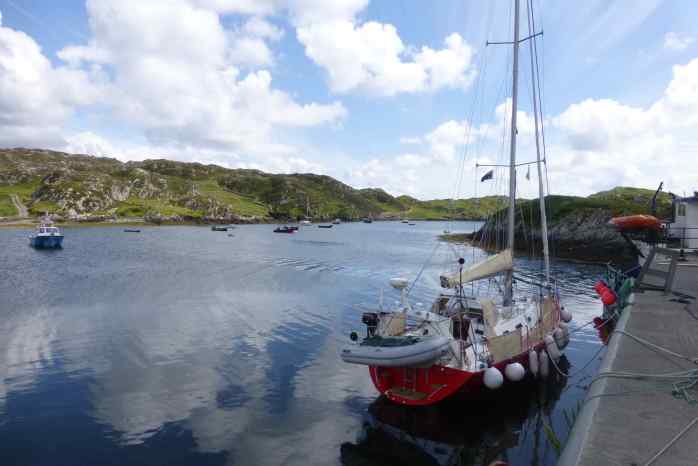
Seems Inishbofin is the place to be. The island comes alive during the day with the boat loads of tourists brought over from the mainland but returns to peaceful serenity when they depart later in the day to return home. There are only a limited numbers of guest houses and accommodation options so not so many around come sunset and the evenings. A very popular spot for scuba diving and fishing charters and even though we all know I am a huge scuba fan and do it at any opportunity I couldn’t muster the courage to entertain the thought – the water was freezing!!!


We walked the islands circumference and climbed to its highest point which to spoil the moment had the biggest radio tower and aerials one can imagine on top. Lots of sheep wandering the island and not a lot of paddocks or fences but went on to learn that the sheep are all tagged so they know which ones belong to whom (each family having a dozen or so each). Over the far side of the island we also saw our fist peat bog farming paddock. We had seen many a homes to date with a peat stack near the door to keep the home fires burning (all year round), and smelt the result of this dried mud/grass bog creation (a very unique smell indeed) but this was our first (to be one of many) times we see where they cut it from.


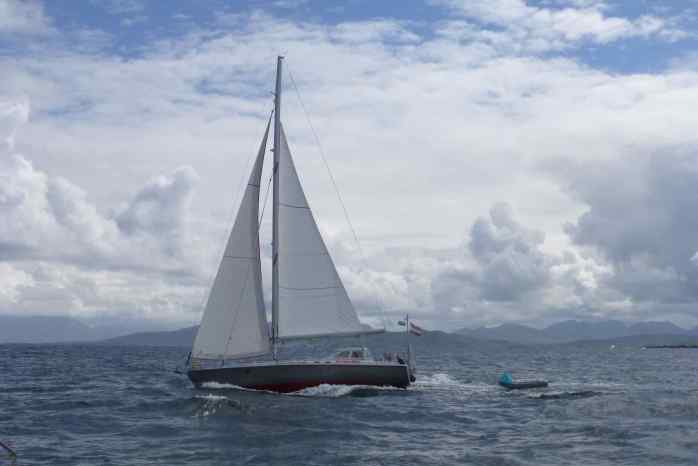
Also in Inishboffin was Els and Lei from Kristoffel whom are responsible for the photo at the top of the page (my absolute favourite) and below, great to meet this Dutch couple who told us so much about sailing the Baltic Sea…who knows we may just head north east next year to explore it for ourselves.
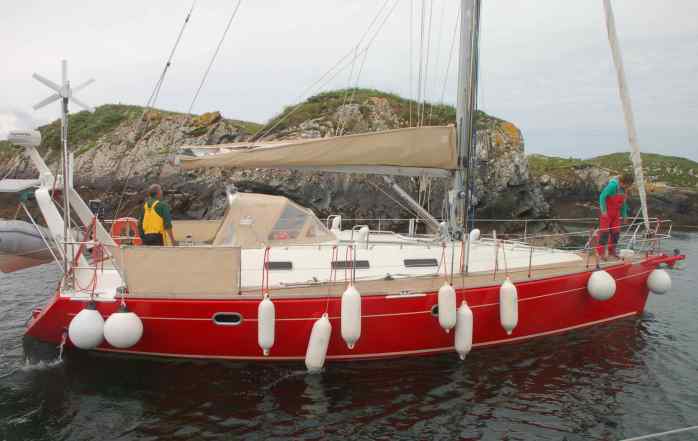
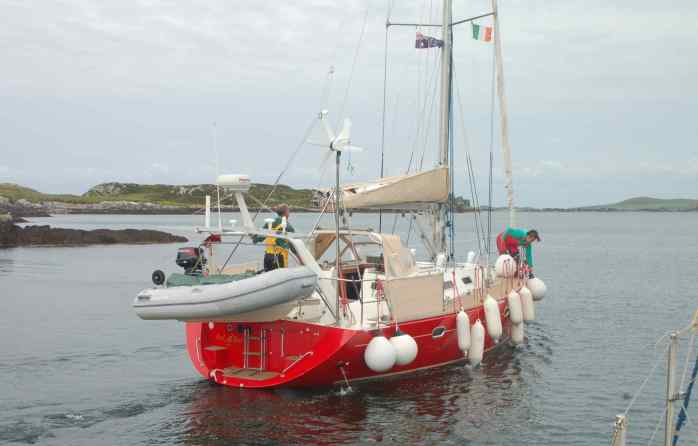
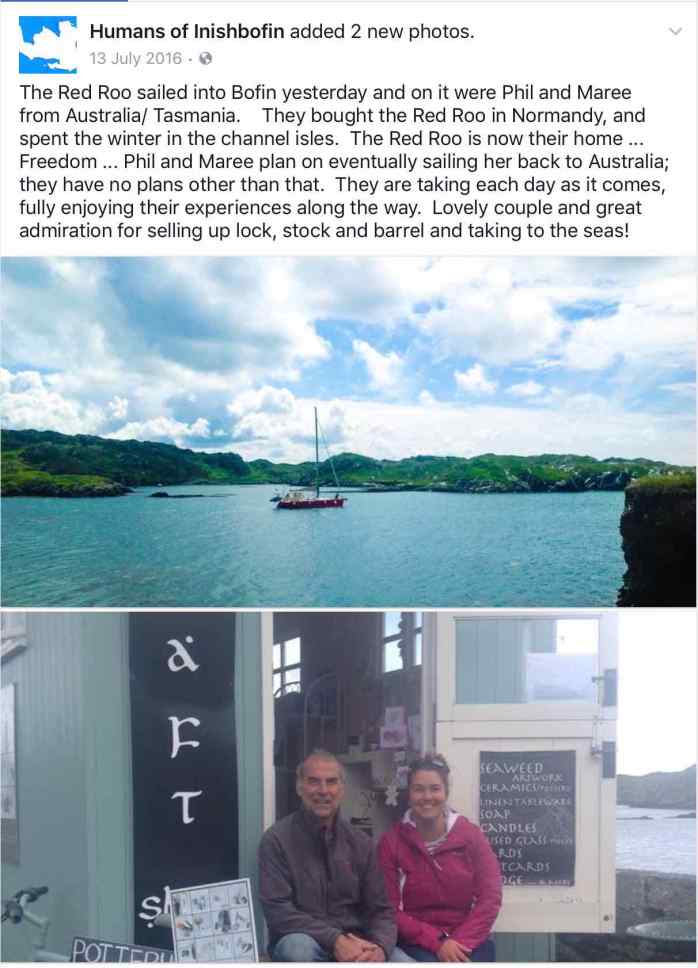
We also got a mention on the Humans of Inishbofin Facebook page!
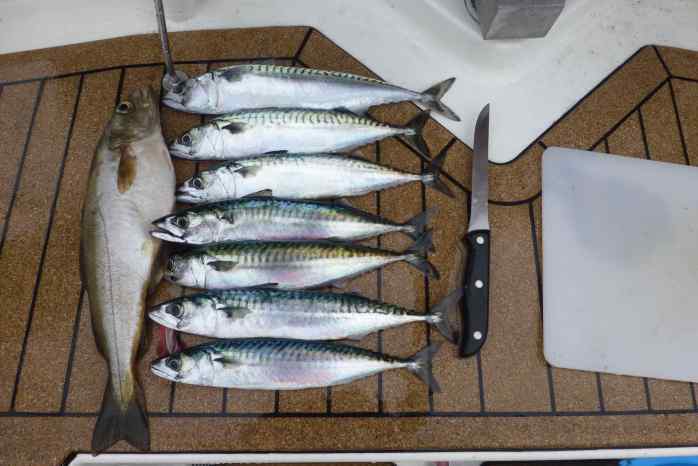
Also still catching plenty of fish, good size mackerel – yummy!
Clifton
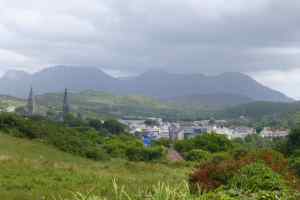
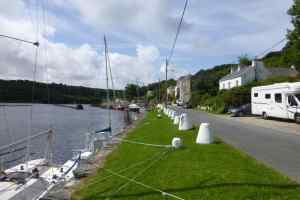
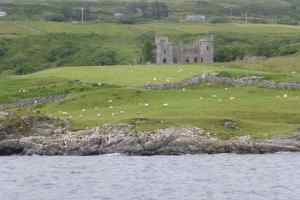
Sailing north in a small weather window before more wind/storms arrived we made it to Clifden before hunkering down on the floating mooring buoy for a day whilst it lashed a force 8 outside. Filled the day in reading, watching movies on the laptop rocking around on the waves. The following day we were able to get ashore and walk the streets and sights. We walked the Sky Road loop which forms part of the tourist route marketed as the Wild Atlantic Way. The sky road walk around the peninsular (past where Red Roo was floating under the castle ruins) to the head land and back in on the next inlet. A 26km route, with half of it providing spectacular views and the other half not so much!
Galway
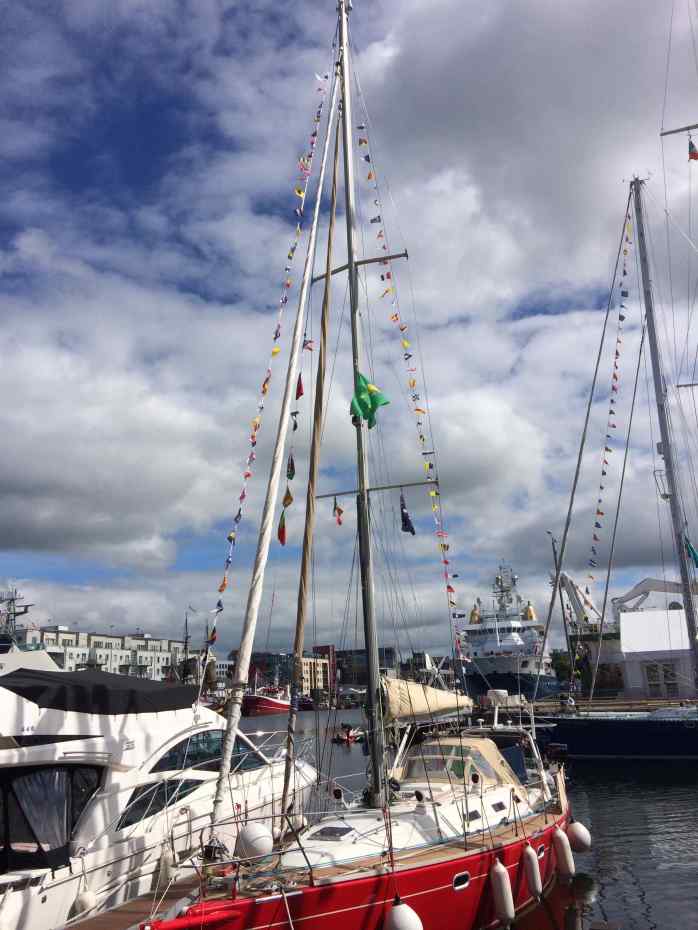
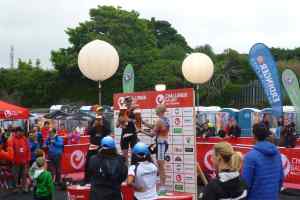
With plenty to occupy us in this old city it wasn’t a chore to stay two weeks avoiding rough seas and more unsettled weather. The first weekend we enjoyed the annual ultra triathlon (3.8km swim, 180km bike ride & finish off with a cool 42.2km run!) with the course leading participants on their running leg (loop) straight past the boat (prime viewing), with the finish line, party area, marquees and food stalls being on the other side of the basin a short 2 minute walk away.
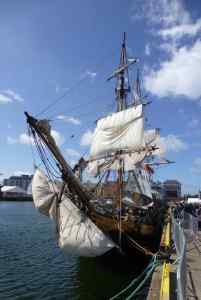
The second weekend we were again in prime position for the maritime festival which appropriately was being conducted in the marina basin and he surrounding pavement – our doorstep! This 3 day event kept us most entertained starting on the Friday, which we later learnt was staff day and the exhibition only being open to staff and families and included a meal, drink and as much icecream as you can eat, however being in the marina we used the small inside gate that leads to the rubbish bins to slip into this staff event (at that time not knowing it was a restricted event) and made the most of the staff day, enjoying the exhibits with a very few people, fine foods and for Captain Phil lots and lots of ice cream.
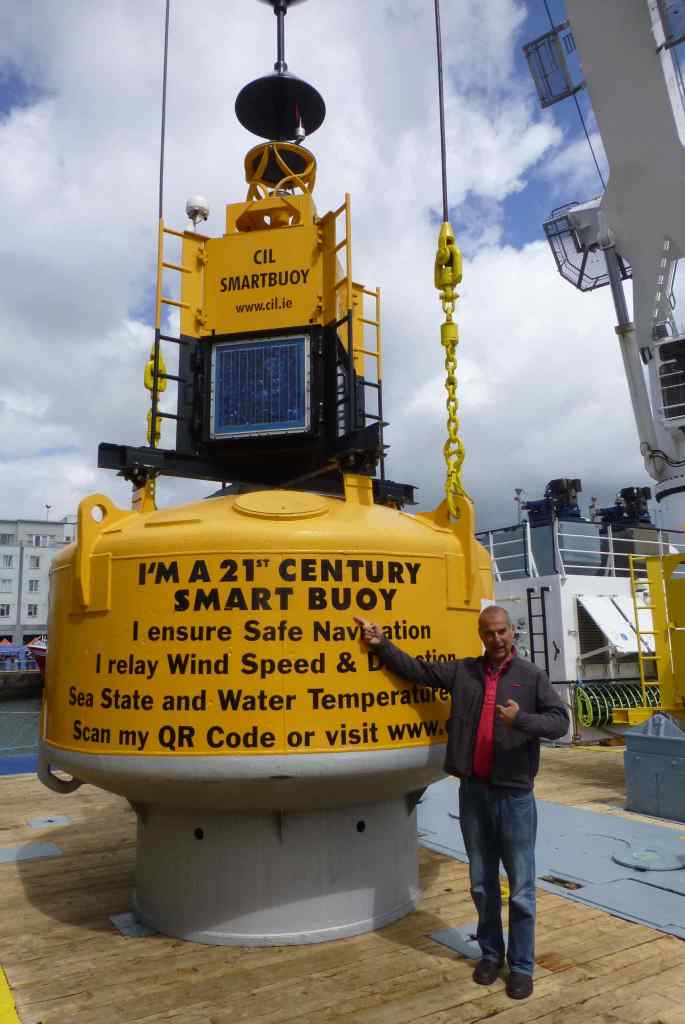
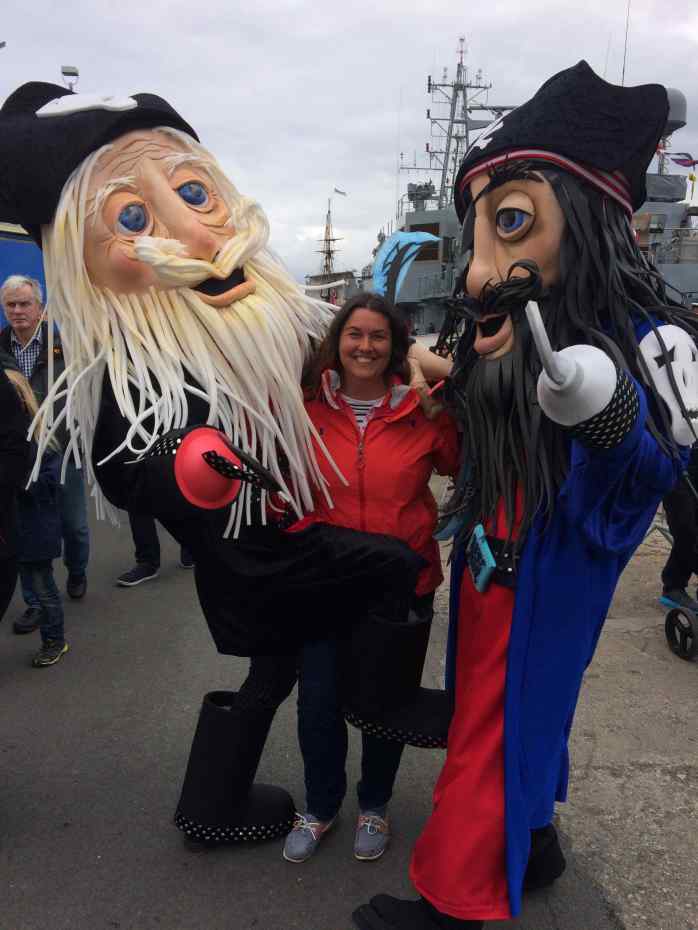
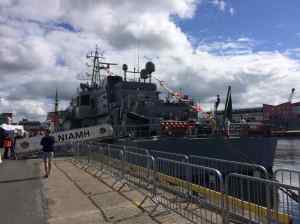
The festival was fantastic, lots of people, sunshine, a load of interesting displays from the Irish Lighthouse Association, to the Buoy Maintenance Ships, to cooking classes, old rigger ships, seafood stalls, music and more.
Red Roo was dressed up again in her flags alongside Alchemy also in the basin next to us. They were also giving away packets of fish lollies of which over the weekend Phil managed to bring 34 packets back to the boat to keep our energy levels up whilst sailing the remainder of Ireland.
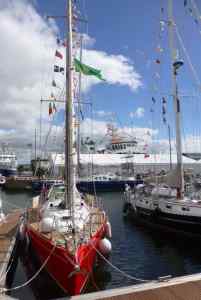
The atmosphere in Galway was exciting as it was their Summer season and the streets were alive with Music and people. The central part of the town was car free, so wide cobblestone pedestrian only streets with shops spilling outside into the streets.
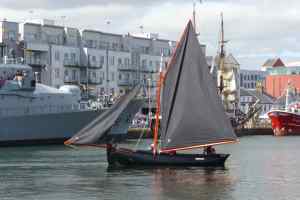
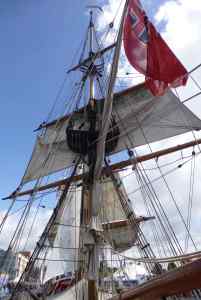
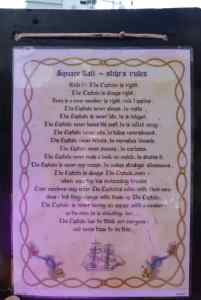
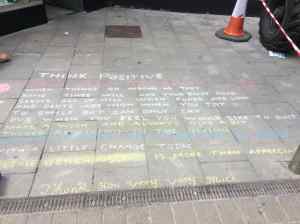
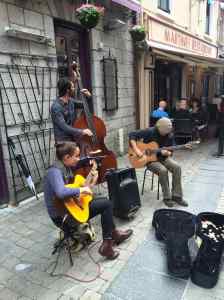
Some really pretty houses and walks along the canals in Galway also, and even saw the fish (salmon) jumping upstream.


Aran Islands – Inishmore (Kilronan)
The journey from Fenit started with us catching a pot not far out of the harbour. It has been a battle the entire time we have been sailing to avoid fishing nets and pots in the water. Some are marked really great with high visibility flags, some even have lights, others with buoys some brightly coloured but the majority look like they have been in the sea for 10+ years and are covered in growth and hard to spot and then you get the black 2 litre oil containers that are almost impossible to see until you are on them, the last thing we want is rope around the propeller. We do have a rope cutter on the propellar but it will not cut everything and will not stop damage if we get in a big tangle. Anyway Phil had spotted the pot and went clear of it, but to his surprise the line (rope) was extremely long and floating just below the water at least 20 meters from the buoy (being low tide and most likely had dragged to shallower water in the storm). We were lucky to be able to untangle it easily over the stern, we think it just caught on the rudders rather than the prop thank goodness. Luck of the day 15 minutes later Luskell also caught one, but again were able to cut it free easy. The day didn’t get any better as the further out we went away from bays and into the exposed coast and ocean towards Inishmore the remnants of the storm were thrashing us about with a large swell left over from the day before. I (Maree) was sick, vomiting a couple of times, but felt fine as soon as I got it out of my system.
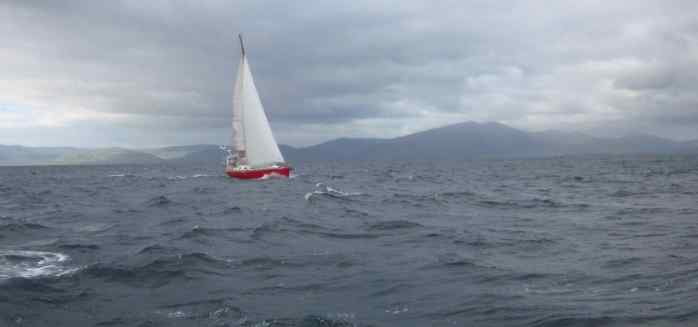
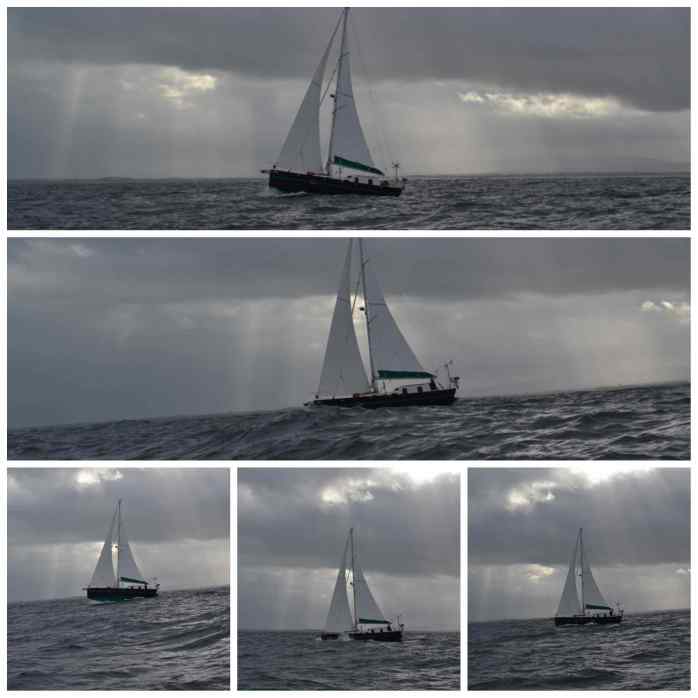
We took some impressive pictures of Luskell travelling along near us with the bow up in the air then crashing into the waves but they quickly made better time than us (much lighter boat and braver sailors (we had a reef in to reduce sail size) where as Honri flew in the wind with all the sail he had. Marie (from Luskell) said she had a rough trip also and felt terrible with illness.
It was a relief to get to Inishmore and I must confess we didn’t really appreciate the scenery along the way which is quite famous as part of the Wild Atlantic Way (I would highly recommend researching the Wild Atlantic Way for any of you looking to explore Ireland any other way than by Yacht) the most famous of that region being the Cliffs of Moher standing 702 feet above the Atlantic with the waves continuously crashing into them (with the sea as rough as it was I didn’t need cliffs to appreciate crashing waves!)
The island of Inis Mór (Inishmore) meaning the big island (part of the Aran Islands), is one of the most popular tourist destinations in Ireland. It is well known internationally with over 50 different monuments of Christian, pre Christian and Celtic mythological heritage. There isn’t far you can go before being somewhere where there’s something of historical interest and little reason to question its importance in modern Irish Culture.
It is different to anywhere or anything I have seen before, it is an island almost entirely made of rocks and stones (very litle pasture) – which in itself isn’t that big a deal but to think people lived, farmed and survived on it for centuries that is the amazing part. The island also famous for the sheep and wool coming from the islands (Aran jumpers). We explored the whole island over a couple of days walking and on our bikes visiting each of the famous forts and many of the monuments.
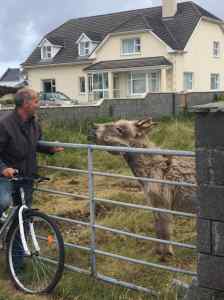
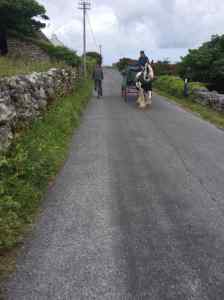
The western end of the island away from our anchorage actually had some pasture which was a relief for the residents but the majority of the island seemed to be paddocks of rocks, the paddock walls being constructed of island rocks. It really seemed to be rock walled paddocks growing rock! By far the most impressive part of the island was Black Fort or as the Aran Islands community refer to it traditionally as Dun Duchathair (the black fort). This rock formation thought to be from the bronze age (that’s 500-1500 BC) and still standing strong (even after we climbed over it), it is imposing and bold on the southern side of the island, it is mind blowing. Nearby is also where Red Bull holds its famous cliff diving competition, where upon viewing this place firmly confirmed the entrants need to be certified crazy to compete, why else would they jump!

We also had a boat anchor near us that was support boat for Maghnus who was swimming around Ireland, yes doing a lap of the entire island swimming. They were making their way back to Clifden where they last left off from the swim a couple of weeks ago. What an incredible feat to be taking this on for charity – best of luck Maghnus!
Fenit

After a full day bashing about in the wind and swell left over from the storm we made it to Fenit. The weather was confused with the wind ranging from zero to 16 knots, south south easterly. Motor sailed most of the day (44 nautical miles) turning off motor to sail when the wind would gather to a great 16 knots, then returning to motor when it disappeared. Slowed down to fish for the last two hours coming into Fenit and caught our first decent sized Pollock but was disappointed with the taste so will stick with Mackerel. The sail into Fenit through almost fjords was pleasant and would have been lovely to anchor in the right conditions (certainly not for us with the rest of the storm forecast to hit that night and the following day). The wind got up and blew hard as we were berthing (always the way, making a tricky dock) but we got in and hunkered down with Honri and Marie in SV Luskell also in the marina following the same plan.
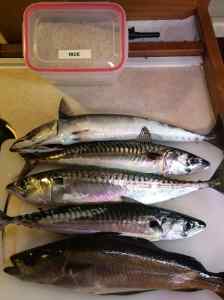
We took a stroll in the wind and did manage to catch a game of Hurling on the TV at the pub which was exciting to watch, we had tried to see a game during our inland jaunt from Dingle but no local games were scheduled due to the regional championships which we watched at Fenit pub (nursing two drinks each making them last the entire game….yes we are cheap – but hey we are not working). It’s an entertaining game to watch, almost a mixture of hockey, football, handball and some other sports thrown in. The sticks can be vicious, the guys need to be fit and we admit we don’t have all the rules down pat after watching one match, but would be happy to watch more.

Fenit itself was underwhelming, was just a marina and a pub and nothing within walking or cycling distance – I may be being a little harsh as the weather was also terrible so didn’t add to the outlook of the place, but it served its purpose to get us a bit further north and ready for the next leg to Inishmore when the weather allows. We stayed two nights and didn’t leave the boat for the day of the storm, just waited it out.

Dingle

Where those brave enough to be sailing West Coast of Ireland all met, Red Roo, Freja, SV Luskell & Alchemy. Admittedly however brave we were, we had all gone into Dingle to shelter from a storm that was predicated to last a week. Coming into Dingle we caught a bucket of mackerel (getting quite good at this now) which later fed the crews on board Freja and SV Luskell, but quickly pulled in the line once Fungi the local marina dolphin came out to greet us in the river and escort us in. No way was I going to be the one who hooked Fungi on my fishing line!! Turns out Fungi is a celebrity and people come from all over Ireland to visit him, the moment you mention Dingle the name Fungi is always spoken straight back to you in the next sentence anywhere in Ireland. He is very friendly and greets every boat, he almost gave Tony from Freja a big wet kiss as he looked over the side to see him only for Fungi to jump out of the water and say hello.
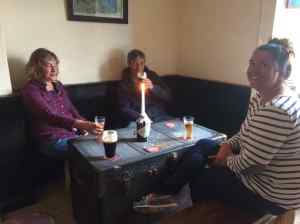
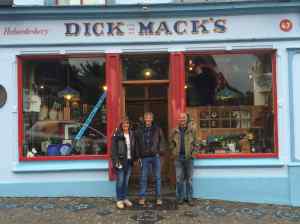
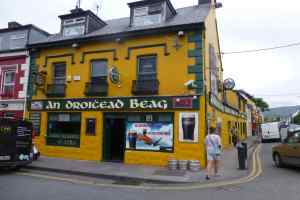
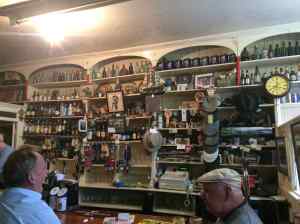
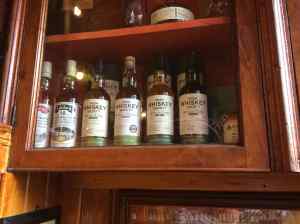
First day we were all busy settling in, washing, restocking with food (first good supermarket we had seen since Kinsale a couple of weeks ago). A day later Tony and Phil decided they must do something useful with their time and proceeded on a mission to have a drink in as many pubs as possible. As well as Fungi, Dingle is known for its pubs with a ratio of 1 pub for every 26 residents in the town (38 pubs and population of 988). The pubs also traditionally doubled as other businesses, one being a pub/shoe/leather shop, another being a pub/haberdashery/clothes shop, the next and according to the blokes the best one being a pub/hardware store – the only place you can buy a hammer and get hammered!!!

On the Saturday we found a pub (whose sole business was being a pub) to watch the rugby in and much to Tony and Jenny’s delight England beat Australia quite easily.


With the weather not improving Tony and Jenny parked Freja up and headed home to England (they would come back in a month or so and continue on), Alchemy and crew had family visit from England, SV Luskell hunkered down to wait and Phil and I hired a car and decided to take 4 days to drive inland (actually, all the way to the Eastern side) and to visit the capital Dublin, and Kilkenny, Limerick and the lake district on the way/way back. Dublin was underwhelming and we spent half a day wandering the streets before deciding we had “been there – seen it” and would be much happier exploring the smaller regional towns inland and proceeded to do so. Keeping an eye on the weather whilst travelling we cut the trip short by one day and returned to Red Roo as a potential window to sail on north had opened up and we were going to use it. So Luskell and Red Roo set off in the one day window to continue north before the weather was due to close in again for another couple of days.
Pictures below from our inland adventures:
Great Skellig Island (Darrynane)
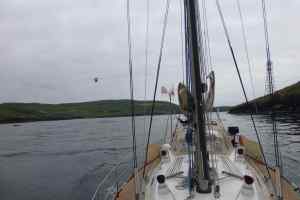
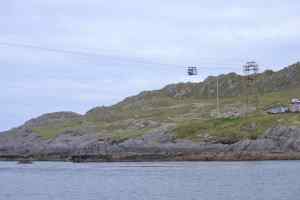
A stunning day on the water with both of us sunning it up in shorts and t-shirts! Also enough wind to sail – perfect combination. Our passage took us through the Dursey Sound which has a cable car running from main land Ireland across to Dursey Island. I was sure our mast was going to hit the cable and car but alas we cleared perfectly fine. Lots of caves and nooks on either side as the land closed in coming out the other side, perfect for smugglers back in the day looking to hide their booty.
We were interested in visiting Great Skellig Island which we had read about as it is a sixth-century Christian monastery perched at 160 m above sea level on a ledge and is UNESCO World Heritage Site. We were told the monks hand-built beehive huts are still in fantastic condition, and the monks used to live out there as the ultimate sacrifice and pilgrimage to God. We had also heard that since the filming of some star wars scenes on the island the year before it had become a massive popular tourist destination (we were going for the history and nature not the Star Wars connection). My research online during the passage showed all the tickets to the island sold out until August (it is currently May), hmmm it must be great (or someone in America has a great marketing campaign). I dug a bit deeper and tried calling around the smaller towns along the coast from the island and hit gold with a fisherman/skellig charterman from a wee place called Darrynane (which I couldn’t actually find on a map). After a good chat with him he told us he could take us out the island the next day and that we were much better with the yacht in Darrynane Harbour/Bay than going anywhere near the bigger town of Portmagee (where most operators run from), however watch the tricky entrance into Darrynane past the waves breaking over rocks and stay to port real close to the wall even though it looks wrong stay to port – yes we will definitely watch that as we would prefer not to end up a wreak on the rocks!!
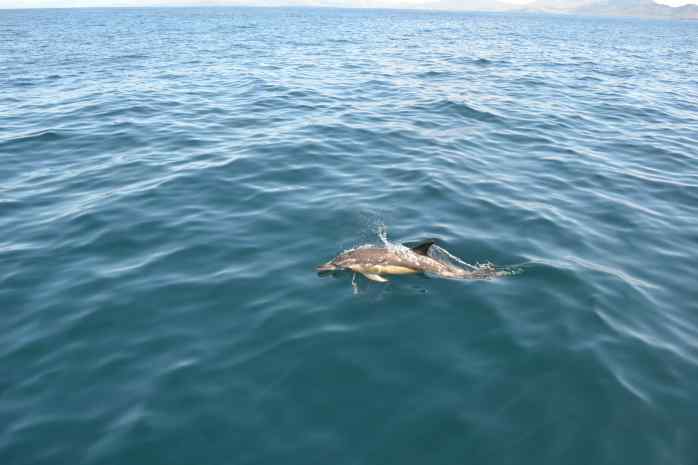
For the next hour we smiled and laughed with delight (letting out the odd sequel also) as we were escorted by a pod of dolphins playing in our bow – one will never tire of the privilege when nature comes to visit. Got some great photos and video footage of them accompanying us. Oh how special it is and how very lucky we are.
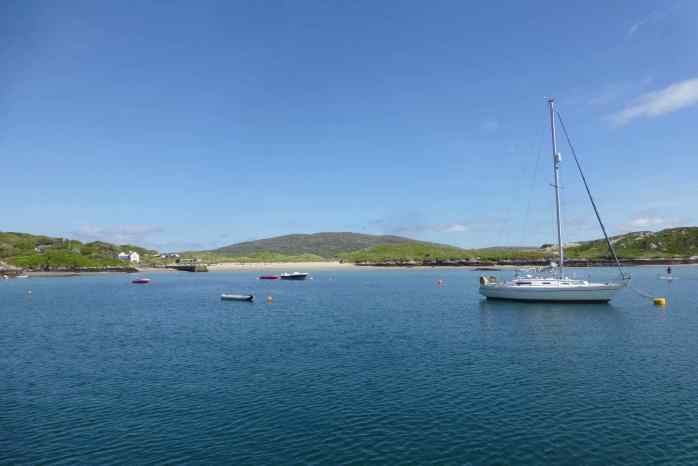
As we approached my phone rang again and it was my mate John from Darrynane asking if we were the Red Yacht (he could see us approaching) and he talked us in though the tricky approach and into the most stunning sheltered bay surrounded by a sandy beach with the sun shimmering on the water.
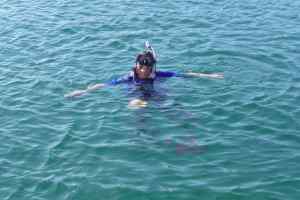
I didn’t need any encouragement and minutes after picking up a mooring buoy I was in the water, no sooner than I hit the water a scrubbing brush from the captain landed beside me!! Fresh was an understatement but I soon warmed up by diving on the mooring buoy chain to check it all out, and some scrubbing of the hull particularly the prop, the bow thruster and the intake holes. Once I had done all the work Phil decided it was a lovely day and the water did look inviting however his jump in was quickly overshadowed by his lightening quick escape out of the water and back onto the boat, apparently “fresh” was an understatement and he didn’t need a heart attack from the freezing water.
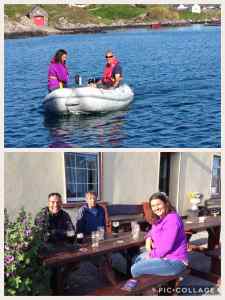
Also enjoying Darrynane was Freja with Tony and Jenny coming along side in the dingy as they returned to the boat from an onshore walk. Plans were soon set for a Guinness on shore at the one and only local establishment before dinner later that day, just one or two tho as they were sailing on early the next day and we were getting collected even earlier to visit Skellig Island. This was great and a little surprising for us as in the bay you can only see a dozen buildings or dwellings scattered along the shore and hills, so for one of them to be a pub was fantastic!
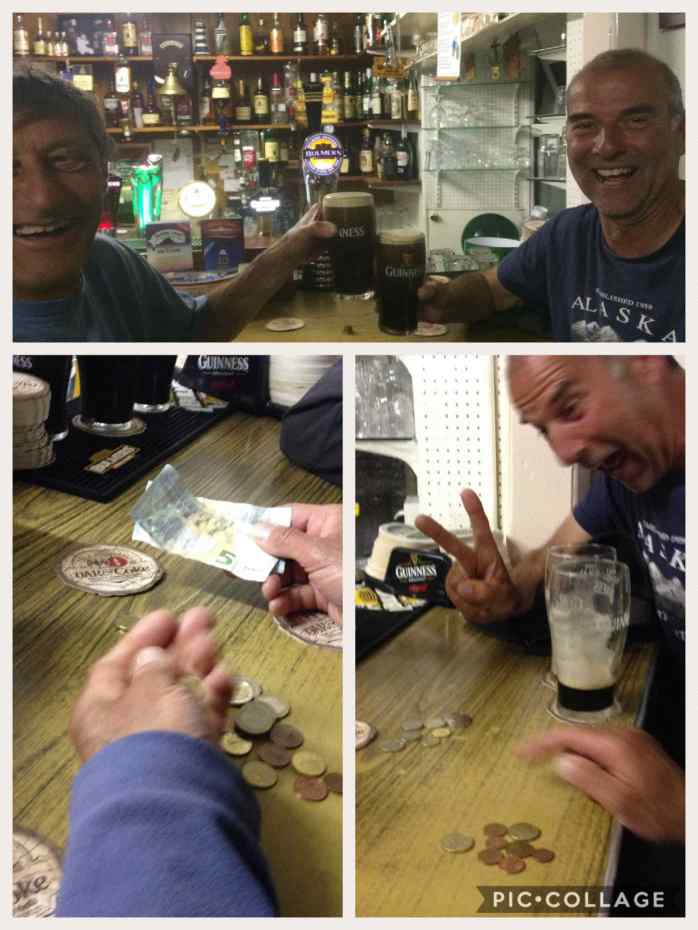
Well we collected them in Joey (our dingy) and with only a few bob each in our pockets for “one” drink as agreed we settled in the sun outside the local (which was more of a house than a pub). We have since come to the conclusion that at least every second person in Ireland knows how to play a musical instrument and can hold a tune, and it was no different in Darrynane as on this quiet May Wednesday evening just as we were polishing off our second drink 3 locals gathered in the pub one with a piano accordion, another with a guitar and the third with a Spanish guitar and an Irish flute, the decision easily made to stay for another drink and to listen to a song or three.
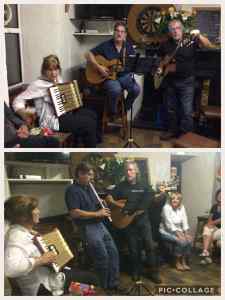
Two hours later we were pooling the remaining coins in our pockets to see if we had enough money for another round (no the pub didn’t take card or serve any sort of food and the nearest ATM was in the town about 8km away). The picture below capturing the moment Tony and Phil counted the now copper coins in their pockets to discover they had enough for two more drinks (one each) and didn’t have to share a pint, was, well, the picture says it all. Eventually with no money left, sore throats from singing along at full roar and stumbling (due to the darkness…maybe) we departed to the jetty to return to Red Roo and Freja only to find Joey high and dry 200 meters from the water, yes the tide had well and truly gone out! So the four of us lifted joey (heavy) and carried/dragged her to the water and eventually made it back on board our boats.
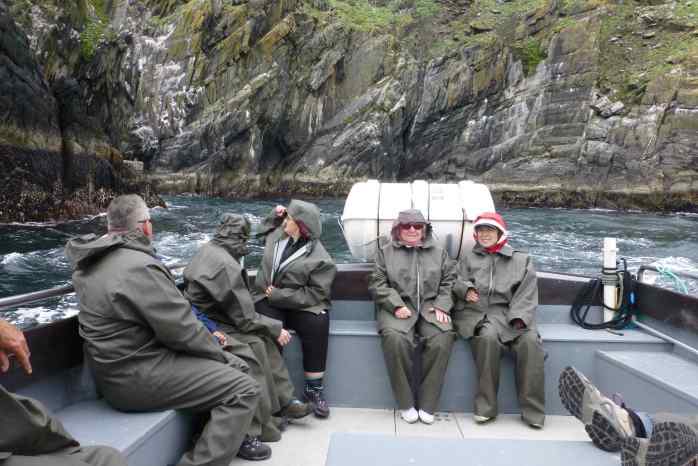
Our early start the next day (along with well-deserved heavy heads) was met with a day drastically different from the day before as we departed the sheltered bay towards Skellig the sea had become quite rough with a uncomfortable swell having built overnight with the wind, making the long 2.5 hour trek to the island in a smelly diesel converted fishing boat lurching over each wave, splashing those in the stern seats rather unpleasant, especially for the other tourists on the boat who were not sea fearers at all and two of them who threw up and fed the fish all the way out and were horrified at the thought of the return journey which we were told could be rougher.
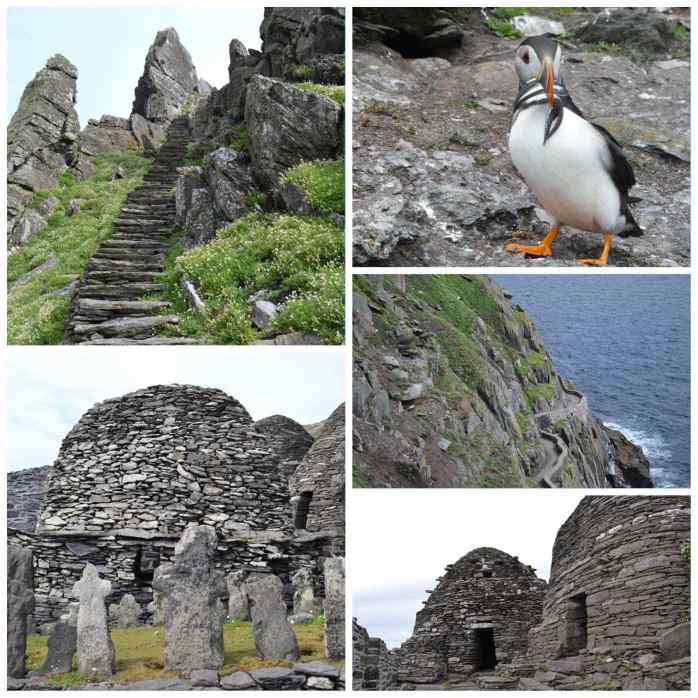
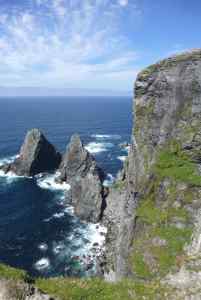
Upon arrival all thoughts of the unpleasant trip and our heavy heads instantly evaporated this island is unbelievable. Huge imposing cliffs, small patches of iridescent green on steep slopes, gray and black rock, puffins flying in and out to nests the colours brilliant. The thought that monks back in the sixteenth century rowed (yes rowed!!) out here and set up camp surviving on sea birds and what little they could grow, building beehive huts with their hands out of rock they chipped away themselves – is purely overwhelming!! Why, also springs to mind as well as the fact I will never complain about things being hard/tough again (I think that lasted at least a couple of weeks).

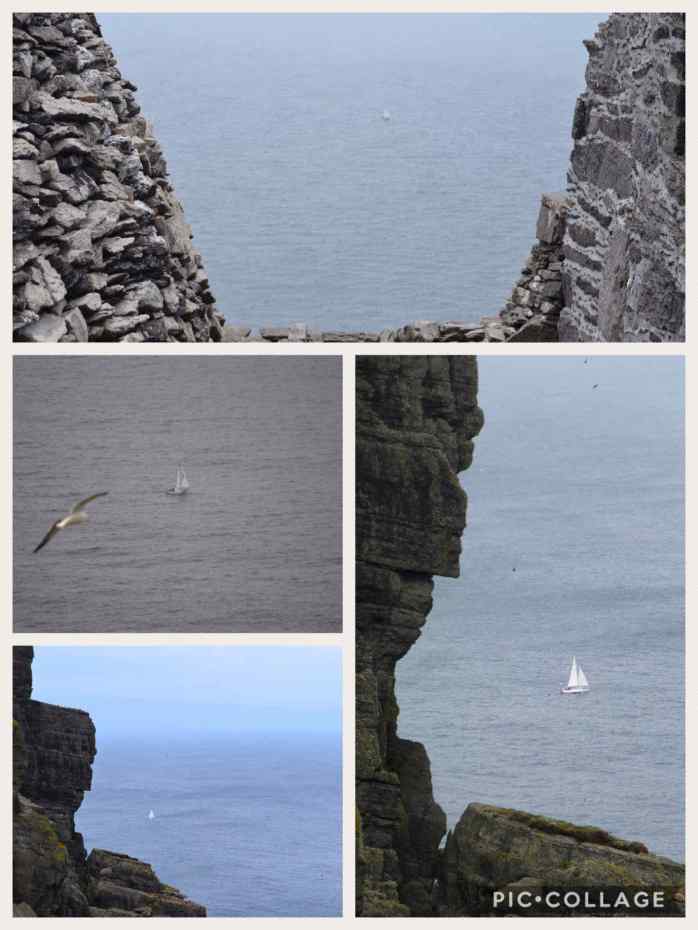
The National Trust do a fantastic job of presenting this island, keeping it as it was (yet accommodating visitors) and the rangers gave enthralling talks about the lives of those who lived and died on the island. Of the 12 tourists on the boat only 7 of them actually made the trek to the summit of the island to visit the bee hive huts and really see the island. The ranger told us when we arrived that the climb is steep and didn’t want to scare anyone but reiterated that many people freeze and can’t get back down and have vertigo issues, therefore the other 5 from our group clambered onto the landing stage of the island and sat waiting for us to climb up and back, dreading the thought of the return journey. Whilst up at the summit listening to a ranger story we had the most spectacular view of Freja sailing through the swell past the island – magic! One of the best places we have seen so far without question.
The return journey on the boat wasn’t any easier and we were issued with wet weather coveralls for the waves crashing into the boat. The partners of those that were sick going out and not offering any sympathy got there just deserts as I think all but 4 of us were quite ill on the return journey! A great day out for Phil and myself – we didn’t have to skipper, worry about the swell, no navigation required a day off on a wonderful site, not so much for the rest of the passengers.



 Red Roo
RECENT COMMENTS